Alzheimer Center Amsterdam, Department of Neurology, Amsterdam Neuroscience, Vrije Universiteit Amsterdam, Amsterdam UMC, 1081 HV, Amsterdam, the Netherlands.
Cognitive Neuroscience Division, Department of Neurology, Columbia University, New York, NY, 10032, USA.
Neuroimage. 2020 Apr 15;210:116593. doi: 10.1016/j.neuroimage.2020.116593. Epub 2020 Jan 30.
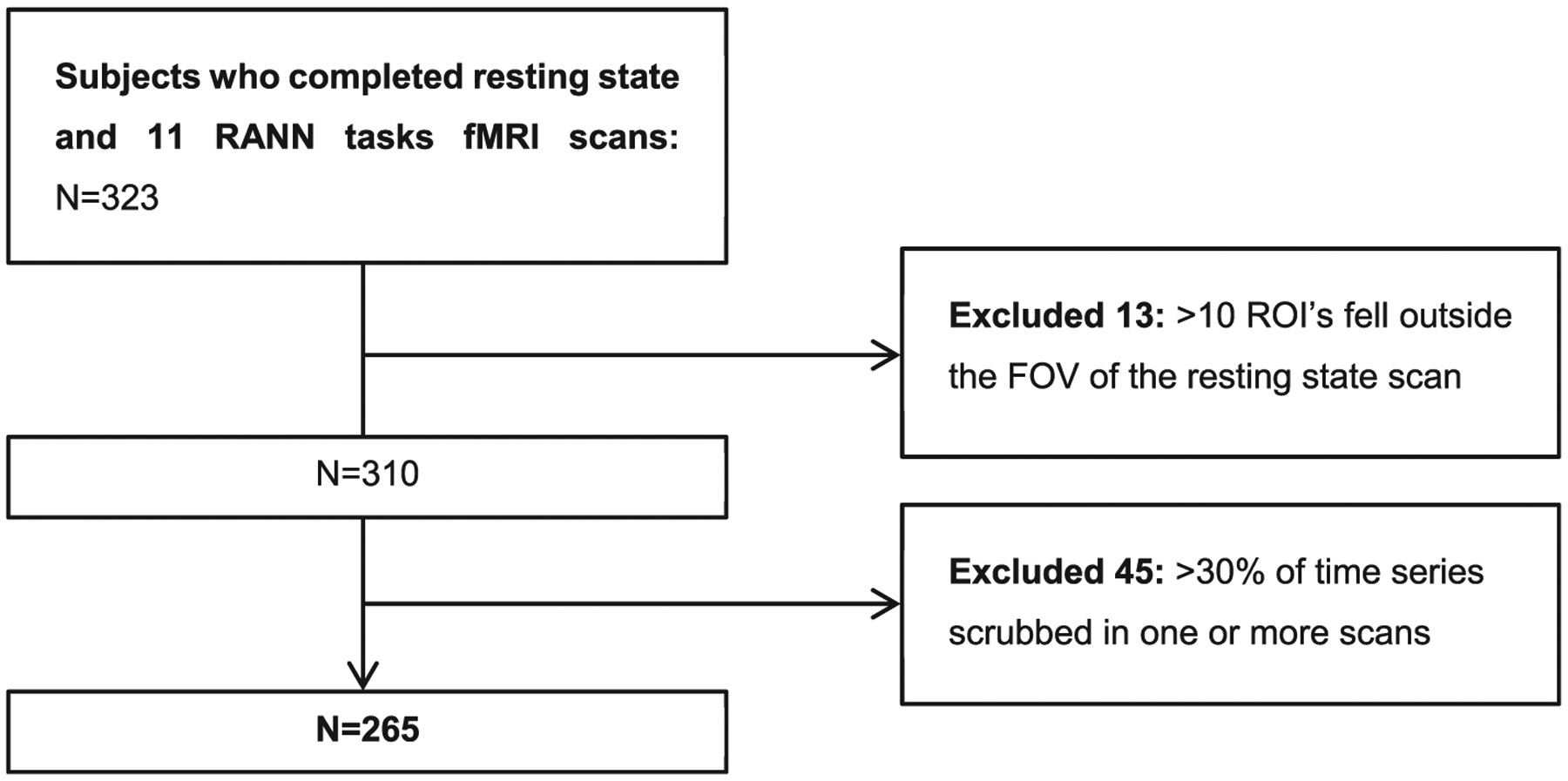
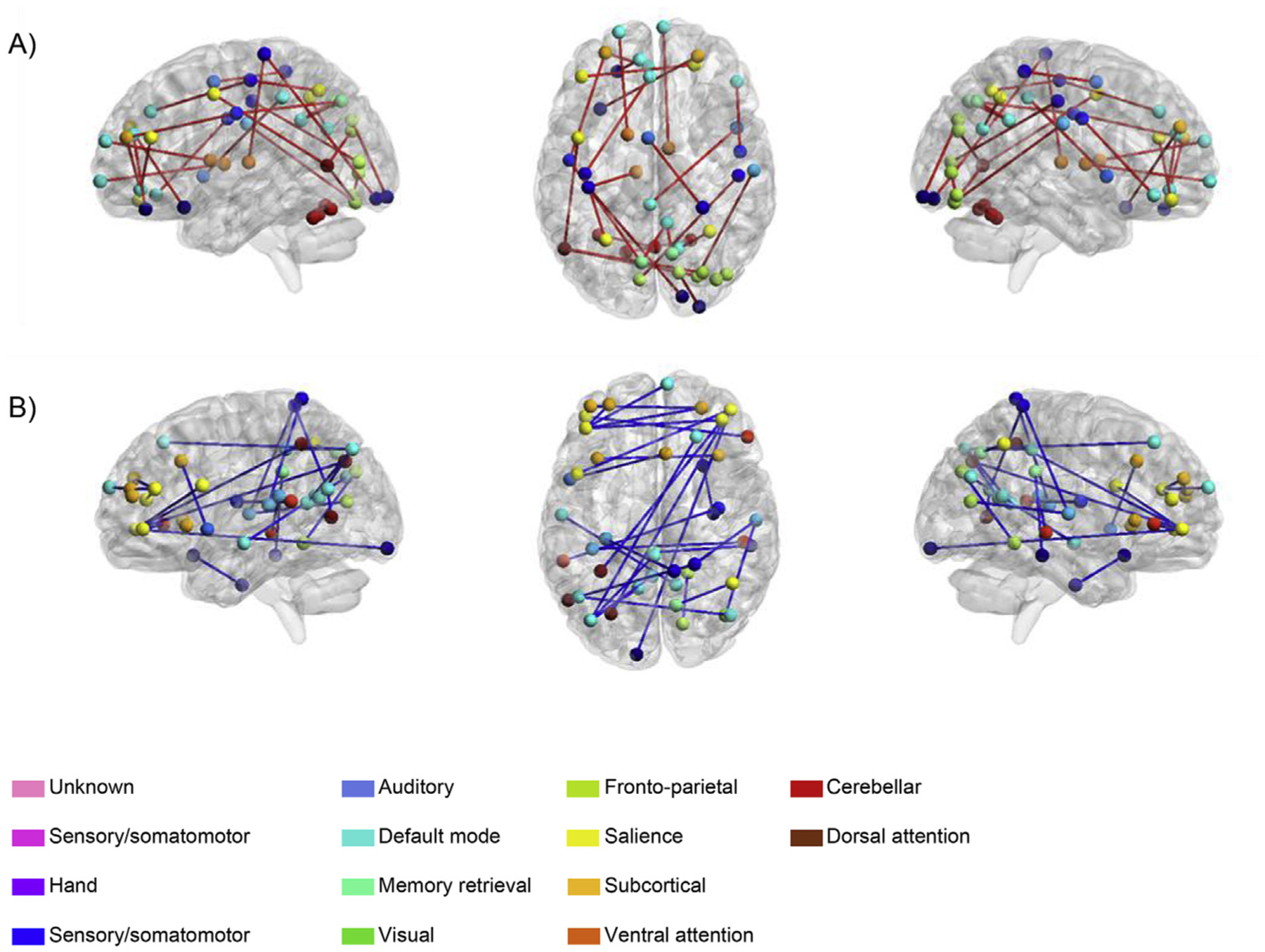
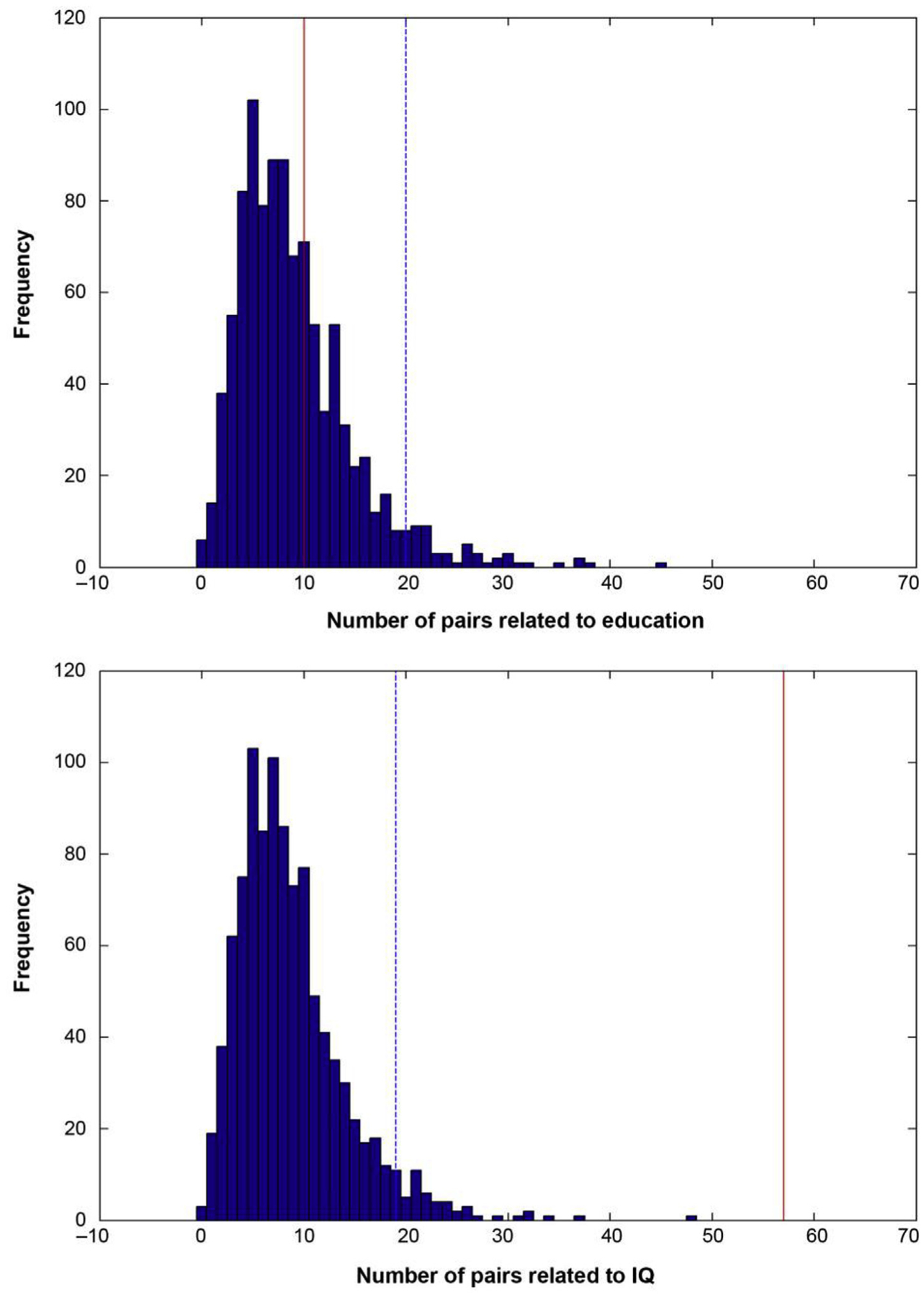
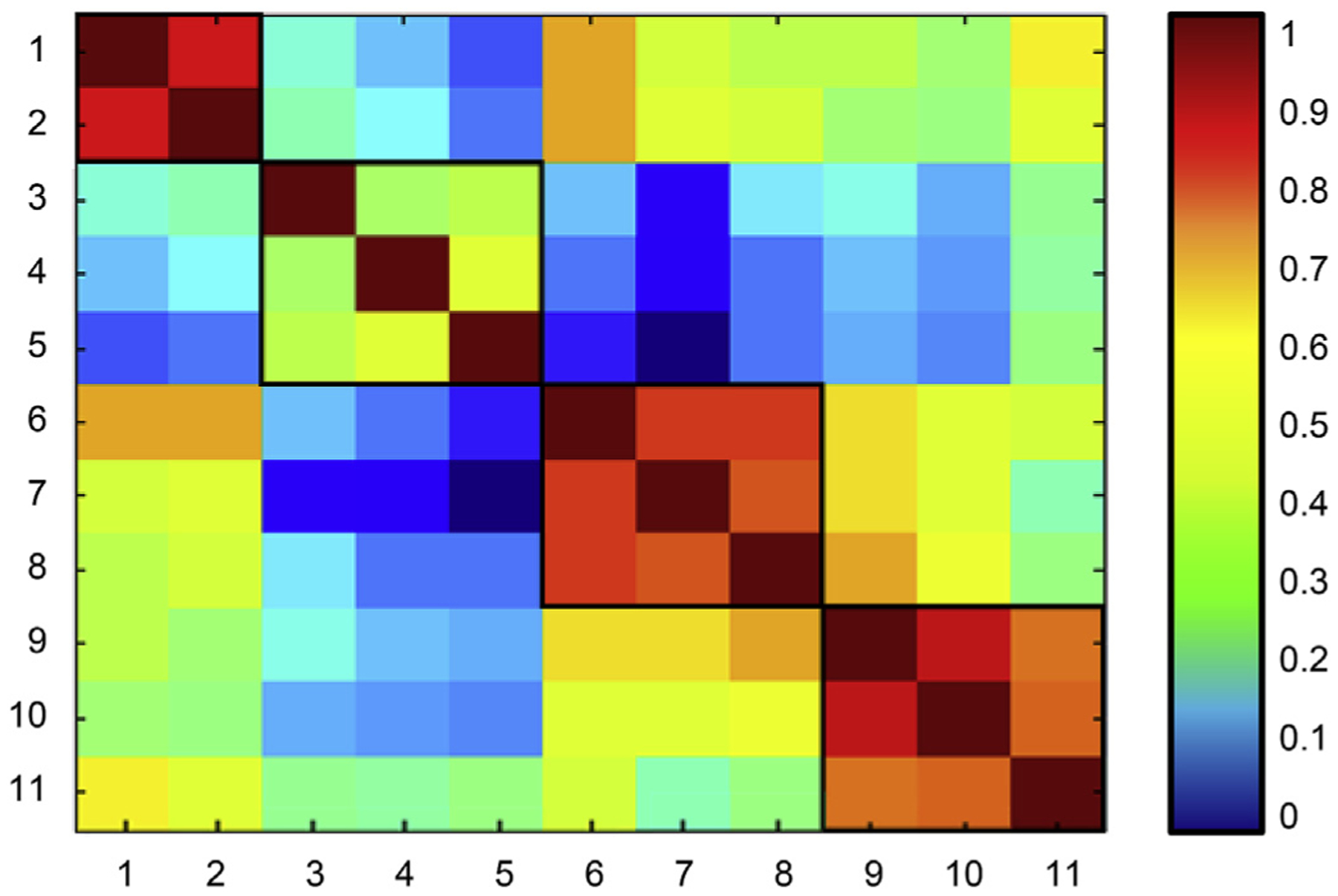
Cognitive reserve (CR) is thought to protect against the consequence of age- or disease-related structural brain changes across multiple cognitive domains. The neural basis of CR may therefore comprise a functional network that is actively involved in many different cognitive processes. To investigate the existence of such a "task-invariant" CR network, we measured functional connectivity in a cognitively normal sample between 20 and 80 years old (N = 265), both at rest and during the performance of 11 separate tasks that aim to capture four latent cognitive abilities (i.e. vocabulary, episodic memory, processing speed, and fluid reasoning). For each individual, we determined the change in functional connectivity from the resting state to each task state, which is referred to as "task potency" (Chauvin et al., 2018, 2019). Task potency was calculated for each pair among 264 nodes (Power et al., 2012) and then summarized across tasks reflecting the same cognitive ability. Subsequently, we established the correlation between task potency and IQ or education (i.e. CR factors). We identified a set of 57 pairs in which task potency showed significant correlations with IQ, but not education, across all four cognitive abilities. These pairs were included in a principal component analysis, from which we extracted the first component to obtain a latent variable reflecting task potency in this task-invariant CR network. This task potency variable was associated with better episodic memory (β = 0.19, p < .01) and fluid reasoning performance (β = 0.17, p < .01) above and beyond the effects of cortical thickness (range [absolute] β = 0.28-0.32, p < .001). Our identification of this task-invariant network contributes to a better understanding of the mechanism underlying CR, which may facilitate the development of CR-enhancing treatments. Our work also offers a useful alternative operational measure of CR for future studies.
认知储备(CR)被认为可以保护多个认知领域免受与年龄或疾病相关的结构脑变化的影响。因此,CR 的神经基础可能包括一个积极参与许多不同认知过程的功能网络。为了研究这种“任务不变”的 CR 网络是否存在,我们在 20 至 80 岁之间的认知正常样本中(N=265)测量了静息状态和执行 11 项不同任务时的功能连接,这些任务旨在捕获四种潜在的认知能力(即词汇、情景记忆、处理速度和流体推理)。对于每个个体,我们确定了从静息状态到每个任务状态的功能连接变化,这被称为“任务效能”(Chauvin 等人,2018 年,2019 年)。任务效能是在 264 个节点之间的每一对节点中计算的(Power 等人,2012 年),然后根据反映相同认知能力的任务进行总结。随后,我们在 IQ 或教育(即 CR 因素)与任务效能之间建立了相关性。我们确定了一组 57 对节点,在这组节点中,任务效能与 IQ 呈显著相关,但与教育无关,涵盖了所有四种认知能力。这些节点被纳入主成分分析,从中我们提取了第一个成分,以获得反映这个任务不变的 CR 网络中任务效能的潜在变量。这个任务效能变量与情景记忆(β=0.19,p<.01)和流体推理表现(β=0.17,p<.01)呈正相关,超过了皮质厚度的影响(范围[绝对值]β=0.28-0.32,p<.001)。我们对这个任务不变网络的识别有助于更好地理解 CR 的机制,这可能有助于开发增强 CR 的治疗方法。我们的工作还为未来的研究提供了一种有用的 CR 操作衡量标准。