Liu Xiaocui, Liu Hao, Wu Weijin, Zhang Xu, Gu Tingyue, Zhu Minglong, Tan Wensong
State Key Laboratory of Bioreactor Engineering, East China University of Science and Technology, Shanghai, China.
Department of Chemical and Biomolecular Engineering, Ohio University, Athens, OH, United States.
Front Microbiol. 2020 Jan 15;10:3058. doi: 10.3389/fmicb.2019.03058. eCollection 2019.
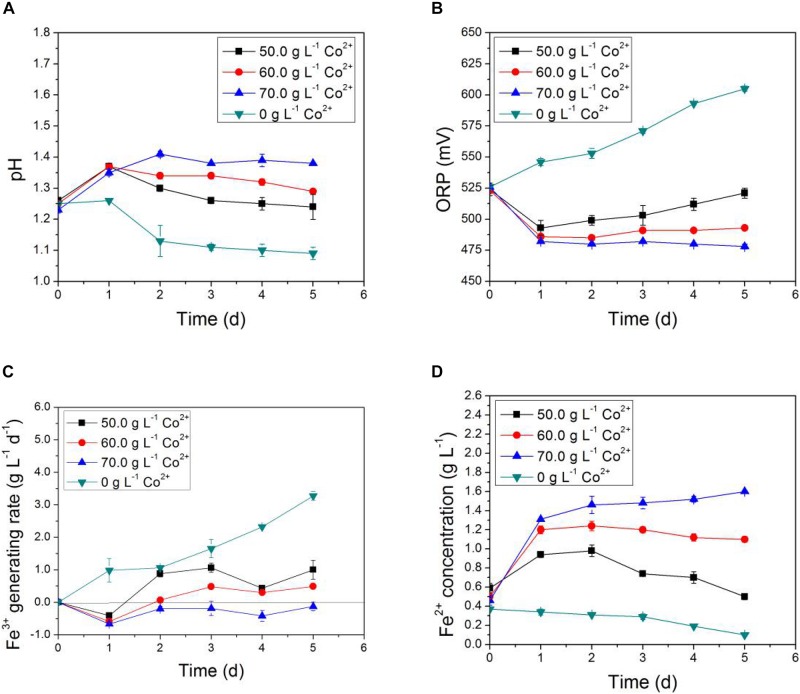
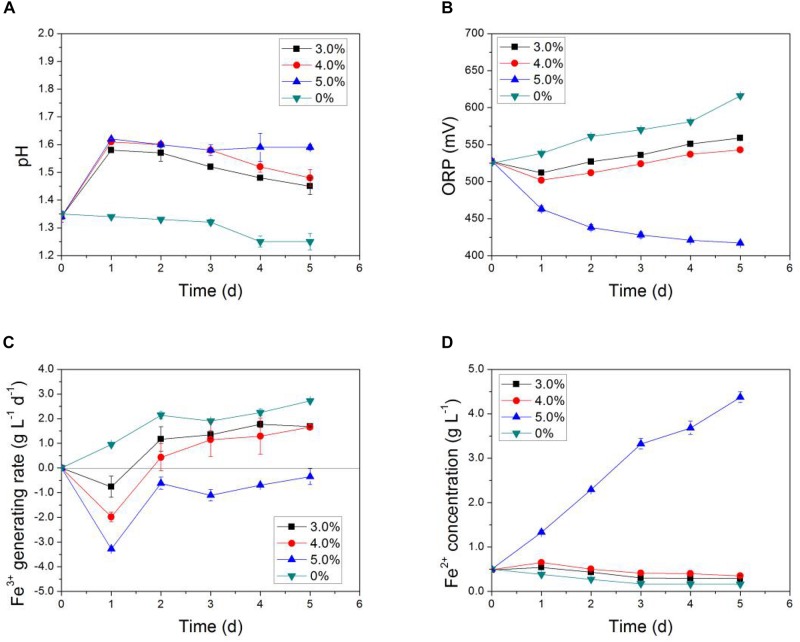
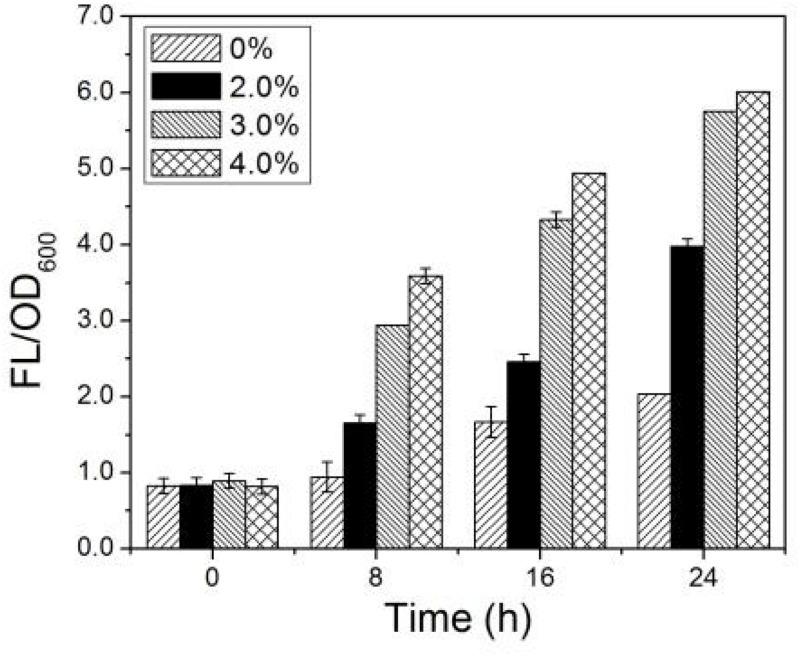
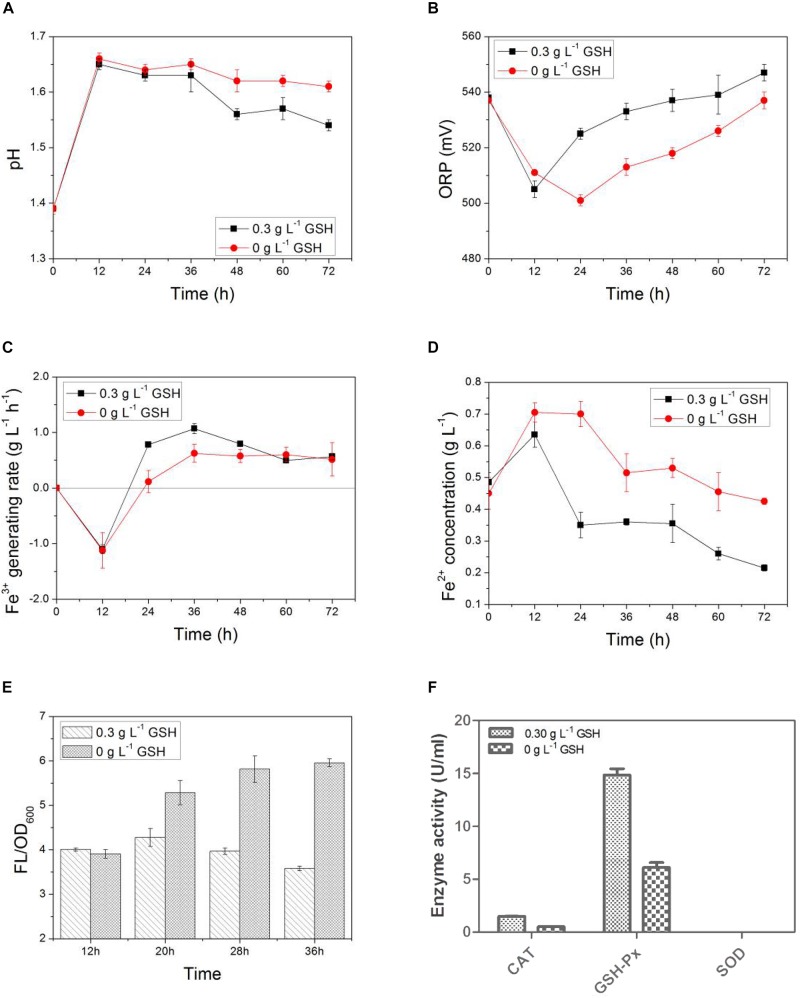
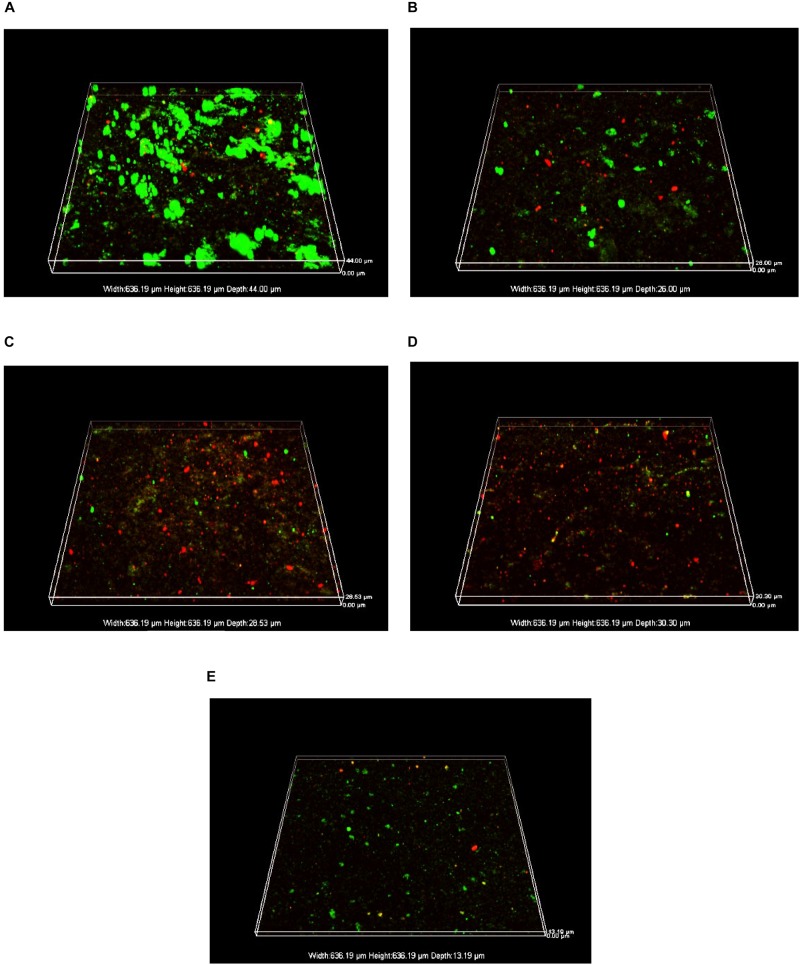
An acidophilic microbial consortium (AMC) was used to investigate the fundamental mechanism behind the adverse effects of pulp density increase in the bioleaching of waste lithium ion batteries (WLIBs). Results showed that there existed the effect of metal-ion stress on the bio-oxidative activity of AMC. The Li and Co accumulated in the leachate were the direct cause for the decrease in lithium and cobalt recovery yields under a high pulp density. In a simulated bioleaching system with 4.0% (w ⋅v) LiCoO, the intracellular reactive oxygen species (ROS) content in AMC increased from 0.82 to 6.02 within 24 h, which was almost three times higher than that of the control (2.04). After the supplementation of 0.30 g⋅L of exogenous glutathione (GSH), the bacterial intracellular ROS content decreased by 40% within 24 h and the activities of intracellular ROS scavenging enzymes, including glutathione peroxidase (GSH-Px) and catalase (CAT), were 1.4- and 2.0-folds higher in comparison with the control within 24 h. In the biofilms formed on pyrite in the bioleaching of WLIBs, it was found that metal-ion stress had a great influence on the 3-D structure and the amount of biomass of the biofilms. After the exogenous addition of GSH, the structure and the amount of biomass of the biofilms were restored to some extent. Eventually, through ROS regulation by the exogenous addition of GSH, very high metal recovery yields of 98.1% Li and 96.3% Co were obtained at 5.0% pulp density.
采用嗜酸性微生物 consortium (AMC) 研究了废锂离子电池 (WLIBs) 生物浸出过程中矿浆密度增加产生不利影响的基本机制。结果表明,金属离子胁迫对AMC的生物氧化活性存在影响。浸出液中积累的Li和Co是高矿浆密度下锂和钴回收率降低的直接原因。在含4.0% (w ⋅v) LiCoO的模拟生物浸出系统中,AMC细胞内活性氧 (ROS) 含量在24 h内从0.82增加到6.02,几乎是对照 (2.04) 的三倍。添加0.30 g⋅L外源谷胱甘肽 (GSH) 后,细菌细胞内ROS含量在24 h内下降了40%,细胞内ROS清除酶包括谷胱甘肽过氧化物酶 (GSH-Px) 和过氧化氢酶 (CAT) 的活性在24 h内比对照分别高1.4倍和2.0倍。在WLIBs生物浸出过程中黄铁矿上形成的生物膜中,发现金属离子胁迫对生物膜的三维结构和生物量有很大影响。外源添加GSH后,生物膜的结构和生物量在一定程度上得到恢复。最终,通过外源添加GSH调节ROS,在5.0%矿浆密度下获得了98.1% Li和96.3% Co的极高金属回收率。