Department of Experimental Hematology, Institute of Zoology and Biomedical Research, Jagiellonian University, Kraków, Poland.
Department of Genetics and Evolutionism, Institute of Zoology and Biomedical Research, Jagiellonian University, Kraków, Poland.
Front Immunol. 2020 Jan 15;10:3021. doi: 10.3389/fimmu.2019.03021. eCollection 2019.
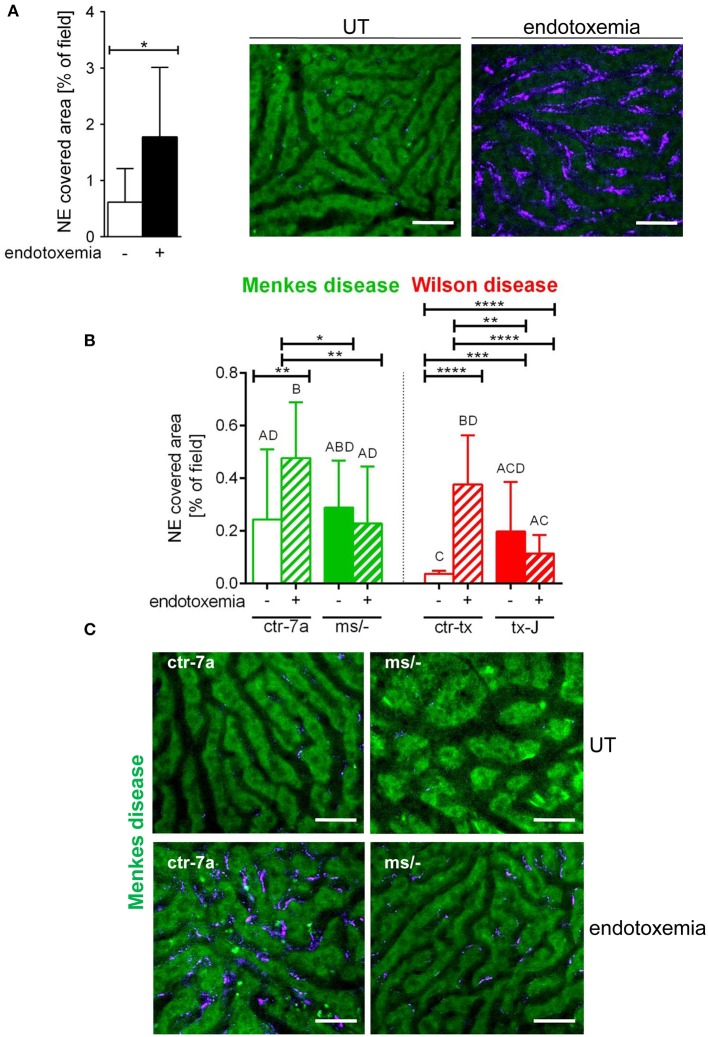
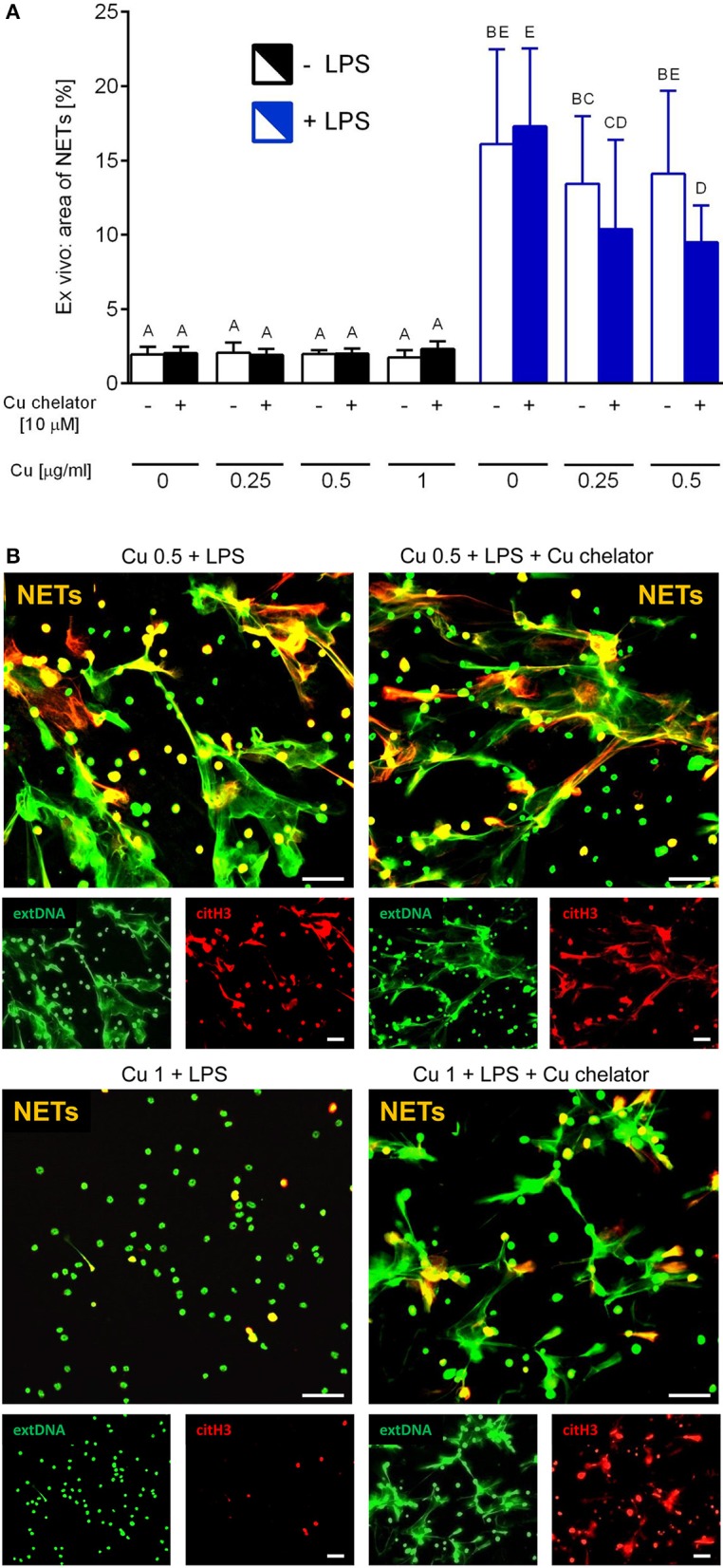
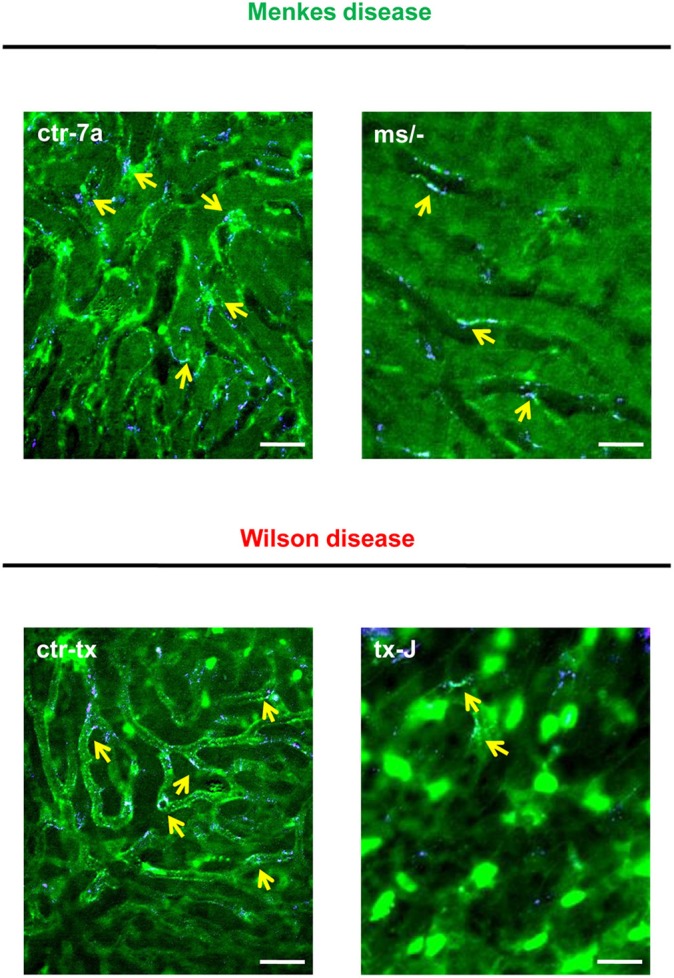
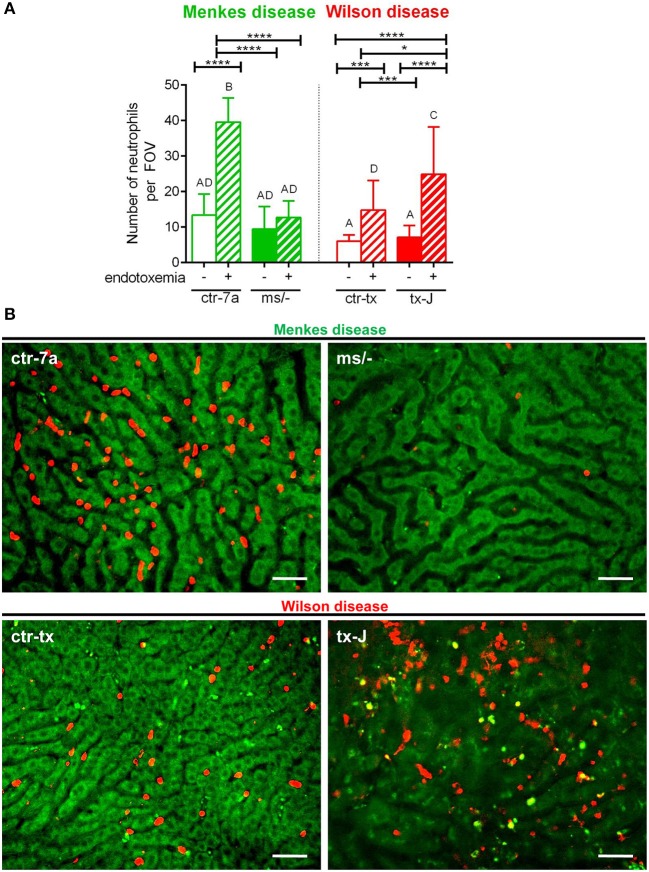
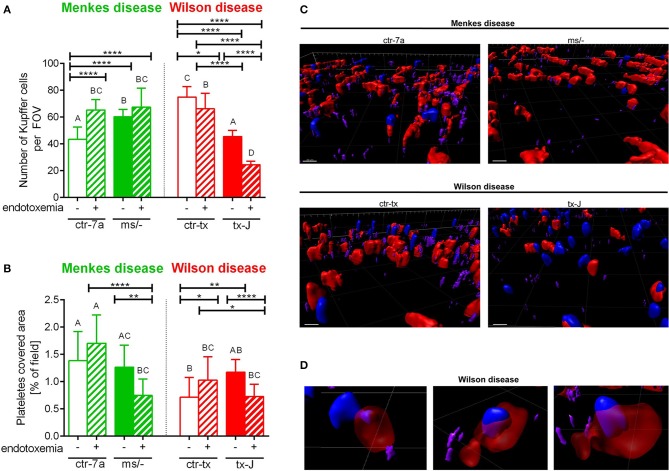
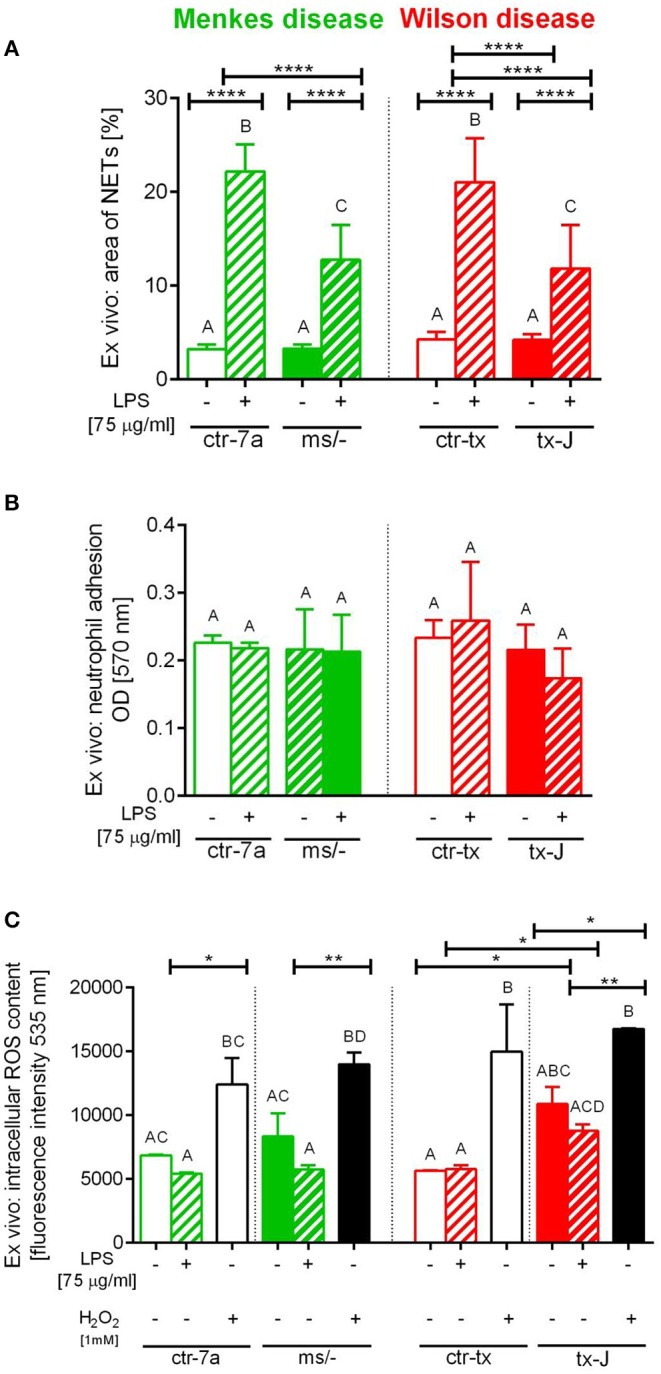
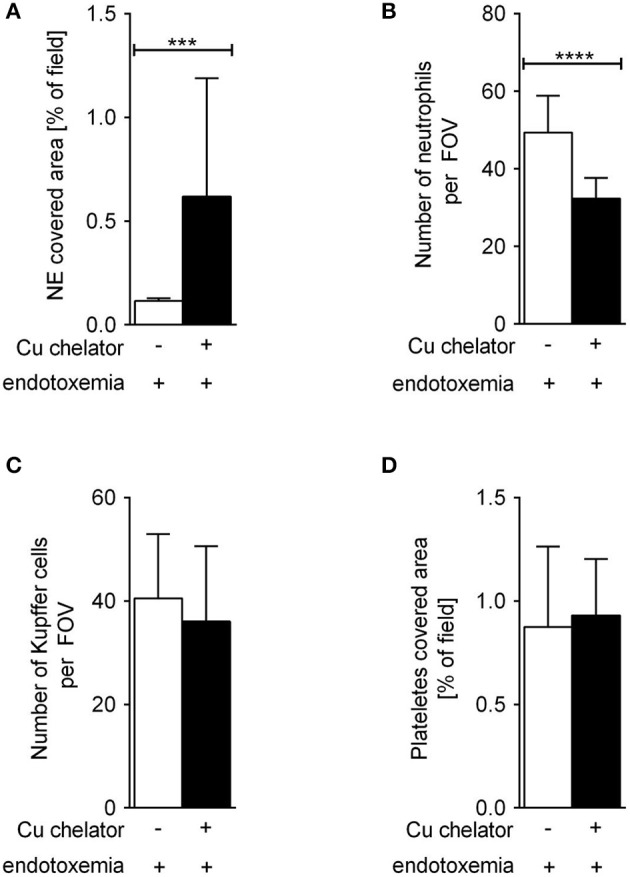
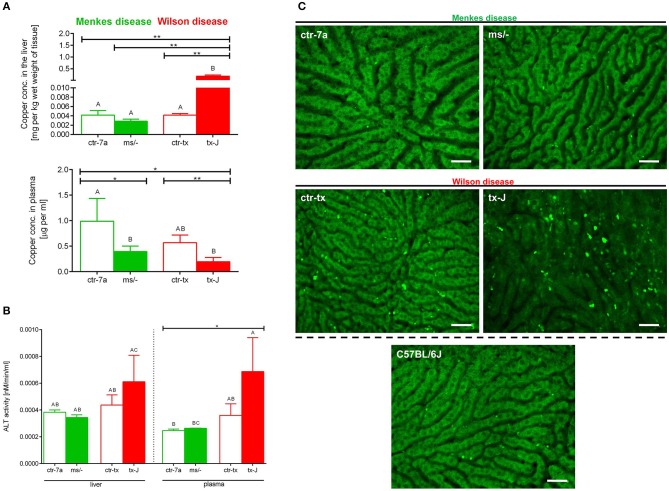
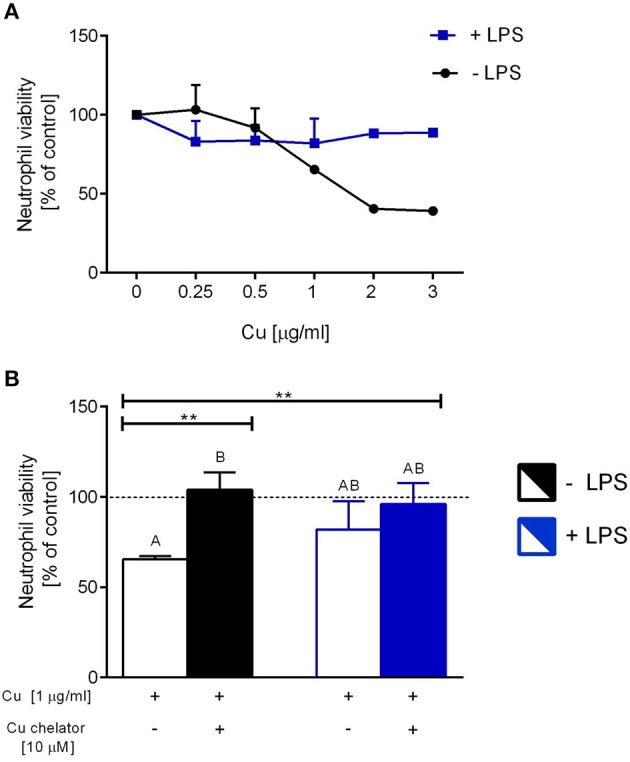
Neutrophil extracellular traps (NETs) contribute to pathological disorders, and their release was directly linked to numerous diseases. With intravital microscopy (IVM), we showed previously that NETs also contribute to the pathology of systemic inflammation and are strongly deposited in liver sinusoids. Over a decade since NET discovery, still not much is known about the metabolic or microenvironmental aspects of their formation. Copper is a vital trace element essential for many biological processes, albeit its excess is potentially cytotoxic; thus, copper levels are tightly controlled by factors such as copper transporting ATPases, ATP7A, and ATP7B. By employing IVM, we studied the impact of copper on NET formation during endotoxemia in liver vasculature on two mice models of copper excess or deficiency, Wilson (ATP7B mutants) and Menkes (ATP7A mutants) diseases, respectively. Here, we show that respective ATP7 mutations lead to diminished NET release during systemic inflammation despite unaltered intrinsic capacity of neutrophils to cast NETs as tested . In Menkes disease mice, the effect is mostly due to diminished neutrophil infiltration of the liver as unmutated mice with a subchronic copper deficiency release even more NETs than their controls during endotoxemia, whereas in Wilson disease mice, excess copper directly diminishes the capacity to release NETs, and this was further confirmed by studies on isolated neutrophils co-cultured with exogenous copper and a copper-chelating agent. Taken together, the study extends our understanding on how microenvironmental factors affect NET release by showing that copper is not a prerequisite for NET release but its excess affects the trap casting by neutrophils.
中性粒细胞胞外陷阱(NETs)参与病理性疾病,其释放与许多疾病直接相关。通过活体显微镜(IVM),我们之前表明,NETs 也有助于全身炎症的病理学,并在肝窦强烈沉积。自 NET 发现以来的十多年里,人们对其形成的代谢或微环境方面仍然知之甚少。铜是许多生物过程所必需的重要痕量元素,尽管其过量具有潜在的细胞毒性;因此,铜水平受铜转运 ATP 酶(ATP7A 和 ATP7B)等因素的严格控制。通过采用 IVM,我们研究了铜对肝脏血管内皮细胞内毒素血症期间 NET 形成的影响,分别在两种铜过量或缺乏的小鼠模型(Wilson 病(ATP7B 突变体)和 Menkes 病(ATP7A 突变体))上进行了研究。在这里,我们表明,尽管中性粒细胞形成 NET 的内在能力未改变,但各自的 ATP7 突变导致全身炎症期间 NET 释放减少。在 Menkes 病小鼠中,该效应主要是由于中性粒细胞对肝脏的浸润减少所致,因为未经突变的小鼠在亚慢性铜缺乏症期间释放的 NETs 甚至比其对照物在内毒素血症期间释放的更多,而在 Wilson 病小鼠中,过量的铜直接降低了释放 NETs 的能力,并且这通过与外源性铜和铜螯合剂共培养的分离中性粒细胞的研究得到了进一步证实。总之,该研究通过表明铜不是 NET 释放的必要条件,但其过量会影响中性粒细胞形成陷阱,扩展了我们对微环境因素如何影响 NET 释放的理解。