McClure Ryan, Sunkavalli Ashwini, Balzano Phillip M, Massari Paola, Cho Christine, Nauseef William M, Apicella Michael A, Genco Caroline A
Biological Sciences Division, Pacific Northwest National Laboratory, Richland, Washington, USA.
Department of Immunology, Tufts University School of Medicine, Boston, Massachusetts, USA.
mSystems. 2020 Feb 4;5(1):e00729-19. doi: 10.1128/mSystems.00729-19.
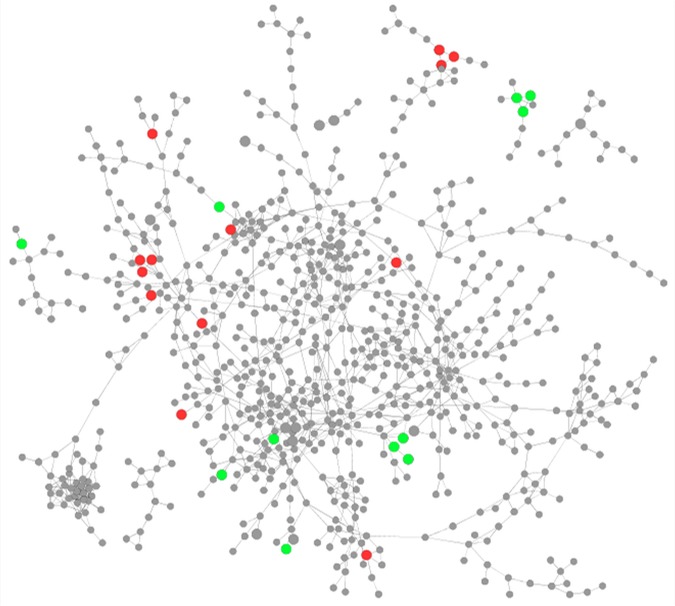
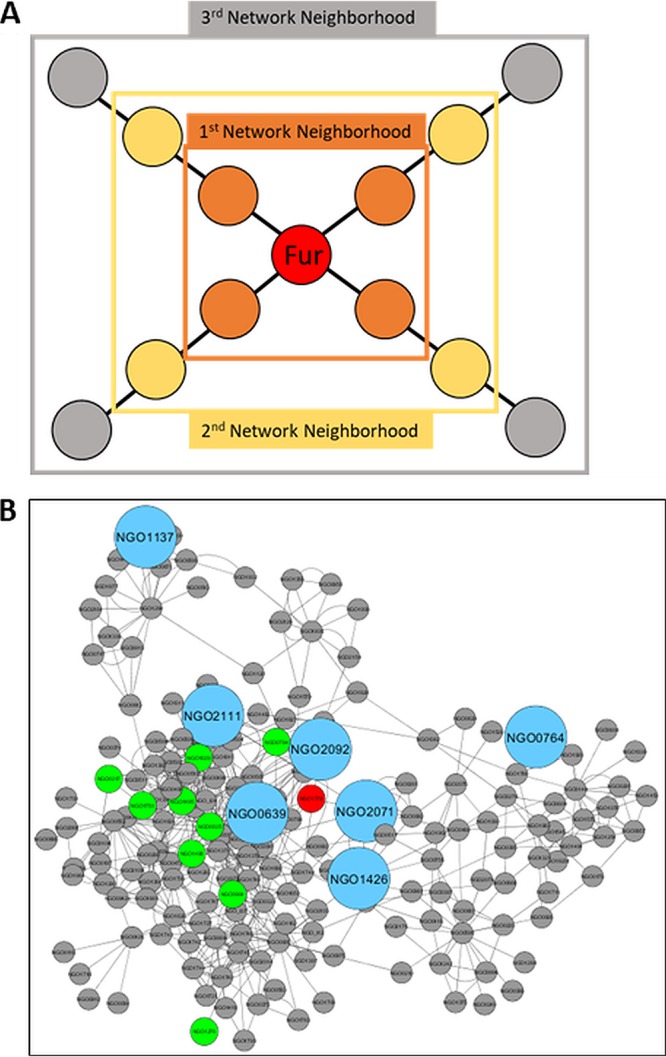
is a Gram-negative diplococcus that is responsible for the sexually transmitted infection gonorrhea, a high-morbidity disease in the United States and worldwide. Over the past several years, strains resistant to antibiotics used to treat this infection have begun to emerge across the globe. Thus, new treatment strategies are needed to combat this organism. Here, we utilized transcriptomic data sets, including those obtained from natural infection of the human genital tract, to infer the first global gene coexpression network of this pathogen. Interrogation of this network revealed genes central to the network that are likely critical for gonococcal growth, metabolism, and virulence, including genes encoding hypothetical proteins expressed during mucosal infection. In addition, network analysis revealed overlap in the response of to incubation with neutrophils and exposure to hydrogen peroxide stress Network analysis also identified new targets of the gonococcal global regulatory protein Fur, while examination of the network neighborhood of genes allowed us to assign additional putative categories to several proteins. Collectively, the characterization of the first gene coexpression network for described here has revealed new regulatory pathways and new categories for proteins and has shown how processes important to gonococcal infection in both men and women are linked. This information fills a critical gap in our understanding of virulence strategies of this obligate human pathogen and will aid in the development of new treatment strategies for gonorrhea. is the causative agent of the sexually transmitted infection (STI) gonorrhea, a disease with high morbidity worldwide with an estimated 87 million cases annually. Current therapeutic and pharmacologic approaches to treat gonorrhea have been compromised by increased antibiotic resistance worldwide, including to the most recent FDA-approved antibiotic. New treatment strategies are urgently needed to combat this organism. In this study, we used network analysis to interrogate and define the coordination of pathways and processes in An analysis of the gonococcal network was also used to assign categories to genes and to expand our understanding of regulatory strategies. Network analysis provides important insights into pathogenic mechanisms of this organism that will guide the design of new strategies for disease treatment.
是一种革兰氏阴性双球菌,可导致性传播感染淋病,这是一种在美国和全球发病率都很高的疾病。在过去几年中,对用于治疗这种感染的抗生素产生耐药性的菌株已开始在全球出现。因此,需要新的治疗策略来对抗这种病原体。在这里,我们利用转录组数据集,包括从人类生殖道自然感染中获得的数据集,来推断这种病原体的首个全局基因共表达网络。对该网络的研究揭示了网络中的核心基因,这些基因可能对淋球菌的生长、代谢和毒力至关重要,包括在黏膜感染期间表达的假定蛋白质编码基因。此外,网络分析揭示了淋球菌在与中性粒细胞孵育和暴露于过氧化氢应激时反应的重叠。网络分析还确定了淋球菌全局调节蛋白Fur的新靶点,而对基因网络邻域的研究使我们能够为几种蛋白质指定额外的假定类别。总体而言,这里描述的首个淋球菌基因共表达网络的特征揭示了新的调节途径和蛋白质的新类别,并展示了对男性和女性淋球菌感染都很重要的过程是如何联系在一起的。这些信息填补了我们对这种专性人类病原体毒力策略理解上的关键空白,并将有助于开发淋病的新治疗策略。淋病奈瑟菌是性传播感染淋病的病原体,这种疾病在全球发病率很高,估计每年有8700万例。目前治疗淋病的治疗和药理学方法因全球抗生素耐药性增加而受到影响,包括对美国食品药品监督管理局最近批准的抗生素的耐药性。迫切需要新的治疗策略来对抗这种病原体。在这项研究中,我们使用网络分析来探究和定义淋病奈瑟菌中途径和过程的协调。对淋球菌网络的分析还用于为基因分类,并扩展我们对调节策略的理解。网络分析为这种病原体的致病机制提供了重要见解,将指导疾病治疗新策略的设计。