Developmental Neurogenetics Laboratory, Department of Neurology, Baylor College of Medicine, One Baylor Plaza, Houston, TX 77030, USA.
Molecular and Human Genetics, Baylor College of Medicine, One Baylor Plaza, Houston, TX 77030, USA.
Dis Model Mech. 2020 Mar 30;13(3):dmm042515. doi: 10.1242/dmm.042515.
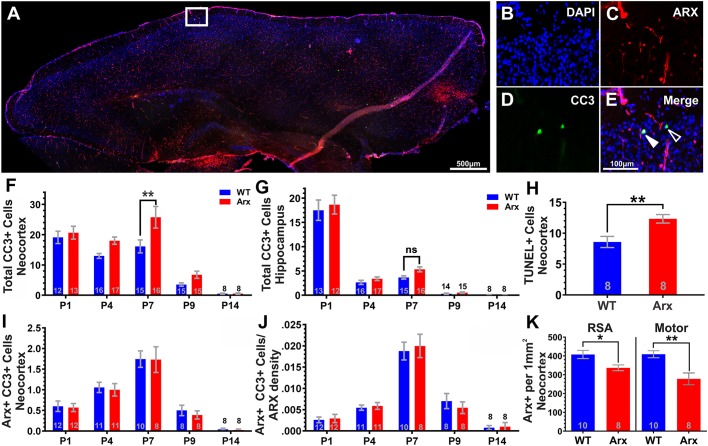
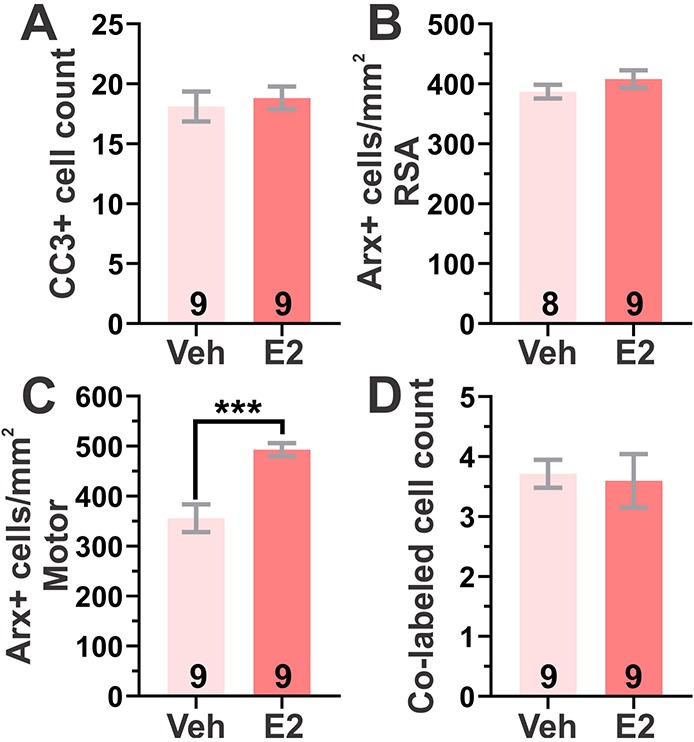
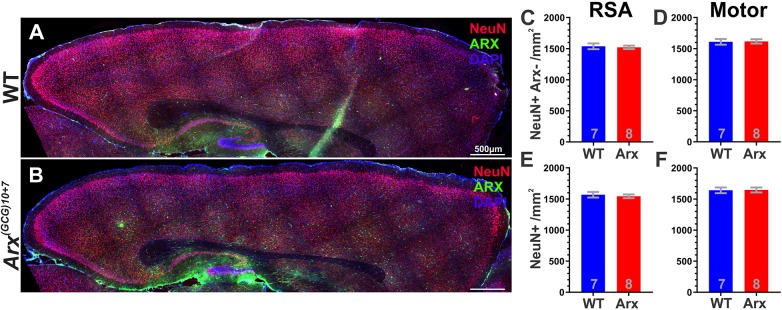
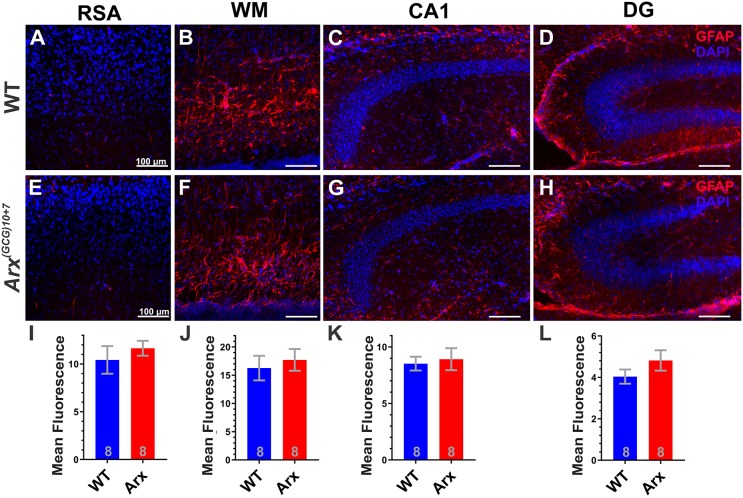
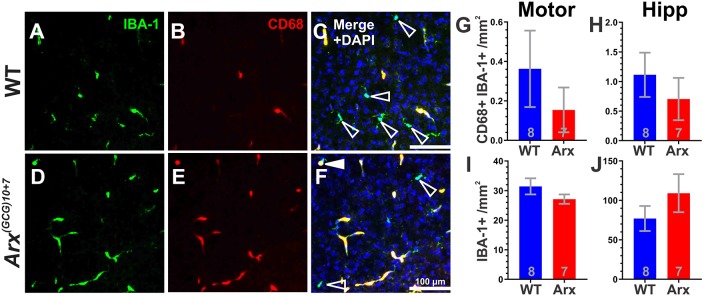
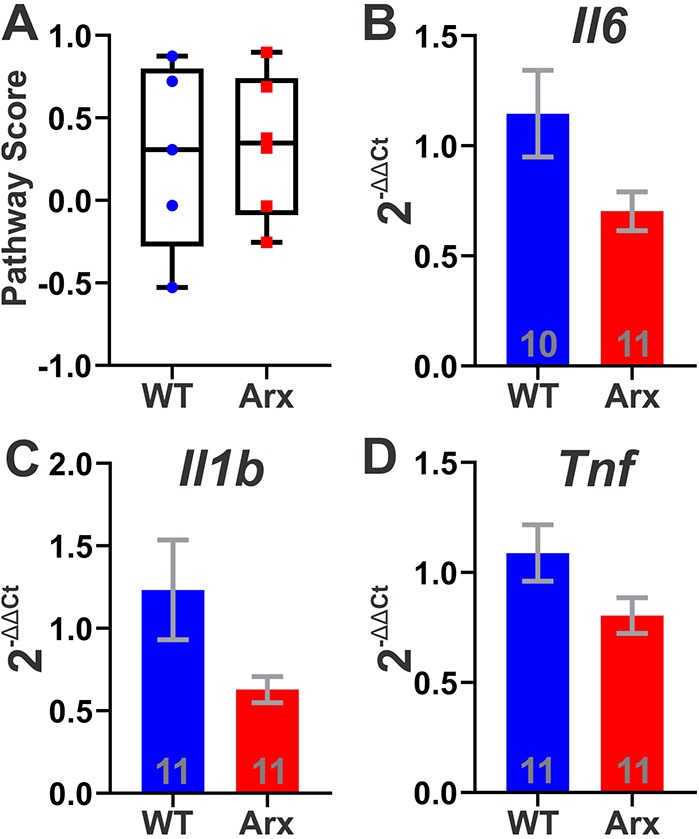
X-linked infantile spasms syndrome (ISSX) is a clinically devastating developmental epileptic encephalopathy with life-long impact. , a mouse model of the most common triplet-repeat expansion mutation of , exhibits neonatal spasms, electrographic phenotypes and abnormal migration of GABAergic interneuron subtypes. Neonatal presymptomatic treatment with 17β-estradiol (E2) in reduces spasms and modifies progression of epilepsy. Cortical pathology during this period, a crucial point for clinical intervention in ISSX, has largely been unexplored, and the pathogenic cellular defects that are targeted by early interventions are unknown. In the first postnatal week, we identified a transient wave of elevated apoptosis in mouse cortex that is non-Arx cell autonomous, since mutant Arx-immunoreactive (Arx) cells are not preferentially impacted by cell death. NeuN (also known as Rbfox3) survival was also not impacted, suggesting a vulnerable subpopulation in the immature cortex. Inflammatory processes during this period might explain this transient elevation in apoptosis; however, transcriptomic and immunohistochemical profiling of several markers of inflammation revealed no innate immune activation in cortex. Neither neonatal E2 hormone therapy, nor ACTH(1-24), the frontline clinical therapy for ISSX, diminished the augmented apoptosis in , but both rescued neocortical Arx cell density. Since early E2 treatment effectively prevents seizures in this model, enhanced apoptosis does not solely account for the seizure phenotype, but may contribute to other aberrant brain function in ISSX. However, since both hormone therapies, E2 and ACTH(1-24), elevate the density of cortical Arx-interneurons, their early therapeutic role in other neurological disorders hallmarked by interneuronopathy should be explored.This article has an associated First Person interview with the first author of the paper.
X 连锁婴儿痉挛综合征(ISSX)是一种具有终身影响的临床破坏性发育性癫痫性脑病。 ,一种最常见的三核苷酸重复扩展突变的小鼠模型,表现出新生儿痉挛、脑电图表型和 GABA 能中间神经元亚型的异常迁移。在 新生儿前症状期用 17β-雌二醇(E2)治疗可减少痉挛并改变癫痫的进展。在此期间皮质病理学,ISSX 临床干预的关键点,在很大程度上尚未得到探索,并且早期干预针对的致病细胞缺陷尚不清楚。在出生后的第一周,我们在 小鼠皮层中鉴定出一个短暂的凋亡波,该波是非 Arx 细胞自主的,因为突变的 Arx 免疫反应性(Arx)细胞不受细胞死亡的优先影响。神经元核(也称为 Rbfox3)的存活也没有受到影响,这表明不成熟 皮层中有一个脆弱的亚群。在此期间的炎症过程可能解释了这种短暂的凋亡升高;然而,几种炎症标志物的转录组和免疫组织化学分析并未显示 皮层固有免疫激活。新生儿 E2 激素治疗,也没有 ACTH(1-24),ISSX 的一线临床治疗,都没有减少 中的增强凋亡,但两者都挽救了新皮层 Arx 细胞密度。由于早期 E2 治疗可有效预防该模型中的癫痫发作,因此增强的凋亡并不能完全解释癫痫发作表型,但可能导致 ISSX 中的其他异常大脑功能。然而,由于两种激素治疗,E2 和 ACTH(1-24),都会增加皮质 Arx 中间神经元的密度,它们在其他以中间神经元病为特征的神经发育障碍中的早期治疗作用应该得到探索。本文附有该论文第一作者的第一人称采访。