Department of Gastrointestinal Surgery, Shaoxing People's Hospital, Shaoxing Hospital of Zhejiang University, Shaoxing, Zhejiang Province, China.
Department of radiology, Shaoxing People's Hospital, Shaoxing Hospital of Zhejiang University, Shaoxing, Zhejiang Province, China.
J Clin Pathol. 2020 Sep;73(9):579-586. doi: 10.1136/jclinpath-2019-206400. Epub 2020 Feb 7.
Gastric cancer is one of the leading causes for cancer mortality. Recent studies have defined the landscape of genomic alterations of gastric cancer and their association with clinical outcomes. However, the pathogenesis of gastric cancer has not been completely characterised.
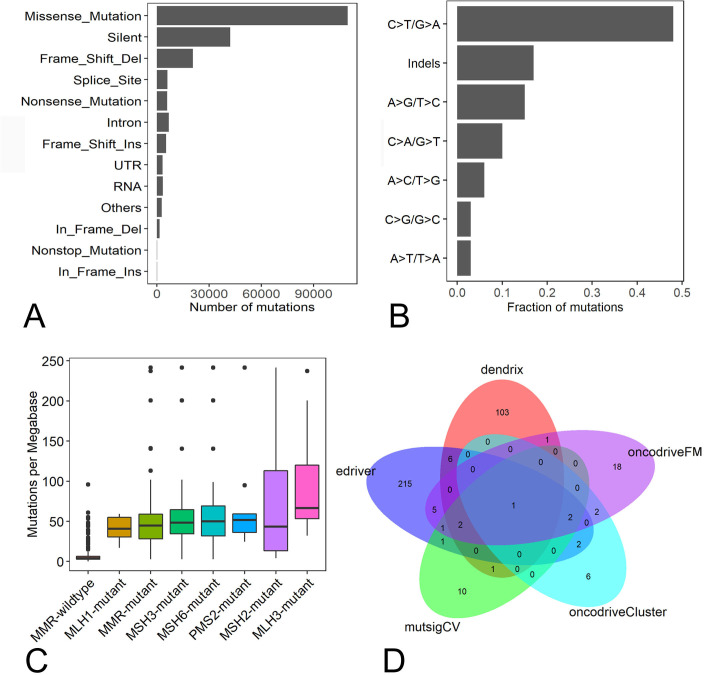
Driver genes were detected by five computational tools, MutSigCV, OncodriveCLUST, OncodriveFM, dendrix and edriver, using mutation data of stomach adenocarcinoma (STAD) from the cancer genome altas database, followed by an integrative investigation.
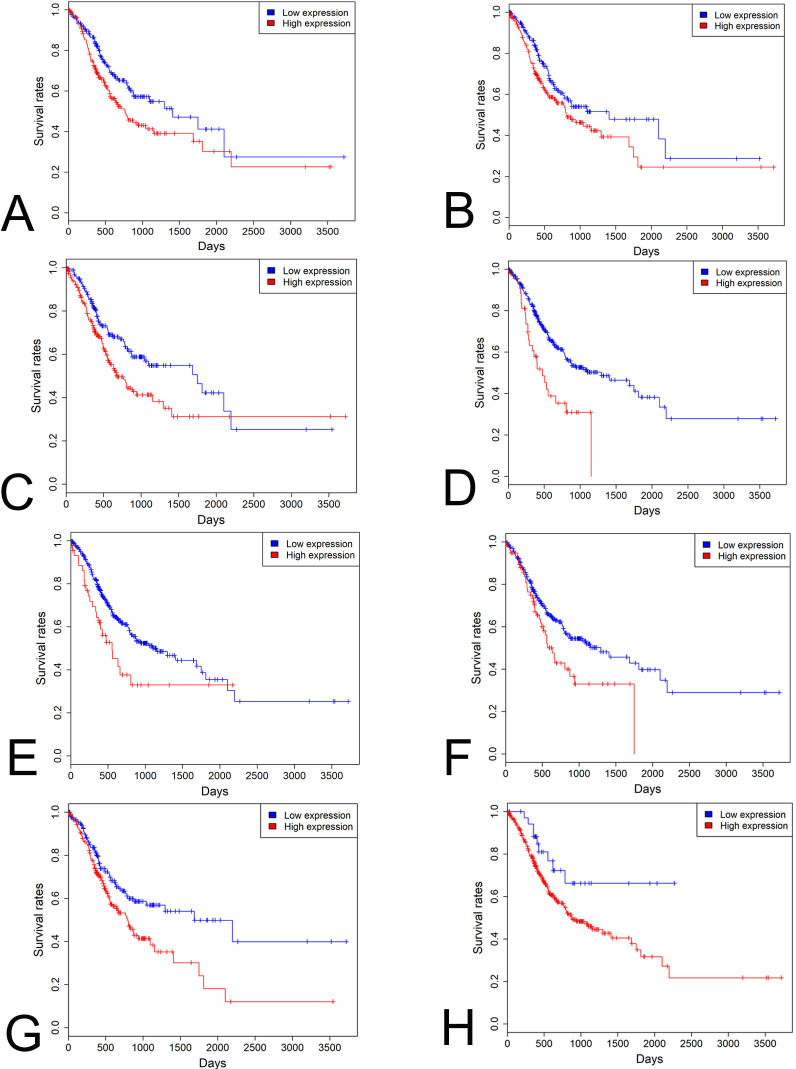
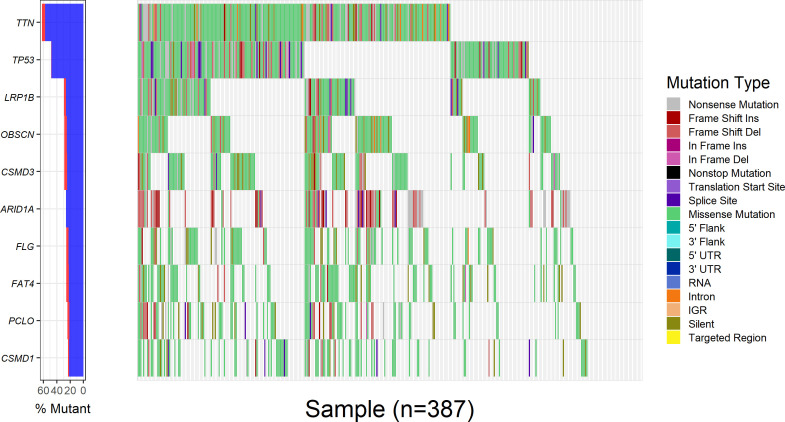
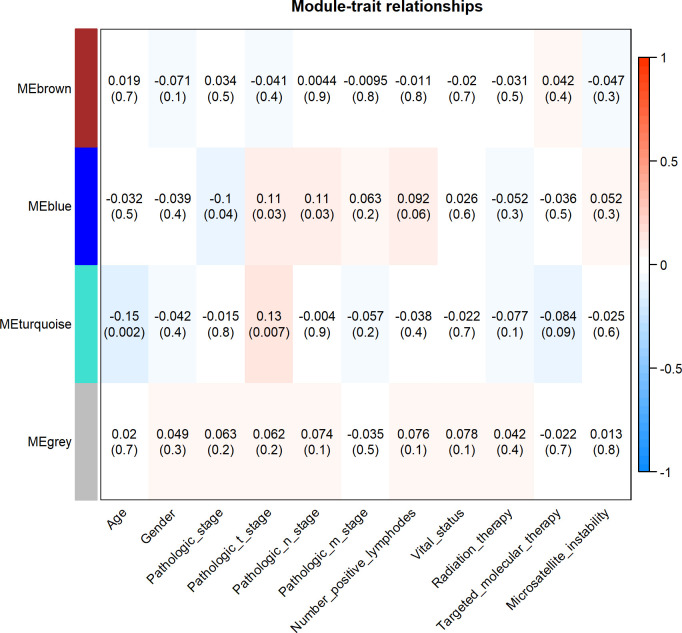
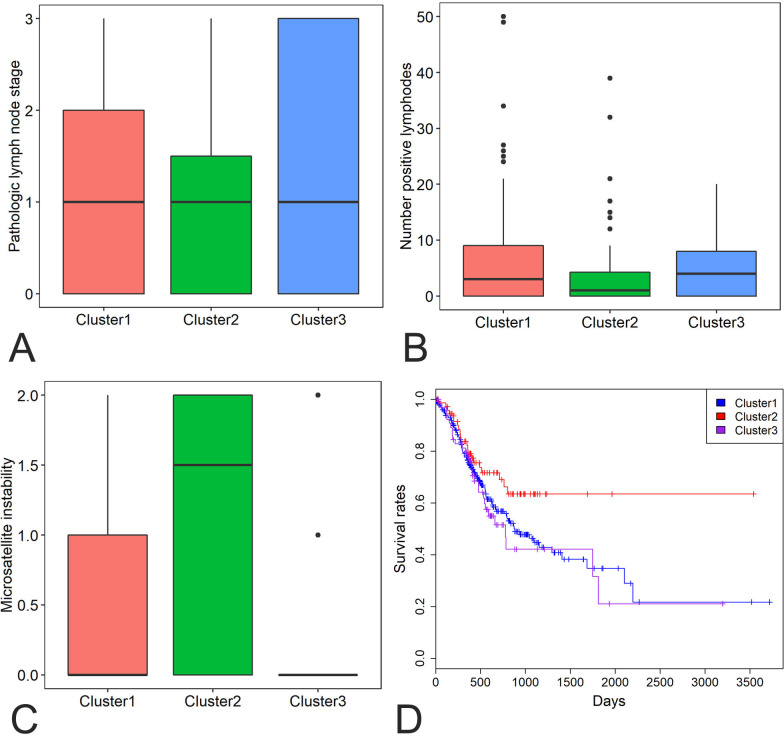
and were the 10 most frequently mutated genes. and were the top five hub genes of the blue coexpression module positively correlated with pathological tumour stage and lymph node stage (p values <0.05 for all cases). Hierarchical clustering analysis of copy number variations of driver genes revealed three subgroups of STAD patients, and cluster 2 tumours were significantly associated with lower lymph node stage, less number of positive lymph nodes and higher microsatellite instability and better overall survival than cluster 1 and cluster 3 tumours (p values <0.05 for all cases, Wilcoxon rank-sum test or log rank test). High expression in one or more of and genes was associated with increased mortality (p values <0.05 for all cases, log rank test).
The driver genes shed insights into the tumourigenesis of gastric cancer and the genes and pave the way for developing prognostic biomarkers for the disease.
胃癌是癌症死亡的主要原因之一。最近的研究已经确定了胃癌基因组改变的特征及其与临床结果的关联。然而,胃癌的发病机制尚未完全阐明。
使用癌症基因组图谱数据库中胃腺癌(STAD)的突变数据,通过五个计算工具(MutSigCV、OncodriveCLUST、OncodriveFM、dendrix 和 edriver)检测驱动基因,然后进行综合研究。
在 STAD 样本中, 、 、 、 和 是最常突变的 10 个基因。 、 、 、 和 是与病理肿瘤分期和淋巴结分期呈正相关的蓝色共表达模块的前 5 个枢纽基因(所有情况下的 p 值均<0.05)。驱动基因拷贝数变异的层次聚类分析显示,STAD 患者分为 3 个亚组,与聚类 1 和聚类 3 相比,聚类 2 肿瘤的淋巴结分期较低、阳性淋巴结数量较少、微卫星不稳定性较高、总生存率较好(所有情况下的 p 值均<0.05,Wilcoxon 秩和检验或对数秩检验)。一个或多个 、 基因的高表达与死亡率增加相关(所有情况下的 p 值均<0.05,对数秩检验)。
这些驱动基因揭示了胃癌的肿瘤发生机制,而 、 基因为开发疾病的预后生物标志物铺平了道路。