Nuffield Department of Orthopaedics, Rheumatology and Musculoskeletal Sciences, University of Oxford, Oxford, UK.
Leeds Teaching Hospitals NHS Trust, Leeds, UK.
Knee Surg Sports Traumatol Arthrosc. 2020 Dec;28(12):3926-3934. doi: 10.1007/s00167-020-05861-5. Epub 2020 Feb 10.
The purpose of this study was to understand why the revision rate of unicompartmental knee replacement (UKR) in the National Joint Registry (NJR) is so high. Using radiographs, the appropriateness of patient selection for primary surgery, surgical technique, and indications for revision were determined. In addition, the alignment of the radiographs was assessed.
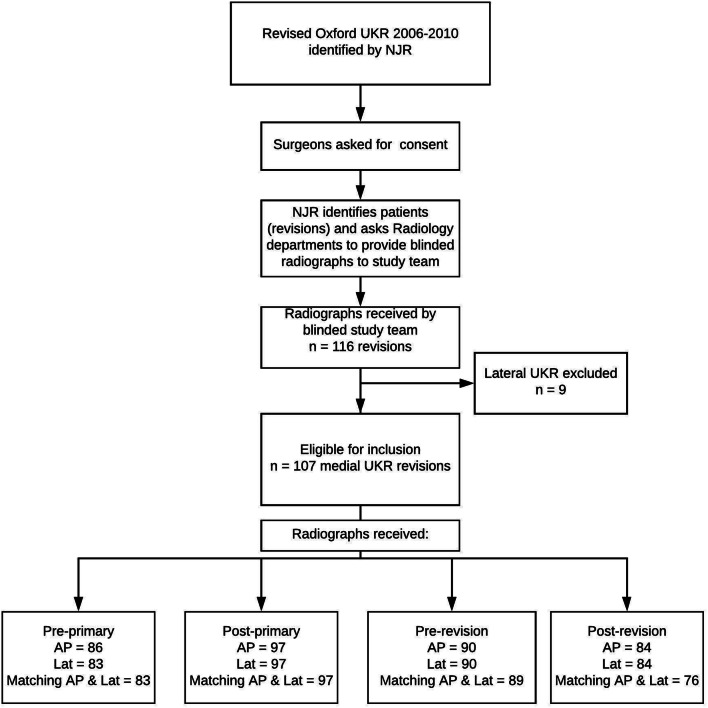
Oxford UKR registered with the NJR between 2006 and 2010 and subsequently revised were identified by the NJR. A blinded review was undertaken of pre-primary, post-primary, and pre-revision anteroposterior and lateral radiographs of a sample of 107 cases from multiple centres.
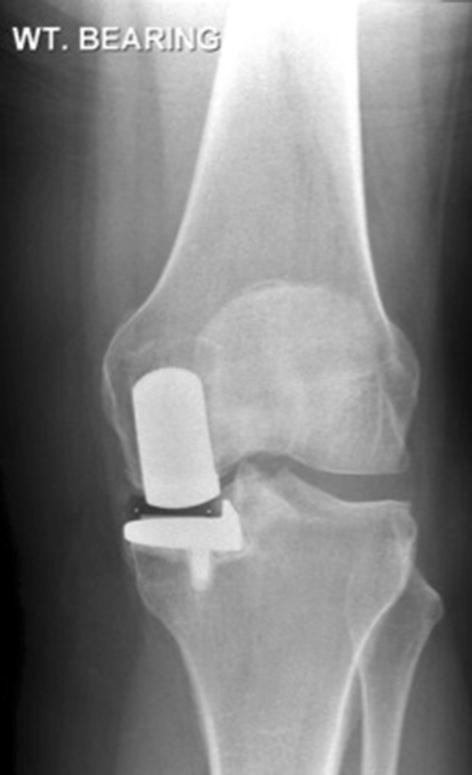
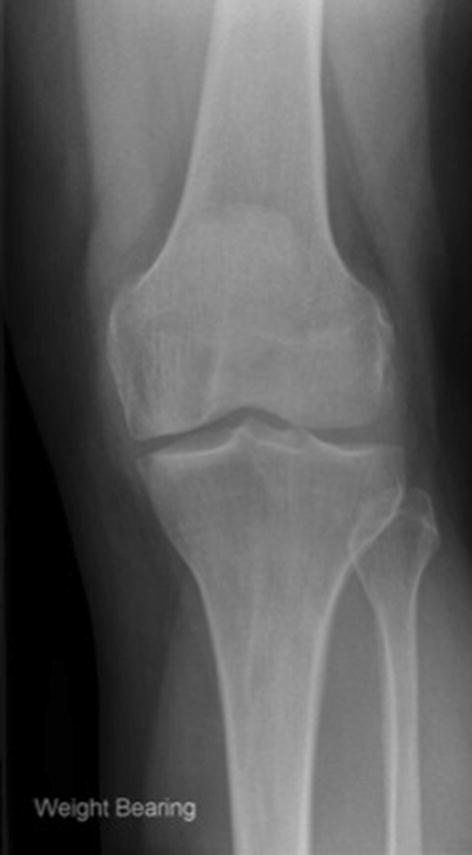
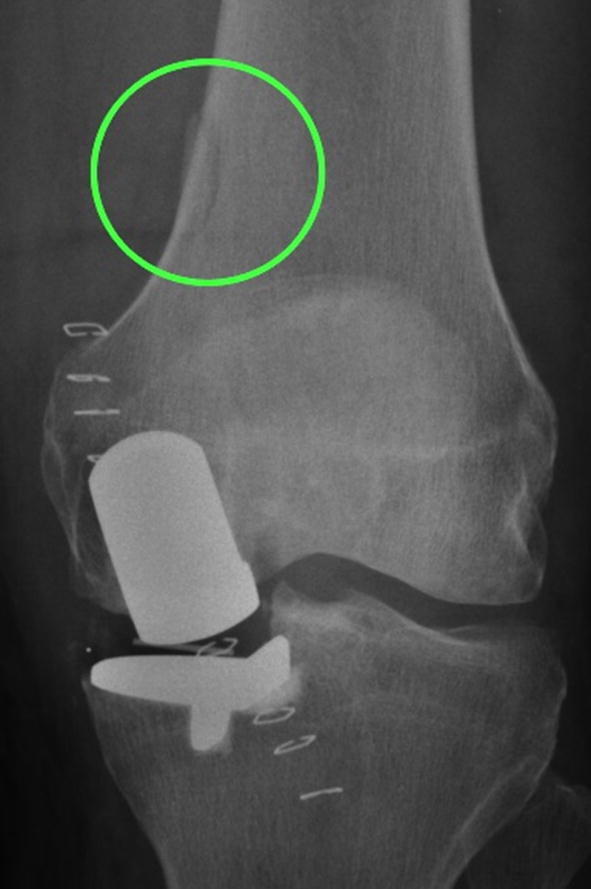
The recommended indications were satisfied in 70%, with 29% not demonstrating bone-on-bone arthritis. Major technical errors, likely leading to revision, were seen in 6%. Pre-revision radiographs were malaligned and, therefore, difficult to interpret in 53%. No reason for revision was seen in 67%. Reasons for revision included lateral compartment arthritis (10%), tibial loosening (7%), bearing dislocation (7%), infection (6%), femoral loosening (3%), and peri-prosthetic fracture (2%, one femoral, one tibial).
Only 20% of the revised UKR were implanted for the recommended indications, using appropriate surgical technique and had a mechanical problem necessitating revision. One-third of primary surgeries were undertaken in patients with early arthritis, which is contraindicated. Two-thirds were presumably revised for unexplained pain, which is not advised as it tends not to help the pain. This study suggests that variable and inappropriate indications for primary and revision surgery are responsible for the high rates of revision seen in registries.
III, Therapeutic study.
本研究旨在了解为什么国家关节登记处(NJR)中膝关节单髁置换术(UKR)的翻修率如此之高。通过 X 光片,确定了初次手术、手术技术和翻修适应证的患者选择的适宜性,并评估了 X 光片的准线。
通过 NJR,确定了在 2006 年至 2010 年间在牛津 UKR 登记并随后进行翻修的患者。对来自多个中心的 107 例样本的术前、术后和术前翻修前后的正位和侧位 X 光片进行了盲法审查。
推荐的适应证在 70%的病例中得到满足,29%的病例没有表现出骨对骨关节炎。在 6%的病例中发现了可能导致翻修的主要技术错误。53%的术前 X 光片存在准线不良,因此难以解释。在 67%的病例中没有发现翻修的原因。翻修的原因包括外侧间室关节炎(10%)、胫骨松动(7%)、轴承脱位(7%)、感染(6%)、股骨松动(3%)和假体周围骨折(2%,1 例股骨,1 例胫骨)。
只有 20%的翻修 UKR 是按照推荐的适应证、使用适当的手术技术并出现需要翻修的机械问题而植入的。三分之一的初次手术是在早期关节炎患者中进行的,这是禁忌的。三分之二的手术可能是因为不明原因的疼痛而进行的,这是不建议的,因为它往往无助于缓解疼痛。本研究表明,初次手术和翻修手术的适应证存在差异且不适当,是导致登记处中翻修率较高的原因。
III 级,治疗性研究。