Sakhr Khaula, El Khatib Sami
Department of Food Sciences and Technology, School of Arts and Sciences, Lebanese International University, Al Khiyara, West Bekaa, Lebanon.
Heliyon. 2020 Jan 27;6(1):e03207. doi: 10.1016/j.heliyon.2020.e03207. eCollection 2020 Jan.
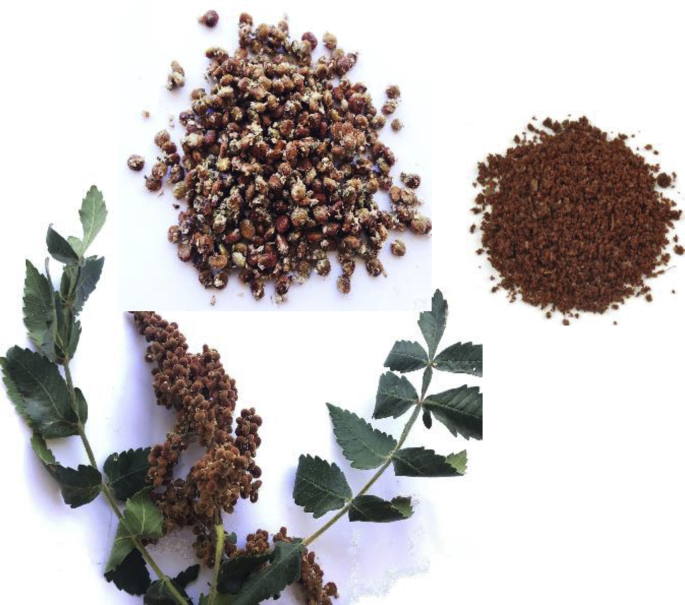
Syrian Sumac, scientifically defined as , is a commonly used spice powder in the Middle East. has been shown to contain numerous compounds that have a substantial role in the food industry and in homeopathic therapy. From the retardation of oxidative processes to the treatment of fungal and bacterial infections and many more, these compounds are of great importance in improving human health and economy.
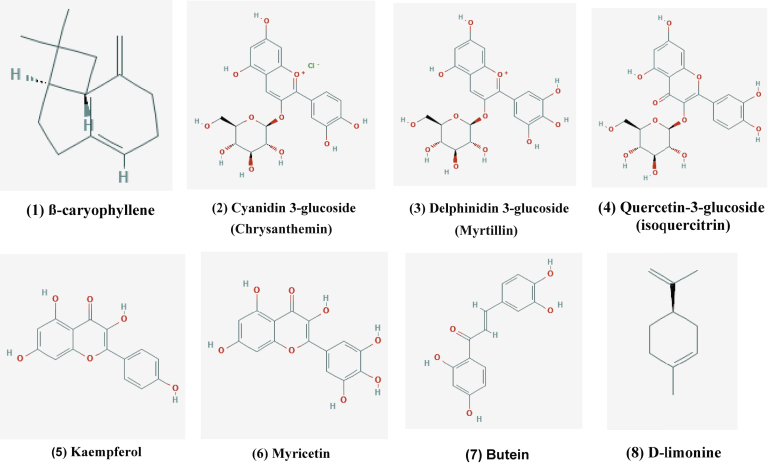
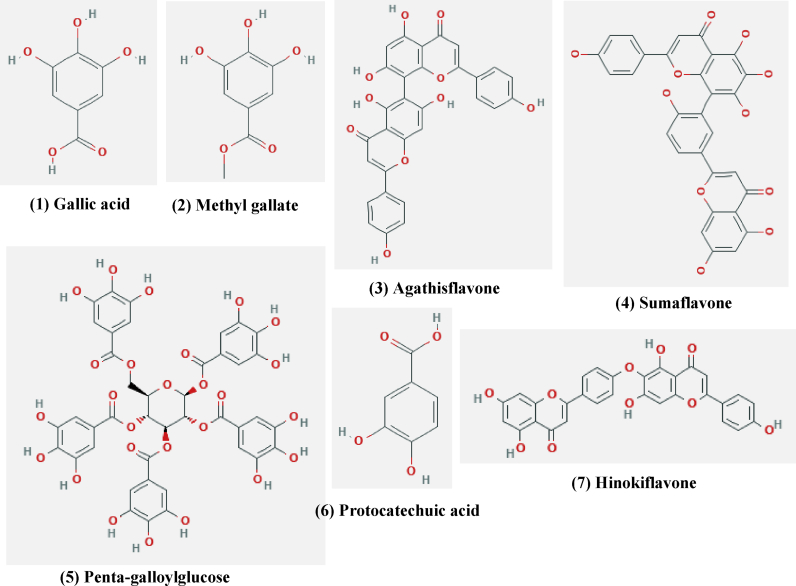
Several studies have been done to explore the benefits and potential uses of . In the following review, the relevant phytochemical and biological research available on have been explored. A comprehensive account of its healing activity is shown. Also presented are its phytochemical components which have medicinal, nutritional and industrial significance.
Sumac has been studied for its use as an antibacterial, antioxidant, colorant, food and animal feed supplement, steel inhibitor in sea water and much more. Its antibacterial, antifungal and antioxidant properties make it a great and versatile tool to be used in the food industry, where it can be used as an efficient food preservative and natural, harmless food additive.
叙利亚漆树,科学上定义为 ,是中东地区常用的一种香料粉。已证明 含有多种化合物,这些化合物在食品工业和顺势疗法中发挥着重要作用。从延缓氧化过程到治疗真菌和细菌感染等等,这些化合物在改善人类健康和经济方面具有重要意义。
已经开展了多项研究来探索 的益处和潜在用途。在以下综述中,对现有的关于 的相关植物化学和生物学研究进行了探讨。展示了其愈合活性的全面描述。还介绍了其具有药用、营养和工业意义的植物化学成分。
漆树已被研究用于抗菌、抗氧化、着色、食品和动物饲料补充、海水中的钢铁缓蚀剂等等。其抗菌、抗真菌和抗氧化特性使其成为食品工业中一种出色且用途广泛的工具,可作为高效的食品防腐剂和天然无害的食品添加剂。