Hemilä Harri, Chalker Elizabeth
1Department of Public Health, University of Helsinki, POB 41, FI-00014 Helsinki, Finland.
2University of Sydney, Sydney, Australia.
J Intensive Care. 2020 Feb 7;8:15. doi: 10.1186/s40560-020-0432-y. eCollection 2020.
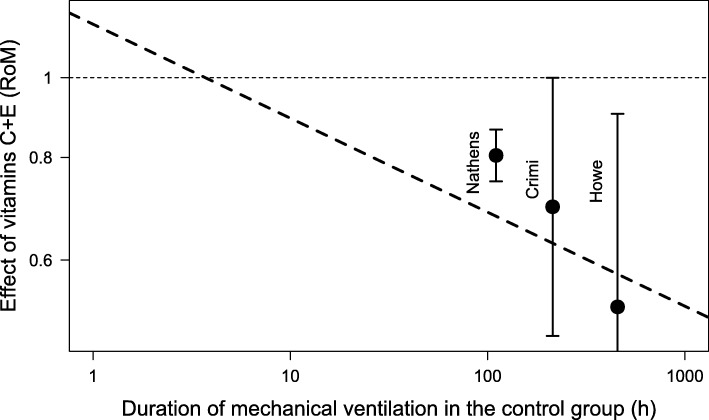
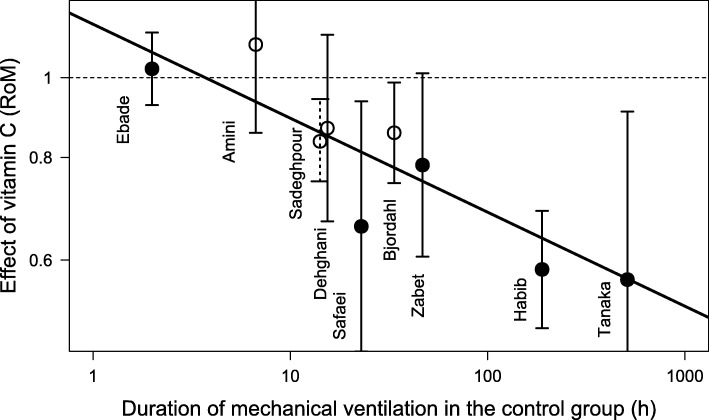
Our recent meta-analysis indicated that vitamin C may shorten the length of ICU stay and the duration of mechanical ventilation. Here we analyze modification of the vitamin C effect on ventilation time, by the control group ventilation time (which we used as a proxy for severity of disease in the patients of each trial).
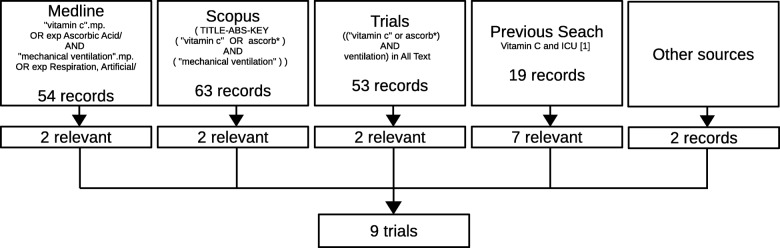
We searched MEDLINE, Scopus, and the Cochrane Central Register of Controlled Trials and reference lists of relevant publications. We included controlled trials in which the administration of vitamin C was the only difference between the study groups. We did not limit our search to randomized trials and did not require placebo control. We included all doses and all durations of vitamin C administration. One author extracted study characteristics and outcomes from the trial reports and entered the data in a spreadsheet. Both authors checked the data entered against the original reports. We used meta-regression to examine whether the vitamin C effect on ventilation time depends on the duration of ventilation in the control group.
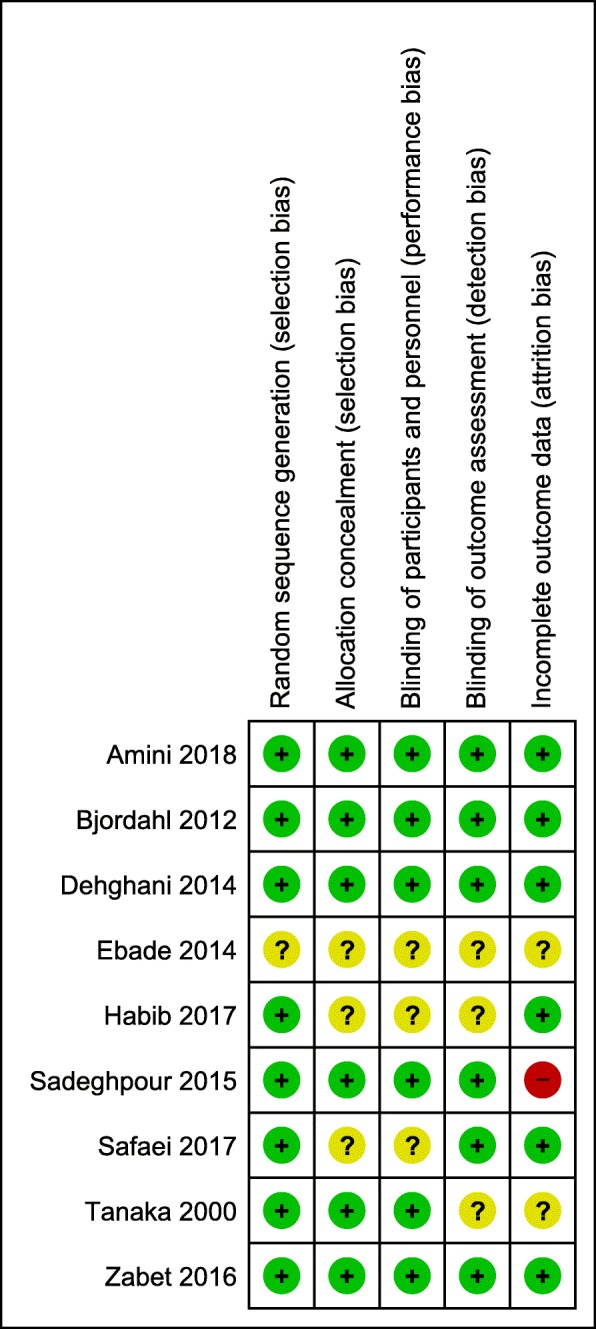
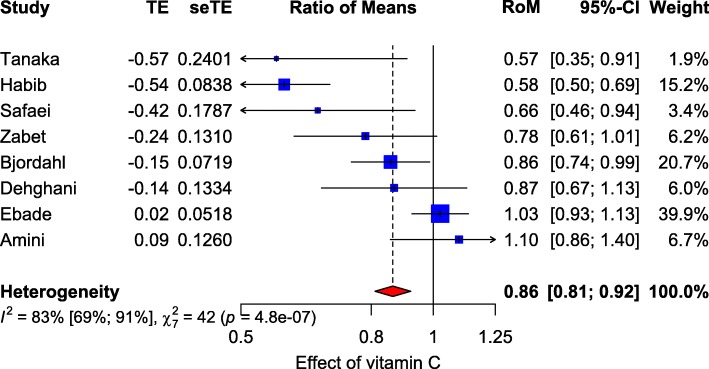
We identified nine potentially eligible trials, eight of which were included in the meta-analysis. We pooled the results of the eight trials, including 685 patients in total, and found that vitamin C shortened the length of mechanical ventilation on average by 14% ( = 0.00001). However, there was significant heterogeneity in the effect of vitamin C between the trials. Heterogeneity was fully explained by the ventilation time in the untreated control group. Vitamin C was most beneficial for patients with the longest ventilation, corresponding to the most severely ill patients. In five trials including 471 patients requiring ventilation for over 10 h, a dosage of 1-6 g/day of vitamin C shortened ventilation time on average by 25% ( < 0.0001).
We found strong evidence that vitamin C shortens the duration of mechanical ventilation, but the magnitude of the effect seems to depend on the duration of ventilation in the untreated control group. The level of baseline illness severity should be considered in further research. Different doses should be compared directly in future trials.
我们最近的荟萃分析表明,维生素C可能会缩短重症监护病房(ICU)住院时间和机械通气持续时间。在此,我们通过对照组通气时间(我们将其用作每个试验中患者疾病严重程度的替代指标)来分析维生素C对通气时间影响的修正情况。
我们检索了MEDLINE、Scopus以及Cochrane对照试验中央注册库和相关出版物的参考文献列表。我们纳入了那些研究组之间唯一差异是维生素C给药情况的对照试验。我们的检索不限于随机试验,也不要求有安慰剂对照。我们纳入了所有维生素C给药剂量和给药持续时间。一位作者从试验报告中提取研究特征和结果,并将数据录入电子表格。两位作者对照原始报告检查录入的数据。我们使用荟萃回归分析来检验维生素C对通气时间的影响是否取决于对照组的通气持续时间。
我们识别出9项可能符合条件的试验,其中8项纳入了荟萃分析。我们汇总了这8项试验的结果,总共包括685例患者,发现维生素C平均缩短了14%的机械通气时间( = 0.00001)。然而,试验之间维生素C的效果存在显著异质性。未治疗对照组的通气时间完全解释了这种异质性。维生素C对通气时间最长的患者(即病情最严重的患者)最为有益。在5项包括471例需要通气超过10小时的患者的试验中,每天1 - 6克的维生素C剂量平均缩短了25%的通气时间( < 0.0001)。
我们发现有力证据表明维生素C可缩短机械通气持续时间,但效果大小似乎取决于未治疗对照组的通气持续时间。在进一步研究中应考虑基线疾病严重程度水平。未来试验中应直接比较不同剂量。