Department of Radiation Oncology, Houston Methodist Research Institute, Houston, Texas 77030, United States.
Institute of Biosciences and Technology, Texas A&M Health Science Center, Houston, Texas 77030, United States.
ACS Nano. 2020 Mar 24;14(3):2827-2846. doi: 10.1021/acsnano.9b05821. Epub 2020 Feb 21.
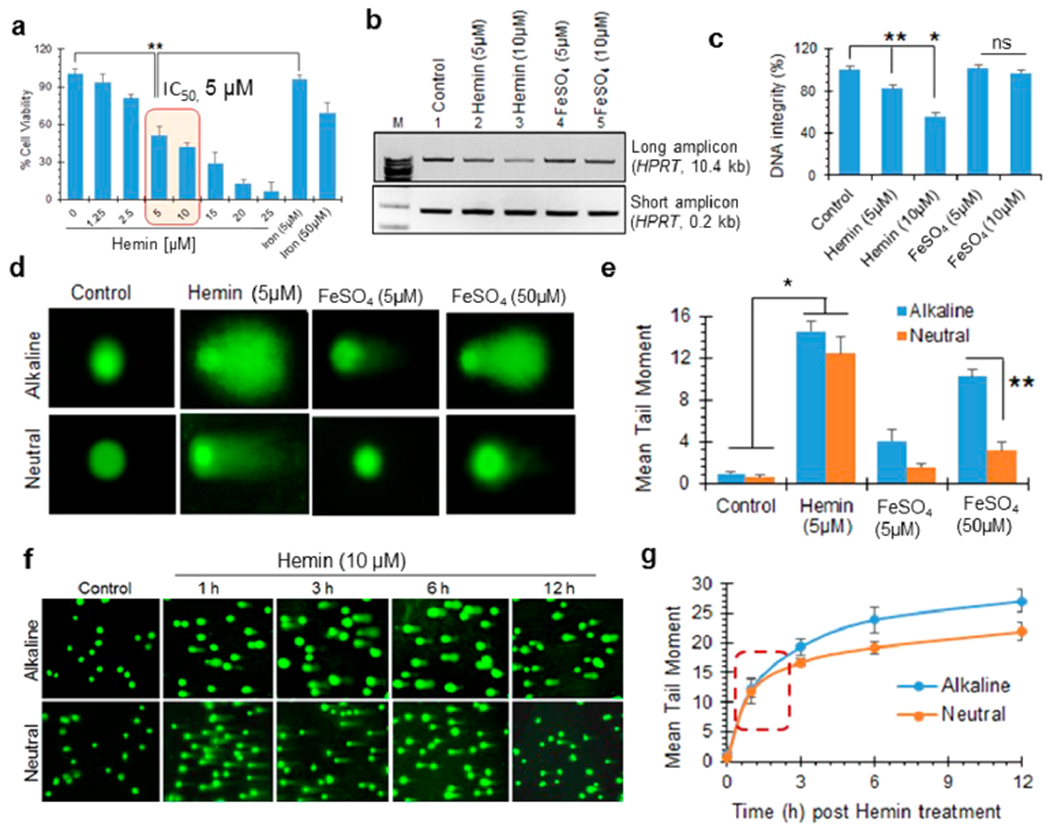
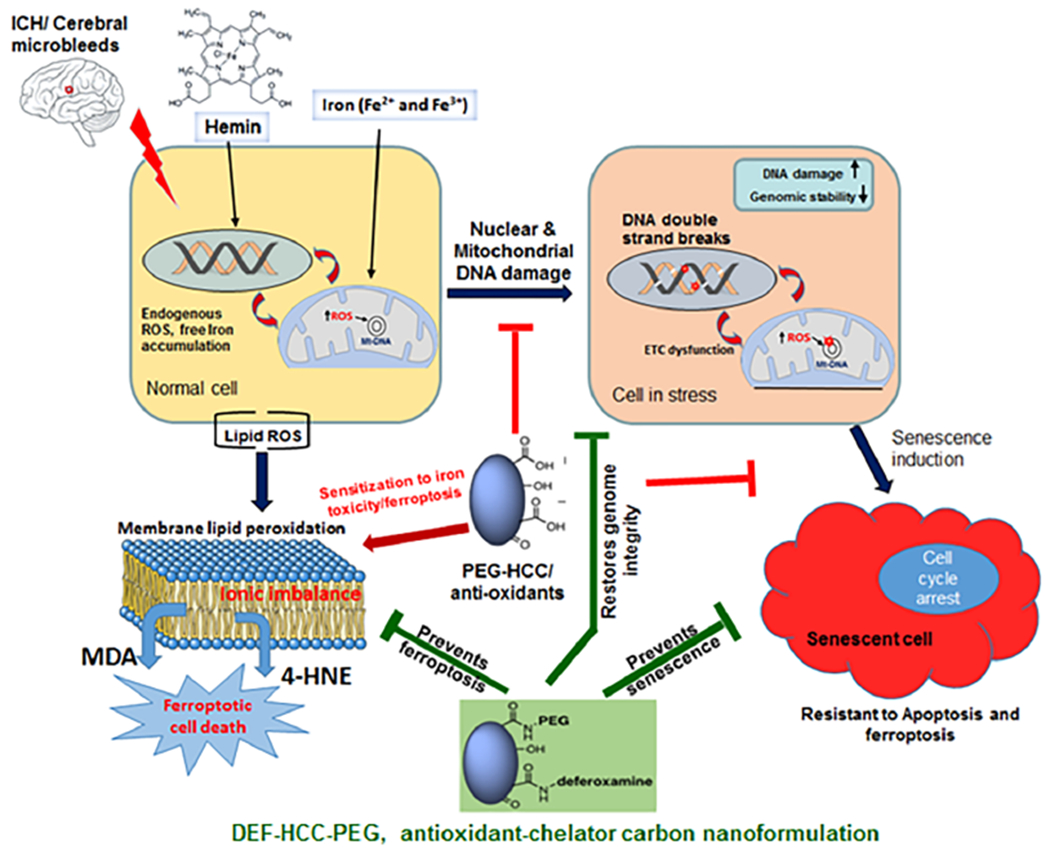
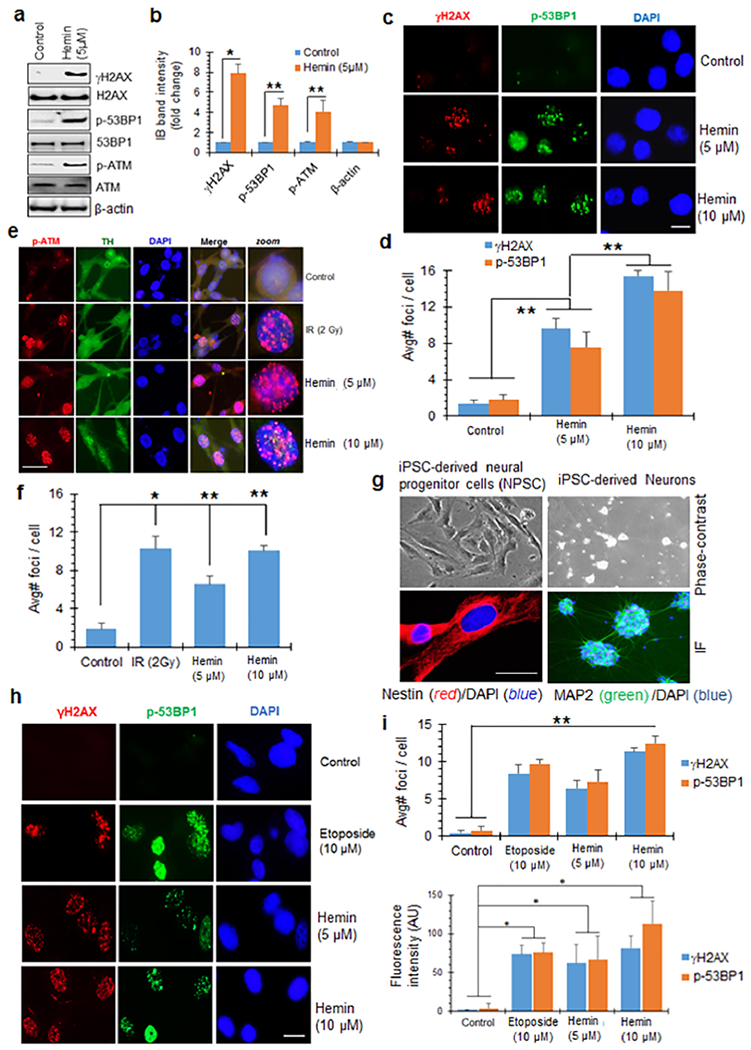
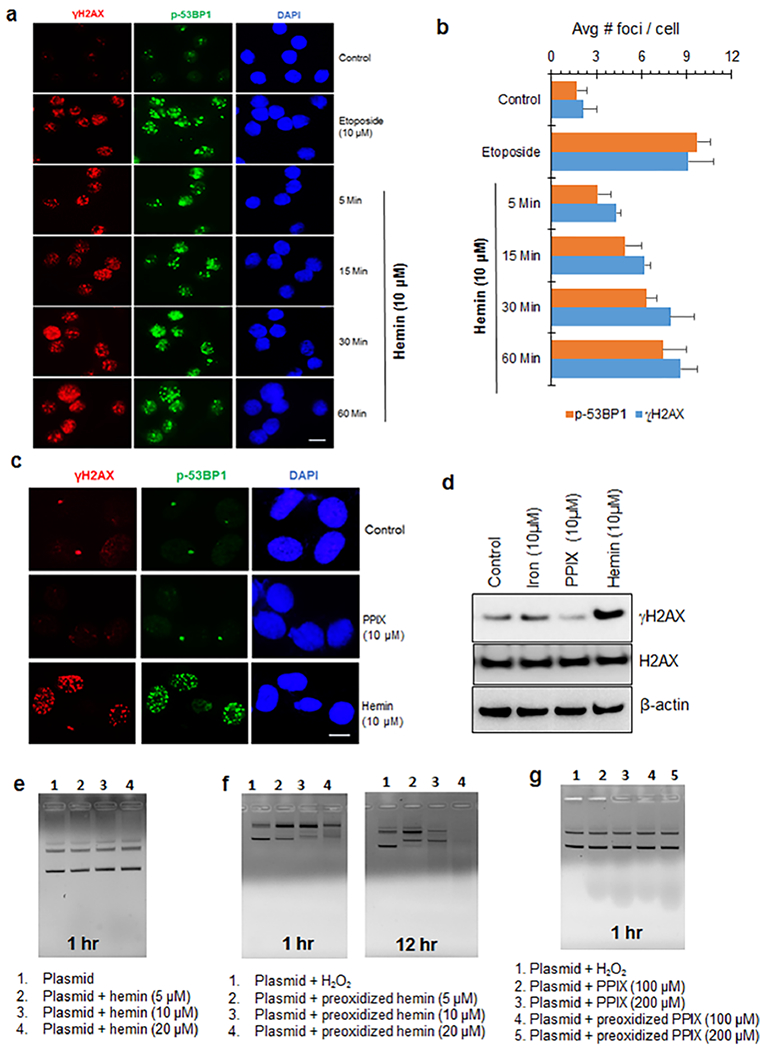
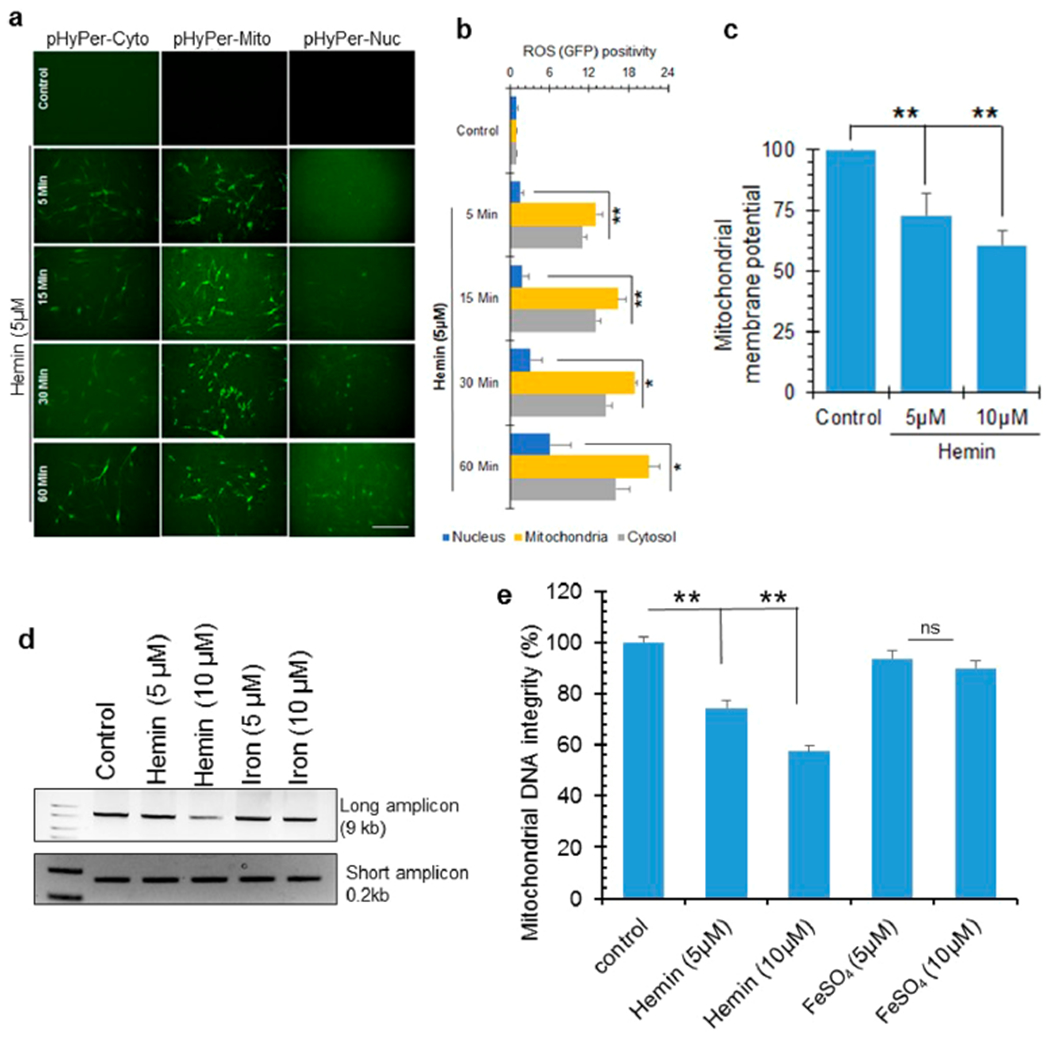
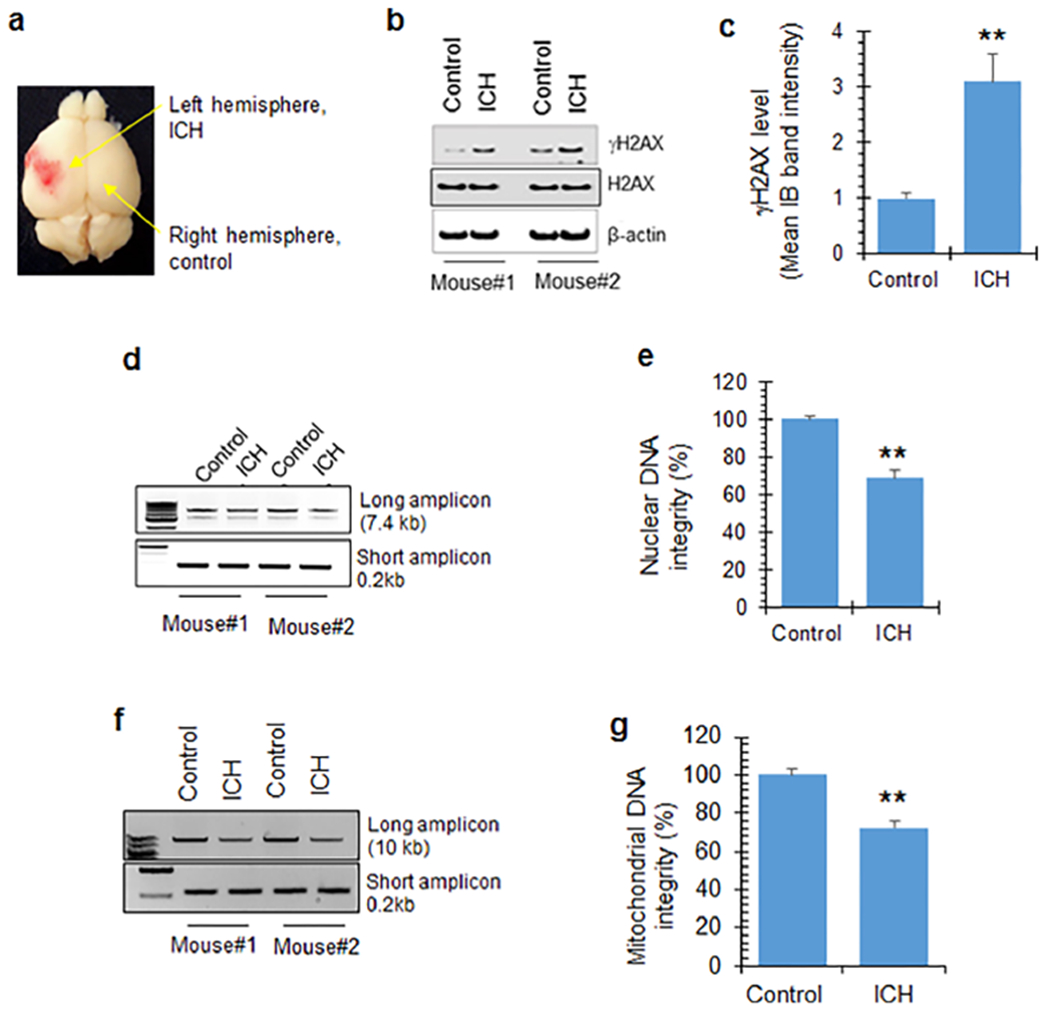
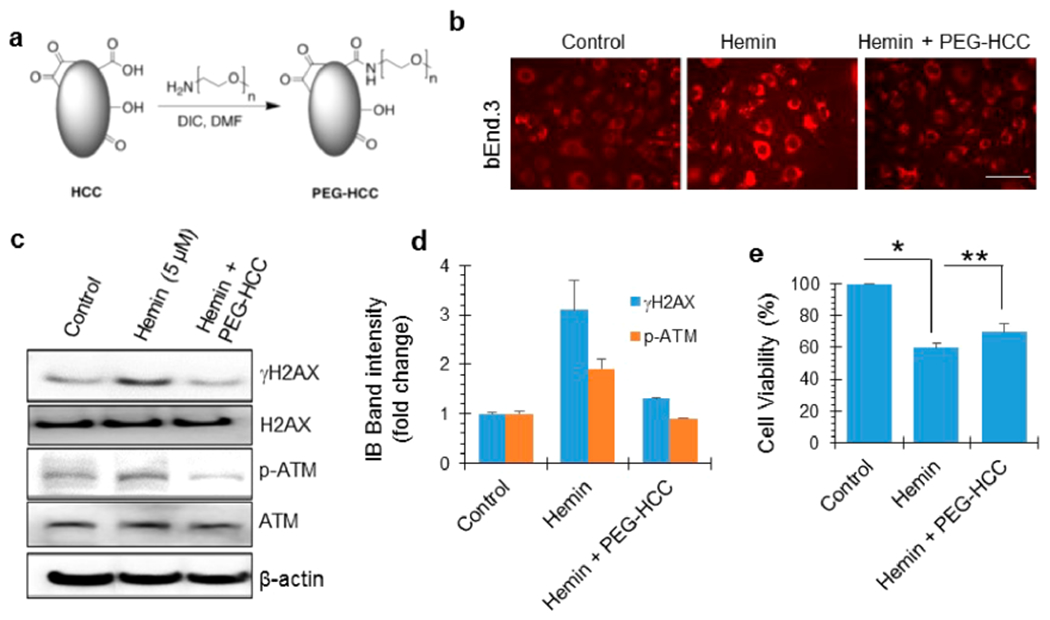
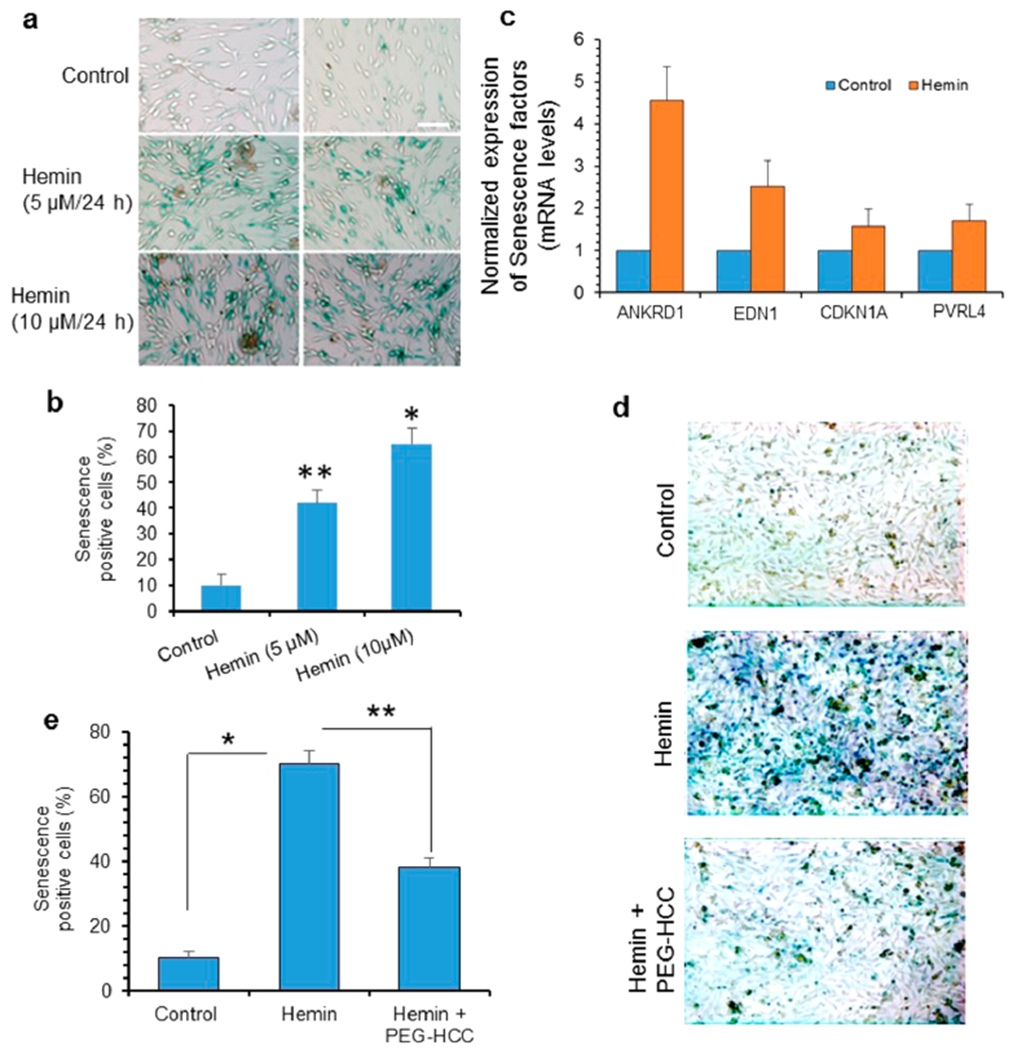
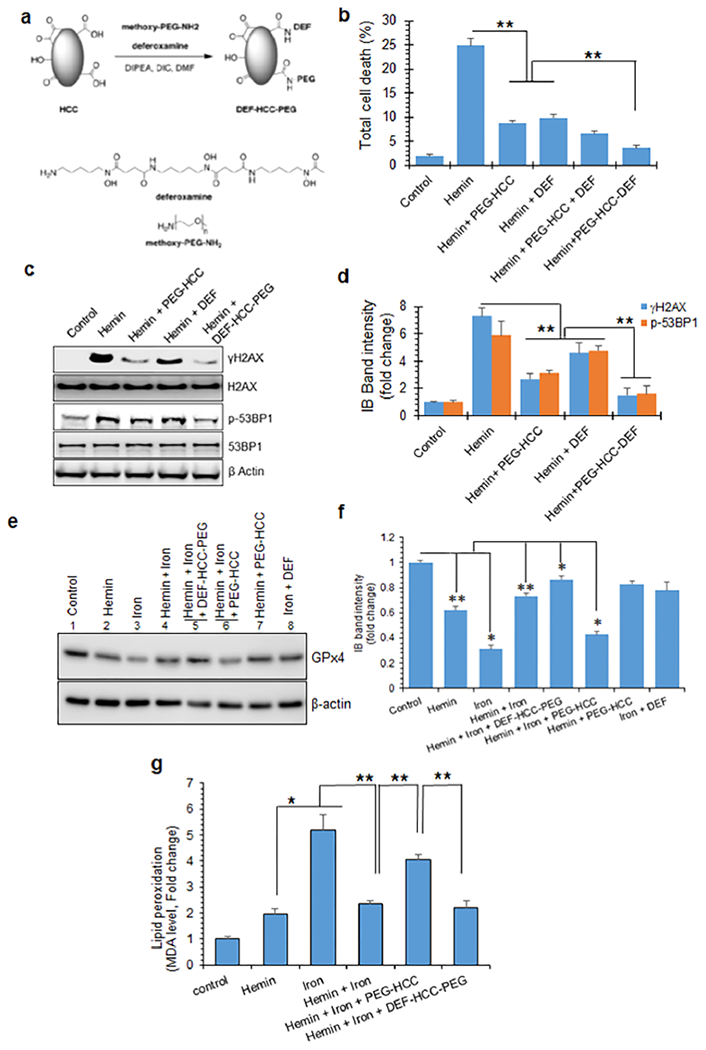
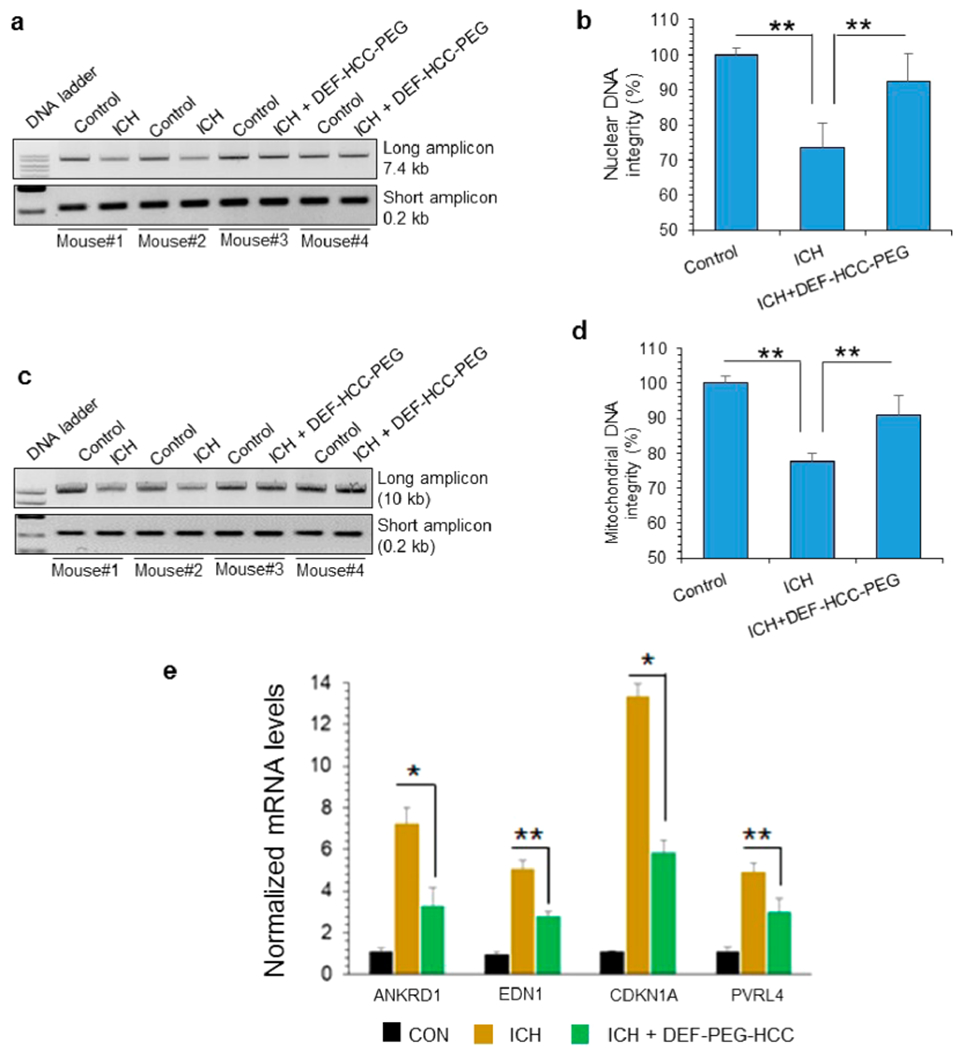
Therapy for intracerebral hemorrhage (ICH) remains elusive, in part dependent on the severity of the hemorrhage itself as well as multiple deleterious effects of blood and its breakdown products such as hemin and free iron. While oxidative injury and genomic damage have been seen following ICH, the details of this injury and implications remain unclear. Here, we discovered that, while free iron produced mostly reactive oxygen species (ROS)-related single-strand DNA breaks, hemin unexpectedly induced rapid and persistent nuclear and mitochondrial double-strand breaks (DSBs) in neuronal and endothelial cell genomes and in mouse brains following experimental ICH comparable to that seen with γ radiation and DNA-complexing chemotherapies. Potentially as a result of persistent DSBs and the DNA damage response, hemin also resulted in senescence phenotype in cultured neurons and endothelial cells. Subsequent resistance to ferroptosis reported in other senescent cell types was also observed here in neurons. While antioxidant therapy prevented senescence, cells became sensitized to ferroptosis. To address both senescence and resistance to ferroptosis, we synthesized a modified, catalytic, and rapidly internalized carbon nanomaterial, poly(ethylene glycol)-conjugated hydrophilic carbon clusters (PEG-HCC) by covalently bonding the iron chelator, deferoxamine (DEF). This multifunctional nanoparticle, DEF-HCC-PEG, protected cells from both senescence and ferroptosis and restored nuclear and mitochondrial genome integrity and . We thus describe a potential molecular mechanism of hemin/iron-induced toxicity in ICH that involves a rapid induction of DSBs, senescence, and the consequent resistance to ferroptosis and provide a mechanistic-based combinatorial therapeutic strategy.
治疗脑出血 (ICH) 仍然难以捉摸,部分原因取决于出血的严重程度以及血液及其分解产物(如血红素和游离铁)的多种有害影响。虽然在 ICH 后已经观察到氧化损伤和基因组损伤,但这种损伤的细节和影响仍然不清楚。在这里,我们发现,虽然游离铁主要产生与活性氧 (ROS) 相关的单链 DNA 断裂,但血红素出人意料地在实验性 ICH 后诱导神经元和内皮细胞基因组以及小鼠大脑中的核和线粒体双链断裂 (DSB),与 γ 辐射和 DNA 结合化疗相当。血红素可能由于持续的 DSB 和 DNA 损伤反应,也导致培养神经元和内皮细胞出现衰老表型。在其他衰老细胞类型中报道的随后对铁死亡的抗性也在此处观察到神经元中。虽然抗氧化治疗可以预防衰老,但细胞对铁死亡变得敏感。为了解决衰老和对铁死亡的抗性,我们通过共价键合铁螯合剂去铁胺 (DEF) 合成了一种改良的、催化的、快速内化的碳纳米材料,聚乙二醇- 亲水碳簇 (PEG-HCC)。这种多功能纳米颗粒 DEF-HCC-PEG 可防止细胞衰老和铁死亡,并恢复核和线粒体基因组的完整性。因此,我们描述了血红素/铁诱导的 ICH 毒性的潜在分子机制,涉及 DSB 的快速诱导、衰老以及随后对铁死亡的抗性,并提供了一种基于机制的组合治疗策略。