Department of Earth Sciences, Sapienza University of Rome, P.le A. Moro 5, I-00185, Rome, Italy.
Sci Rep. 2020 Feb 12;10(1):2436. doi: 10.1038/s41598-020-59324-5.
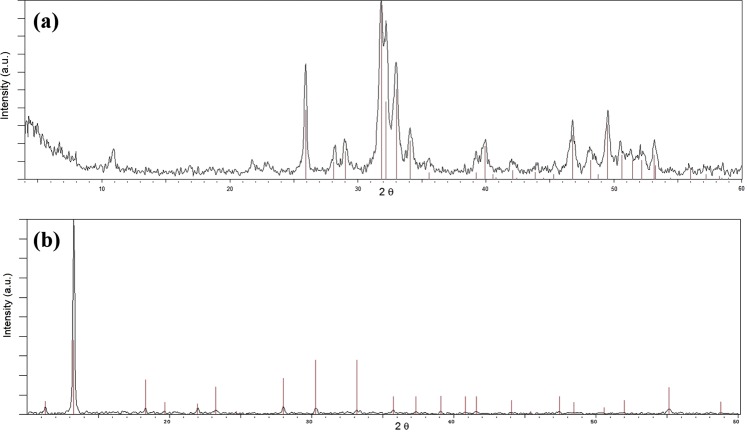
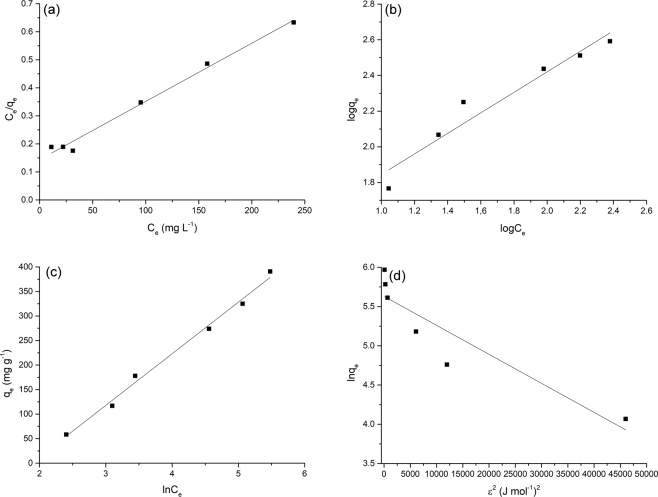
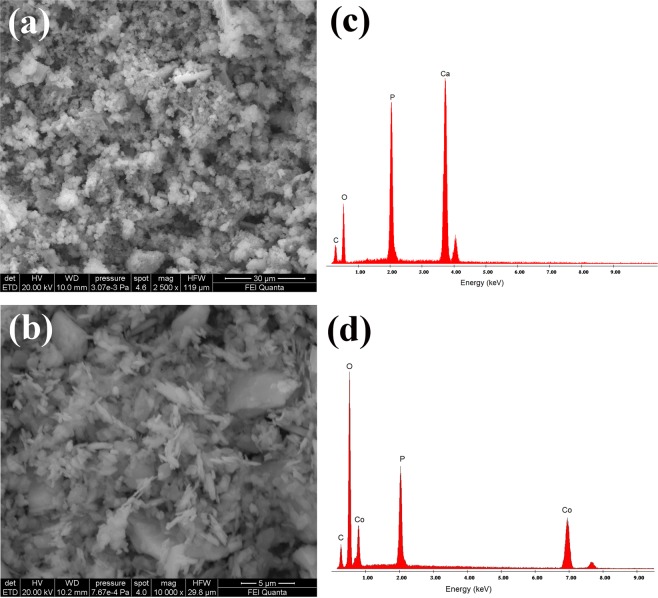
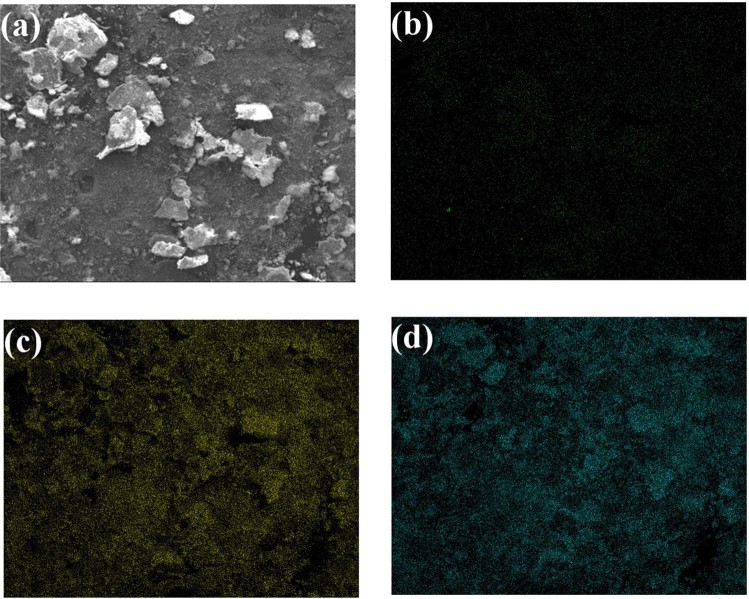
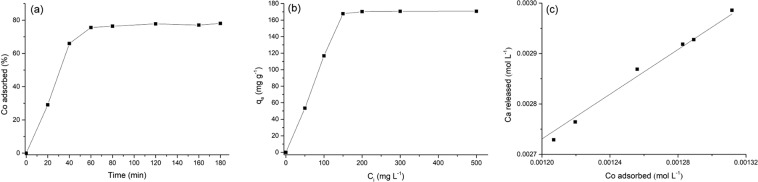
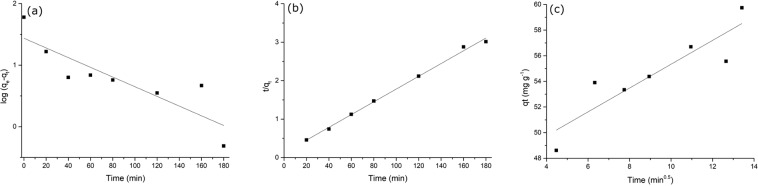
The management of large amounts of eggshell waste annually produced in the world is problematic as generally this material is only disposed at landfills with odor production and microbial growth. On the contrary, significant environmental and economic advantages could be obtained transforming this biowaste into new value-added products. Eggshell biowaste was the starting material for the synthesis of hydroxyapatite by a simple and sustainable procedure and applied for the removal of Co from aqueous solutions. The effects of contact time and initial metal concentration were investigated in batch experiments. Eggshell-based hydroxyapatite (ESHAP) before and after Co removal was characterized by X-ray diffraction and scanning electron microscopy. The process was rapid and reached equilibrium within 80 min. The removal efficiency was in the range 70-80% which is generally higher than other waste-derived adsorbents. Adsorption of Co on the surface of ESHAP particles and ion exchange with Ca resulting in the formation of a Co-phosphate are the main mechanisms of the metal removal. The conversion of eggshell waste to a low-cost adsorbent for the treatment of metal contaminated waters could contribute to a more sustainable and effective management of this biowaste.
每年在世界范围内产生大量的蛋壳废物,其管理是一个问题,因为通常这种材料只是被丢弃在垃圾填埋场,会产生气味和微生物生长。相反,如果将这种生物废物转化为新的高附加值产品,将带来显著的环境和经济效益。蛋壳生物废物是通过简单可持续的方法合成羟基磷灰石的起始材料,并应用于从水溶液中去除 Co。在间歇实验中研究了接触时间和初始金属浓度的影响。用 X 射线衍射和扫描电子显微镜对 Co 去除前后的蛋壳基羟基磷灰石(ESHAP)进行了表征。该过程非常迅速,在 80 分钟内达到平衡。去除效率在 70-80%之间,通常高于其他废物衍生的吸附剂。Co 在 ESHAP 颗粒表面的吸附和 Ca 与 Co 之间的离子交换导致形成 Co-磷酸盐是去除金属的主要机制。将蛋壳废物转化为低成本吸附剂,用于处理受金属污染的水,可以促进对这种生物废物进行更可持续和有效的管理。