Department of Neurology, University Hospital Knappschaftskrankenhaus, Ruhr-University Bochum, In der Schornau 23-25, D-44892, Bochum, Germany.
Neuropsychological Therapy Centre (NTC)/Clinical Neuropsychology, Faculty of Psychology, Ruhr-University Bochum, Universitätsstraße 150, D-44780, Bochum, Germany.
Neurol Sci. 2020 Jun;41(6):1437-1449. doi: 10.1007/s10072-020-04276-x. Epub 2020 Feb 12.
Many patients with brain tumours exhibit mild to severe (neuro)cognitive impairments at some point during the course of the disease. Social cognition, as an instance of higher-order cognitive functioning, specifically enables initiation and maintenance of appropriate social interactions. For individuals being confronted with the diagnosis of a brain tumour, impairment of social function represents an additional burden, since those patients deeply depend on support and empathy provided by family, friends and caregivers.
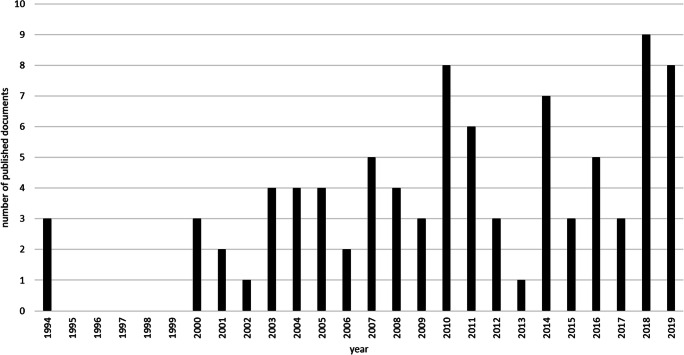
The present study explores the scientific landscape on (socio)cognitive functioning in brain tumour patients by conducting a comprehensive bibliometric analysis using VOSviewer. The Web of Science Core Collection database was examined to identify relevant documents published between 1945 and 2019.
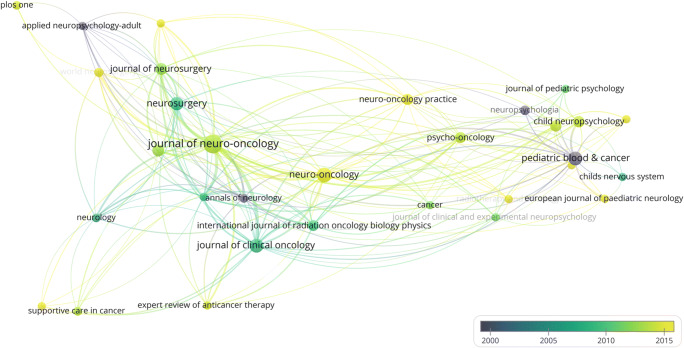
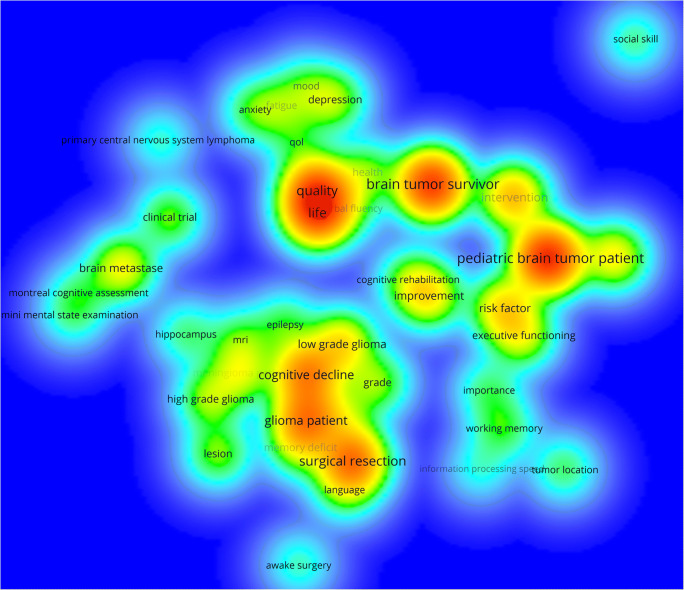
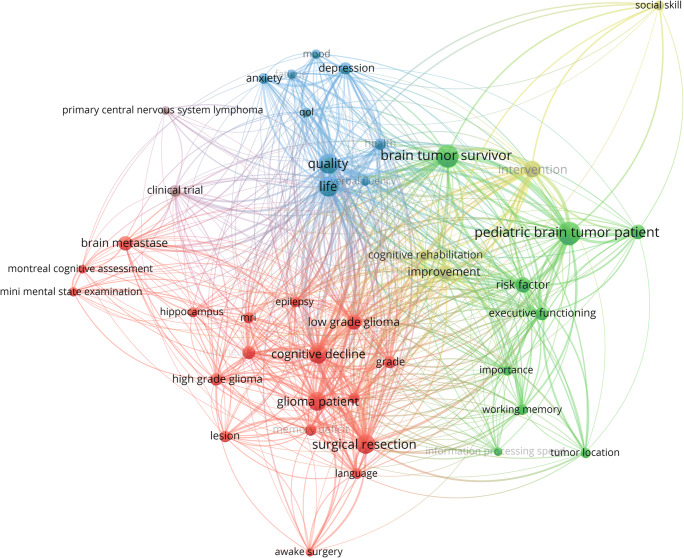
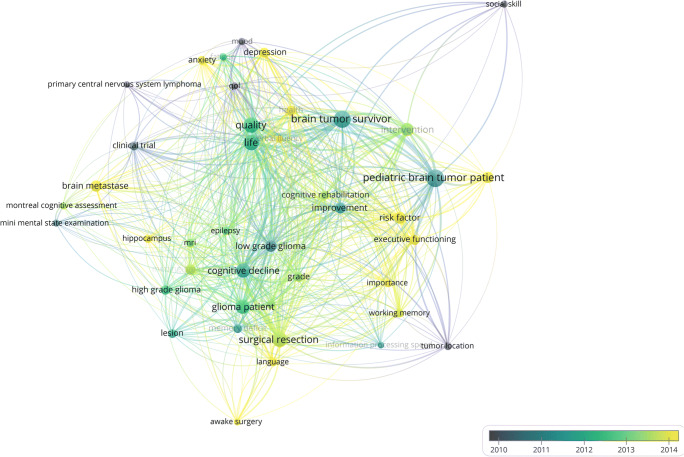
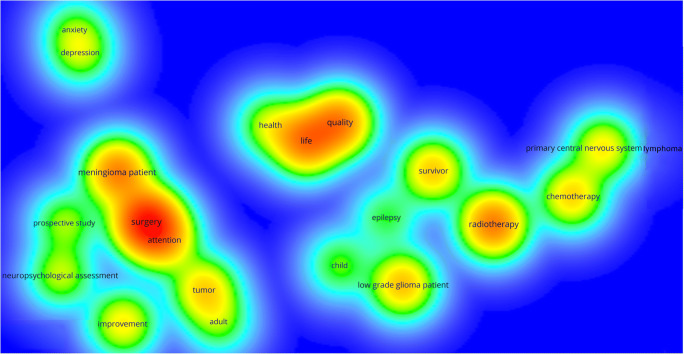
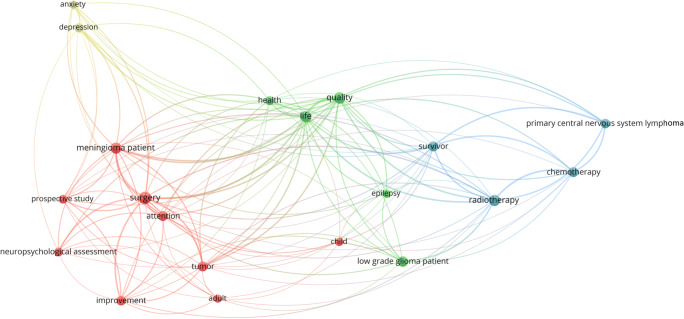
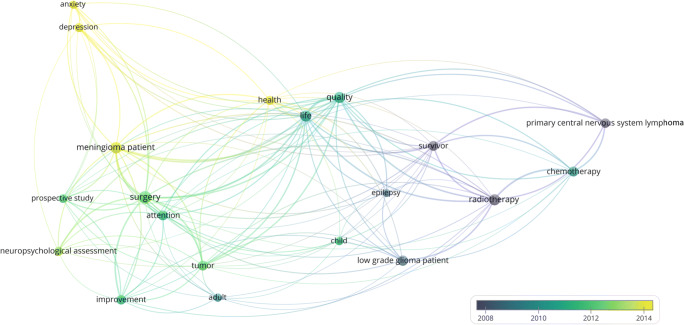
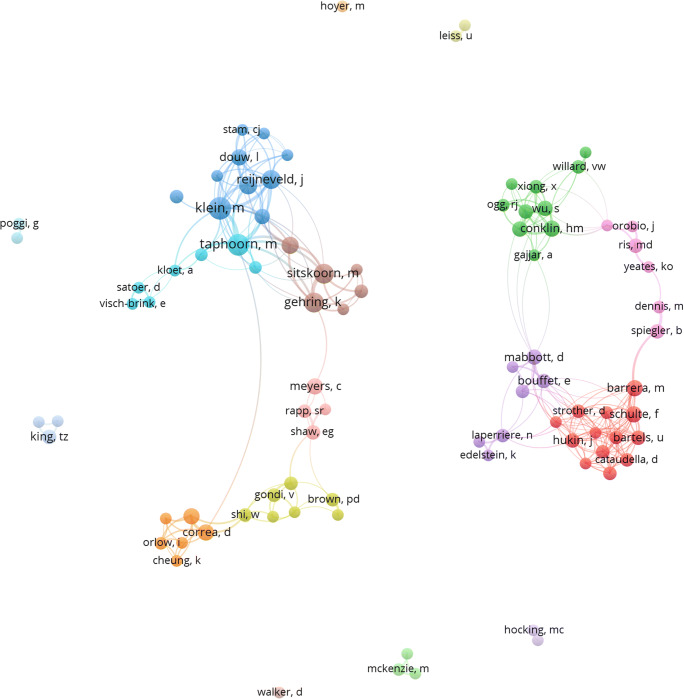
A total of 664 English titles on (socio)cognitive functions in patients with brain tumours was retrieved. Automated textual analysis revealed that the data available so far focus on three major topics in brain tumour patients: cognitive functions in general and in paediatric cases, as well as psychological factors and their influence on quality of life. The focus of research has gradually moved from clinical studies with cognitive functions as one of the outcome measures to investigations of interactions between cognitive functions and psychological constructs such as anxiety, depression or fatigue. Medical, neurological and neuropsychological journals, in particular neuro-oncological journals published most of the relevant articles authored by a relatively small network of well interconnected researchers in the field.
The bibliometric analysis highlights the necessity of more research on social cognition in brain tumour patients.
许多脑瘤患者在疾病过程中的某个阶段会出现轻度至重度的(神经)认知障碍。社会认知作为一种高级认知功能,特别能够促进适当的社会互动的开始和维持。对于那些被诊断出患有脑瘤的人来说,社会功能的损害是一个额外的负担,因为这些患者深深依赖于家人、朋友和护理人员提供的支持和同情。
本研究通过使用 Vosviewer 进行全面的文献计量分析,探索了脑瘤患者(社会)认知功能的科学领域。我们检查了 Web of Science 核心合集数据库,以确定 1945 年至 2019 年期间发表的相关文献。
共检索到 664 篇关于脑瘤患者(社会)认知功能的英文标题。自动文本分析显示,目前的数据主要集中在脑瘤患者的三个主要研究领域:一般认知功能和儿科病例,以及心理因素及其对生活质量的影响。研究的重点已经逐渐从以认知功能为单一结果测量的临床研究转移到了对认知功能与焦虑、抑郁或疲劳等心理结构之间的相互作用的研究。医学、神经学和神经心理学期刊,特别是神经肿瘤学期刊,发表了该领域大多数由网络中联系紧密的研究人员撰写的相关文章。
文献计量分析强调了在脑瘤患者中进行更多社会认知研究的必要性。