Centre for Industrial Biotechnology, School of Biosciences, University of Kent, Canterbury, UK.
School of Biochemistry, University of Bristol, Bristol, UK.
Microbiologyopen. 2020 May;9(5):e1010. doi: 10.1002/mbo3.1010. Epub 2020 Feb 13.
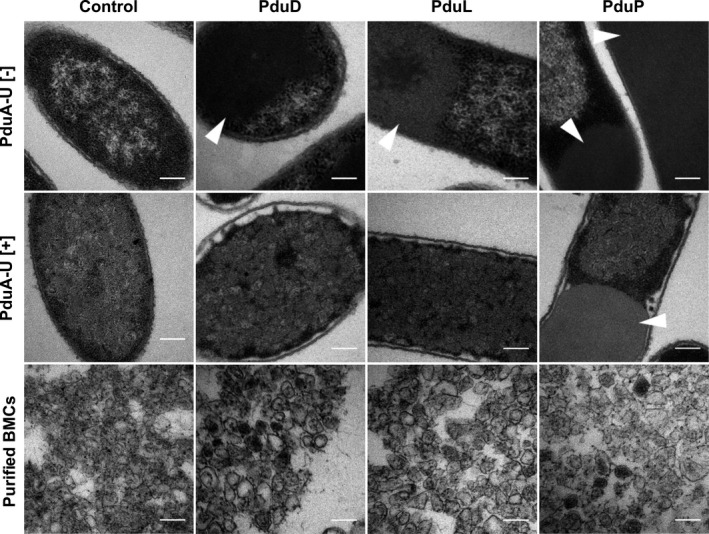
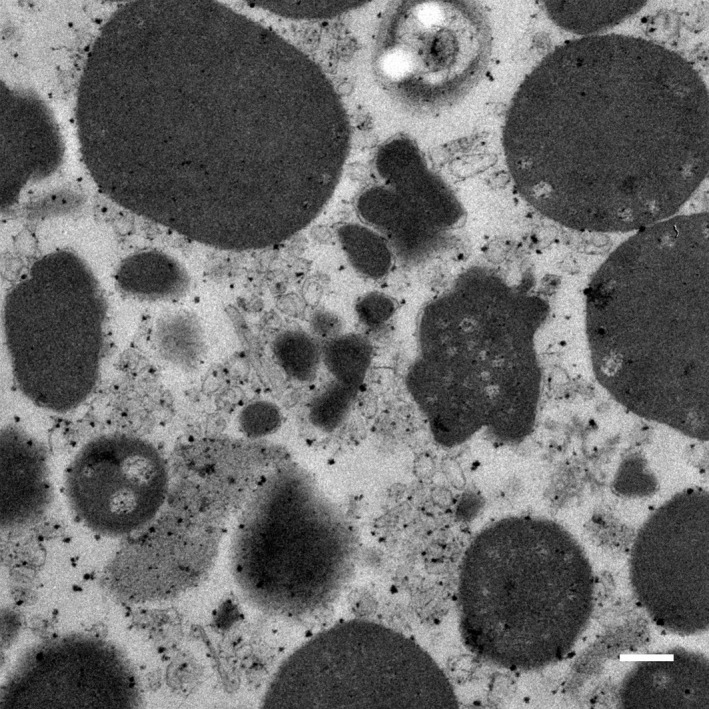
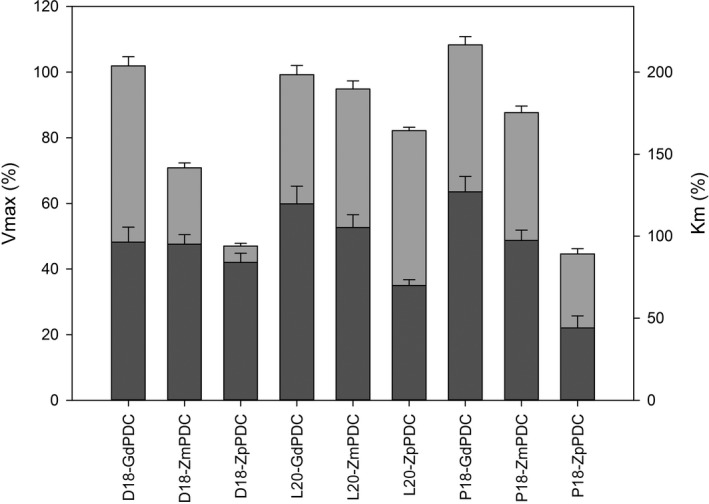
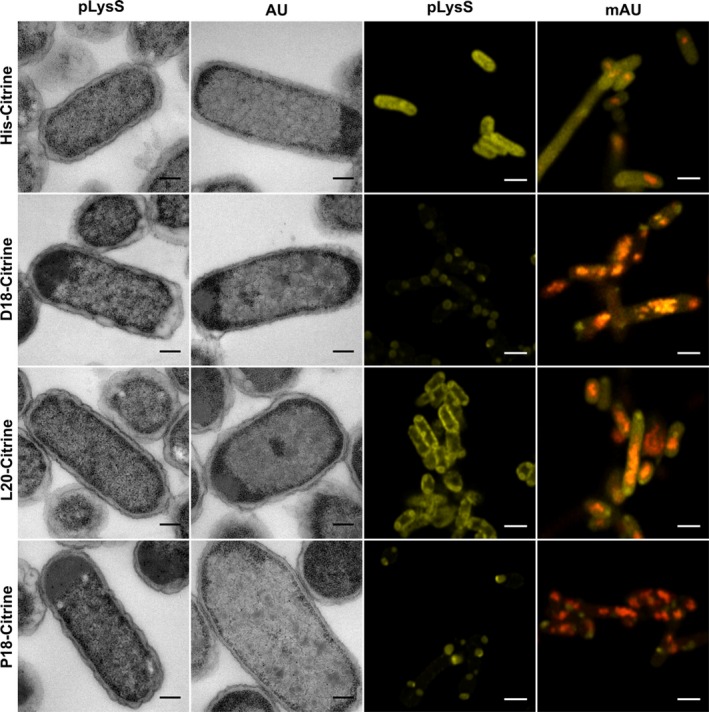
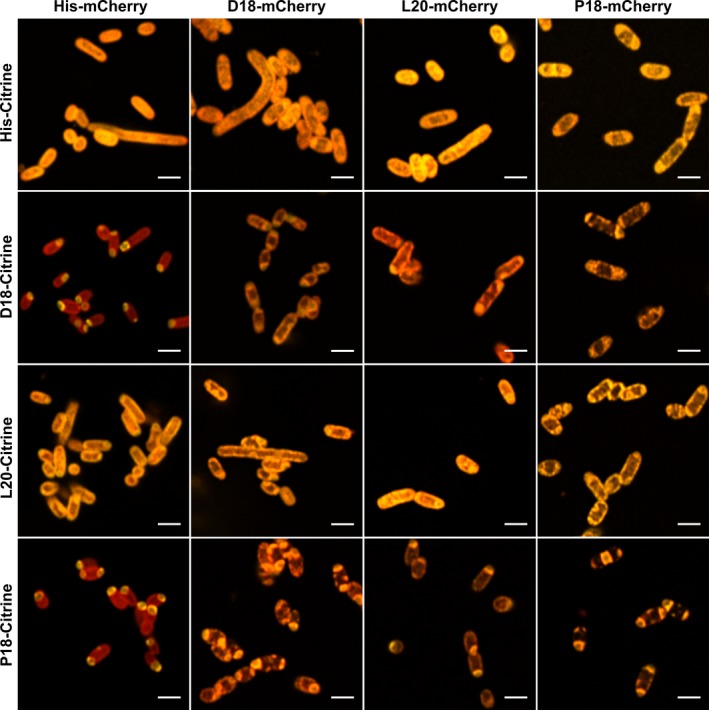
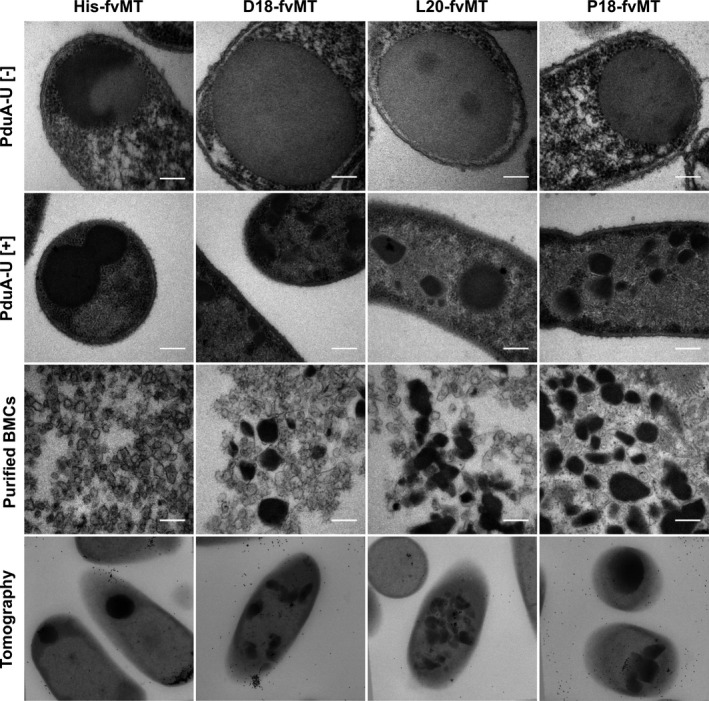
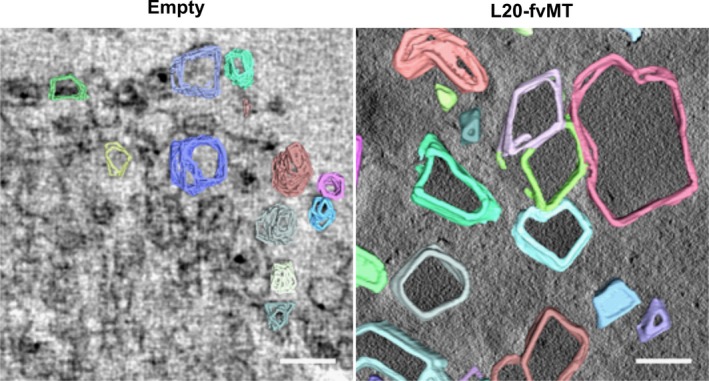
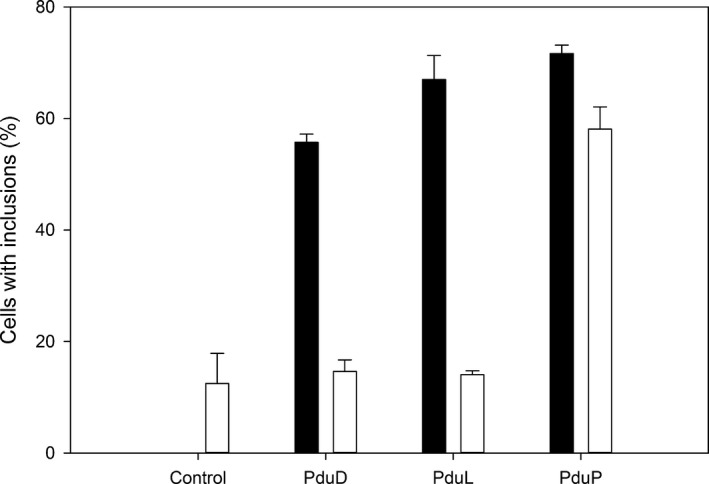
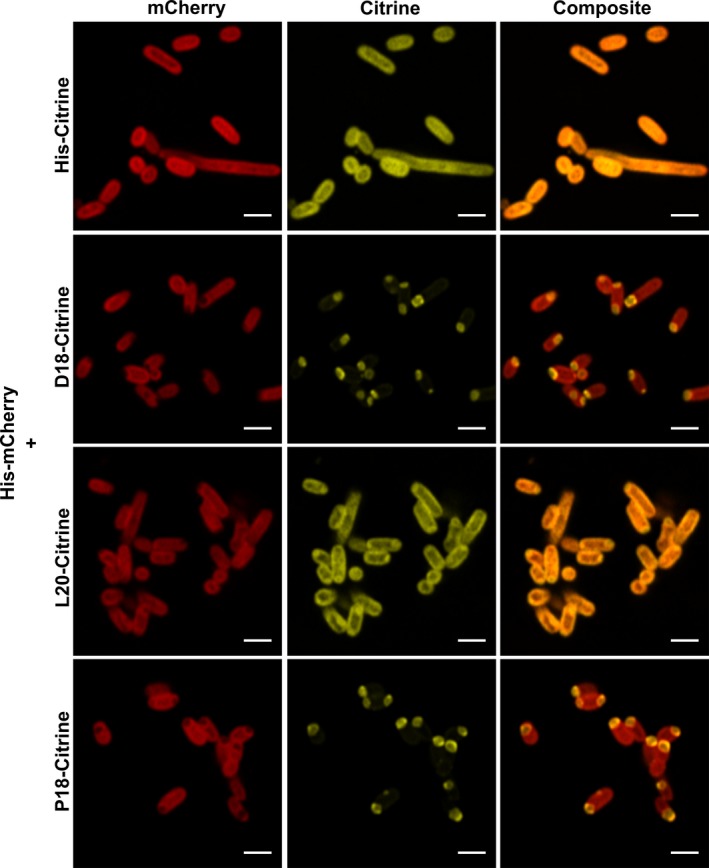
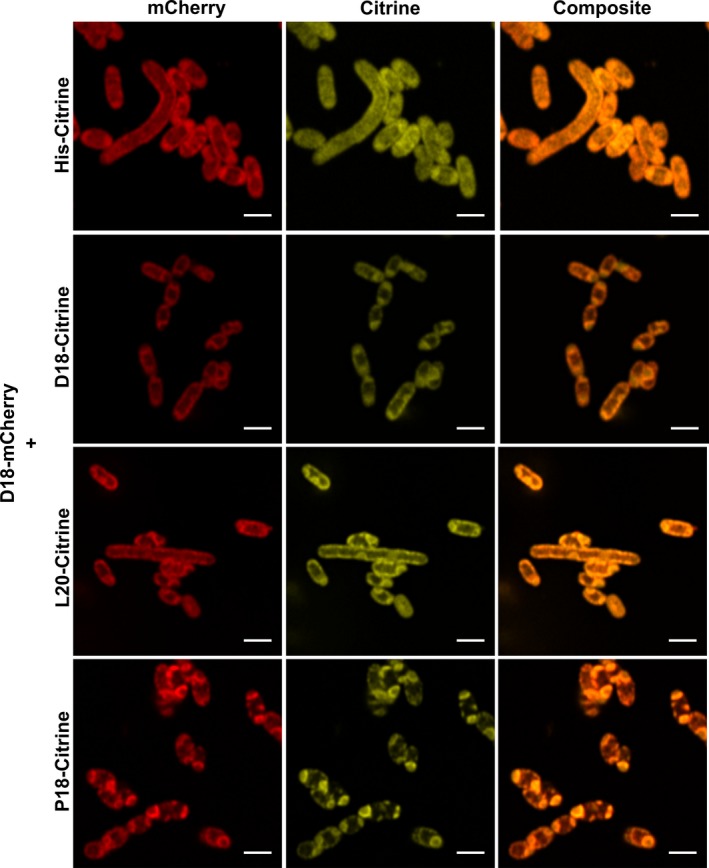
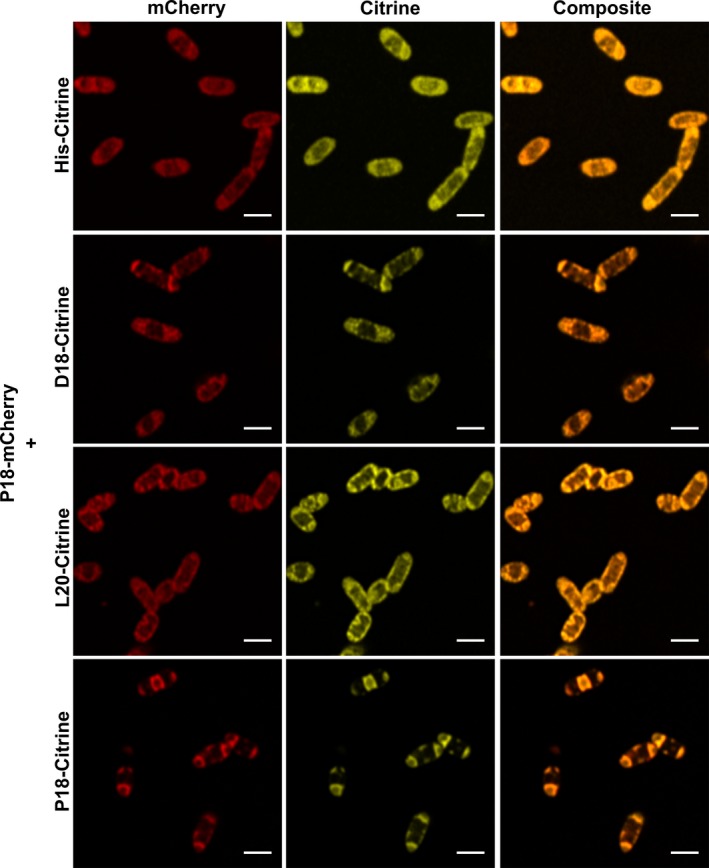
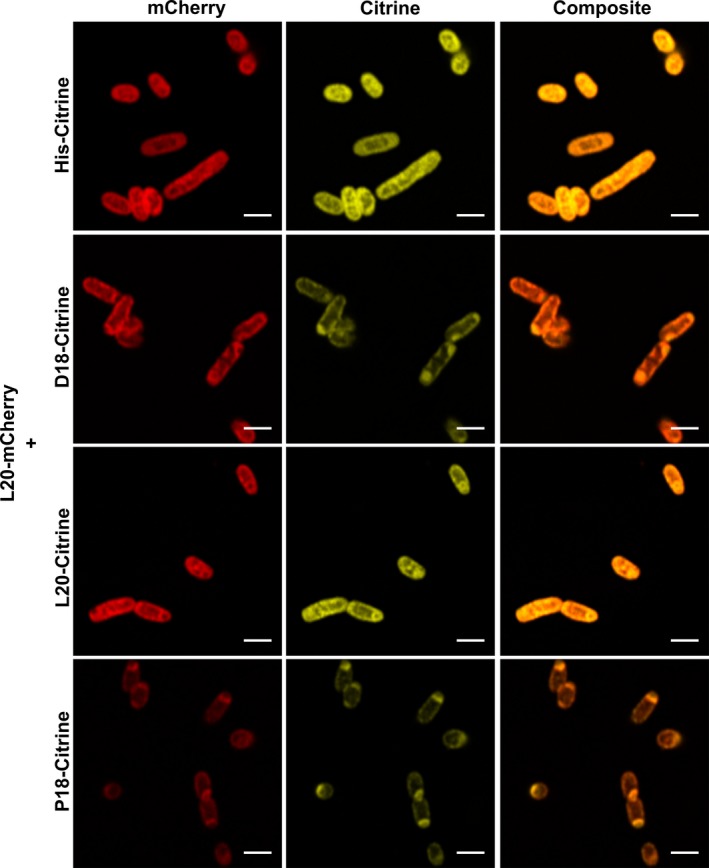
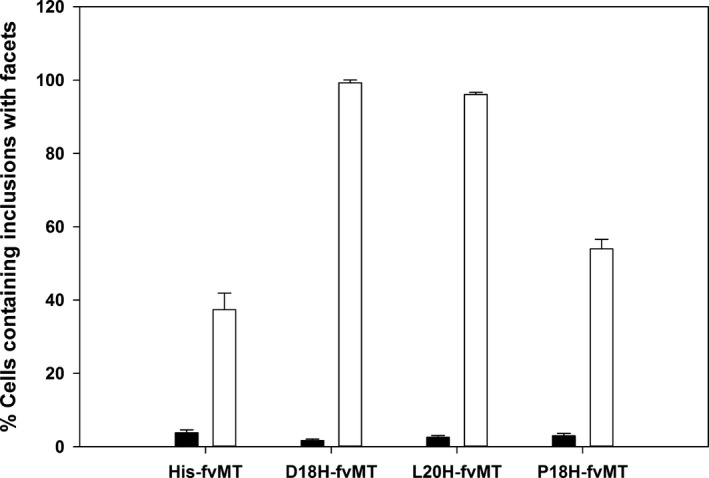
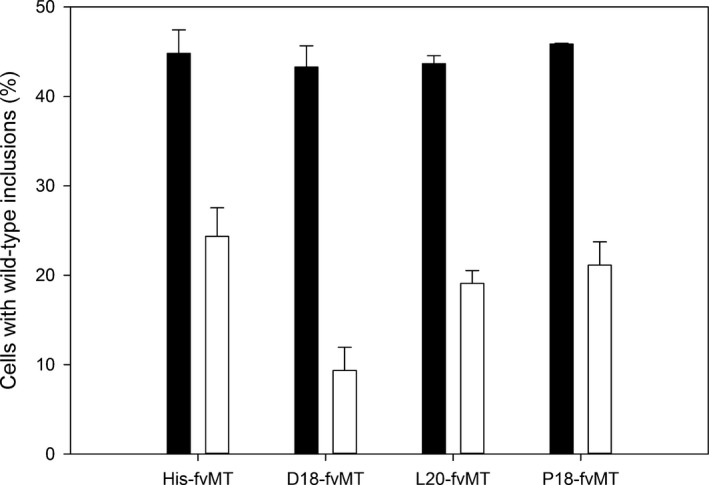
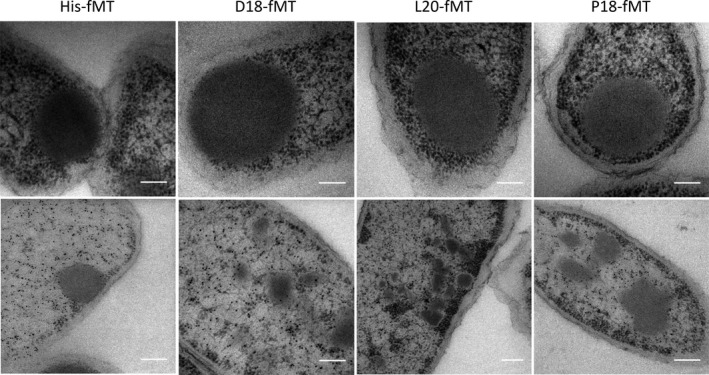
Metabolosomes, catabolic bacterial microcompartments (BMCs), are proteinaceous organelles that are associated with the breakdown of metabolites such as propanediol and ethanolamine. They are composed of an outer multicomponent protein shell that encases a specific metabolic pathway. Protein cargo found within BMCs is directed by the presence of an encapsulation peptide that appears to trigger aggregation before the formation of the outer shell. We investigated the effect of three distinct encapsulation peptides on foreign cargo in a recombinant BMC system. Our data demonstrate that these peptides cause variations in enzyme activity and protein aggregation. We observed that the level of protein aggregation generally correlates with the size of metabolosomes, while in the absence of cargo BMCs self-assemble into smaller compartments. The results agree with a flexible model for BMC formation based around the ability of the BMC shell to associate with an aggregate formed due to the interaction of encapsulation peptides.
代谢体,即分解代谢细菌微区室 (BMC),是与丙二醇和乙醇胺等代谢物分解有关的蛋白细胞器。它们由一个外部多组分蛋白壳组成,壳内包裹着特定的代谢途径。BMC 内的蛋白货物是由封装肽引导的,封装肽似乎在外壳形成之前引发聚集。我们在重组 BMC 系统中研究了三种不同的封装肽对异源货物的影响。我们的数据表明,这些肽导致酶活性和蛋白聚集的变化。我们观察到,蛋白聚集的水平通常与代谢体的大小相关,而在没有货物的情况下,BMC 会自组装成更小的隔室。结果与基于 BMC 壳与由于封装肽相互作用形成的聚集体的关联能力的灵活 BMC 形成模型一致。