Mohammed Sulma I, Utturkar Sagar, Lee Maxwell, Yang Howard H, Cui Zhibin, Atallah Lanman Nadia, Zhang GuangJun, Ramos Cardona Xavier E, Mittal Suresh K, Miller Margaret A
Department of Comparative Pathobiology, Purdue University, West Lafayette, IN 47907, USA.
Center for Cancer Research, Purdue University, West Lafayette, IN 47907, USA.
Cancers (Basel). 2020 Feb 11;12(2):418. doi: 10.3390/cancers12020418.
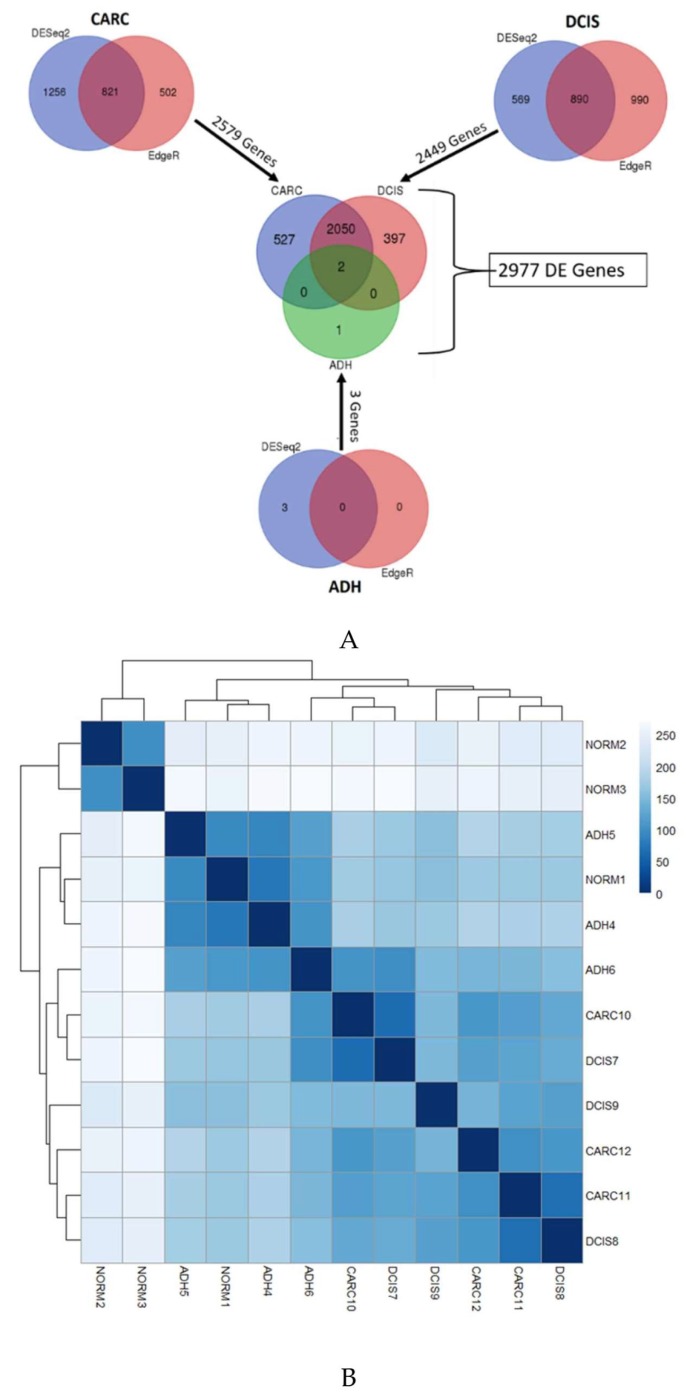
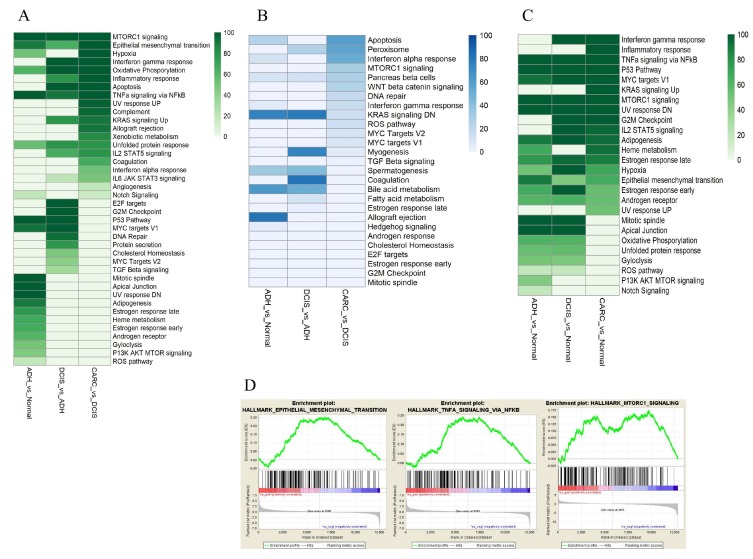
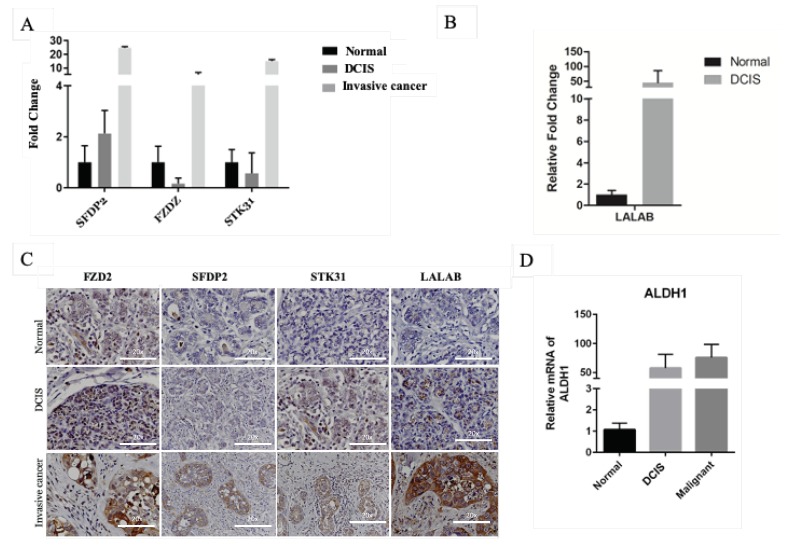
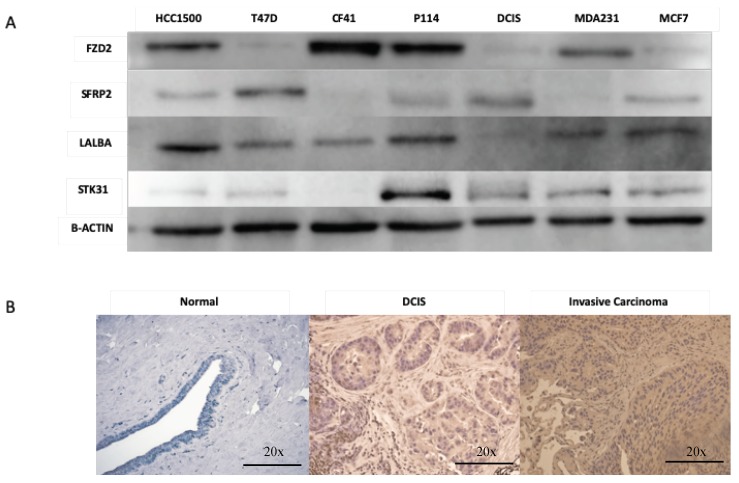
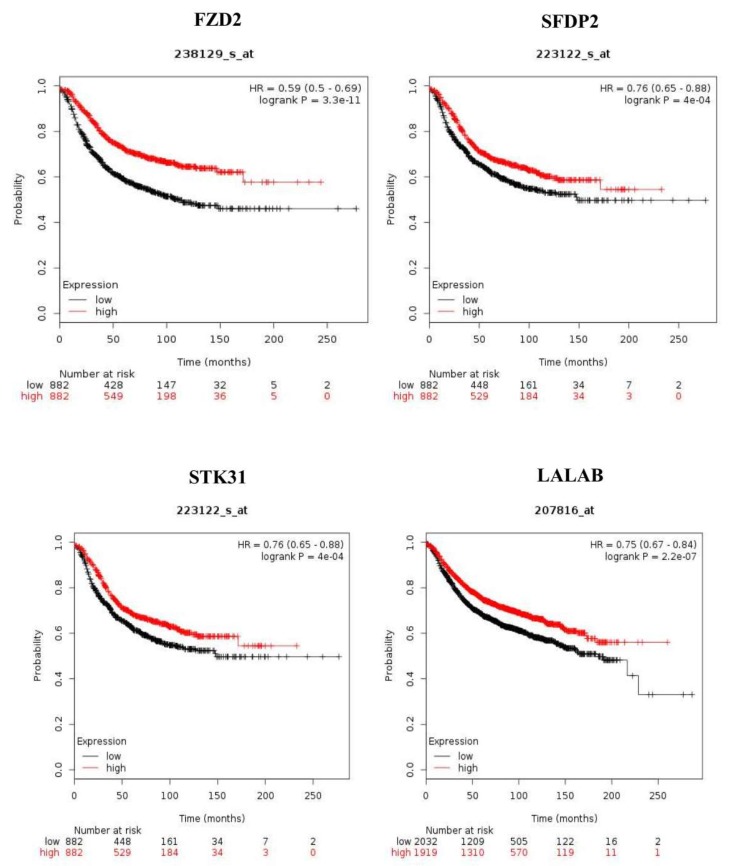
The mechanisms that drive ductal carcinoma in situ (DCIS) progression to invasive cancer are not clear. Studying DCIS progression in humans is challenging and not ethical, thus necessitating the characterization of an animal model that faithfully resembles human disease. We have characterized a canine model of spontaneous mammary DCIS and invasive cancer that shares histologic, molecular, and diagnostic imaging characteristics with DCIS and invasive cancer in women. The purpose of the study was to identify markers and altered signaling pathways that lead to invasive cancer and shed light on early molecular events in breast cancer progression and development. Transcriptomic studies along the continuum of cancer progression in the mammary gland from healthy, through atypical ductal hyperplasia (ADH), DCIS, and invasive carcinoma were performed using the canine model. Gene expression profiles of preinvasive DCIS lesions closely resemble those of invasive carcinoma. However, certain genes, such as , , , and , were over-expressed in DCIS compared to invasive cancer. The over-representation of myoepithelial markers, epithelial-mesenchymal transition (EMT), canonical Wnt signaling components, and other pathways induced by Wnt family members distinguishes DCIS from invasive. The information gained may help in stratifying DCIS as well as identify actionable targets for primary and tertiary prevention or targeted therapy.
导管原位癌(DCIS)进展为浸润性癌的机制尚不清楚。在人体中研究DCIS进展具有挑战性且不符合伦理道德,因此需要建立一种能忠实模拟人类疾病的动物模型并进行特征描述。我们已对一种自发性乳腺DCIS和浸润性癌的犬类模型进行了特征描述,该模型在组织学、分子和诊断成像特征方面与女性的DCIS和浸润性癌相似。本研究的目的是确定导致浸润性癌的标志物和信号通路改变,并阐明乳腺癌进展和发展过程中的早期分子事件。利用该犬类模型,对乳腺从健康状态,经非典型导管增生(ADH)、DCIS到浸润性癌这一连续癌症进展过程进行了转录组学研究。浸润前DCIS病变的基因表达谱与浸润性癌非常相似。然而,与浸润性癌相比,某些基因,如[此处原文缺失具体基因名称],在DCIS中过度表达。肌上皮标志物、上皮-间质转化(EMT)、经典Wnt信号通路成分以及Wnt家族成员诱导的其他通路的过度表达将DCIS与浸润性癌区分开来。所获得的信息可能有助于对DCIS进行分层,以及识别一级和三级预防或靶向治疗的可操作靶点。