Department of Health Promotion, CAPHRI School for Public Health and Primary Care, Maastricht University, P.O. Box 616, 6200 MD, Maastricht, The Netherlands.
Arch Sex Behav. 2020 May;49(4):1379-1391. doi: 10.1007/s10508-019-01564-2. Epub 2020 Feb 13.
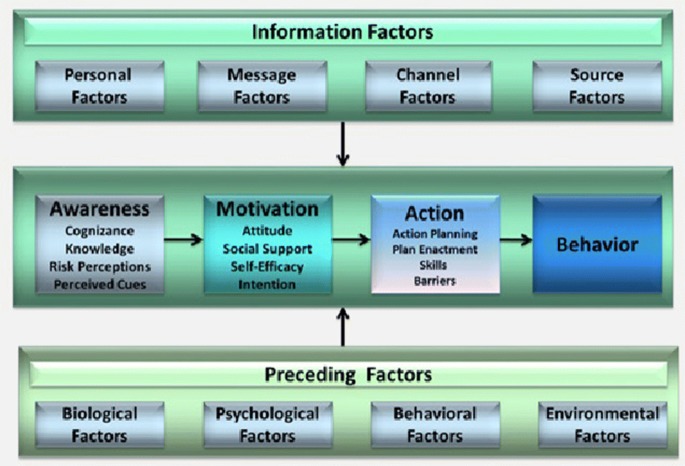
Increasing numbers of university students in Sudan are at risk of contracting HIV because of their engagement in condomless sex. A comprehensive and culturally accepted condom promotion program could potentially reduce this threat substantially. However, little is known about the sociocognitive determinants of condom use in this population: information that is required to develop such HIV prevention programs. Therefore, in August 2014, we conducted 30 semi-structured individual interviews with male and female students (both currently sexually active and nonactive) to explore determinants of condom use based on the I-Change model. Data were analyzed using Nvivo 10. The results suggest that barriers to condom use among university students include misconceptions about condom use, negative attitudes toward condom use, lack of social support, low self-efficacy to use condoms, and poor action planning. Sexual health promotion should, therefore, address these aspects to successfully promote condom use among sexually active students and subsequently reduce the risk of HIV transmission.
由于发生无保护性行为,苏丹越来越多的大学生面临感染艾滋病毒的风险。全面且被文化所接受的 condom 推广项目可能会大大降低这种威胁。然而,对于该人群中 condom 使用的社会认知决定因素知之甚少:这是开发此类 HIV 预防计划所需的信息。因此,2014 年 8 月,我们对 30 名男女学生(包括目前有性行为和无性行为的学生)进行了 30 次半结构化个人访谈,根据 I-Change 模型探讨 condom 使用的决定因素。使用 Nvivo 10 对数据进行分析。结果表明,大学生 condom 使用的障碍包括对 condom 使用的误解、对 condom 使用的负面态度、缺乏社会支持、使用 condom 的自信心低以及行动计划不佳。因此,性健康促进应该解决这些方面的问题,以成功地促进有性行为的学生使用 condom,从而降低 HIV 传播的风险。