Ma Wen-Juan, Carpentier Fantin, Giraud Tatiana, Hood Michael E
Department of Biology, Amherst College, Amherst, MA.
Ecologie Systematique et Evolution, Université Paris-Saclay, CNRS, AgroParisTech, Orsay, France.
Genome Biol Evol. 2020 Apr 1;12(4):243-258. doi: 10.1093/gbe/evaa028.
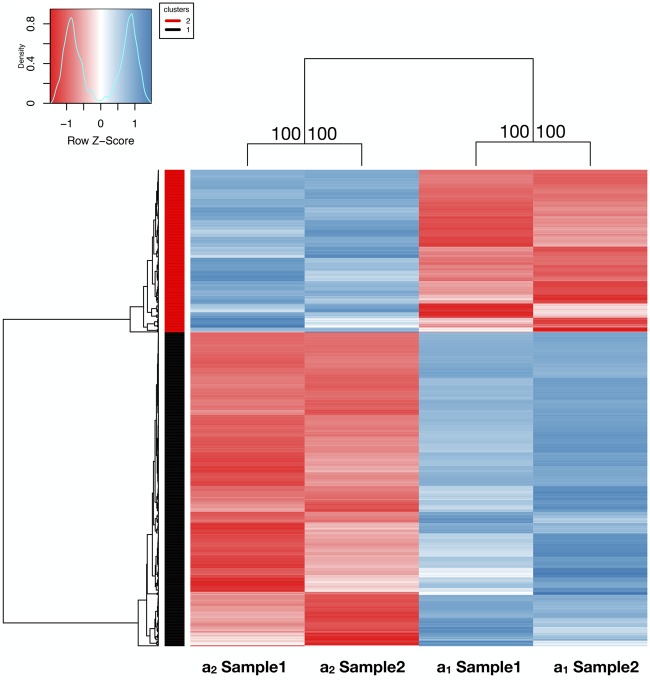
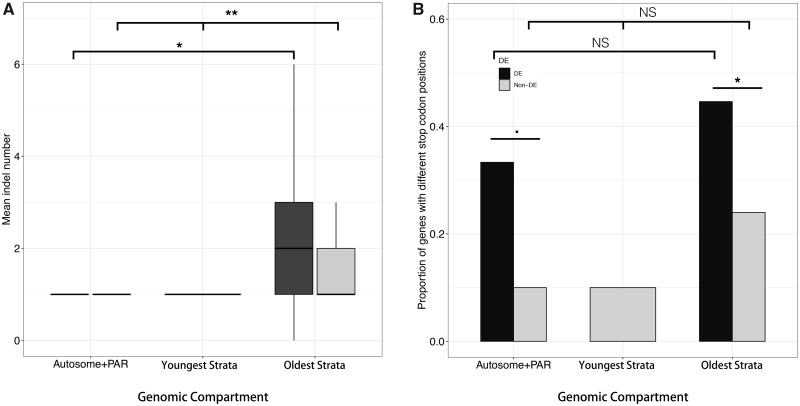
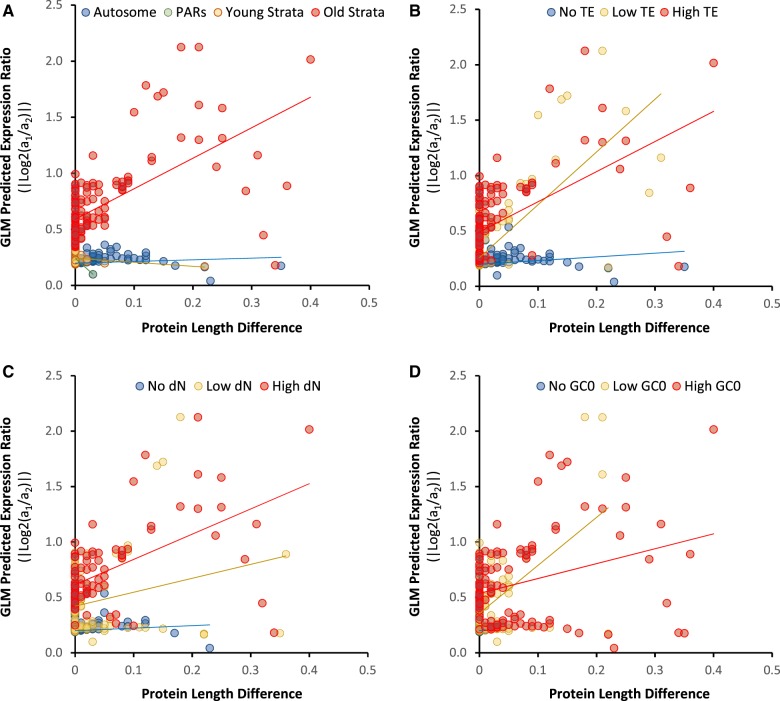
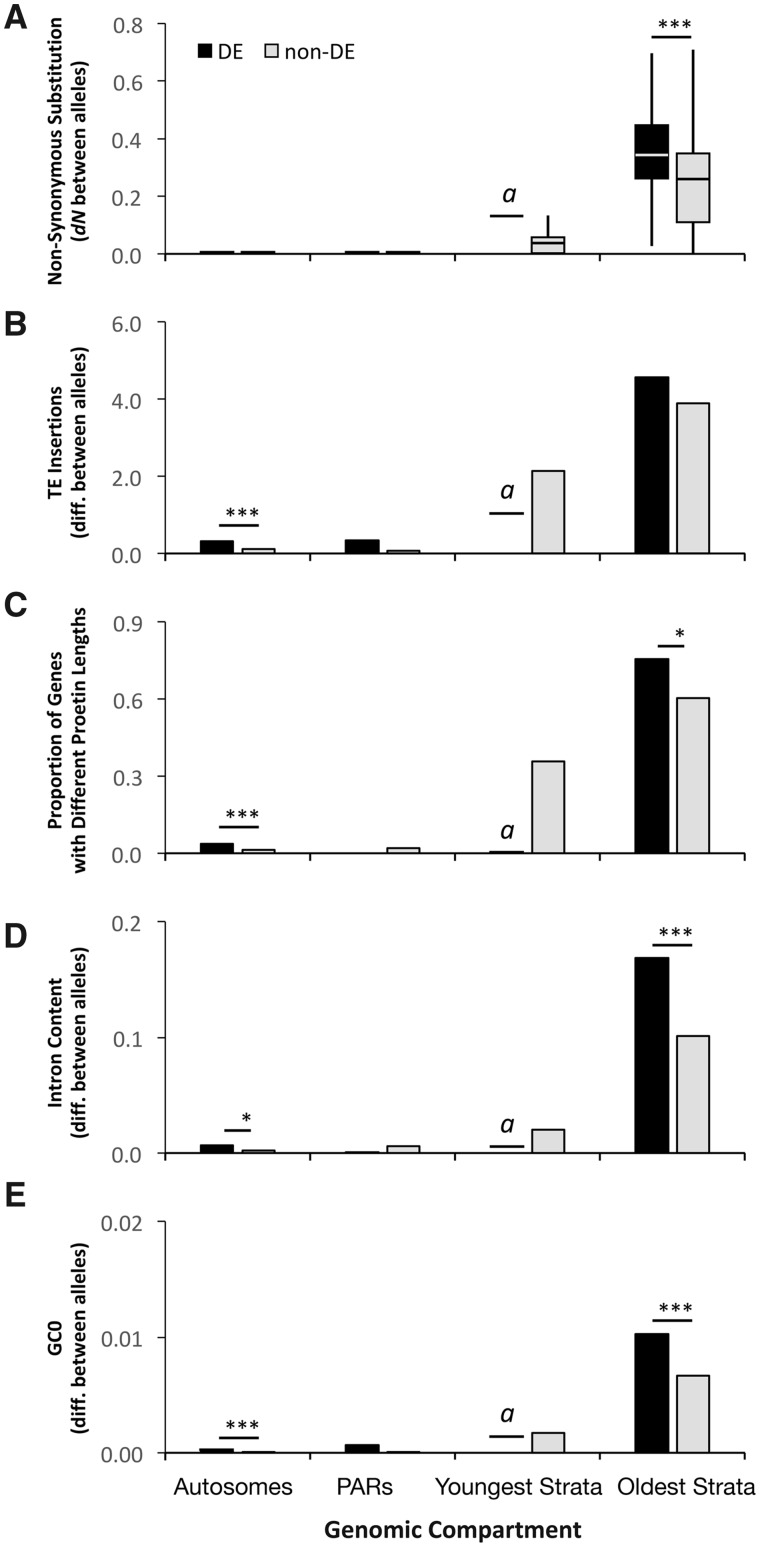
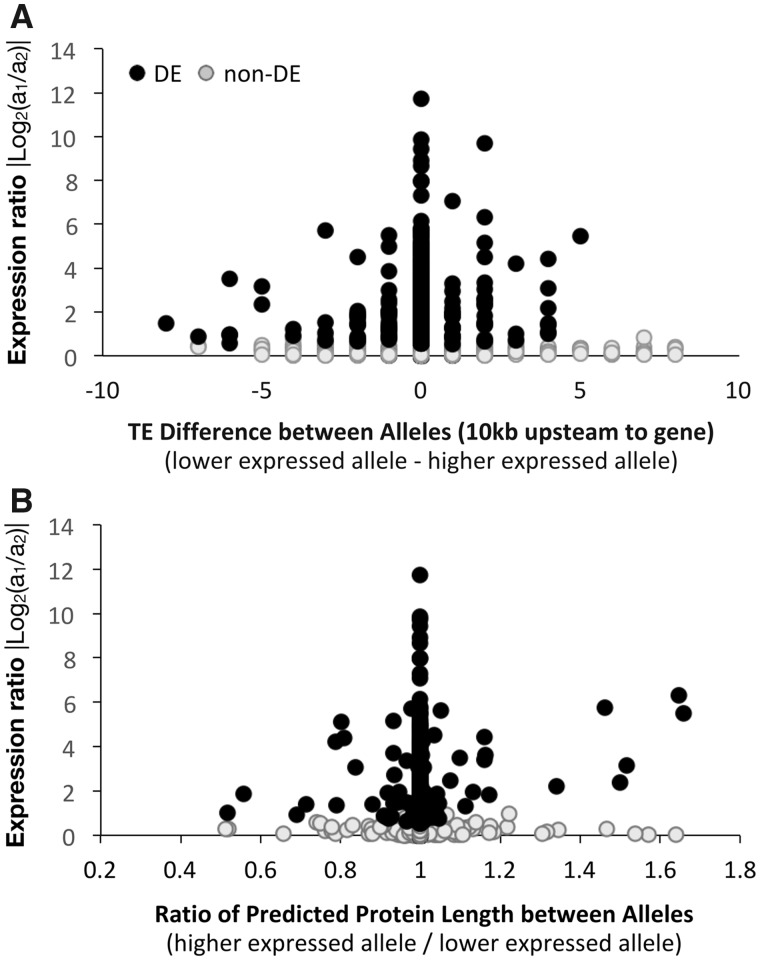
Degenerative mutations in non-recombining regions, such as in sex chromosomes, may lead to differential expression between alleles if mutations occur stochastically in one or the other allele. Reduced allelic expression due to degeneration has indeed been suggested to occur in various sex-chromosome systems. However, whether an association occurs between specific signatures of degeneration and differential expression between alleles has not been extensively tested, and sexual antagonism can also cause differential expression on sex chromosomes. The anther-smut fungus Microbotryum lychnidis-dioicae is ideal for testing associations between specific degenerative signatures and differential expression because 1) there are multiple evolutionary strata on the mating-type chromosomes, reflecting successive recombination suppression linked to mating-type loci; 2) separate haploid cultures of opposite mating types help identify differential expression between alleles; and 3) there is no sexual antagonism as a confounding factor accounting for differential expression. We found that differentially expressed genes were enriched in the four oldest evolutionary strata compared with other genomic compartments, and that, within compartments, several signatures of sequence degeneration were greater for differentially expressed than non-differentially expressed genes. Two particular degenerative signatures were significantly associated with lower expression levels within differentially expressed allele pairs: upstream insertion of transposable elements and mutations truncating the protein length. Other degenerative mutations associated with differential expression included nonsynonymous substitutions and altered intron or GC content. The association between differential expression and allele degeneration is relevant for a broad range of taxa where mating compatibility or sex is determined by genes located in large regions where recombination is suppressed.
非重组区域(如性染色体)中的退化性突变,如果在一个或另一个等位基因中随机发生突变,可能会导致等位基因之间的差异表达。事实上,已有研究表明,在各种性染色体系统中都可能发生由于退化导致的等位基因表达降低。然而,退化的特定特征与等位基因之间的差异表达是否存在关联尚未得到广泛测试,而且性拮抗也会导致性染色体上的差异表达。花药黑粉菌Microbotryum lychnidis-dioicae是测试特定退化特征与差异表达之间关联的理想物种,原因如下:1)交配型染色体上存在多个进化层,反映了与交配型位点相关的连续重组抑制;2)不同交配型的单倍体培养物有助于识别等位基因之间的差异表达;3)不存在作为差异表达混杂因素的性拮抗。我们发现,与其他基因组区域相比,差异表达基因在四个最古老的进化层中富集,而且在各区域内,差异表达基因的几个序列退化特征比非差异表达基因更为明显。在差异表达的等位基因对中,两个特定的退化特征与较低的表达水平显著相关:转座元件的上游插入和截断蛋白质长度的突变。与差异表达相关的其他退化性突变包括非同义替换以及内含子或GC含量的改变。差异表达与等位基因退化之间的关联,对于广泛的分类群都具有重要意义,在这些分类群中,交配兼容性或性别由位于重组受到抑制的大片区域中的基因决定。