Institute of Pharmaceutical Technologies, Faculty of Pharmacy, Medical Academy, Lithuanian University of Health Sciences, LT-50161 Kaunas, Lithuania.
Department of Pharmacognosy, Medical Academy, Lithuanian University of Health Sciences, LT-50161 Kaunas, Lithuania.
Nutrients. 2020 Feb 12;12(2):457. doi: 10.3390/nu12020457.
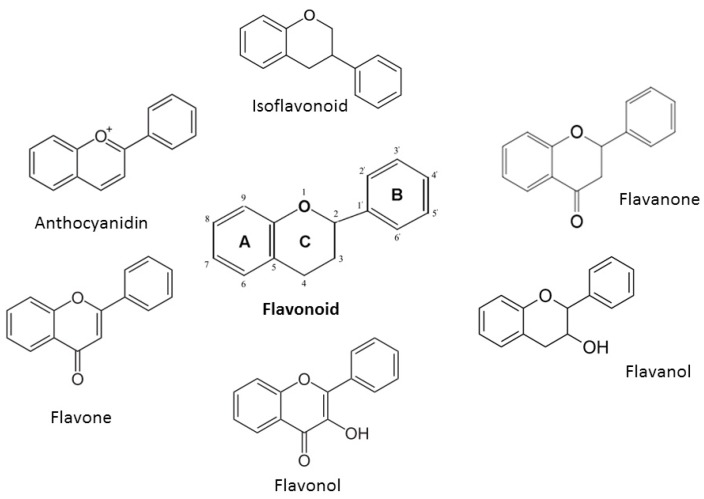
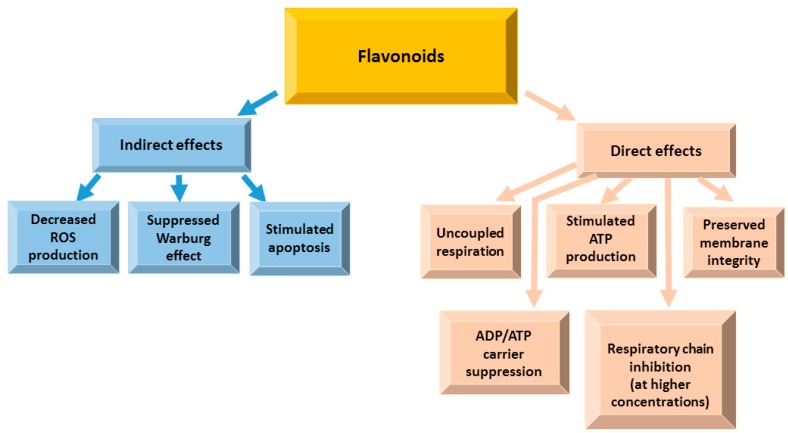
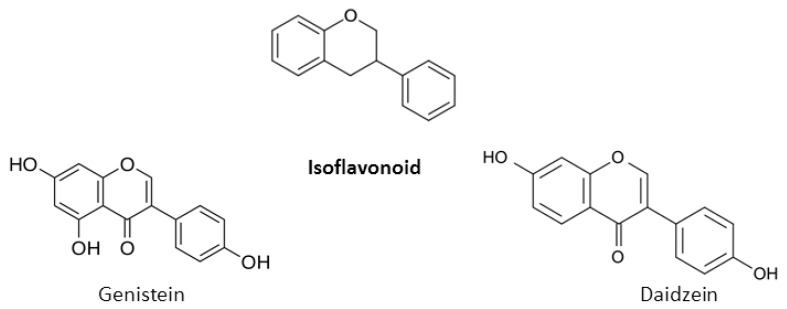
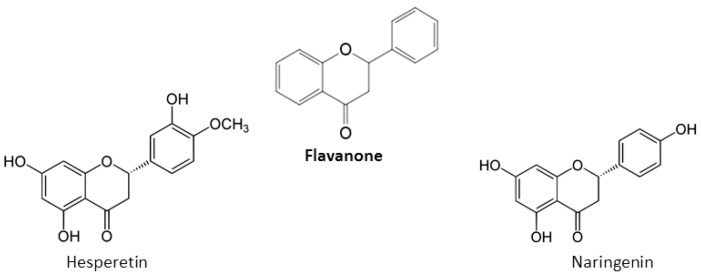
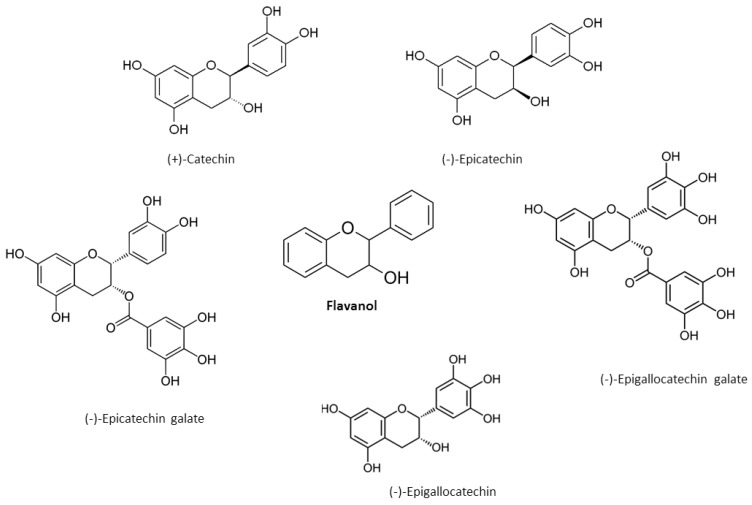
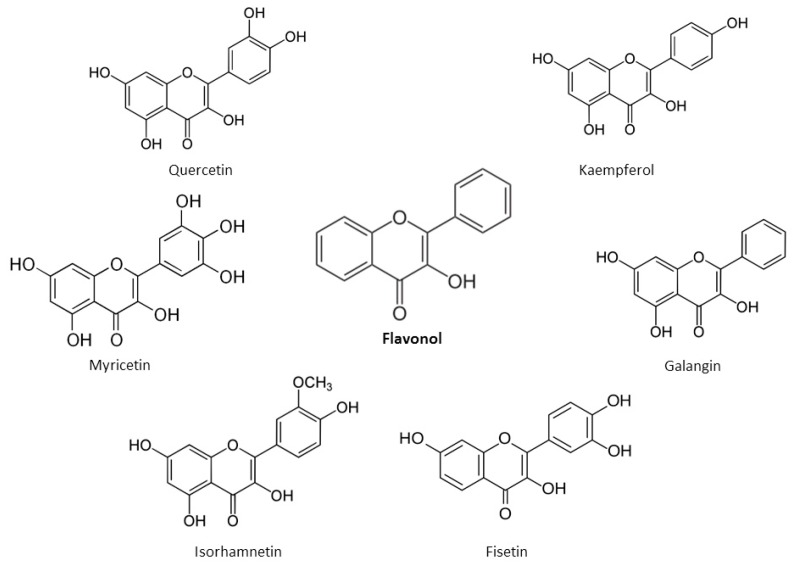
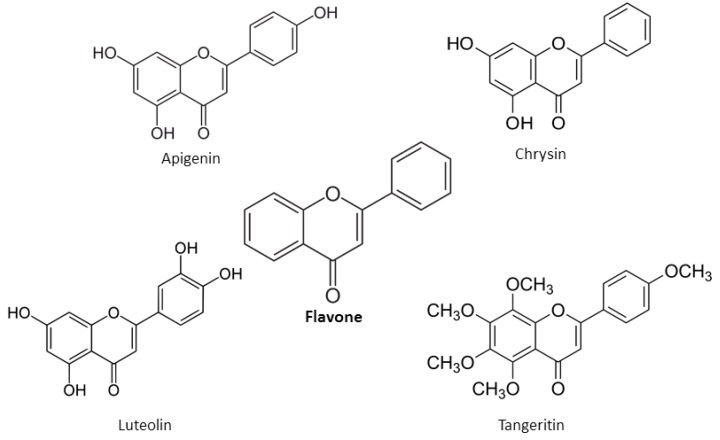
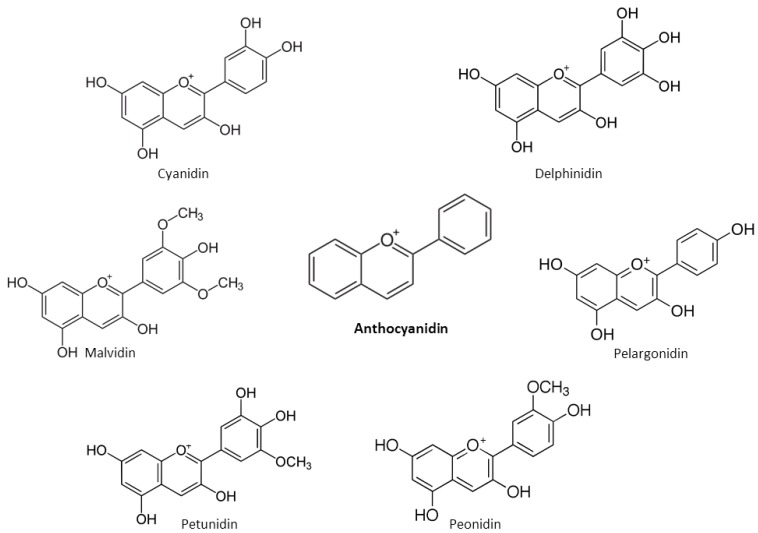
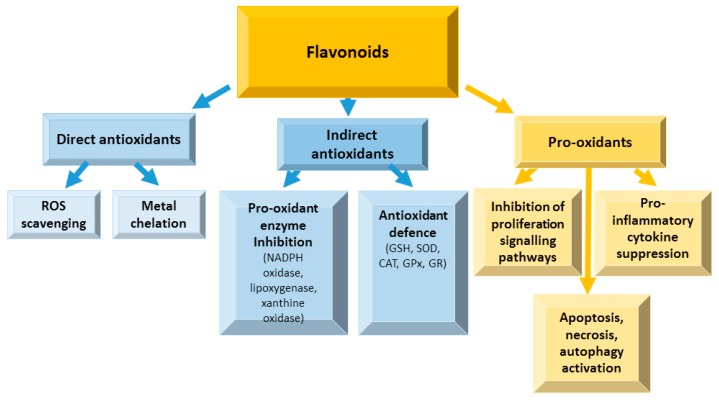
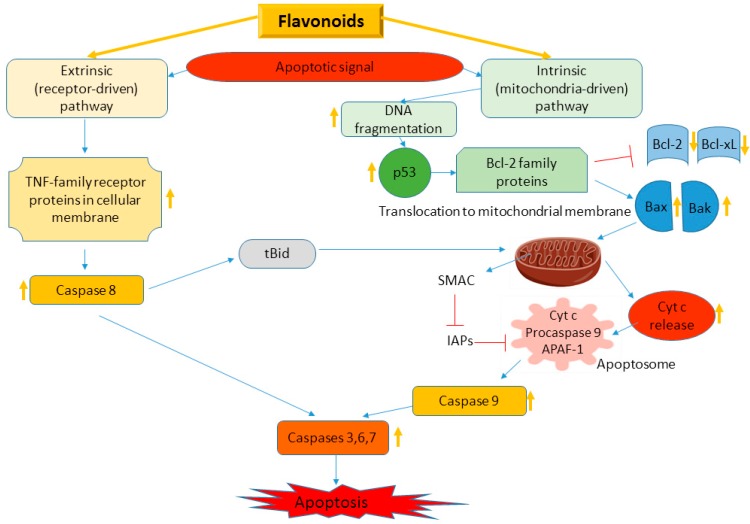
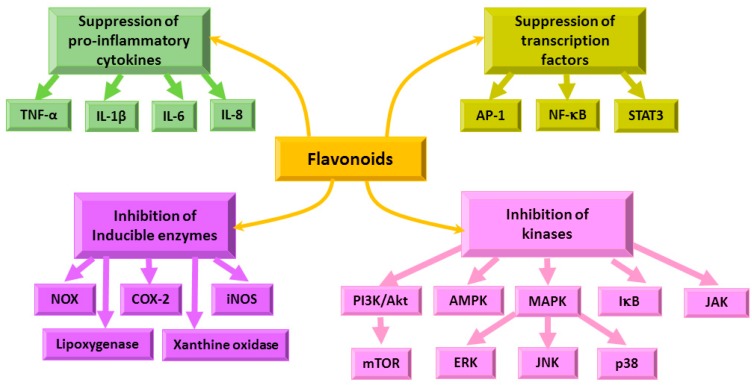
Flavonoids are polyphenolic compounds subdivided into 6 groups: isoflavonoids, flavanones, flavanols, flavonols, flavones and anthocyanidins found in a variety of plants. Fruits, vegetables, plant-derived beverages such as green tea, wine and cocoa-based products are the main dietary sources of flavonoids. Flavonoids have been shown to possess a wide variety of anticancer effects: they modulate reactive oxygen species (ROS)-scavenging enzyme activities, participate in arresting the cell cycle, induce apoptosis, autophagy, and suppress cancer cell proliferation and invasiveness. Flavonoids have dual action regarding ROS homeostasis-they act as antioxidants under normal conditions and are potent pro-oxidants in cancer cells triggering the apoptotic pathways and downregulating pro-inflammatory signaling pathways. This article reviews the biochemical properties and bioavailability of flavonoids, their anticancer activity and its mechanisms of action.
类黄酮是多酚化合物,可分为 6 组:异黄酮、黄烷酮、黄烷醇、黄酮醇、黄酮和花色苷,存在于各种植物中。水果、蔬菜、植物来源的饮料,如绿茶、葡萄酒和可可制品,是类黄酮的主要膳食来源。类黄酮具有广泛的抗癌作用:它们调节活性氧(ROS)清除酶的活性,参与细胞周期的阻滞,诱导细胞凋亡、自噬,并抑制癌细胞的增殖和侵袭。类黄酮对 ROS 动态平衡具有双重作用——在正常条件下,它们作为抗氧化剂,在癌细胞中则是有效的促氧化剂,触发凋亡途径并下调促炎信号通路。本文综述了类黄酮的生化特性和生物利用度、抗癌活性及其作用机制。