Department of Biomedical Sciences, Korea University College of Medicine, Seoul, Republic of Korea.
Division of Hematology-Oncology, Department of Medicine, Samsung Medical Center, Sungkyunkwan University School of Medicine, Seoul, Republic of Korea.
Genome Med. 2020 Feb 18;12(1):17. doi: 10.1186/s13073-020-0717-8.
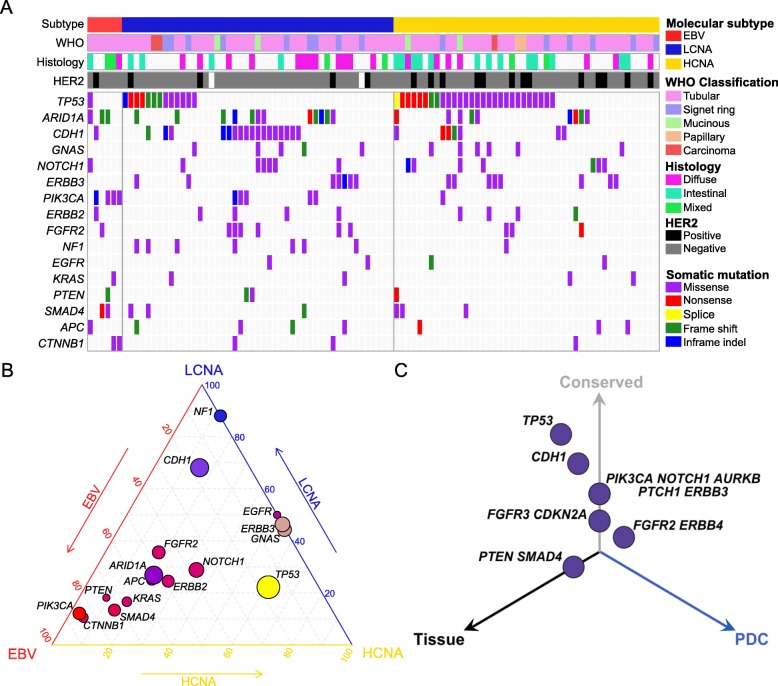
Gastric cancer is among the most lethal human malignancies. Previous studies have identified molecular aberrations that constitute dynamic biological networks and genomic complexities of gastric tumors. However, the clinical translation of molecular-guided targeted therapy is hampered by challenges. Notably, solid tumors often harbor multiple genetic alterations, complicating the development of effective treatments.
To address such challenges, we established a comprehensive dataset of molecularly annotated patient derivatives coupled with pharmacological profiles for 60 targeted agents to explore dynamic pharmacogenomic interactions in gastric cancers.
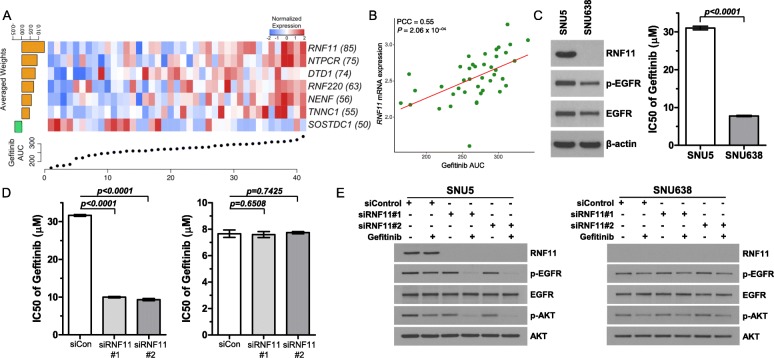
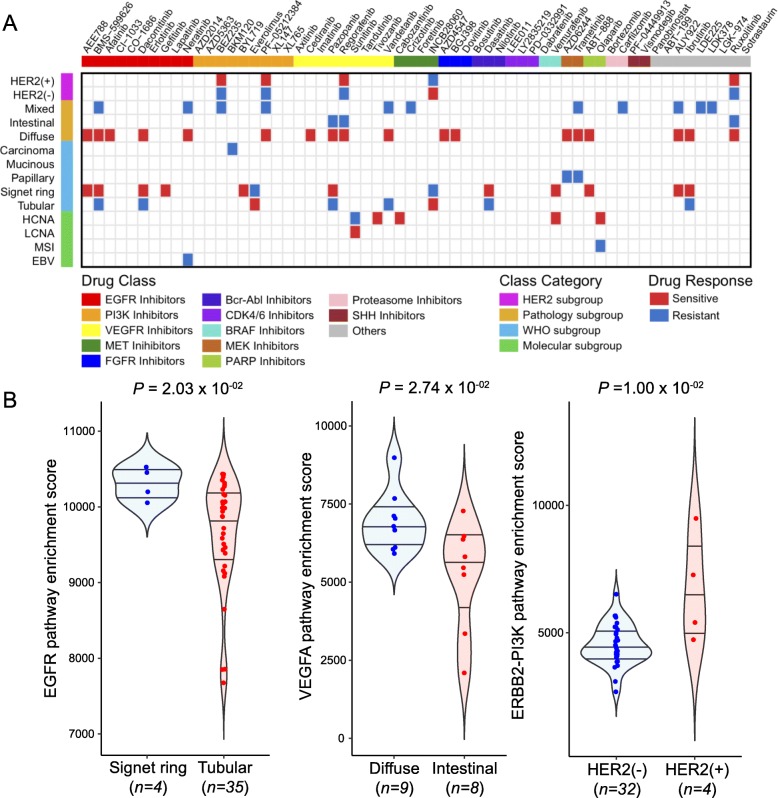
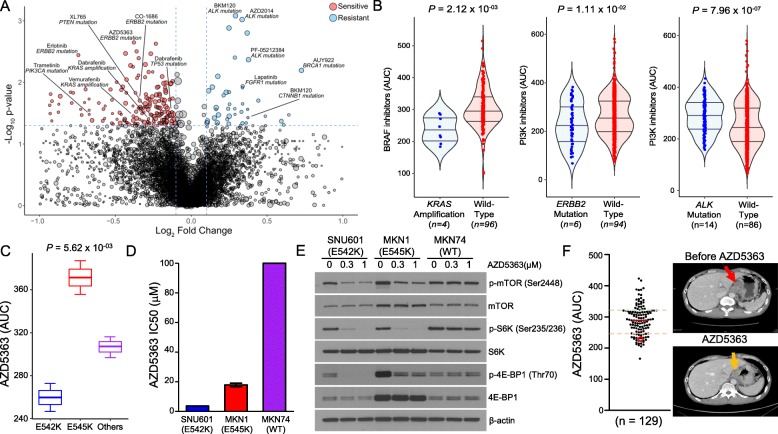
We identified lineage-specific drug sensitivities based on histopathological and molecular subclassification, including substantial sensitivities toward VEGFR and EGFR inhibition therapies in diffuse- and signet ring-type gastric tumors, respectively. We identified potential therapeutic opportunities for WNT pathway inhibitors in ALK-mutant tumors, a significant association between PIK3CA-E542K mutation and AZD5363 response, and transcriptome expression of RNF11 as a potential predictor of response to gefitinib.
Collectively, our results demonstrate the feasibility of drug screening combined with tumor molecular characterization to facilitate personalized therapeutic regimens for gastric tumors.
胃癌是最致命的人类恶性肿瘤之一。先前的研究已经确定了构成胃肿瘤动态生物学网络和基因组复杂性的分子异常。然而,分子指导的靶向治疗的临床转化受到挑战的阻碍。值得注意的是,实体瘤通常存在多种遗传改变,这使得开发有效的治疗方法变得复杂。
为了应对这些挑战,我们建立了一个综合的分子注释患者衍生体数据集,并结合了 60 种靶向药物的药理学特征,以探索胃癌中动态的药物基因组相互作用。
我们根据组织病理学和分子分类确定了谱系特异性药物敏感性,包括在弥漫型和印戒细胞型胃肿瘤中对 VEGFR 和 EGFR 抑制治疗的显著敏感性。我们确定了 WNT 途径抑制剂在 ALK 突变肿瘤中的潜在治疗机会,PIK3CA-E542K 突变与 AZD5363 反应之间存在显著关联,以及 RNF11 的转录组表达可能是吉非替尼反应的预测因子。
总的来说,我们的结果表明,药物筛选结合肿瘤分子特征分析用于促进胃肿瘤的个体化治疗方案是可行的。