College of Food, Shenyang Agricultural University, No.120 Dongling Road, Shenhe District, Shenyang City, Liaoning Province, 110866, People's Republic of China.
BMC Plant Biol. 2020 Feb 19;20(1):80. doi: 10.1186/s12870-020-2281-1.
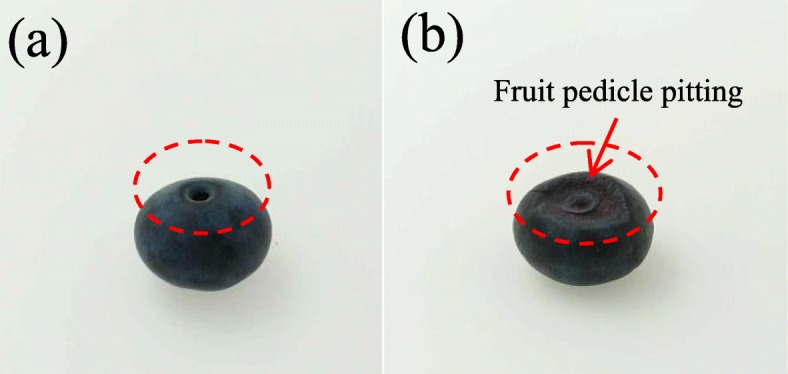
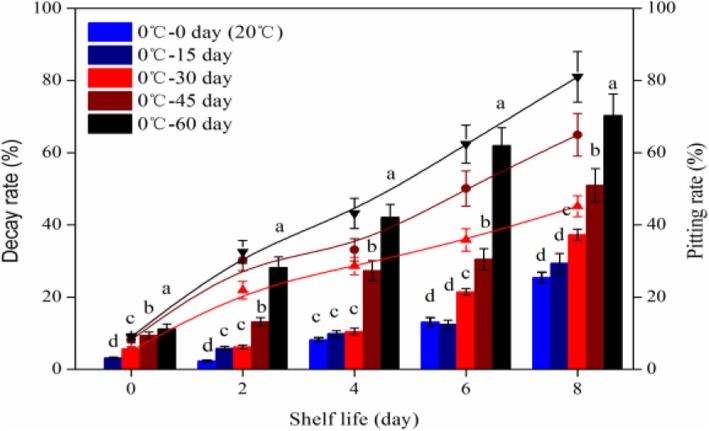
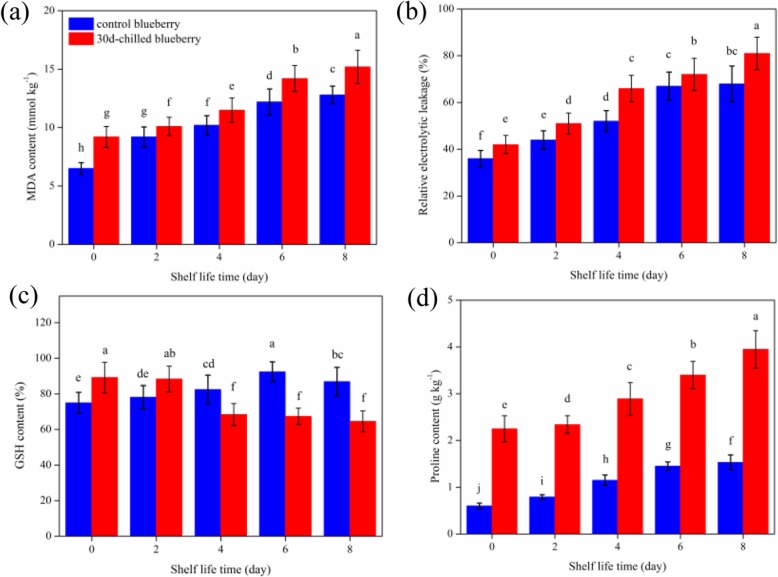
Blueberry (Vaccinium spp.) is a small berry with high economic value. Although cold storage can extend the storage time of blueberry to more than 60 days, it leads to chilling injury (CI) displaying as pedicle pits; and the samples of 0 °C-30 days was the critical point of CI. However, little is known about the mechanism and the molecular basis response to cold stress in blueberry have not been explained definitely. To comprehensively reveal the CI mechanisms in response to cold stress, we performed high-throughput RNA Seq analysis to investigate the gene regulation network in 0d (control) and 30d chilled blueberry. At the same time, the pitting and decay rate, electrolyte leakage (EL), malondialdehyde (MDA) proline content and GSH content were measured.
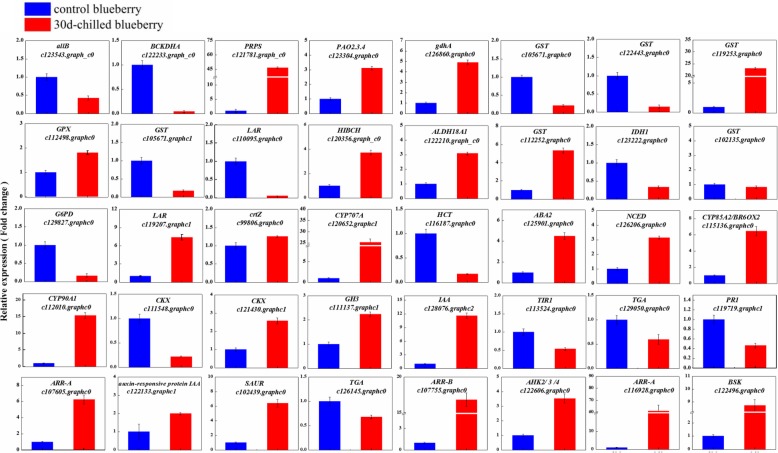
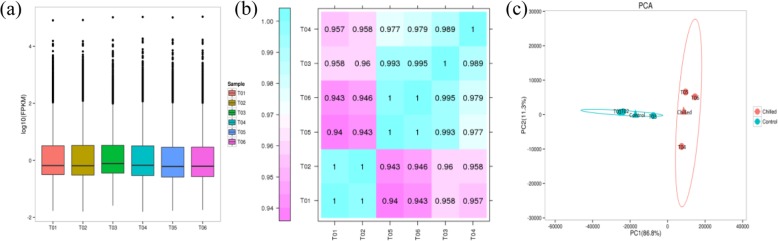
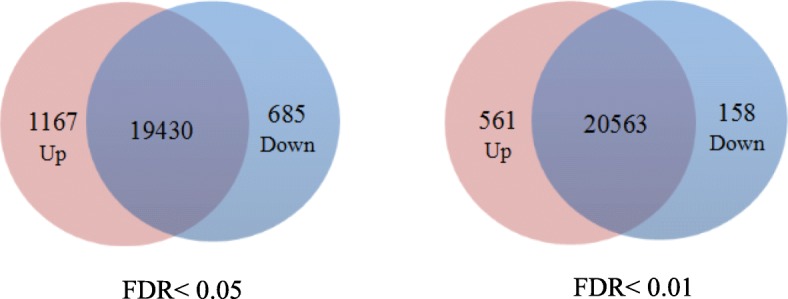
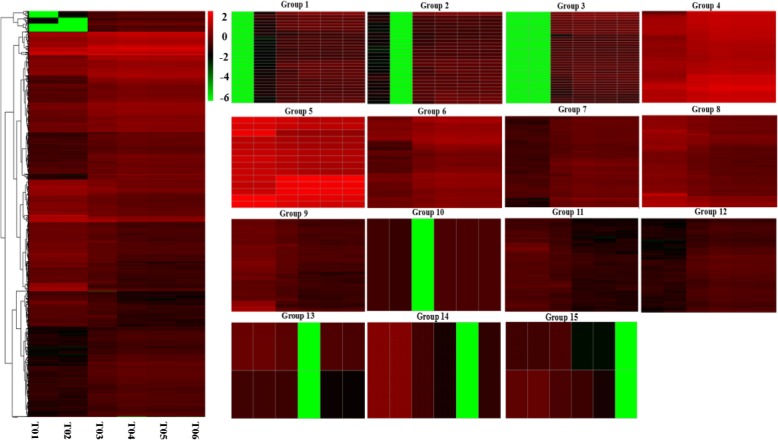
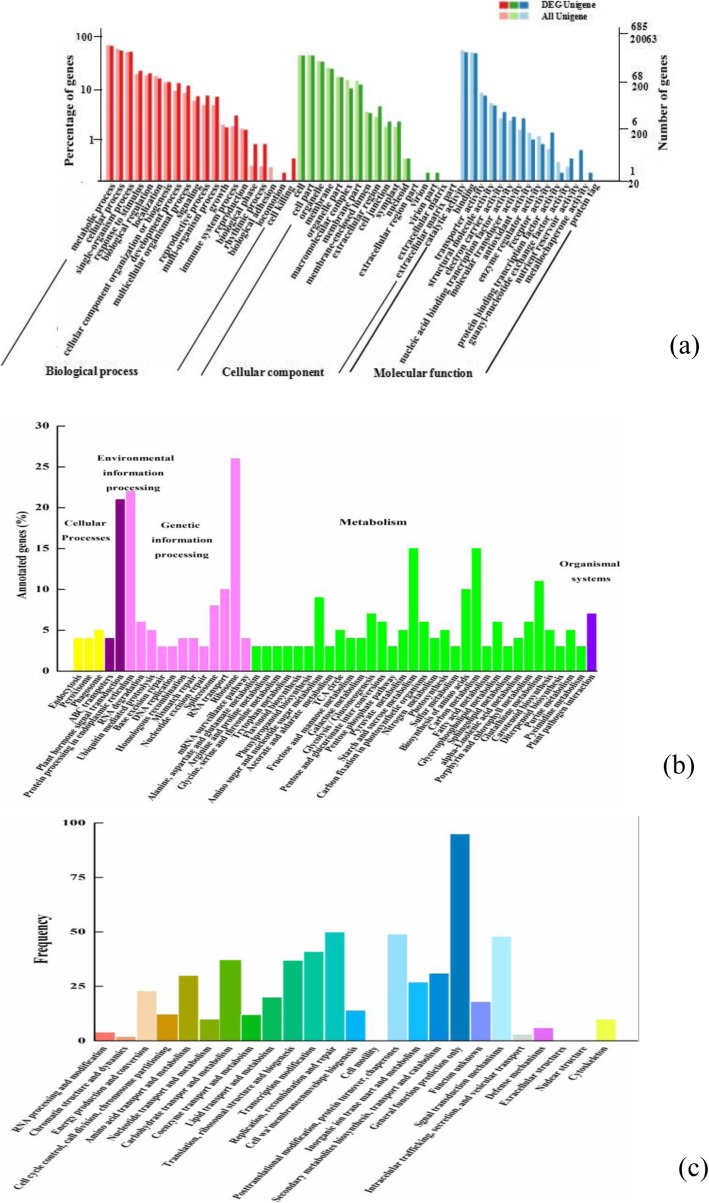
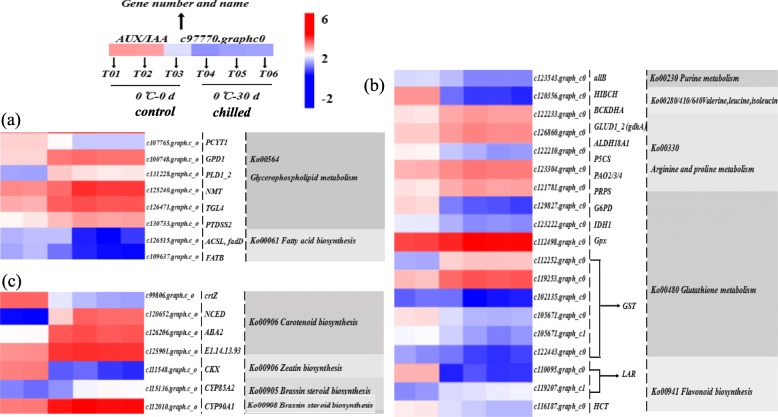
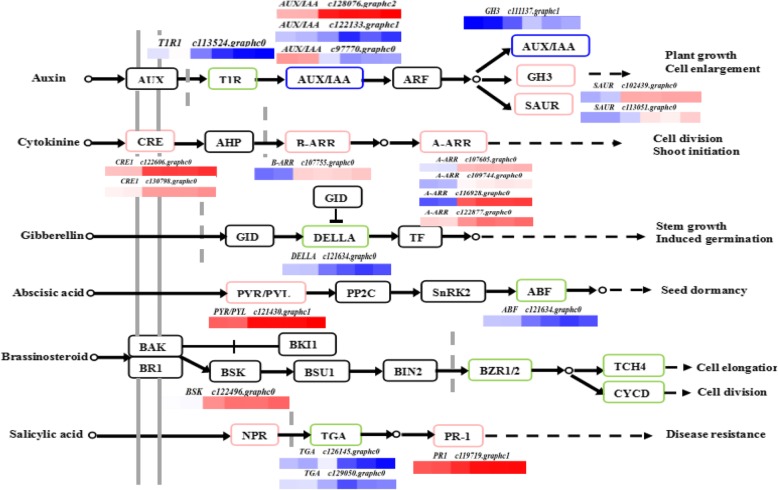
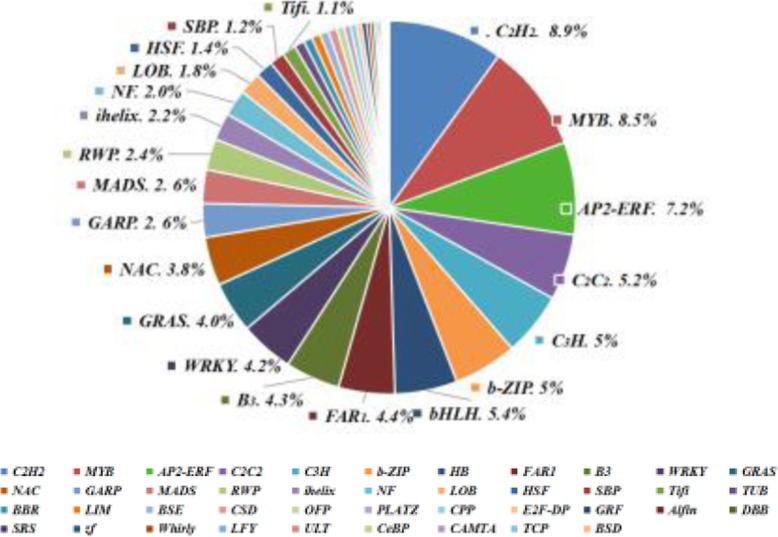
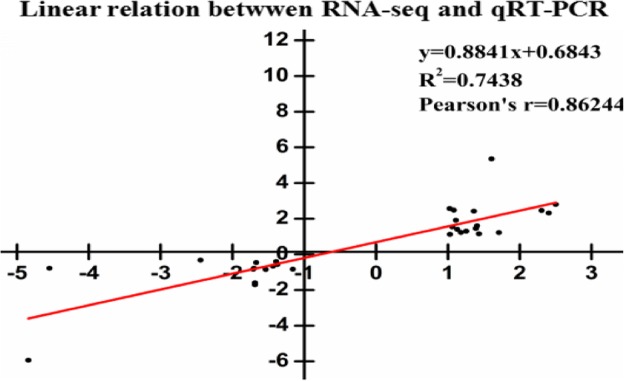
Two cDNA libraries from 0d (control) and 30d chilled samples were constructed and sequenced, generating a total of 35,060 unigenes with an N50 length of 1348 bp. Of these, 1852 were differentially expressed, with 1167 upregulated and 685 downregulated. Forty-five cold-induced transcription factor (TF) families containing 1023 TFs were identified. The DEGs indicated biological processes such as stress responses; cell wall metabolism; abscisic acid, gibberellin, membrane lipid, energy metabolism, cellular components, and molecular functions were significantly responsed to cold storage. The transcriptional level of 40 DEGs were verified by qRT-PCR.
The postharvest cold storage leads serious CI in blueberry, which substantially decreases the quality, storability and consumer acceptance. The MDA content, proline content, EL increased and the GSH content decreased in this chilled process. The biological processes such as stress responses, hormone metabolic processes were significantly affected by CI. Overall, the results obtained here are valuable for preventing CI under cold storage and could help to perfect the lack of the genetic information of non-model plant species.
蓝莓是一种具有高经济价值的小浆果。虽然冷藏可以将蓝莓的贮藏时间延长至 60 天以上,但会导致冷害(CI),表现为果梗凹陷;而 0°C-30 天的样本是 CI 的临界点。然而,目前对于蓝莓对冷胁迫的响应机制和分子基础知之甚少。为了全面揭示冷胁迫下的 CI 机制,我们进行了高通量 RNA-seq 分析,以研究 0d(对照)和 30d 冷藏蓝莓中基因调控网络。同时,测量了凹陷和腐烂率、电解质渗透率(EL)、丙二醛(MDA)、脯氨酸含量和 GSH 含量。
构建并测序了来自 0d(对照)和 30d 冷藏样本的两个 cDNA 文库,共生成 35060 个长度为 1348bp 的 unigenes,其中 1852 个差异表达,1167 个上调,685 个下调。鉴定出包含 1023 个 TF 的 45 个冷诱导转录因子(TF)家族。DEGs 表明,生物过程如应激反应;细胞壁代谢;脱落酸、赤霉素、膜脂质、能量代谢、细胞成分和分子功能对冷储存有显著响应。通过 qRT-PCR 验证了 40 个 DEGs 的转录水平。
采后冷藏会导致蓝莓严重的冷害,显著降低其品质、贮藏性和消费者接受度。在这个冷藏过程中,MDA 含量、脯氨酸含量、EL 增加,GSH 含量减少。应激反应、激素代谢等生物过程受到 CI 的显著影响。总的来说,这里获得的结果对于防止冷藏中的 CI 非常有价值,并有助于完善非模式植物物种的遗传信息缺乏。