Department of Neurosciences, Lerner Research Institute, Cleveland Clinic, Cleveland, OH, USA.
Chemical and Biomedical Engineering Department, Washkewicz College of Engineering, Cleveland State University, Cleveland, OH, USA.
Nat Commun. 2020 Feb 20;11(1):986. doi: 10.1038/s41467-020-14787-y.
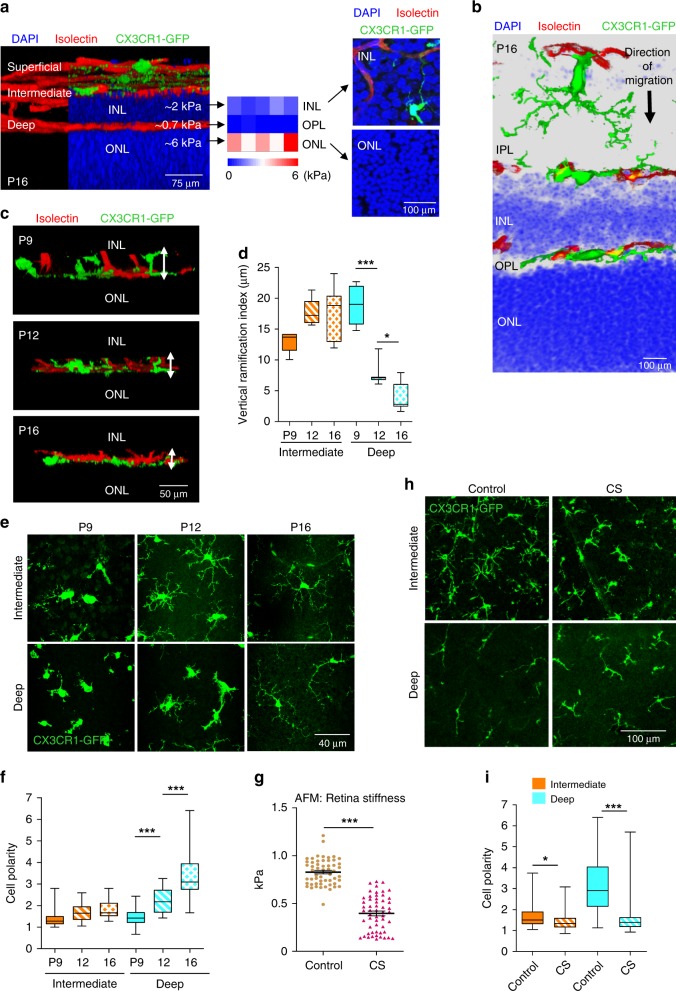
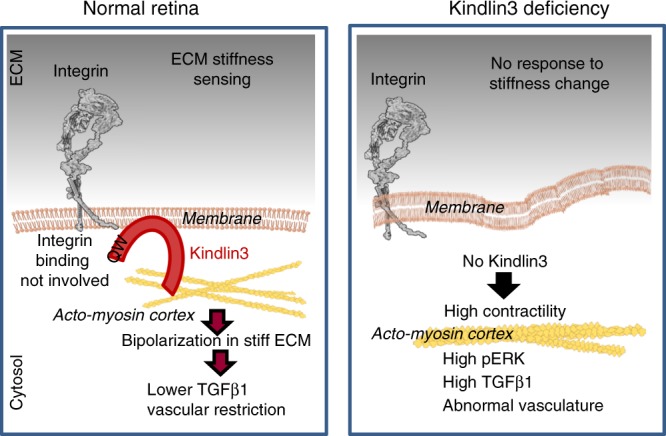
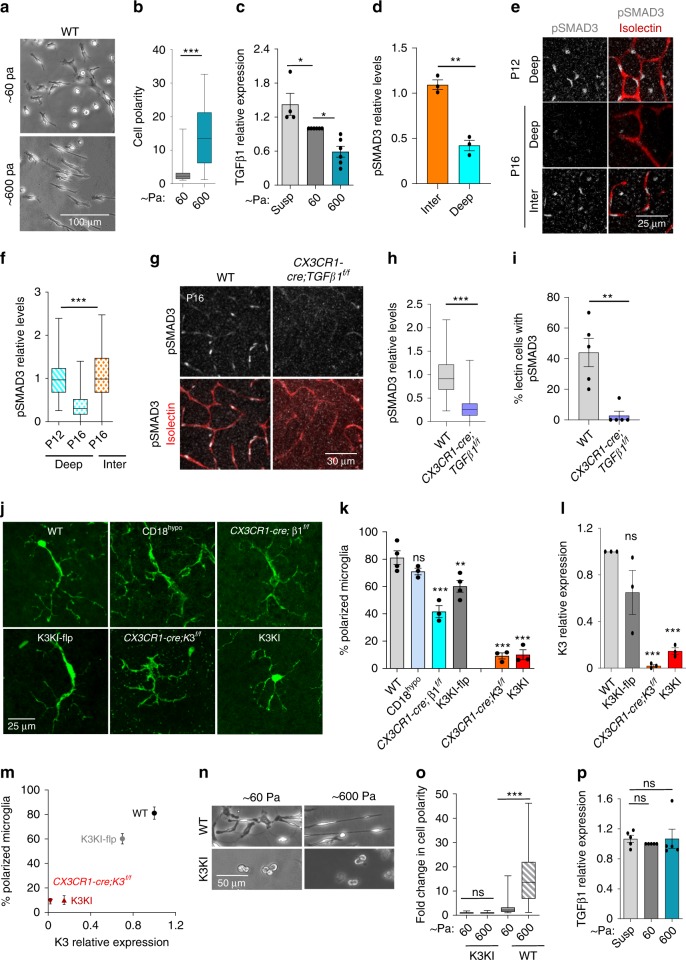
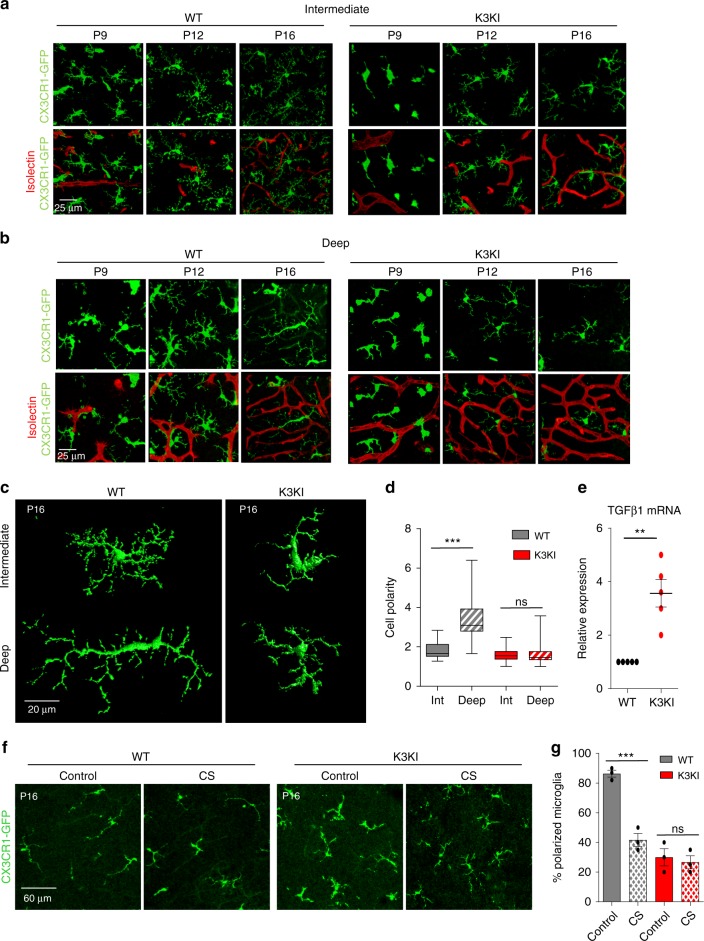
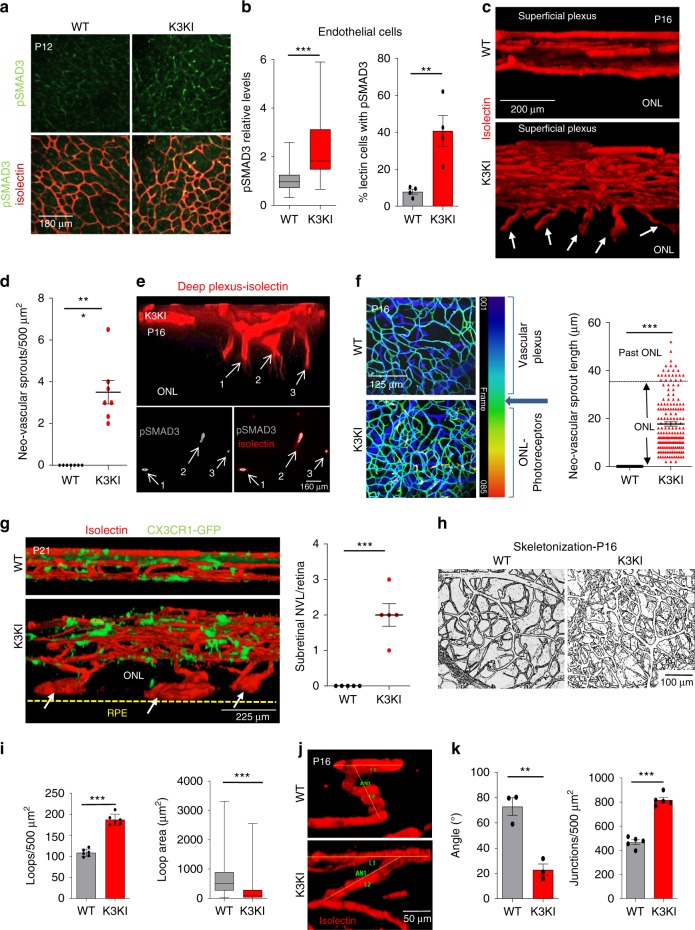
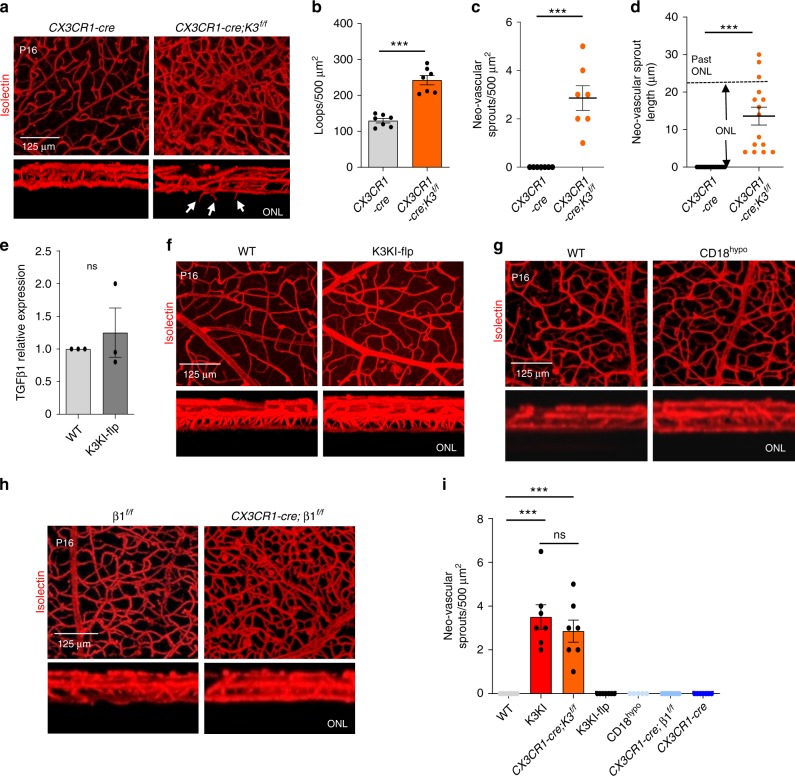
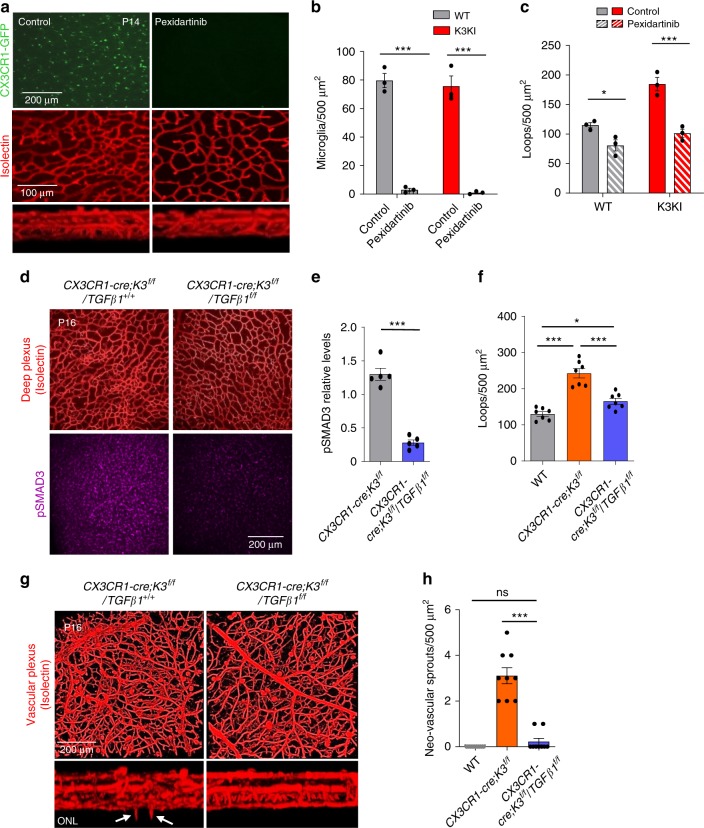
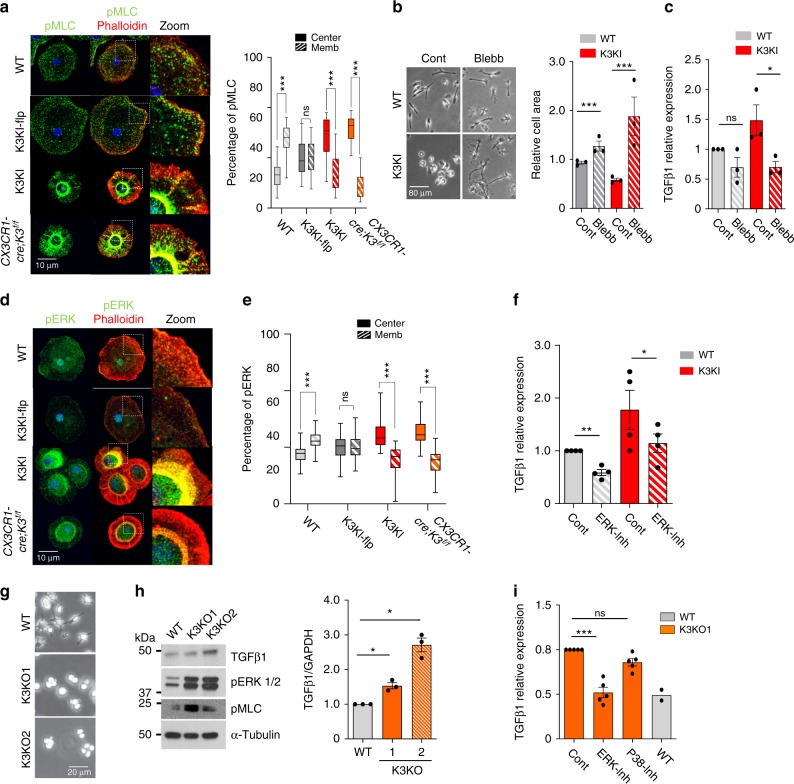
Tissue microarchitecture and mechanics are important in development and pathologies of the Central Nervous System (CNS); however, their coordinating mechanisms are unclear. Here, we report that during colonization of the retina, microglia contacts the deep layer of high stiffness, which coincides with microglial bipolarization, reduction in TGFβ1 signaling and termination of vascular growth. Likewise, stiff substrates induce microglial bipolarization and diminish TGFβ1 expression in hydrogels. Both microglial bipolarization in vivo and the responses to stiff substrates in vitro require intracellular adaptor Kindlin3 but not microglial integrins. Lack of Kindlin3 causes high microglial contractility, dysregulation of ERK signaling, excessive TGFβ1 expression and abnormally-patterned vasculature with severe malformations in the area of photoreceptors. Both excessive TGFβ1 signaling and vascular defects caused by Kindlin3-deficient microglia are rescued by either microglial depletion or microglial knockout of TGFβ1 in vivo. This mechanism underlies an interplay between microglia, vascular patterning and tissue mechanics within the CNS.
组织的微观结构和力学特性在中枢神经系统(CNS)的发育和病理学中非常重要;然而,其协调机制尚不清楚。在这里,我们报告在视网膜的殖民化过程中,小胶质细胞与高硬度的深层接触,这与小胶质细胞的两极化、转化生长因子β1(TGFβ1)信号的减少以及血管生长的终止相一致。同样,刚性基质在水凝胶中诱导小胶质细胞的两极化并减少 TGFβ1 的表达。体内小胶质细胞的两极化以及对刚性基质的反应都需要细胞内衔接蛋白 Kindlin3,但不需要小胶质细胞整合素。Kindlin3 的缺失会导致小胶质细胞的高收缩性、细胞外信号调节激酶(ERK)信号的失调、TGFβ1 的过度表达以及感光器区域异常模式的血管畸形和严重的畸形。缺乏 Kindlin3 会导致 TGFβ1 信号的过度和血管缺陷,这两种缺陷都可以通过体内小胶质细胞耗竭或 TGFβ1 敲除小胶质细胞来挽救。这种机制是小胶质细胞、血管模式和中枢神经系统内组织力学之间相互作用的基础。