Walimbe Tanaya, Panitch Alyssa
Laboratory of Engineered Therapeutics, Department of Biomedical Engineering, University of California, Davis, Davis, CA, United States.
Front Pharmacol. 2020 Jan 29;10:1661. doi: 10.3389/fphar.2019.01661. eCollection 2019.
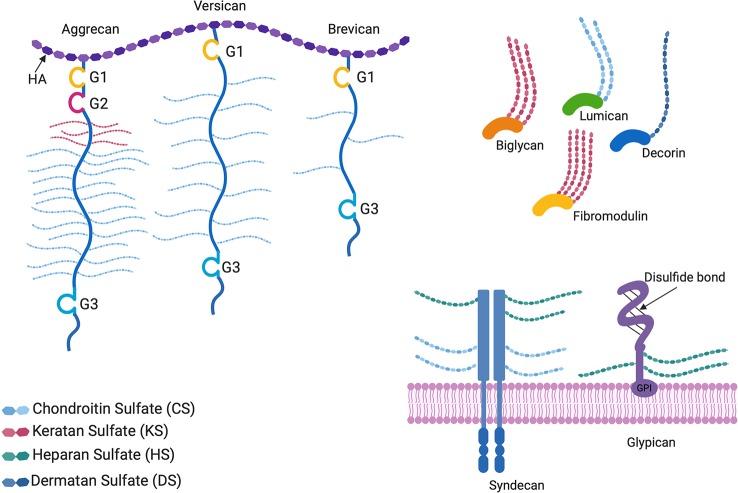
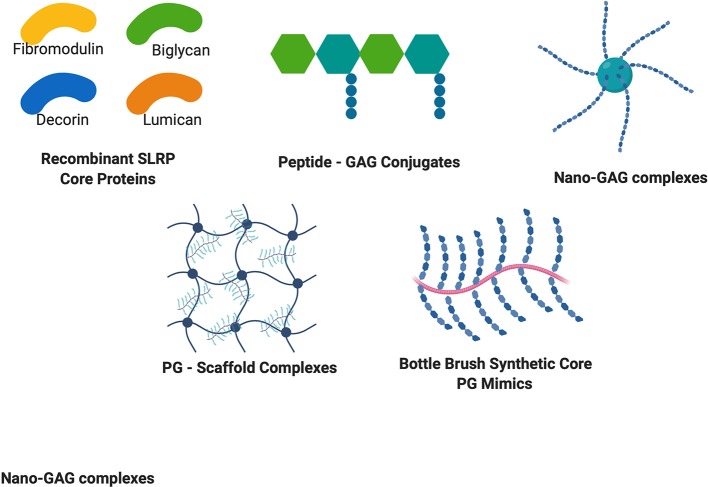
Proteoglycans have emerged as biomacromolecules with important roles in matrix remodeling, homeostasis, and signaling in the past two decades. Due to their negatively charged glycosaminoglycan chains as well as distinct core protein structures, they interact with a variety of molecules, including matrix proteins, growth factors, cytokines and chemokines, pathogens, and enzymes. This led to the dawn of glycan therapies in the 20 century, but this research was quickly overshadowed by readily available DNA and protein-based therapies. The recent development of recombinant technology and advances in our understanding of proteoglycan function have led to a resurgence of these molecules as potential therapeutics. This review focuses on the recent preclinical efforts that are bringing proteoglycan research and therapies back to the forefront. Examples of studies using proteoglycan cores and mimetics have also been included to give the readers a perspective on the wide-ranging and extensive applications of these versatile molecules. Collectively, these advances are opening new avenues for targeting diseases at a molecular level, and providing avenues for the development of new and exciting treatments in regenerative medicine.
在过去二十年中,蛋白聚糖已成为在基质重塑、体内平衡和信号传导中发挥重要作用的生物大分子。由于其带负电荷的糖胺聚糖链以及独特的核心蛋白结构,它们与多种分子相互作用,包括基质蛋白、生长因子、细胞因子和趋化因子、病原体及酶。这引发了20世纪聚糖疗法的兴起,但这项研究很快被现成的基于DNA和蛋白质的疗法所掩盖。重组技术的最新发展以及我们对蛋白聚糖功能认识的进步,使得这些分子作为潜在疗法再度兴起。本综述重点关注近期将蛋白聚糖研究和疗法推回前沿的临床前研究工作。还纳入了使用蛋白聚糖核心和模拟物的研究实例,以便让读者了解这些多功能分子的广泛应用。总体而言,这些进展正在为在分子水平上靶向疾病开辟新途径,并为再生医学中令人兴奋的新疗法的开发提供途径。