Sõukand Renata, Stryamets Nataliya, Fontefrancesco Michele Filippo, Pieroni Andrea
Università Ca' Foscari Venezia, Italy.
Università di Scienze Gastronomiche, Pollenzo, Italy.
Heliyon. 2020 Jan 17;6(1):e03222. doi: 10.1016/j.heliyon.2020.e03222. eCollection 2020 Jan.
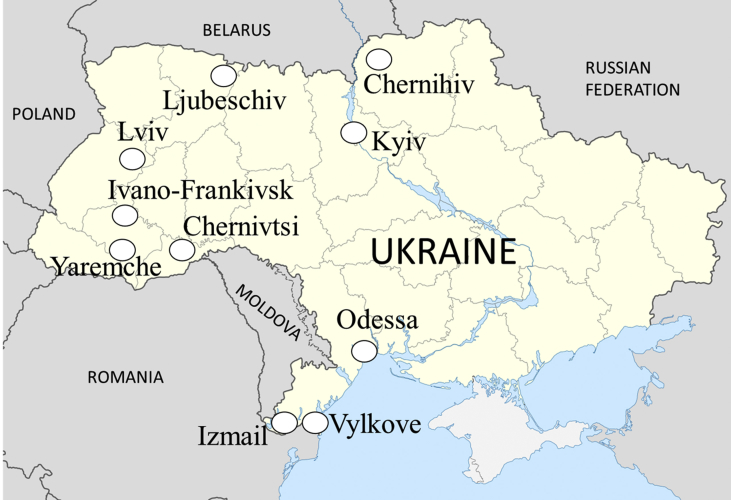
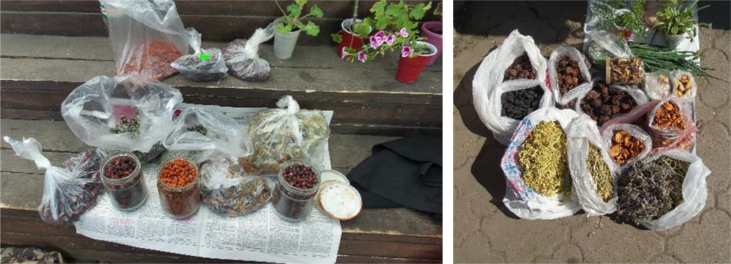
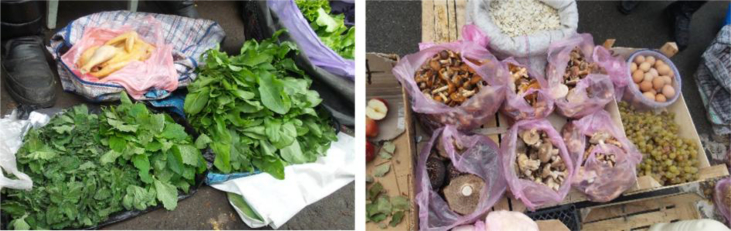
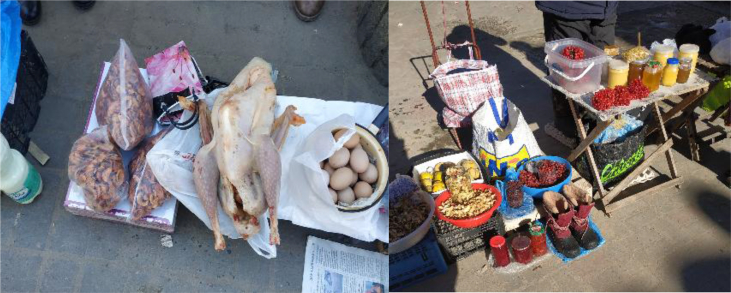
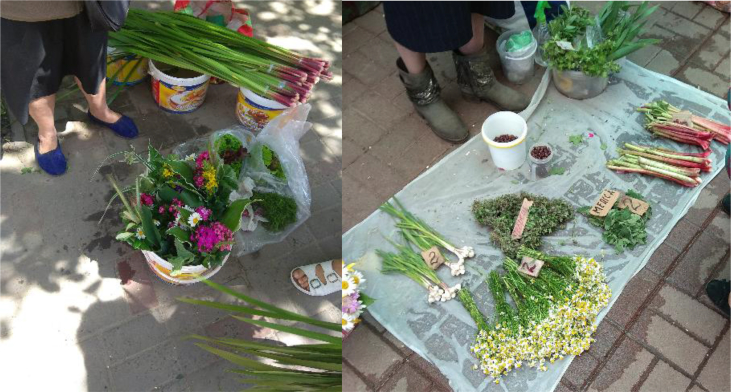
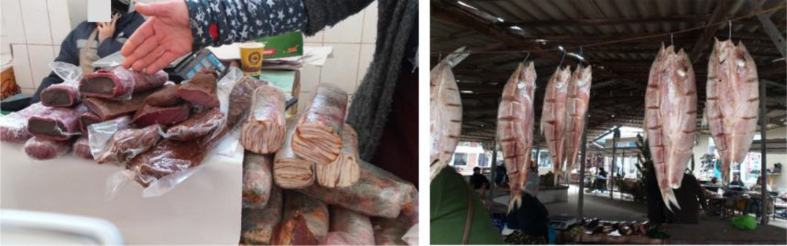
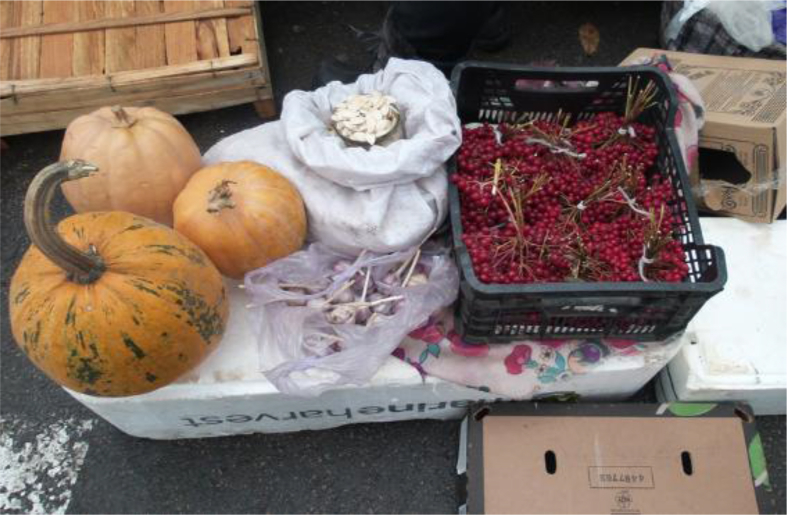
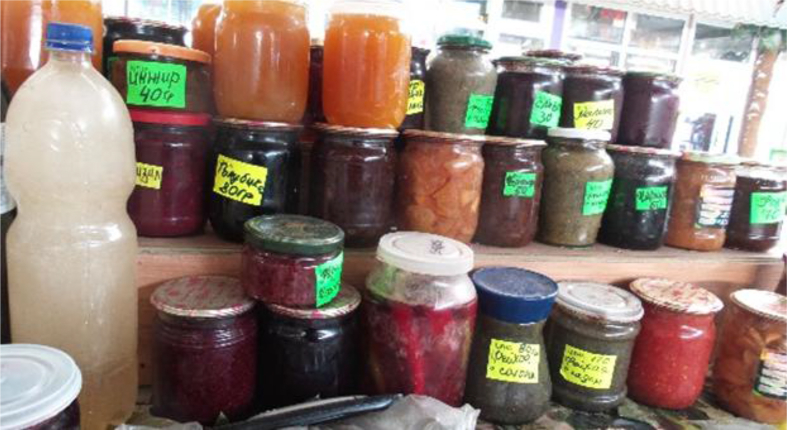
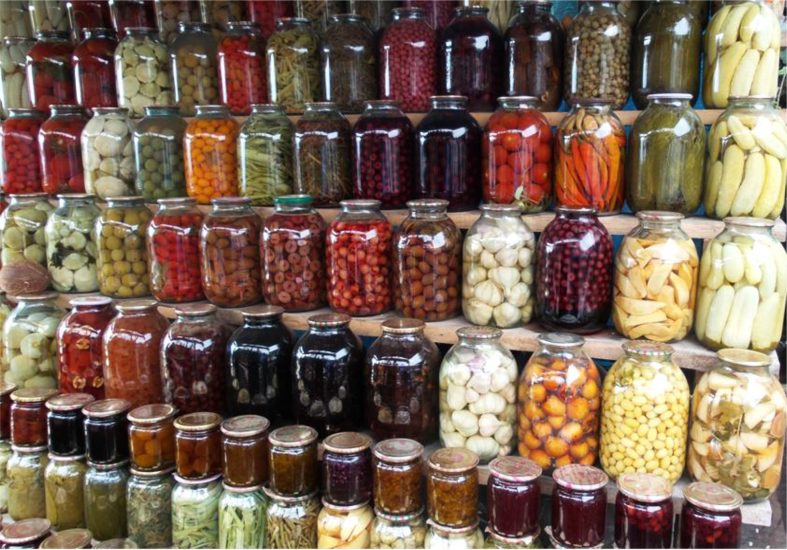
informal markets selling several homemade gastronomic plant and animal-based products and culinary preparations, as well as wild and cultivated plants, and sometimes family butchered barnyard animals are extremely popular in Ukraine. In this field study that we conducted over a few years we inventoried the most relevant food plant products sold in these markets and we analysed how these markets represent remarkable food refugia for several local niche foods. In addition, we researched the historical and socio-economic reasons for the start, survival, and revival of this phenomenon, which had its origin during the Communist period. We furthermore evaluated similar recent trends in other Eastern European countries and especially those which had a very different post-Communist trajectory with the aim of addressing the possible factors affecting their survival and what could be done to preserve their existence. In particular, in a few of these countries (i.e. Azerbaijan) we observed how informal food markets represent experimental fields where gastronomic knowledge is not only "preserved", but also reinvented, possibly in response to the preferences and requests of a city's customers.
在乌克兰,售卖多种自制的以植物和动物为原料的美食产品、烹饪制品,以及野生和种植植物,有时还有家庭屠宰的家禽家畜的非正式市场极其受欢迎。在我们进行了数年的这项实地研究中,我们对这些市场上销售的最相关的食用植物产品进行了编目,并分析了这些市场如何成为几种当地小众食品的重要食物避难所。此外,我们研究了这一始于共产主义时期的现象得以兴起、存续和复兴的历史及社会经济原因。我们还评估了其他东欧国家近期的类似趋势,尤其是那些后共产主义轨迹截然不同的国家,目的是找出影响它们存续的可能因素以及如何采取措施保护它们的存在。特别是,在其中一些国家(如阿塞拜疆),我们观察到非正式食品市场如何成为试验场,在那里,美食知识不仅得到“保存”,还可能根据城市顾客的偏好和需求进行重塑。