Wu Bo, Wang Qi, Cao Jie, Mei Jun, Xie Jing
College of Food Science and Technology, Shanghai Ocean University, Shanghai 201306, China.
National Experimental Teaching Demonstration Center for Food Science and Engineering, Shanghai Ocean University, Shanghai 201306, China.
Biology (Basel). 2020 Feb 21;9(2):37. doi: 10.3390/biology9020037.
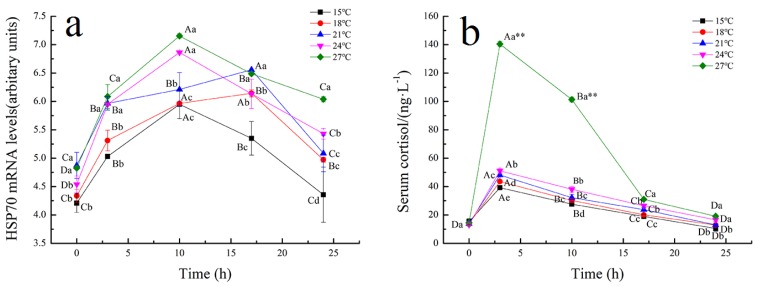
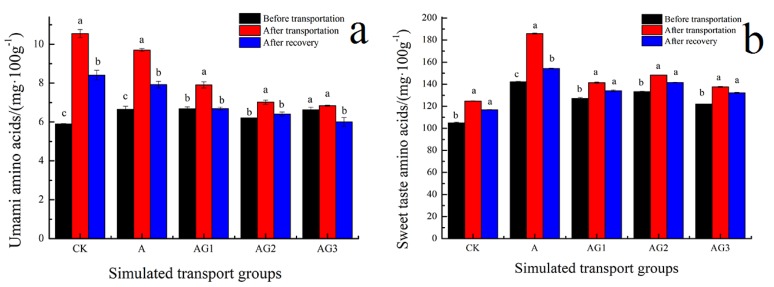
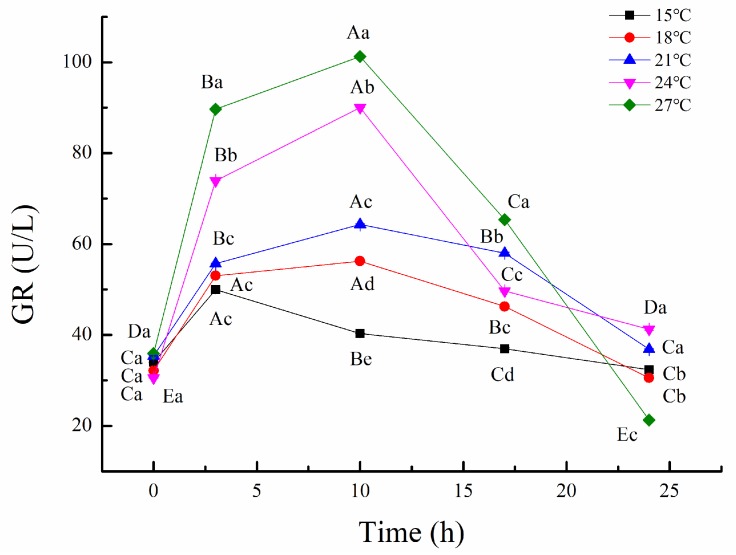
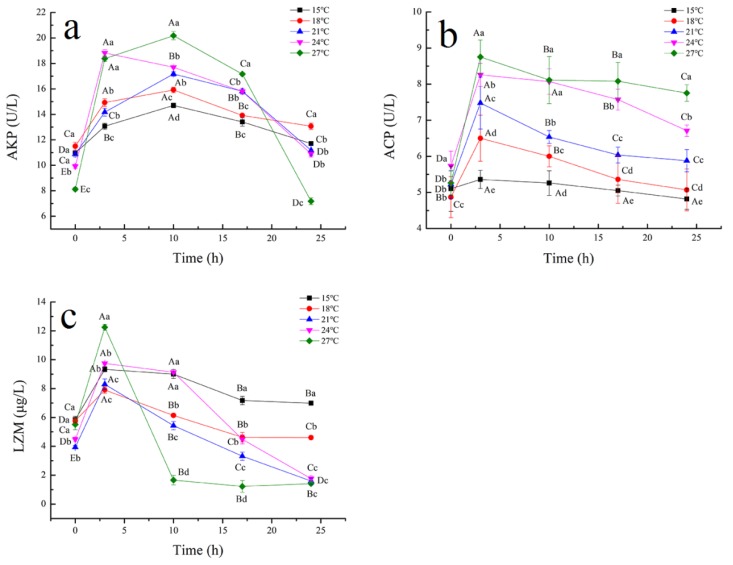
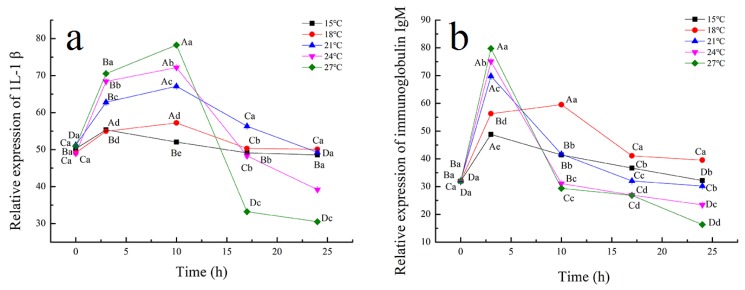
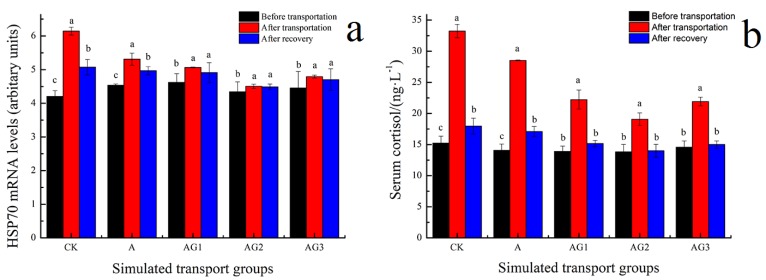
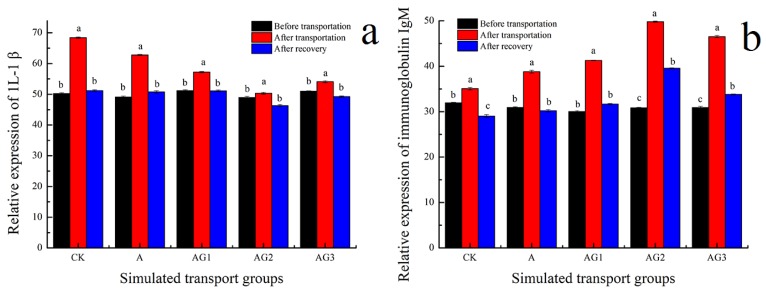
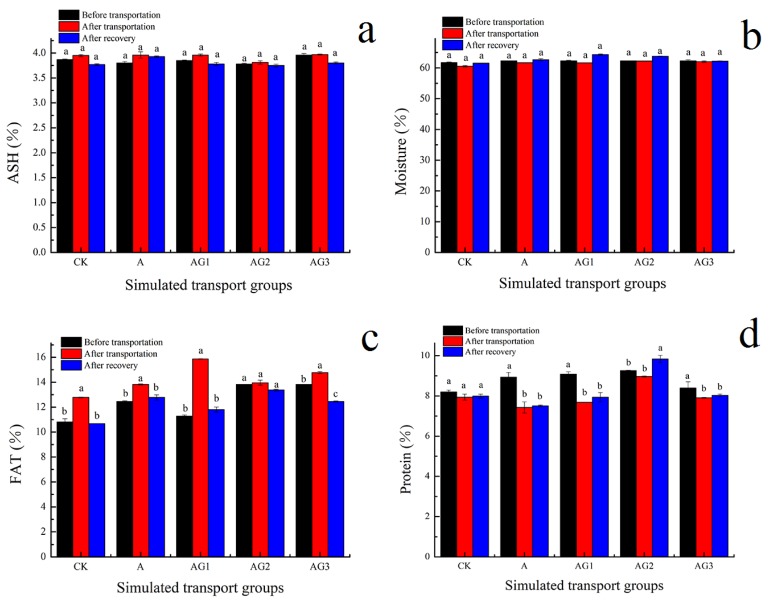
Transport in water is the most common method for achieving high survival rates when transporting cultured fish in China; yet, transport success relies on proper water quality and conditions. This research was designed to explore the effects of ascorbic acid and β-1,3-glucan on survival, physiological responses, and flesh quality of farmed tiger grouper () during simulated transport. The transport water temperature for live tiger grouper was 15 °C, which had the highest survival rate, the lowest stress response, and metabolic rate, and this will reduce the susceptibility to diseases. It is stated that β-1,3-glucan influences the changes of cortisol content, heat shock protein 70, IL-1β, and IgM transcription levels during simulated transport. Rather than using ascorbic acid alone (the A-group), β-1,3-glucan (3.2 mg/L) in the presence of ascorbic acid (25 mg/L) can effectively reduce the increase of transport-induced serum cortisol content, heat shock protein 70, and IL-1β, but stimulated IgM. 25 mg/L ascorbic acid and 3.2 mg/L β-1,3-glucan had no obvious effect on the nutritional indexes and flavor of live tiger grouper; however, these can effectively reduce the stress response, improve the innate immune activity, and ensure a higher survival rate.
在中国,水运是养殖鱼类运输过程中实现高存活率最常用的方法;然而,运输的成功依赖于合适的水质和条件。本研究旨在探讨抗坏血酸和β-1,3-葡聚糖对养殖老虎斑( )在模拟运输过程中的存活率、生理反应和肉质的影响。活老虎斑的运输水温为15°C,此时存活率最高,应激反应和代谢率最低,这将降低疾病易感性。研究表明,β-1,3-葡聚糖会影响模拟运输过程中皮质醇含量、热休克蛋白70、白细胞介素-1β和免疫球蛋白M转录水平的变化。与单独使用抗坏血酸(A组)相比,在抗坏血酸(25mg/L)存在的情况下添加β-1,3-葡聚糖(3.2mg/L)可有效降低运输诱导的血清皮质醇含量、热休克蛋白70和白细胞介素-1β的升高,但会刺激免疫球蛋白M。25mg/L抗坏血酸和3.2mg/Lβ-1,3-葡聚糖对活老虎斑的营养指标和风味没有明显影响;然而,这些物质可以有效减轻应激反应,提高先天免疫活性,并确保更高的存活率。