Vittoria De Martini Ilaria, Pfammatter Thomas, Puippe Gilbert, Clavien Pierre-Alain, Alkadhi Hatem
Institute of Diagnostic and Interventional Radiology, University Hospital Zurich, University of Zurich, Raemistrasse 100, 8091 Zurich, Switzerland.
Department of Surgery and Transplantation, University Hospital Zurich, University of Zurich, Raemistrasse 100, 8091 Zurich, Switzerland.
Eur J Radiol Open. 2020 Feb 12;7:100221. doi: 10.1016/j.ejro.2020.100221. eCollection 2020.
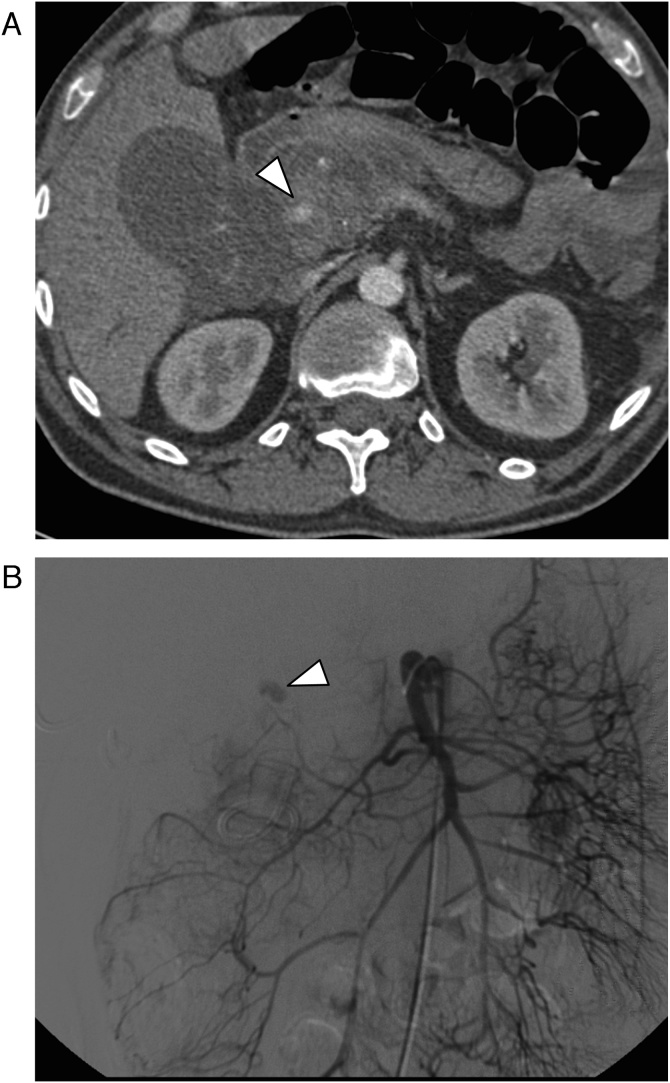
Visceral artery pseudoaneurysms (VAPA) are associated with a high morbidity and mortality, but sometimes are missed in initial computed tomography (CT) examinations. The aims of this study were to determine the frequency and causes of misdiagnoses of VAPA with CT.
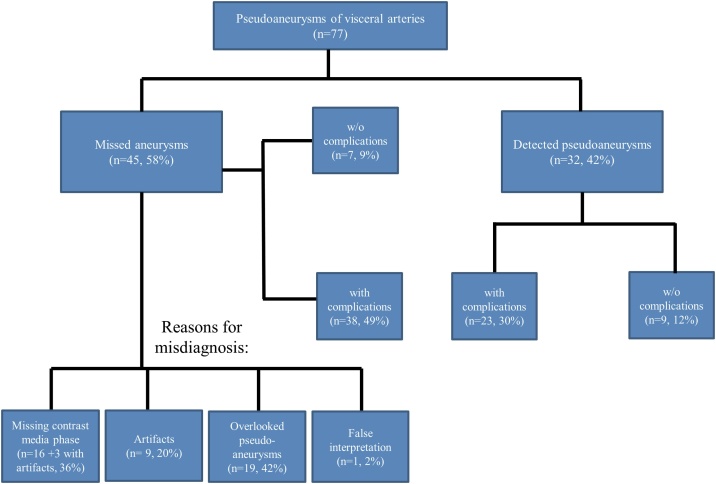
We retrospectively identified 77 patients with VAPA in our database who underwent contrast-enhanced CT. The frequency of delayed diagnosis was determined and the reasons were noted. We identified the etiology of VAPA, measured size, and noted the affected vessels.
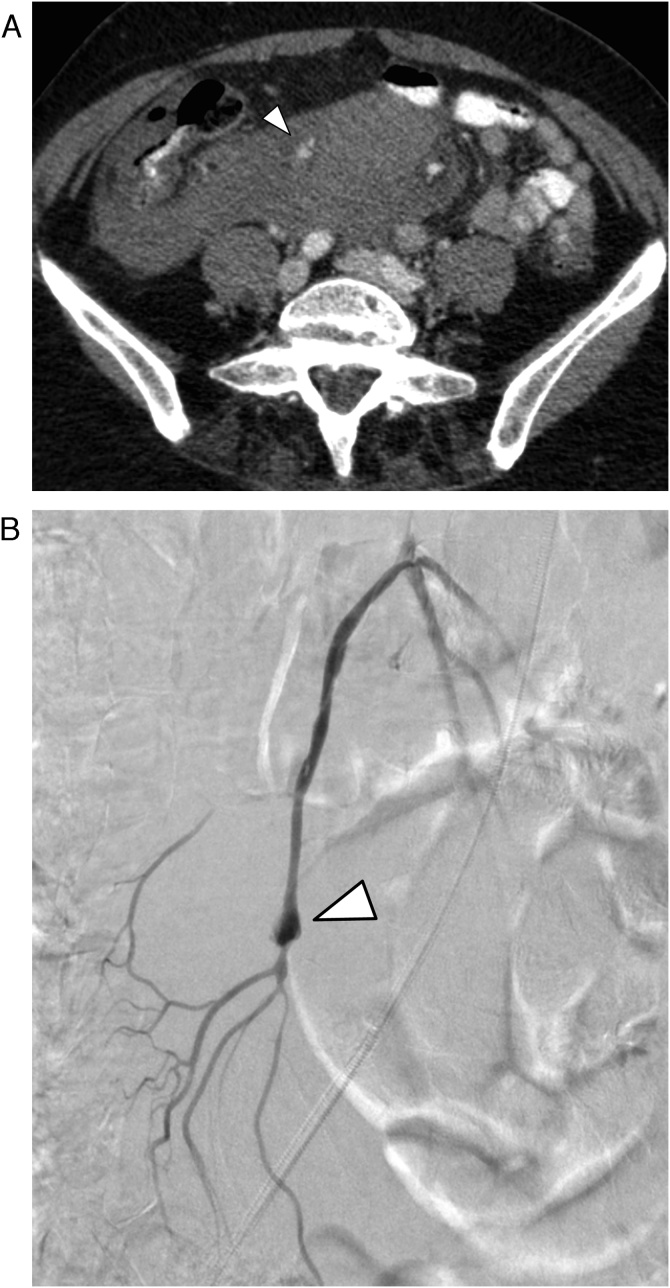
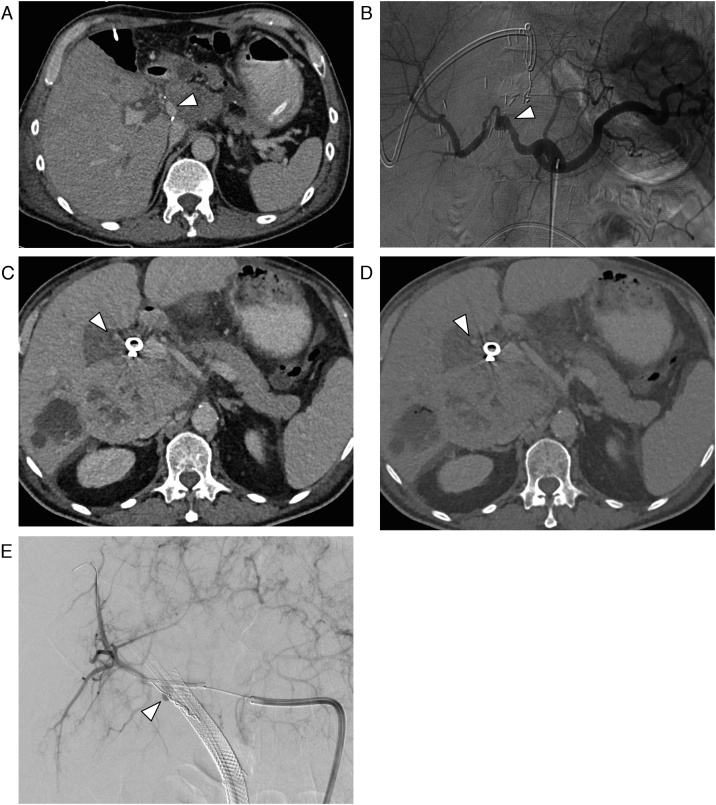
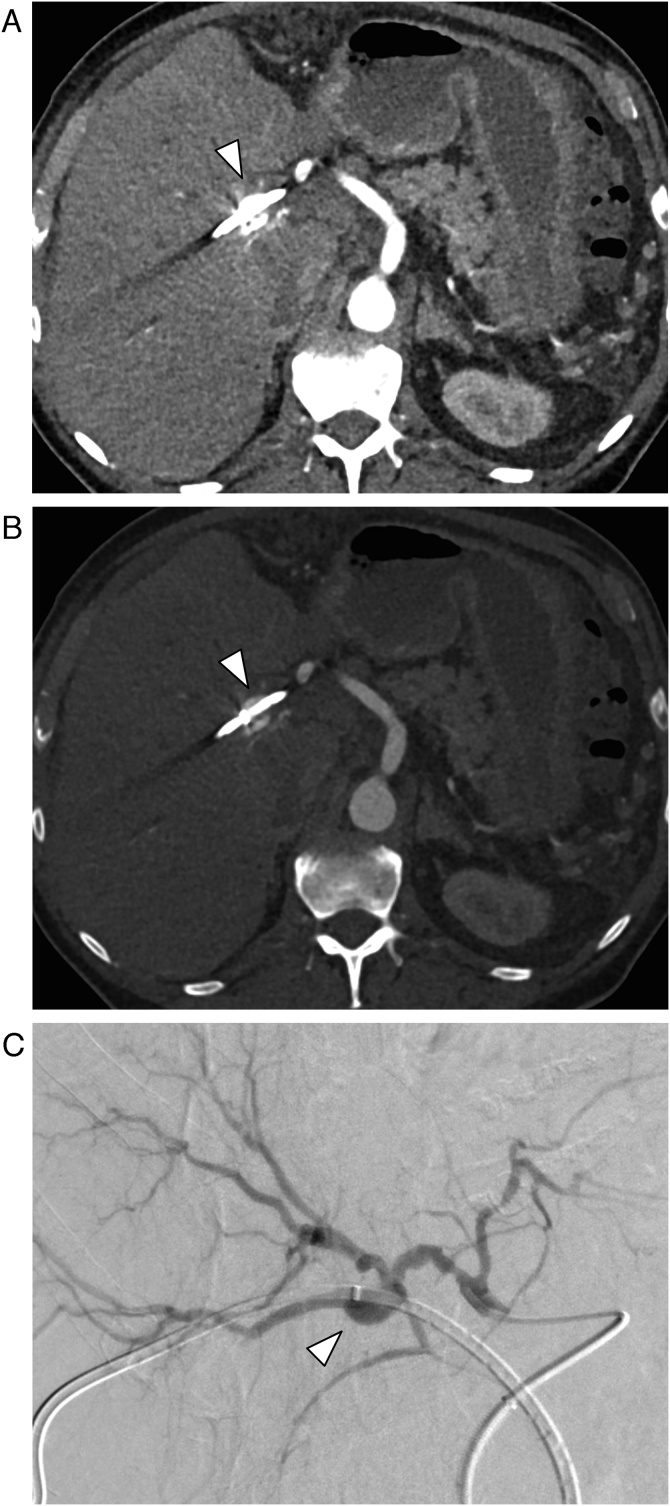
Forty-five of the 77 patients (58 %) had a delayed diagnosis of VAPA. There was no difference in the rate of missed VAPA in symptomatic compared to asymptomatic patients (p = 0.255). The majority of VAPA were associated with previous surgery or interventions (n = 48/62 %). The major affected vessel was the hepatic (n = 31) followed by the splenic artery (n = 17). The main reasons for misdiagnosis were a missed arterial phase in CT (n = 16/36 %), artifacts masking the aneurysm (n = 9/20 %), overlooked pseudoaneurysm (n = 19/42 %), and misinterpretation by attending radiologists (n = 1/2 %). Missed VAPA were smaller (median 8 mm) than those VAPA that were initially diagnosed (median 13 mm, p < 0.01), but occurred with a similar frequency in larger and smaller visceral arteries (p = 0.601).
Our study showed that 58 % of VAPA were diagnosed with delay, with the following four reasons for misdiagnosis: Lack of an arterial contrast phase in CT, no techniques for artifact reduction, and lack of awareness of the radiologists. Avoiding delayed diagnosis will most probably improve outcome of patients with VAPA.
内脏动脉假性动脉瘤(VAPA)与高发病率和死亡率相关,但有时在初次计算机断层扫描(CT)检查中会被漏诊。本研究的目的是确定CT误诊VAPA的频率和原因。
我们回顾性地在数据库中识别出77例接受增强CT检查的VAPA患者。确定延迟诊断的频率并记录原因。我们确定了VAPA的病因,测量了大小,并记录了受影响的血管。
77例患者中有45例(58%)VAPA诊断延迟。有症状患者与无症状患者的VAPA漏诊率无差异(p = 0.255)。大多数VAPA与既往手术或干预有关(n = 48/62%)。主要受影响的血管是肝动脉(n = 31),其次是脾动脉(n = 17)。误诊的主要原因是CT动脉期漏扫(n = 16/36%)、伪影掩盖动脉瘤(n = 9/20%)、漏诊假性动脉瘤(n = 19/42%)以及主治放射科医生的误判(n = 1/2%)。漏诊的VAPA比最初诊断的VAPA小(中位数8mm)(中位数13mm,p < 0.01),但在大小不同的内脏动脉中出现频率相似(p = 0.601)。
我们的研究表明,58%的VAPA被延迟诊断,误诊原因有以下四点:CT动脉造影期缺失、缺乏减少伪影的技术以及放射科医生缺乏认识。避免延迟诊断很可能会改善VAPA患者的预后。