UK Centre for Tobacco and Alcohol Studies, Liverpool, UK.
Faculty of Health and Social Care, University of Chester, Chester, UK.
Psychopharmacology (Berl). 2020 May;237(5):1343-1358. doi: 10.1007/s00213-020-05462-7. Epub 2020 Feb 26.
Cue avoidance training (CAT) reduces alcohol consumption in the laboratory. However, the neural mechanisms that underlie the effects of this intervention are poorly understood.
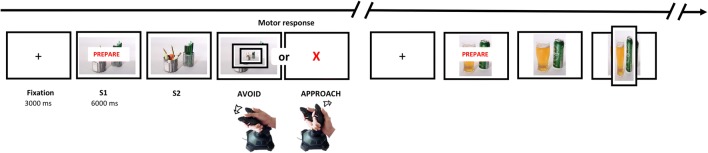
The present study investigated the effects of a single session of CAT on event-related and readiness potentials during preparation of approach and avoidance movements to alcohol cues.
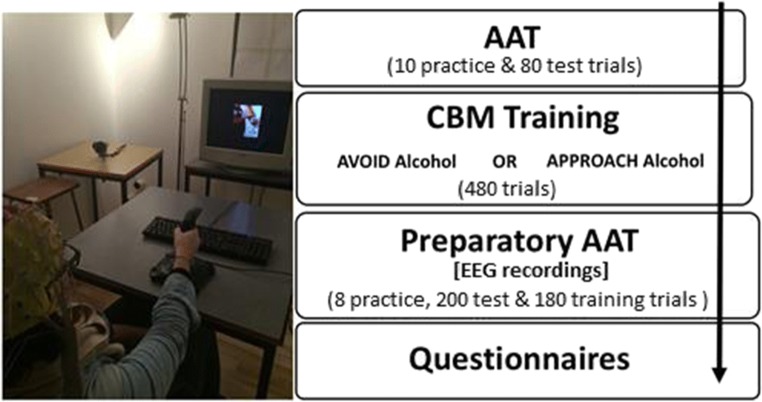
Heavy drinking young adults (N = 60) were randomly assigned to complete either CAT or control training. After training, we recorded participants' event-related and motor readiness potentials as they were preparing to respond.
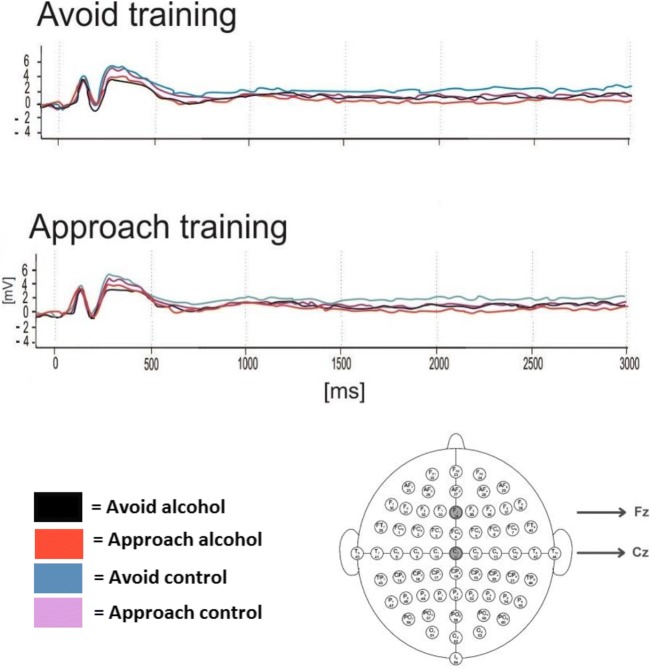
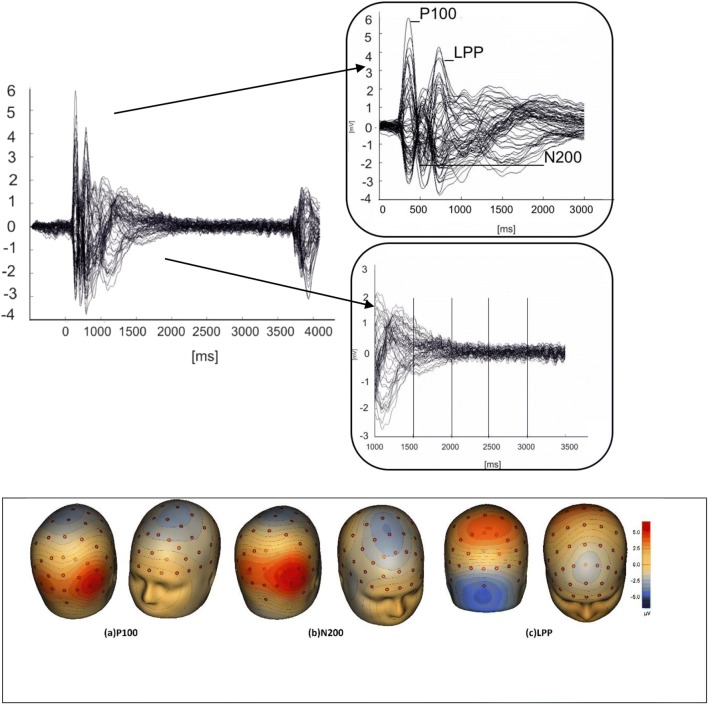
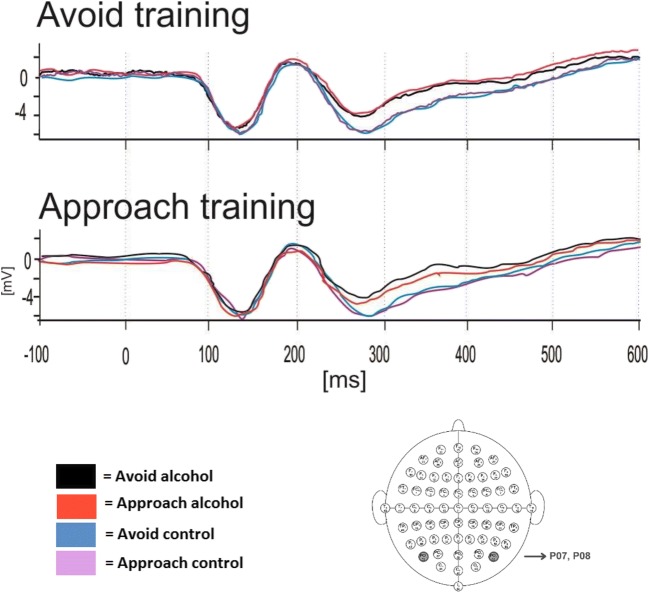
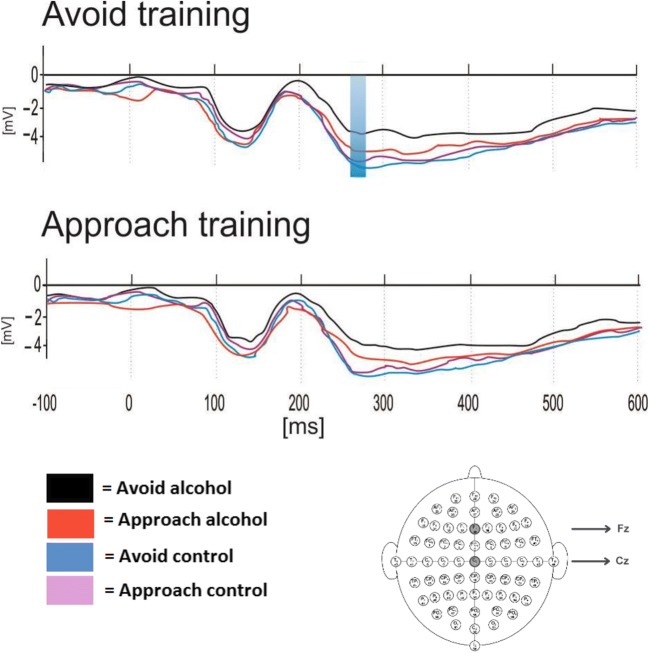
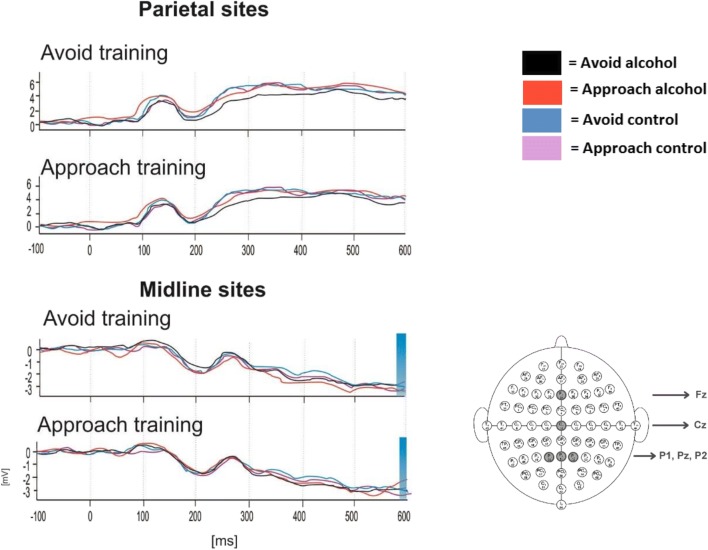
In the CAT group, N200 amplitude was higher when preparing to approach rather than avoid alcohol pictures. In the control group, N200 amplitudes did not differ for approach and avoidance to alcohol pictures. Regarding the late positive potential (LPP), in the CAT group, the negativity of this was blunted when preparing to avoid alcohol pictures relative to when preparing to avoid control pictures. In the control group, the negativity of the LPP was blunted when preparing to approach alcohol pictures relative to when preparing to approach control pictures. There were no effects on motor readiness potentials. Behavioural effects indicated short-lived effects of training on reaction times during the training block that did not persist when participants were given time to prepare their motor response before executing it during the EEG testing block.
After a single session of CAT, the enhanced N200 when approaching alcohol cues may indicate the engagement of executive control to overcome the associations learned during training. These findings clarify the neural mechanisms that may underlie the effects of CAT on drinking behaviour.
线索回避训练(CAT)可减少实验室中的酒精摄入量。但是,这种干预措施的神经机制仍知之甚少。
本研究调查了单次 CAT 对接近和回避酒精线索时准备运动期间事件相关和准备电位的影响。
将大量饮酒的年轻成年人(N=60)随机分配到 CAT 或对照训练组。训练后,我们记录了参与者在准备反应时的事件相关和运动准备电位。
在 CAT 组中,当准备接近而不是回避酒精图片时,N200 振幅更高。在对照组中,接近和回避酒精图片时,N200 振幅没有差异。关于晚期正电位(LPP),在 CAT 组中,相对于准备回避对照图片时,准备回避酒精图片时的 LPP 负性被削弱。在对照组中,当准备接近酒精图片时,LPP 的负性相对于准备接近对照图片时被削弱。运动准备电位没有影响。行为效应表明,训练对训练块中反应时间的短期影响不会持续,当参与者在 EEG 测试块中准备执行运动反应时,他们有时间准备运动反应。
单次 CAT 后,接近酒精线索时增强的 N200 可能表明执行控制的参与,以克服训练期间习得的关联。这些发现阐明了 CAT 对饮酒行为影响的神经机制。