Tianjin Key Laboratory of Ionic-Molecular Function of Cardiovascular Disease, Department of Cardiology, Tianjin Institute of Cardiology, Second Hospital of Tianjin Medical University, Tianjin 300211, China.
Tianjin Key Laboratory of Exercise Physiology and Sports Medicine, Department of Health & Exercise Science, Tianjin University of Sport, Tianjin 300381, China.
Oxid Med Cell Longev. 2020 Feb 13;2020:2468031. doi: 10.1155/2020/2468031. eCollection 2020.
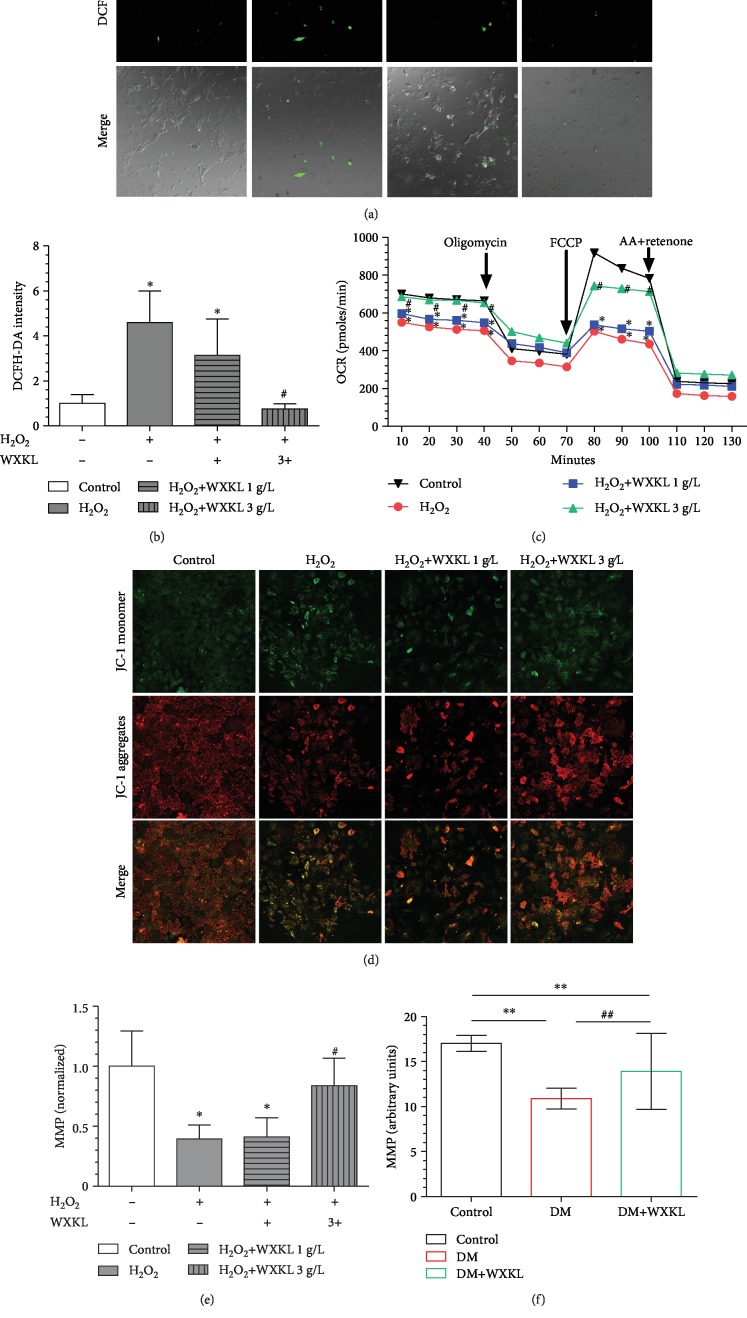
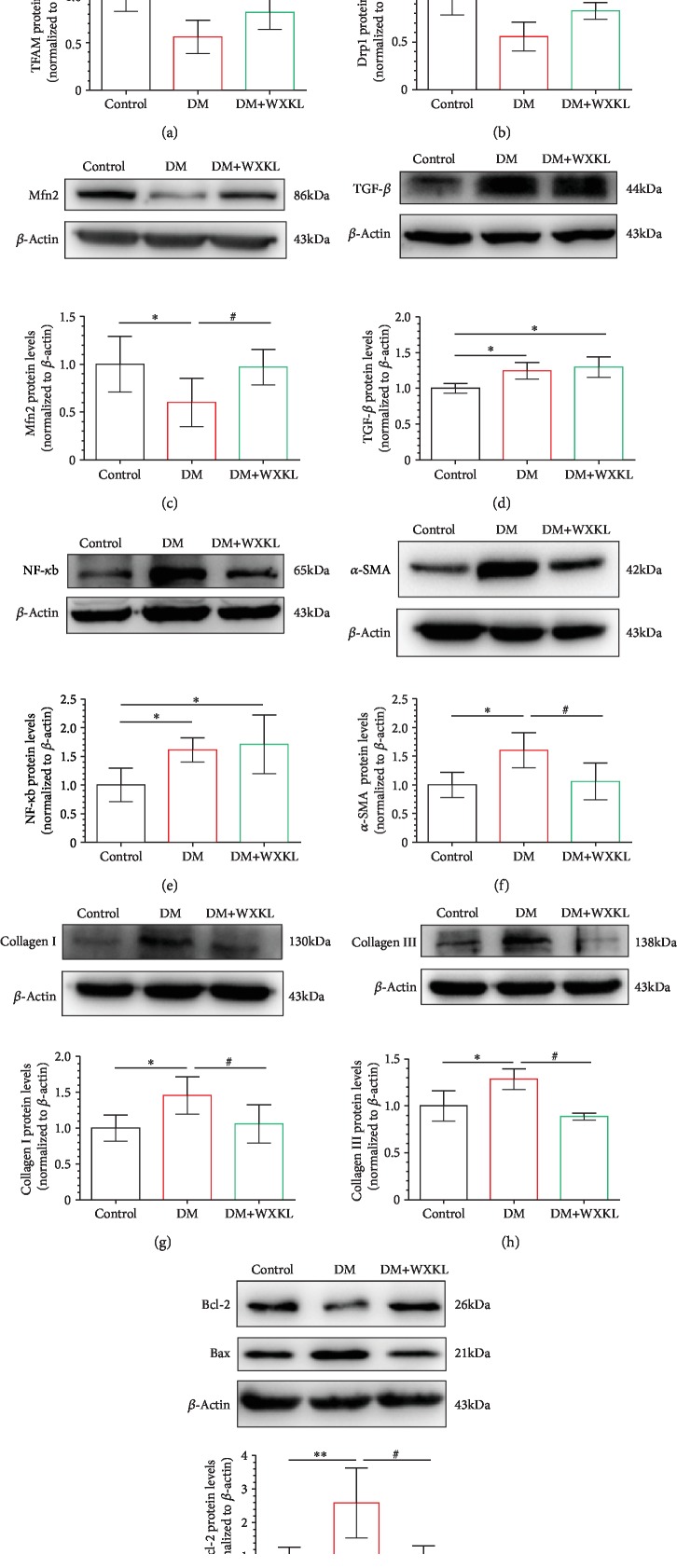
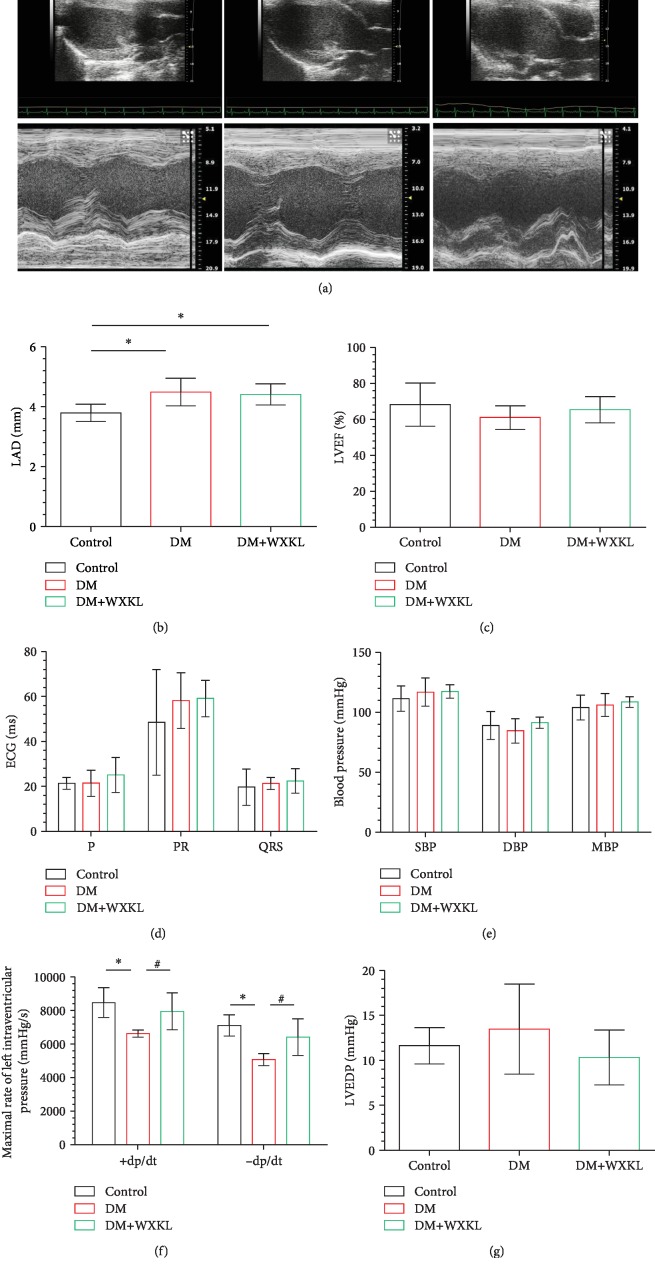
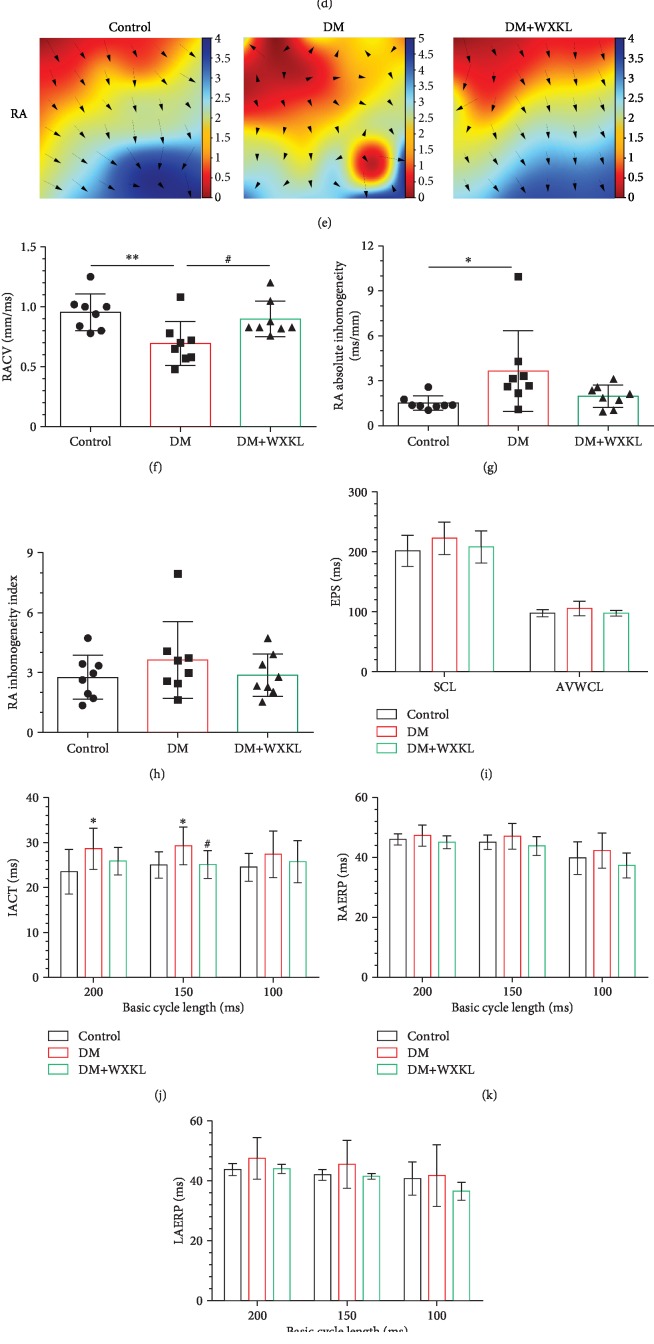
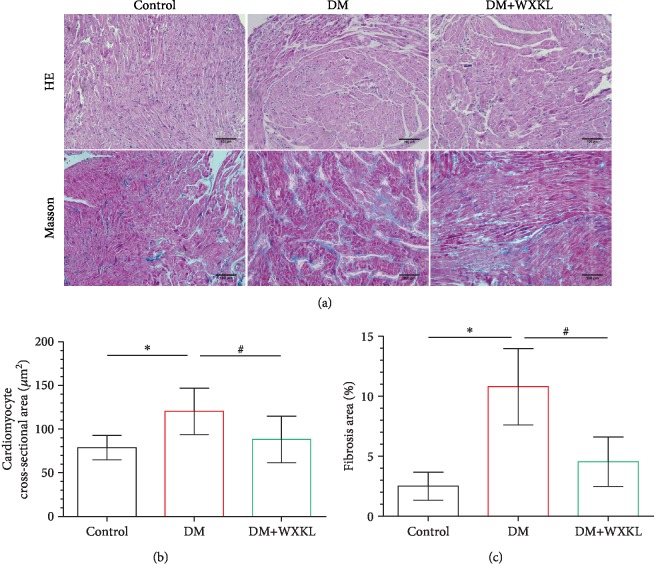
Mitochondrial dysfunction and oxidative stress play an important role in the pathogenesis of both atrial fibrillation (AF) and diabetes mellitus (DM). Wenxin Keli (WXKL), an antiarrhythmic traditional Chinese medicine, has been shown to prevent cardiac arrhythmias through modulation of cardiac ion channels. This study tested the hypothesis that WXKL can improve atrial remodeling in diabetic rats by restoring mitochondrial function. Primary atrial fibroblasts of neonatal SD rats were divided into four groups: control, hydrogen peroxide (HO), HO+WXKL 1 g/L, and HO+WXKL 3 g/L groups. Intracellular mitochondrial membrane potential (MMP), reactive oxygen species (ROS), and mitochondrial oxygen consumption were measured. SD male rats were randomly divided into three groups: control, DM, and DM+WXKL groups. Rats in the DM+WXKL group were treated with daily gavage of WXKL at 3 g/kg. After eight weeks, echocardiography, hemodynamic examination, histology, electrophysiology study, mitochondrial respiratory function, and western blots were assessed. HO treatment led to increased ROS and decreased intracellular MMP and mitochondrial oxygen consumption in primary atrial fibroblasts. WXKL improved the above changes. DM rats showed increased atrial fibrosis, greater left atrial diameter, lower atrial conduction velocity, higher conduction heterogeneity, higher AF inducibility, and lower mitochondrial protein expression, and all these abnormal changes except for left atrial diameter were improved in the DM+WXKL group. WXKL improves atrial remodeling by regulating mitochondrial function and homeostasis and reducing mitochondrial ROS in diabetic rats.
线粒体功能障碍和氧化应激在心房颤动 (AF) 和糖尿病 (DM) 的发病机制中起重要作用。稳心颗粒(WXKL)作为一种抗心律失常的中药,已被证明通过调节心脏离子通道来预防心律失常。本研究通过检测 WXKL 是否可以通过恢复线粒体功能来改善糖尿病大鼠的心房重构来验证假说。原代 SD 大鼠心房成纤维细胞分为四组:对照组、过氧化氢 (HO) 组、HO+WXKL1g/L 组和 HO+WXKL3g/L 组。测量细胞内线粒体膜电位 (MMP)、活性氧 (ROS) 和线粒体耗氧量。雄性 SD 大鼠随机分为三组:对照组、DM 组和 DM+WXKL 组。DM+WXKL 组大鼠每日灌胃给予 WXKL 3g/kg。八周后,进行超声心动图、血流动力学检查、组织学、电生理研究、线粒体呼吸功能和 Western blot 检测。HO 处理导致原代心房成纤维细胞中 ROS 增加,细胞内 MMP 和线粒体耗氧量减少。WXKL 改善了上述变化。DM 大鼠表现出心房纤维化增加、左心房直径增大、心房传导速度降低、传导异质性增加、AF 易感性增加以及线粒体蛋白表达降低,除左心房直径外,所有这些异常变化在 DM+WXKL 组均得到改善。WXKL 通过调节线粒体功能和稳态以及减少糖尿病大鼠的线粒体 ROS 来改善心房重构。