INSERM UMR1238, PHY-OS, "Bone sarcomas and remodeling of calcified tissues", Nantes University, 44000 Nantes, France.
Cells. 2020 Feb 26;9(3):536. doi: 10.3390/cells9030536.
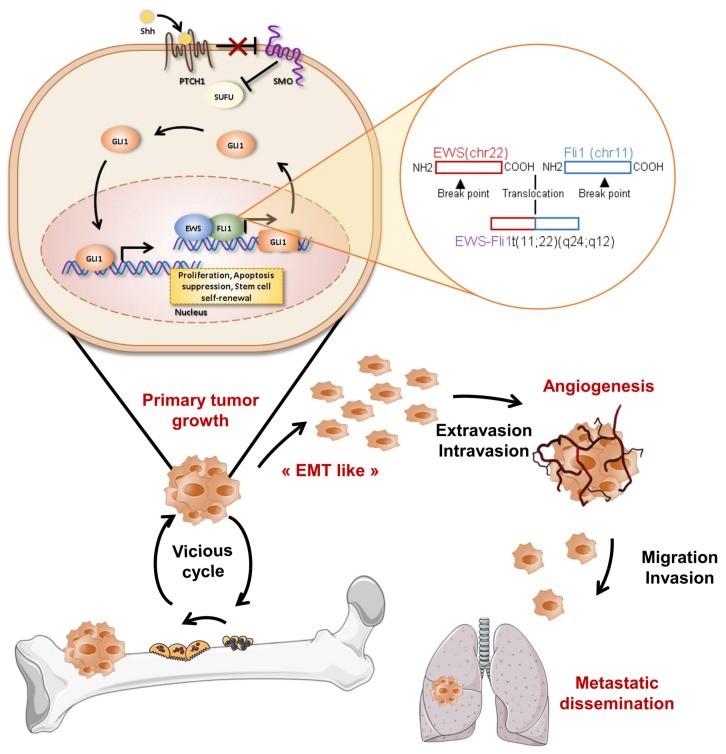
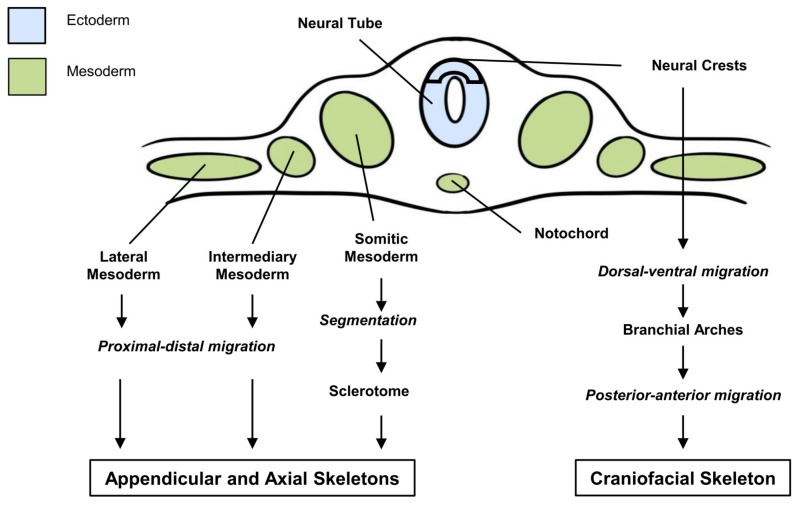
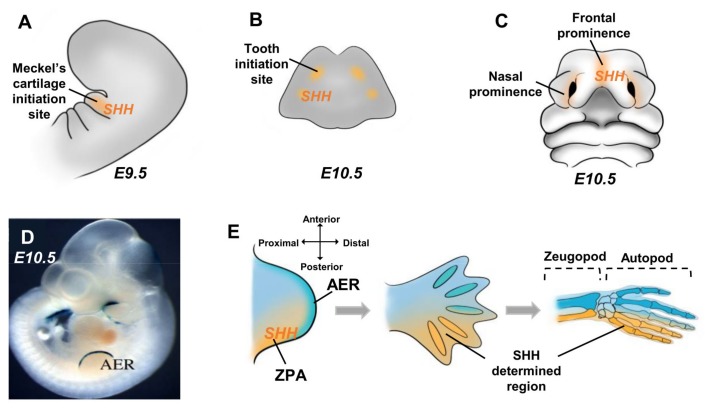
Primary bone tumors can be divided into two classes, benign and malignant. Among the latter group, osteosarcoma and Ewing sarcoma are the most prevalent malignant primary bone tumors in children and adolescents. Despite intensive efforts to improve treatments, almost 40% of patients succumb to the disease. Specifically, the clinical outcome for metastatic osteosarcoma or Ewing sarcoma remains poor; less than 30% of patients who present metastases will survive 5 years after initial diagnosis. One common and specific point of these bone tumors is their ability to deregulate bone homeostasis and remodeling and divert them to their benefit. Over the past years, considerable interest in the Sonic Hedgehog (SHH) pathway has taken place within the cancer research community. The activation of this SHH cascade can be done through different ways and, schematically, two pathways can be described, the canonical and the non-canonical. This review discusses the current knowledge about the involvement of the SHH signaling pathway in skeletal development, pediatric bone sarcoma progression and the related therapeutic options that may be possible for these tumors.
原发性骨肿瘤可分为两类,良性和恶性。在后者中,骨肉瘤和尤文肉瘤是儿童和青少年中最常见的恶性原发性骨肿瘤。尽管为了改善治疗已经付出了巨大努力,但仍有近 40%的患者死于该疾病。具体来说,转移性骨肉瘤或尤文肉瘤的临床预后仍然很差;在初始诊断后出现转移的患者中,不到 30%的患者能存活 5 年。这些骨肿瘤的一个共同且特殊的特点是它们能够使骨稳态和重塑失调,并从中受益。在过去的几年中,癌症研究界对 Sonic Hedgehog(SHH)途径产生了浓厚的兴趣。该 SHH 级联的激活可以通过不同的方式进行,并且可以用两种途径来描述,即经典途径和非经典途径。这篇综述讨论了目前关于 SHH 信号通路在骨骼发育、儿科骨肉瘤进展中的作用的相关知识,以及针对这些肿瘤可能的相关治疗选择。