Nemmar Abderrahim, Beegam Sumaya, Yuvaraju Priya, Yasin Javed, Ali Badreldin H, Adeghate Ernest
Department of Physiology, College of Medicine and Health Sciences, United Arab Emirates University, Al Ain, United Arab Emirates.
Zayed Center for Health Sciences, United Arab Emirates University, Al Ain, United Arab Emirates.
Front Physiol. 2020 Feb 11;11:46. doi: 10.3389/fphys.2020.00046. eCollection 2020.
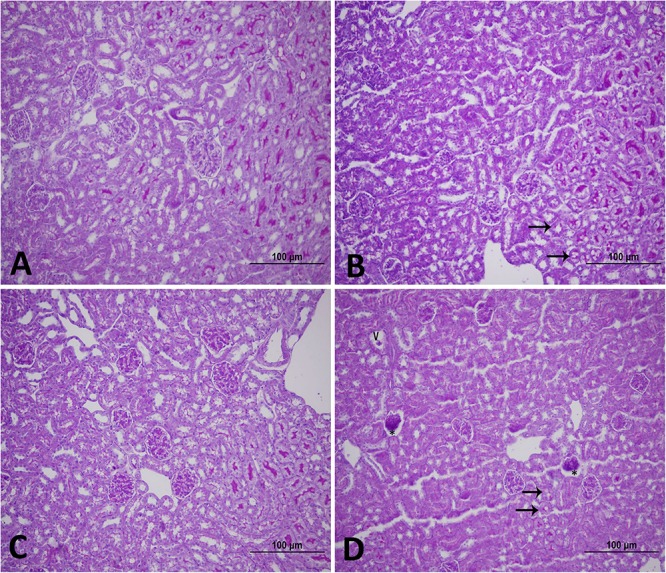
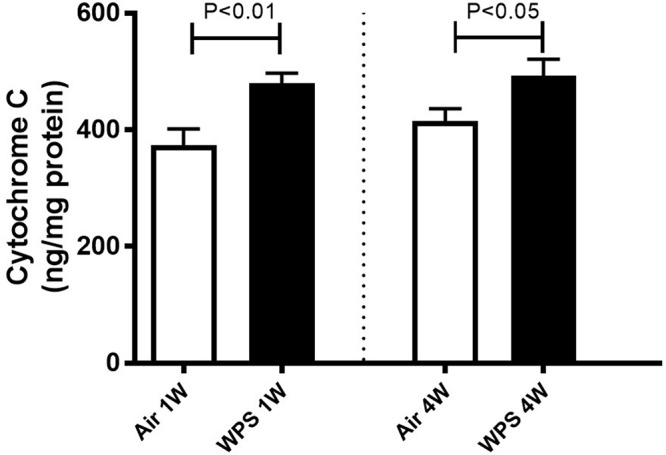
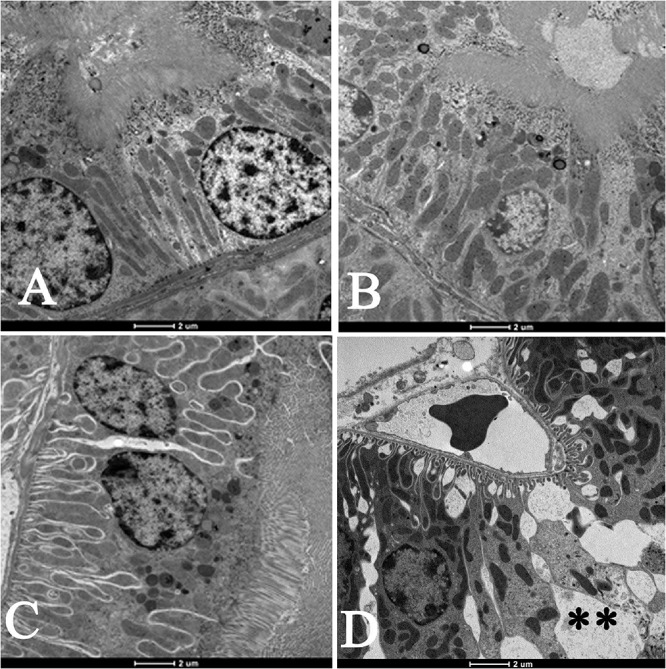
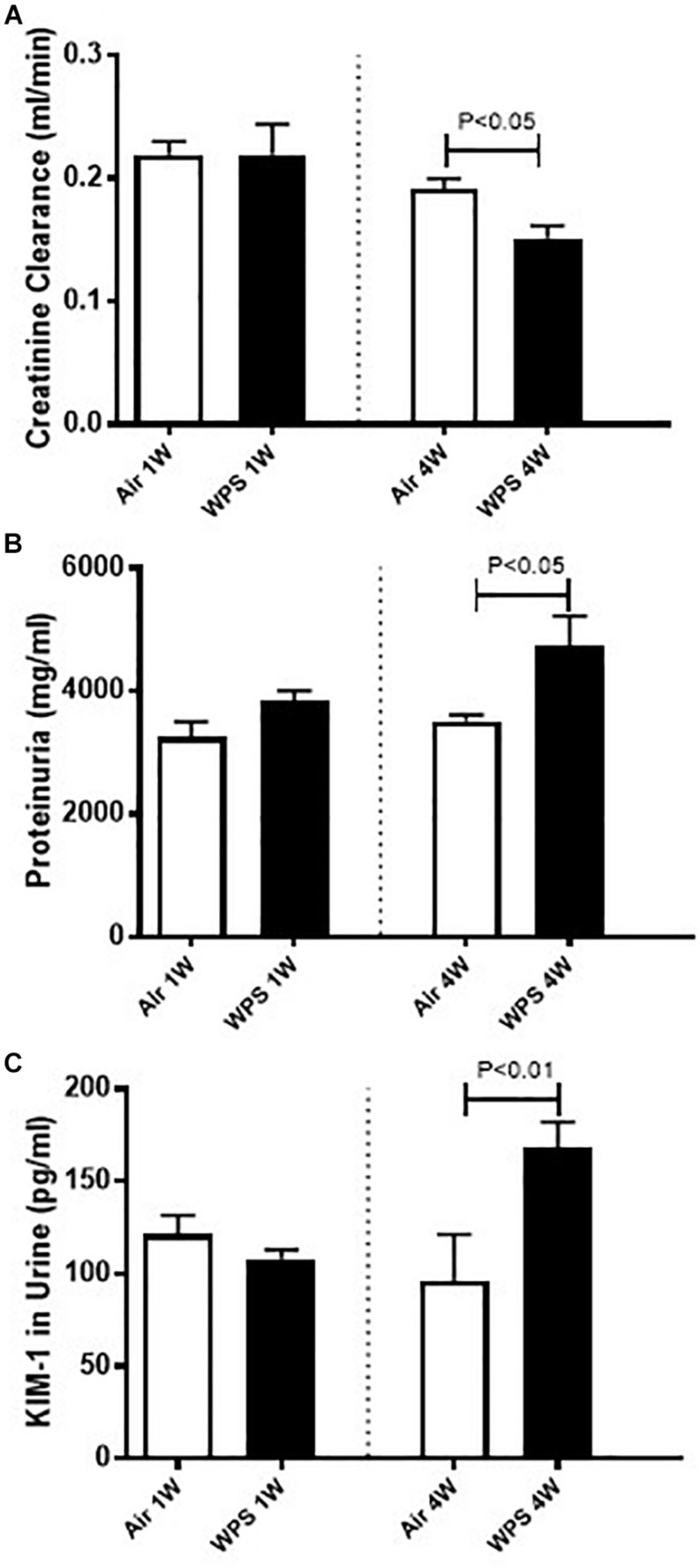
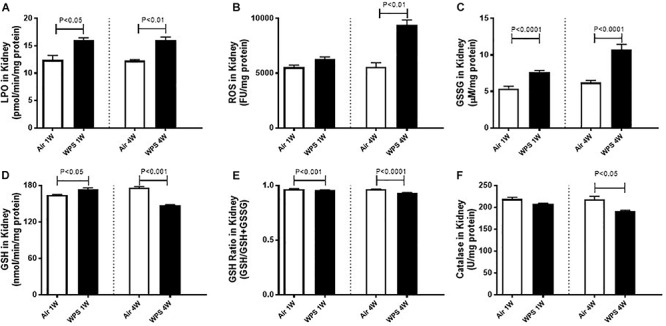
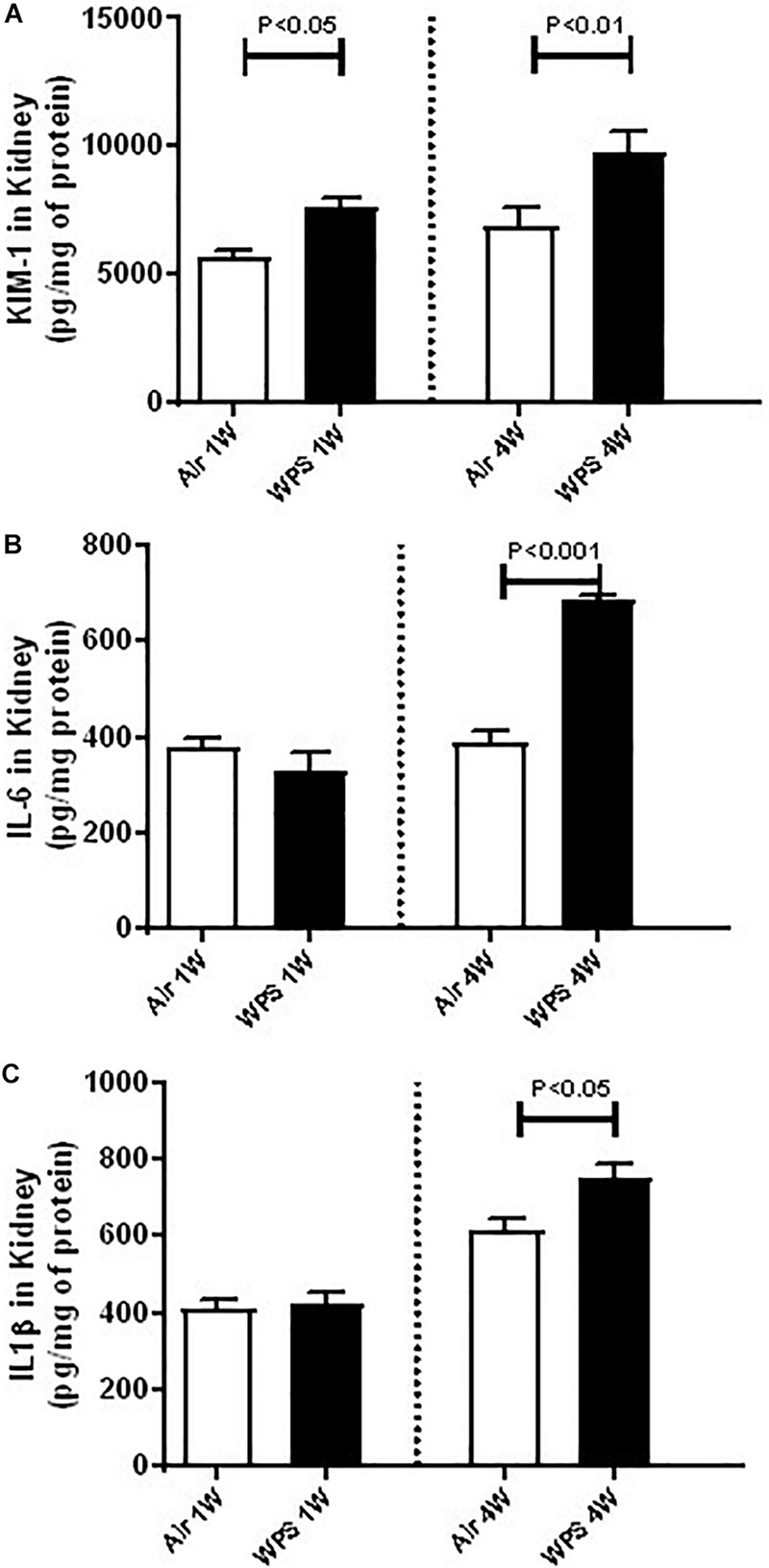
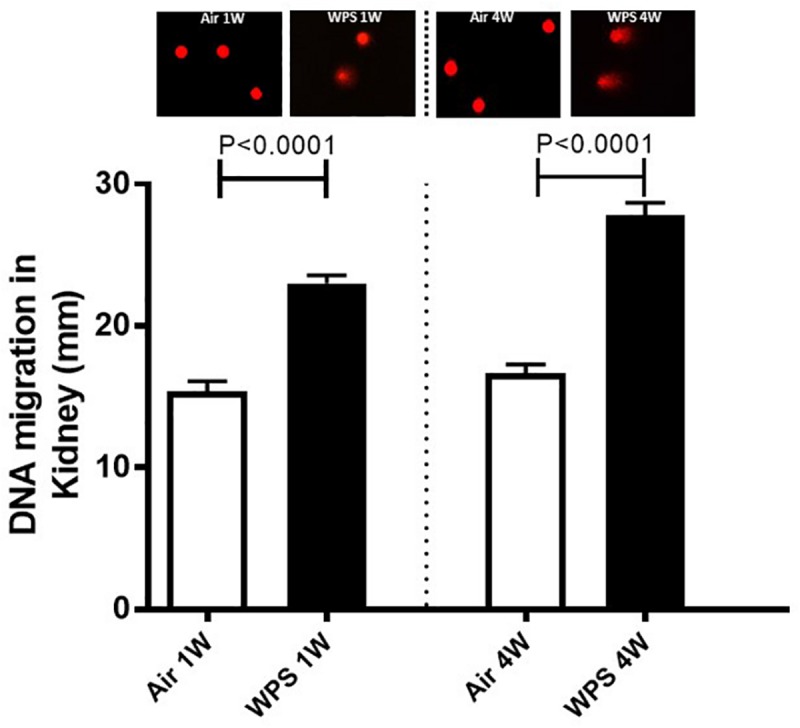
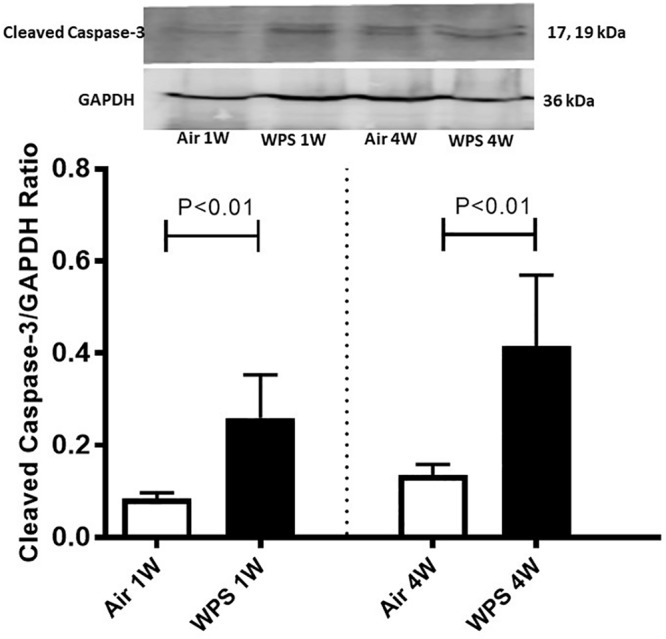
The prevalence of water-pipe tobacco smoking is increasing worldwide, and is relatively high among youth and young adults. Exposure to water-pipe smoke (WPS) has been reported to affect various systems including the respiratory, cardiovascular and reproductive systems. However, the impact of WPS exposure on the kidney has received only scant attention. Here, we assessed the effect of nose-only WPS exposure for one or four consecutive weeks on renal histology, inflammation, oxidative stress, DNA damage, and apoptosis. The duration of the session was 30 min/day and 5 days/week. Control mice were exposed to air. Light and electron microcopy analysis revealed that the WPS exposure (especially at 4-week time point) caused degeneration of the endothelial cells of the glomerular capillaries and vacuolar degenerations of the proximal convoluted tubules. WPS exposure also significantly decreased the creatinine clearance, and significantly increased proteinuria and urinary kidney injury molecule-1 (KIM-1) concentration. Kidney lipid peroxidation, reactive oxygen species, and oxidized glutathione were significantly increased. WPS exposure also affected the concentration of reduced glutathione and the activity of catalase. Likewise, renal concentrations of interleukin (IL)-6, IL-1β and KIM-1 were augmented by WPS exposure. Moreover, WPS caused DNA damage as evaluated by comet assay, and increased the expression of cleaved caspase-3 and cytochrome C in the kidney. We conclude that exposure of mice to WPS caused renal histopathological alterations, inflammation, oxidative stress, DNA damage, and apoptosis. If the latter findings could be substantiated by controlled human studies, it would be an additional cause for disquiet about an established public health concern.
水烟吸食在全球范围内呈上升趋势,在青少年和青年中相对较高。据报道,接触水烟烟雾(WPS)会影响包括呼吸、心血管和生殖系统在内的各种系统。然而,WPS暴露对肾脏的影响却很少受到关注。在此,我们评估了连续1周或4周仅经鼻暴露于WPS对肾脏组织学、炎症、氧化应激、DNA损伤和细胞凋亡的影响。每次暴露时长为每天30分钟,每周5天。对照组小鼠暴露于空气中。光镜和电镜分析显示,WPS暴露(尤其是在4周时间点)导致肾小球毛细血管内皮细胞变性和近端曲管空泡变性。WPS暴露还显著降低了肌酐清除率,并显著增加了蛋白尿和尿肾损伤分子-1(KIM-1)浓度。肾脏脂质过氧化、活性氧和氧化型谷胱甘肽显著增加。WPS暴露还影响了还原型谷胱甘肽的浓度和过氧化氢酶的活性。同样,WPS暴露使肾脏中白细胞介素(IL)-6、IL-1β和KIM-1的浓度升高。此外,通过彗星试验评估,WPS导致DNA损伤,并增加了肾脏中裂解的半胱天冬酶-3和细胞色素C的表达。我们得出结论,小鼠暴露于WPS会导致肾脏组织病理学改变、炎症、氧化应激、DNA损伤和细胞凋亡。如果后者的发现能够得到对照人体研究的证实,那么这将成为对一个既定的公共卫生问题的又一个令人担忧的原因。