Infections and Cystic Fibrosis Unit, Division of Immunology, Transplantation and Infectious Diseases, IRCCS San Raffaele Scientific Institute, Milan, Italy
Vita-Salute San Raffaele University, Milan, Italy.
mBio. 2020 Mar 3;11(2):e00097-20. doi: 10.1128/mBio.00097-20.
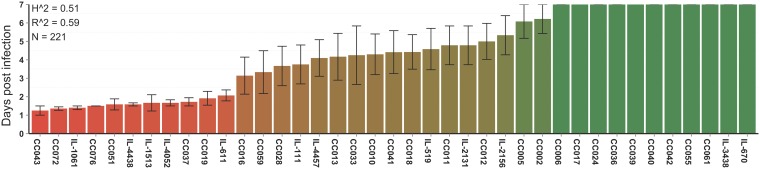
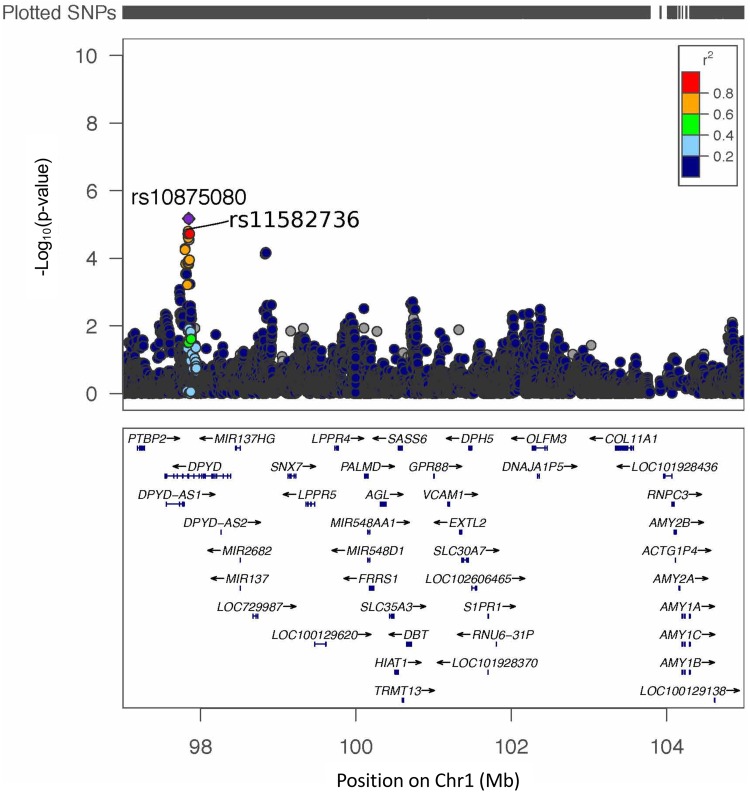
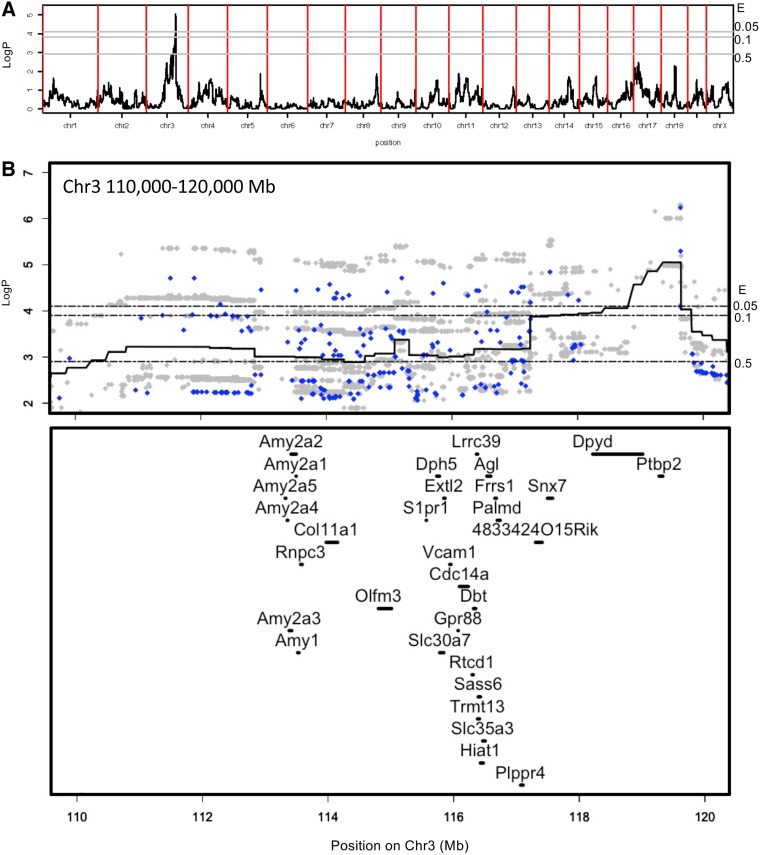
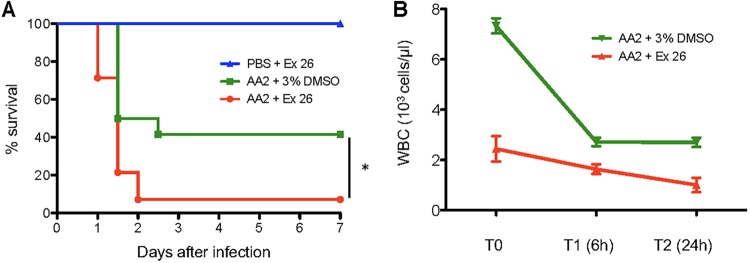
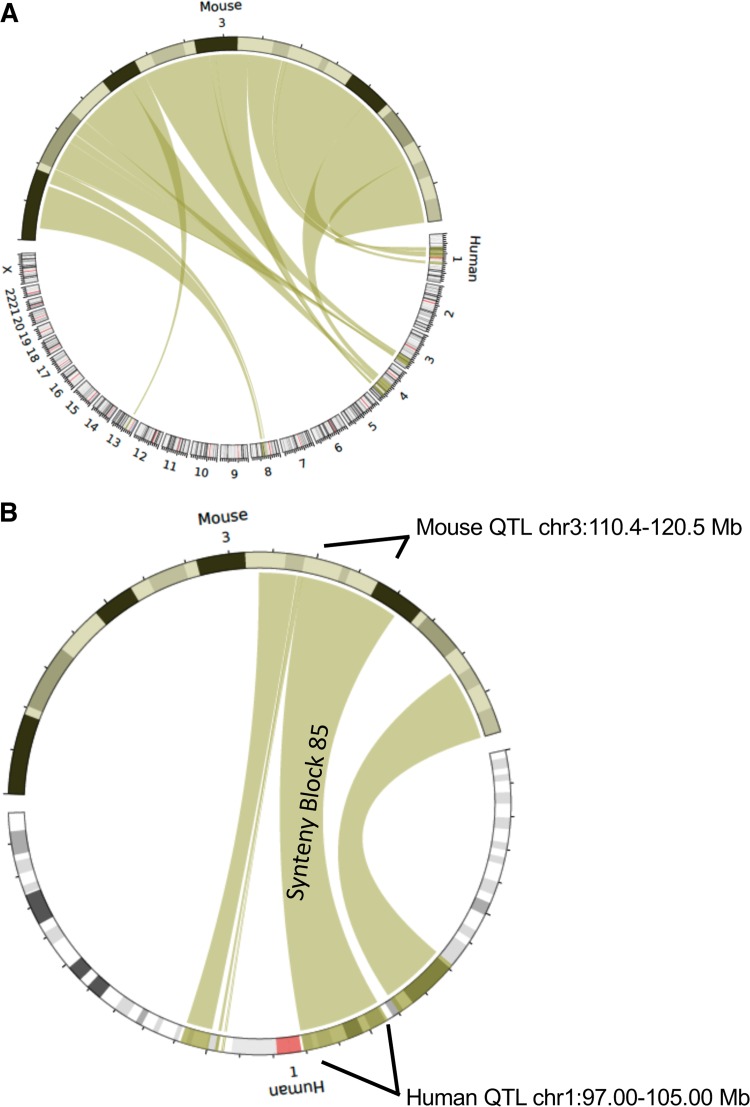
Human genetics influence a range of pathological and clinical phenotypes in respiratory infections; however, the contributions of disease modifiers remain underappreciated. We exploited the Collaborative Cross (CC) mouse genetic-reference population to map genetic modifiers that affect the severity of lung infection. Screening for respiratory infection in a cohort of 39 CC lines exhibits distinct disease phenotypes ranging from complete resistance to lethal disease. Based on major changes in the survival times, a quantitative-trait locus (QTL) was mapped on murine chromosome 3 to the genomic interval of Mb 110.4 to 120.5. Within this locus, composed of 31 protein-coding genes, two candidate genes, namely, dihydropyrimidine dehydrogenase () and sphingosine-1-phosphate receptor 1 (), were identified according to the level of genome-wide significance and disease gene prioritization. Functional validation of the gene by pharmacological targeting in C57BL/6NCrl mice confirmed its relevance in pathophysiology. However, in a cohort of Canadian patients with cystic fibrosis (CF) disease, regional genetic-association analysis of the syntenic human locus on chromosome 1 (Mb 97.0 to 105.0) identified two single-nucleotide polymorphisms (rs10875080 and rs11582736) annotated to the gene that were significantly associated with age at first infection. Thus, there is evidence that both genes might be implicated in this disease. Our results demonstrate that the discovery of murine modifier loci may generate information that is relevant to human disease progression. Respiratory infection caused by is one of the most critical health burdens worldwide. People affected by infection include patients with a weakened immune system, such as those with cystic fibrosis (CF) genetic disease or non-CF bronchiectasis. Disease outcomes range from fatal pneumonia to chronic life-threatening infection and inflammation leading to the progressive deterioration of pulmonary function. The development of these respiratory infections is mediated by multiple causes. However, the genetic factors underlying infection susceptibility are poorly known and difficult to predict. Our study employed novel approaches and improved mouse disease models to identify genetic modifiers that affect the severity of lung infection. We identified candidate genes to enhance our understanding of infection in humans and provide a proof of concept that could be exploited for other human pathologies mediated by bacterial infection.
人类遗传学影响呼吸道感染的一系列病理和临床表型;然而,疾病修饰因子的贡献仍未得到充分认识。我们利用协作交叉(CC)小鼠遗传参考群体来绘制影响肺部感染严重程度的遗传修饰因子。在 39 条 CC 系的队列中筛选呼吸道感染,显示出从完全抵抗致命疾病到致命疾病的不同疾病表型。基于生存时间的主要变化,在鼠 3 号染色体上定位了一个数量性状基因座(QTL),位于 Mb 110.4 到 120.5 的基因组区间内。在这个由 31 个编码蛋白的基因组成的基因座中,根据全基因组意义和疾病基因优先级,鉴定出了两个候选基因,即二氢嘧啶脱氢酶()和鞘氨醇-1-磷酸受体 1()。通过在 C57BL/6NCrl 小鼠中对基因进行药理学靶向验证,证实了其在发病机制中的相关性。然而,在加拿大囊性纤维化(CF)患者的队列中,对染色体 1 上同源人类基因座(Mb 97.0 到 105.0)的区域遗传关联分析鉴定出了两个单核苷酸多态性(rs10875080 和 rs11582736),注释到与 基因相关的基因,与首次感染的年龄显著相关。因此,有证据表明这两个基因可能与该疾病有关。我们的研究结果表明,发现小鼠修饰基因座可能会产生与人类疾病进展相关的信息。由引起的呼吸道感染是全球最严重的健康负担之一。感染的人群包括免疫系统较弱的人群,如患有囊性纤维化(CF)遗传疾病或非 CF 支气管扩张症的人群。疾病结果从致命性肺炎到慢性危及生命的感染和炎症,导致肺功能逐渐恶化不等。这些呼吸道感染的发展由多种原因引起。然而,感染易感性的遗传因素知之甚少,难以预测。我们的研究采用了新的方法和改进的小鼠疾病模型来鉴定影响肺部感染严重程度的遗传修饰因子。我们确定了候选基因,以增强我们对人类感染的理解,并提供一个概念验证,可用于其他由细菌感染介导的人类病理学。