Xuzhou Institute of Agricultural Sciences in Jiangsu Xuhuai District / Key Laboratory of Biology and Genetic Improvement of Sweetpotato, Ministry of Agriculture / Sweetpotato Research Institute, CAAS, Xuzhou, 221131, Jiangsu, China.
Department of Horticulture, Faculty of Agriculture, Zagazig University, Zagazig, Sharkia, 44511, Egypt.
BMC Genomics. 2020 Mar 4;21(1):197. doi: 10.1186/s12864-020-6524-1.
Purple-fleshed sweetpotato (PFSP) is one of the most important crops in the word which helps to bridge the food gap and contribute to solve the malnutrition problem especially in developing countries. Salt stress is seriously limiting its production and distribution. Due to lacking of reference genome, transcriptome sequencing is offering a rapid approach for crop improvement with promising agronomic traits and stress adaptability.
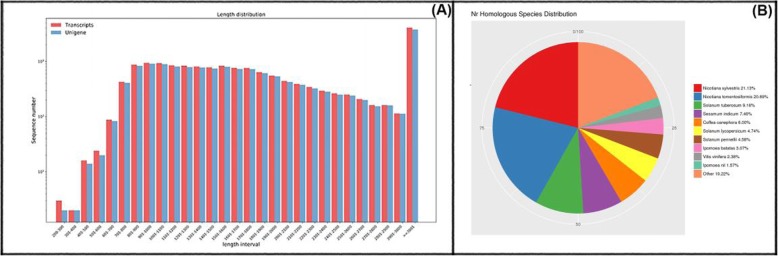
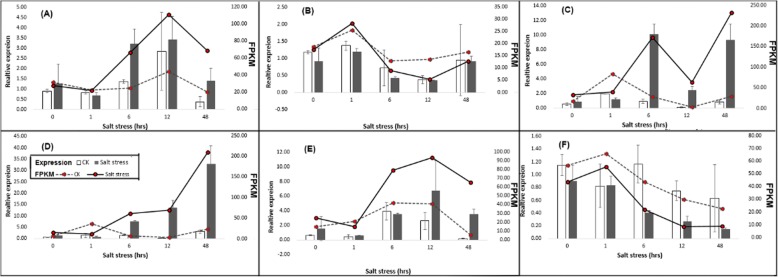
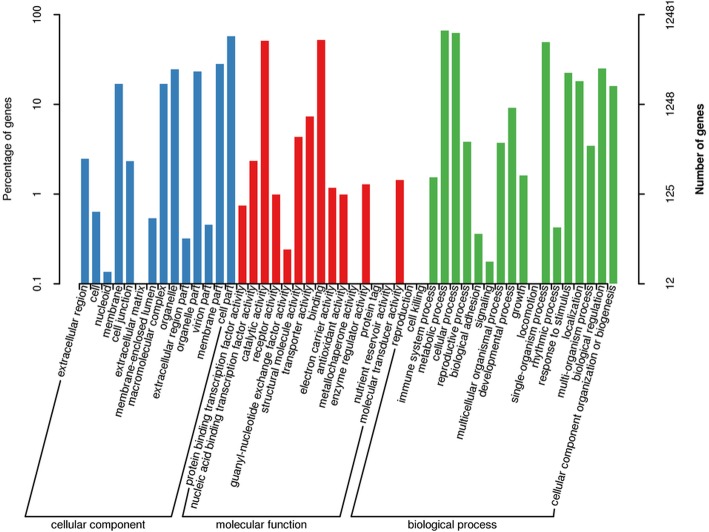
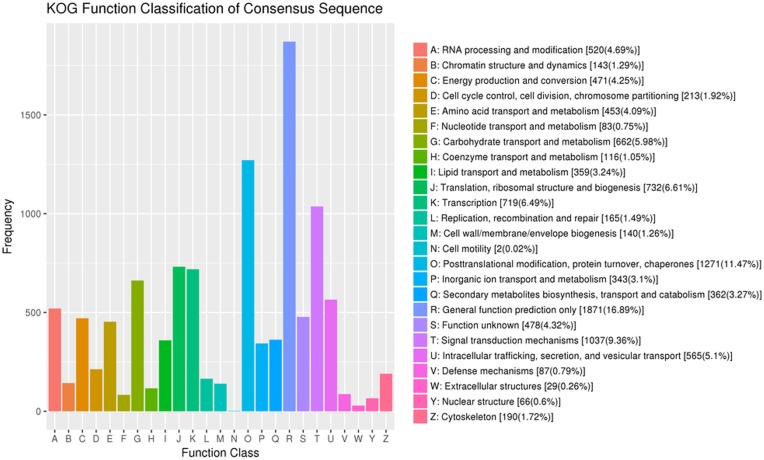
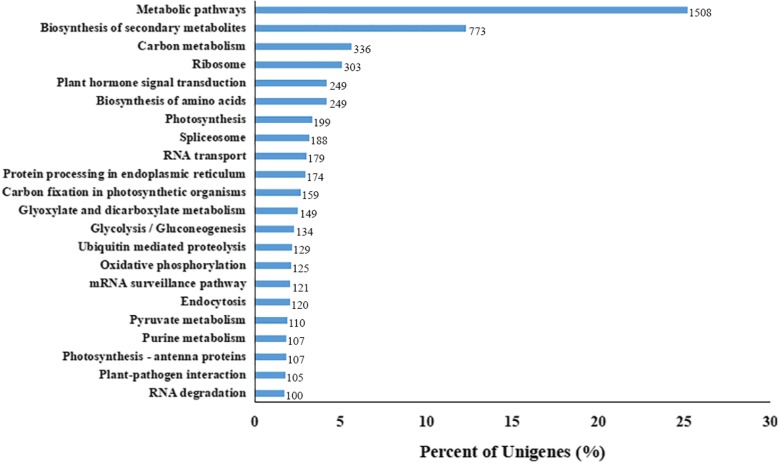
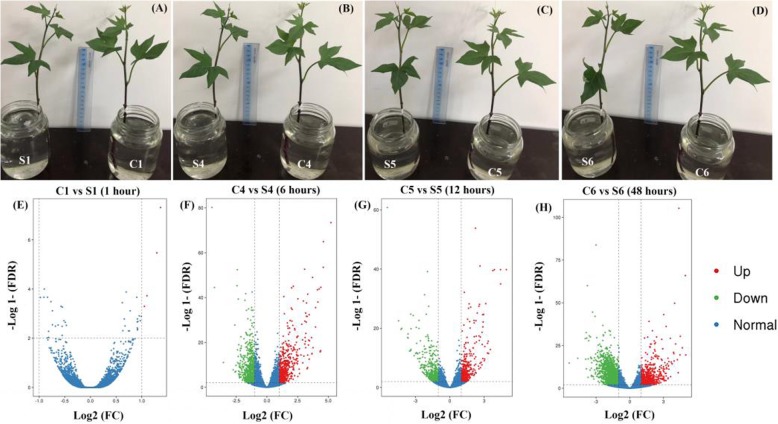
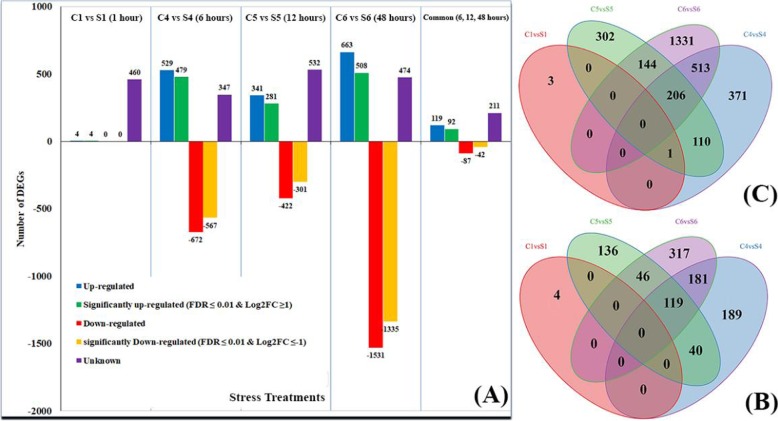
Five cDNA libraries were prepared from the third true leaf of hexaploid sweetpotato at seedlings stage (Xuzi-8 cultivar) treated with 200 mM NaCl for 0, 1, 6, 12, 48 h. Using second and third generation technology, Illumina sequencing generated 170,344,392 clean high-quality long reads that were assembled into 15,998 unigenes with an average length 2178 base pair and 96.55% of these unigenes were functionally annotated in the NR protein database. A number of 537 unigenes failed to hit any homologs which may be considered as novel genes. The current results indicated that sweetpotato plants behavior during the first hour of salt stress was different than the other three time points. Furthermore, expression profiling analysis identified 4, 479, 281, 508 significantly expressed unigenes in salt stress treated samples at the different time points including 1, 6, 12, 48 h, respectively as compared to control. In addition, there were 4, 1202, 764 and 2195 transcription factors differentially regulated DEGs by salt stress at different time points including 1, 6, 12, 48 h of salt stress. Validation experiment was done using 6 randomly selected unigenes and the results was in agree with the DEG results. Protein kinases include many genes which were found to play a vital role in phosphorylation process and act as a signal transductor/ receptor proteins in membranes. These findings suggest that salt stress tolerance in hexaploid sweetpotato plants may be mainly affected by TFs, PKs, Protein Detox and hormones related genes which contribute to enhance salt tolerance.
These transcriptome sequencing data of hexaploid sweetpotato under salt stress conditions can provide a valuable resource for sweetpotato breeding research and focus on novel insights into hexaploid sweetpotato responses to salt stress. In addition, it offers new candidate genes or markers that can be used as a guide to the future studies attempting to breed salt tolerance sweetpotato cultivars.
紫薯是世界上最重要的作物之一,有助于弥合粮食缺口,有助于解决发展中国家的营养不良问题。盐胁迫严重限制了其生产和分布。由于缺乏参考基因组,转录组测序为作物改良提供了一种快速方法,具有有前途的农艺性状和应激适应性。
从幼苗期(徐紫 8 号品种)的六倍体紫薯的第三片真叶中制备了 5 个 cDNA 文库,用 200 mM NaCl 处理 0、1、6、12 和 48 h。使用第二代和第三代技术,Illumina 测序生成了 170,344,392 条清洁高质量的长读段,这些读段组装成 15,998 个 unigenes,平均长度为 2178 个碱基,其中 96.55%的 unigenes在 NR 蛋白质数据库中具有功能注释。许多 537 个 unigenes未能与任何同源物匹配,这些 unigenes可能被认为是新基因。目前的结果表明,紫薯植物在盐胁迫的第一个小时的行为与其他三个时间点不同。此外,表达谱分析鉴定了在不同时间点(分别为 1、6、12 和 48 h)用盐胁迫处理的样品中 4、479、281、508 个明显表达的 unigenes,与对照相比。此外,在不同时间点(包括 1、6、12、48 h 的盐胁迫),有 4、1202、764 和 2195 个转录因子分别对盐胁迫下的差异表达基因进行了调控。使用 6 个随机选择的 unigenes 进行验证实验,结果与 DEG 结果一致。蛋白激酶包括许多在磷酸化过程中起重要作用的基因,作为膜中的信号转导/受体蛋白。这些发现表明,六倍体紫薯植物的耐盐性可能主要受 TFs、PKs、蛋白解毒和激素相关基因的影响,这些基因有助于提高盐耐受性。
这些盐胁迫条件下六倍体紫薯的转录组测序数据可为紫薯育种研究提供有价值的资源,并为六倍体紫薯对盐胁迫的反应提供新的见解。此外,它提供了新的候选基因或标记,可作为未来尝试培育耐盐紫薯品种的研究的指导。