Project Manager in Biochemistry, Anses, Laboratory of Fougeres, European Union Reference Laboratory (EU-RL) for Antimicrobial and Dye Residue Control in Food-Producing Animals, Bâtiment Bioagropolis-La Haute Marche-Javené, 35302 Fougères, France.
Biosensors (Basel). 2020 Mar 3;10(3):21. doi: 10.3390/bios10030021.
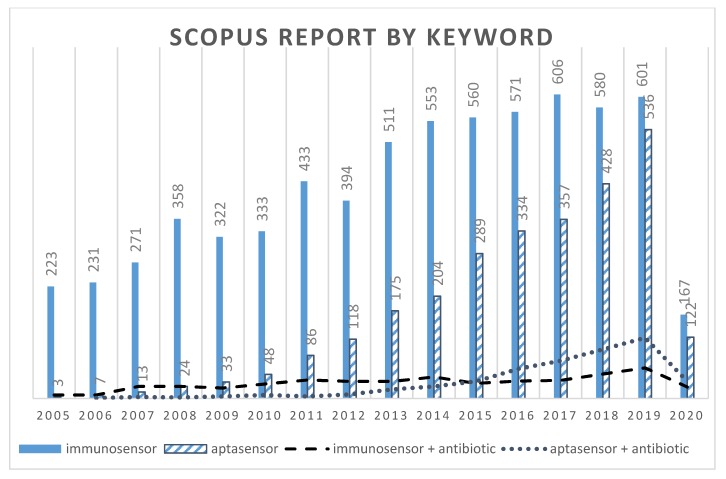
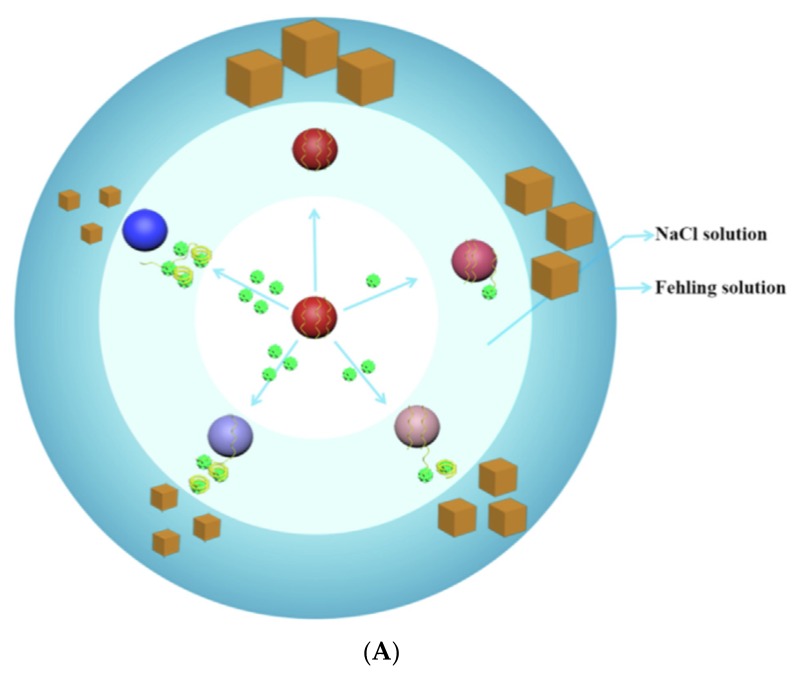
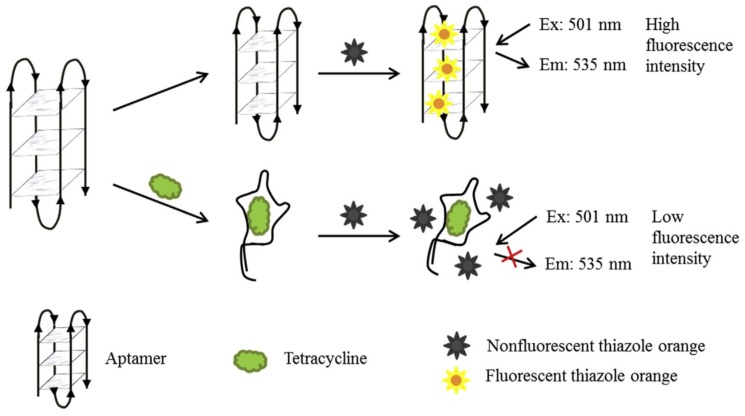
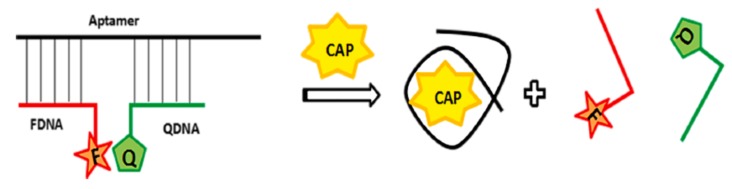
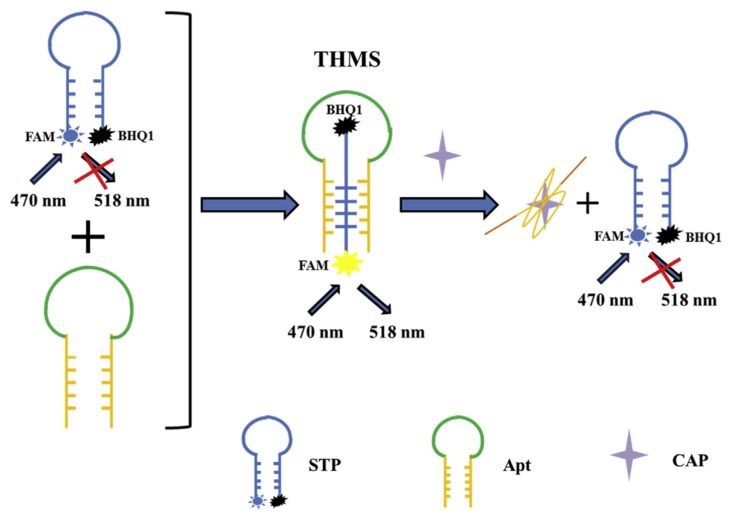
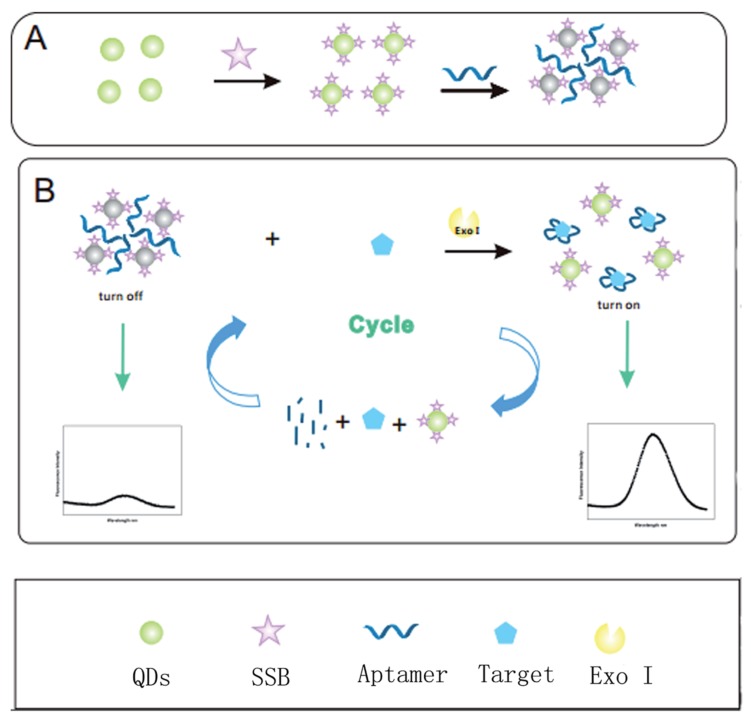
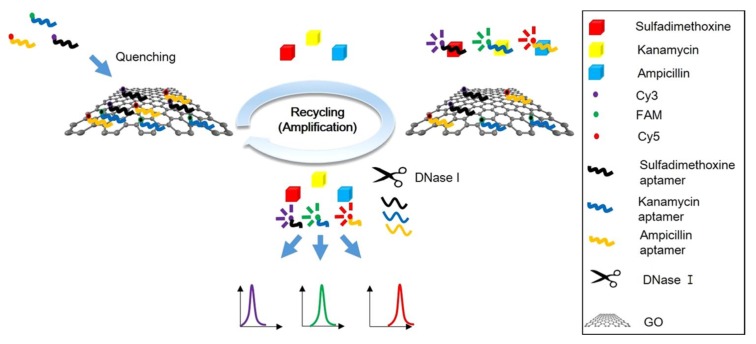
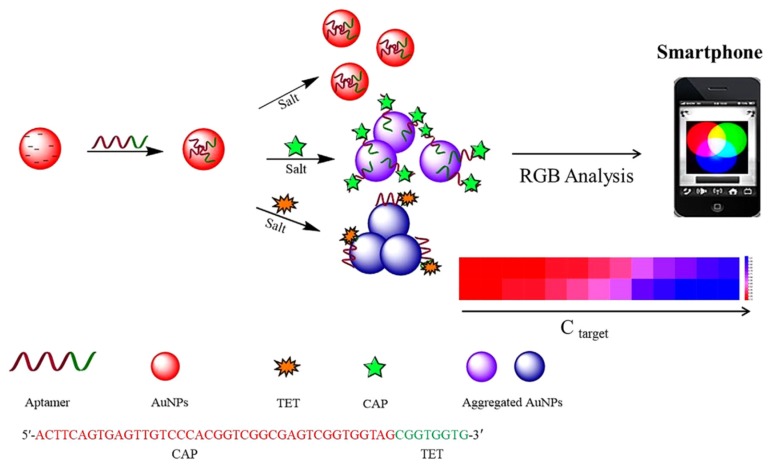
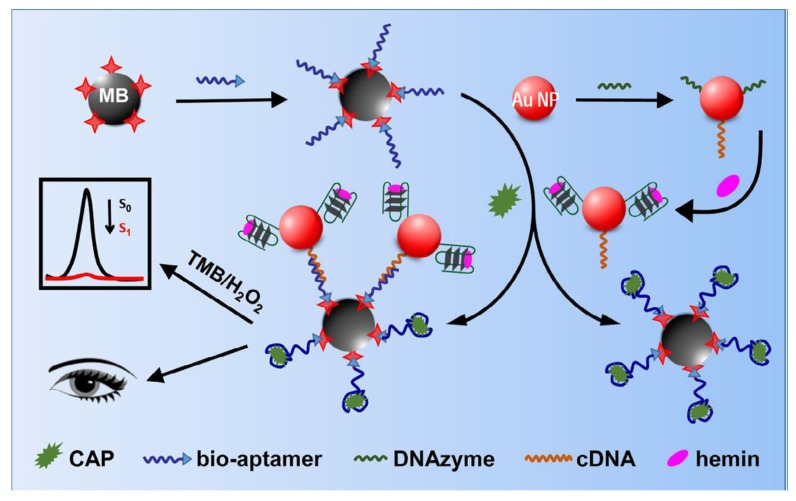
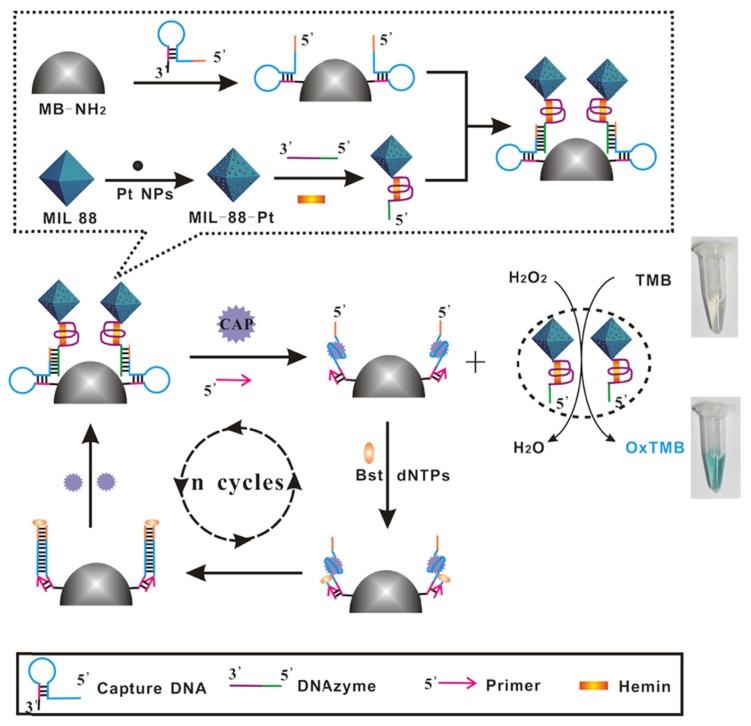
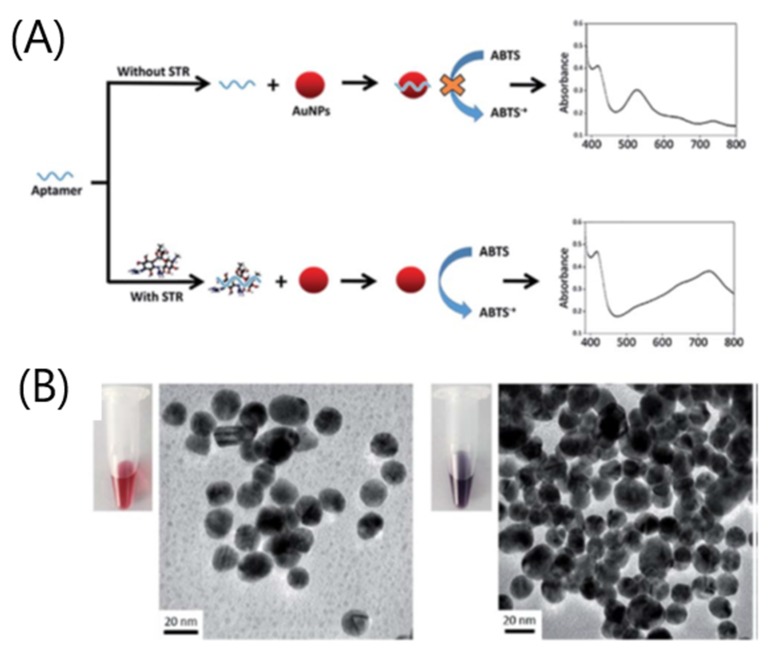
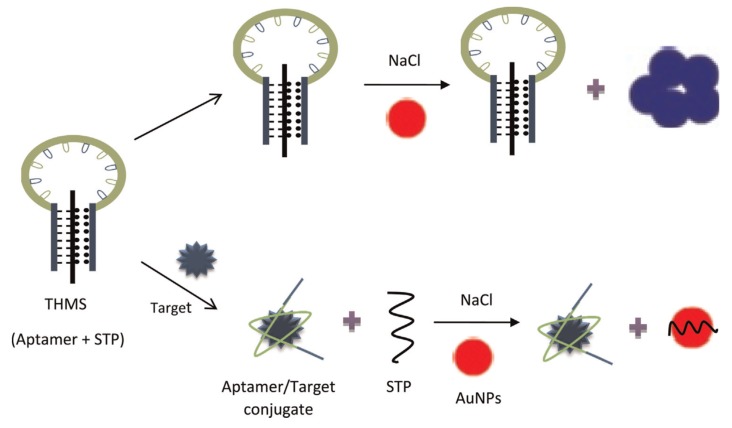
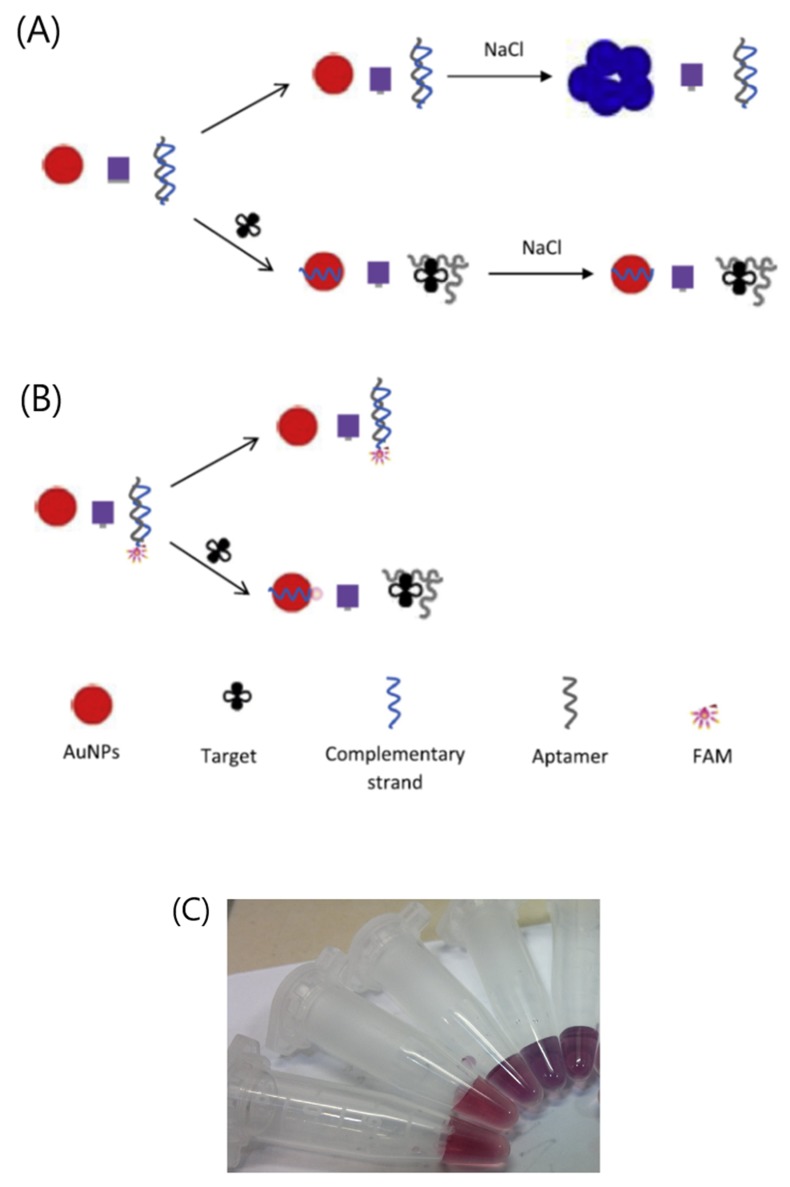
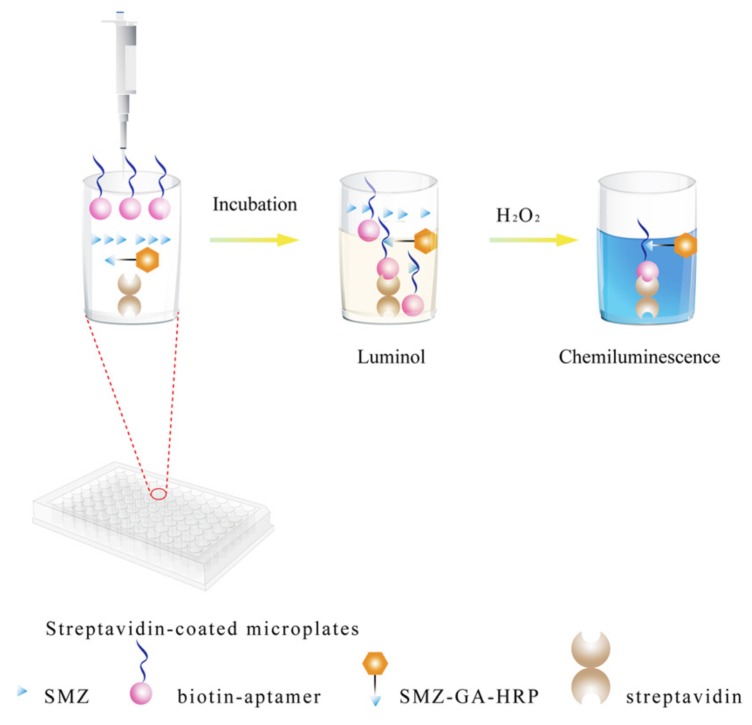
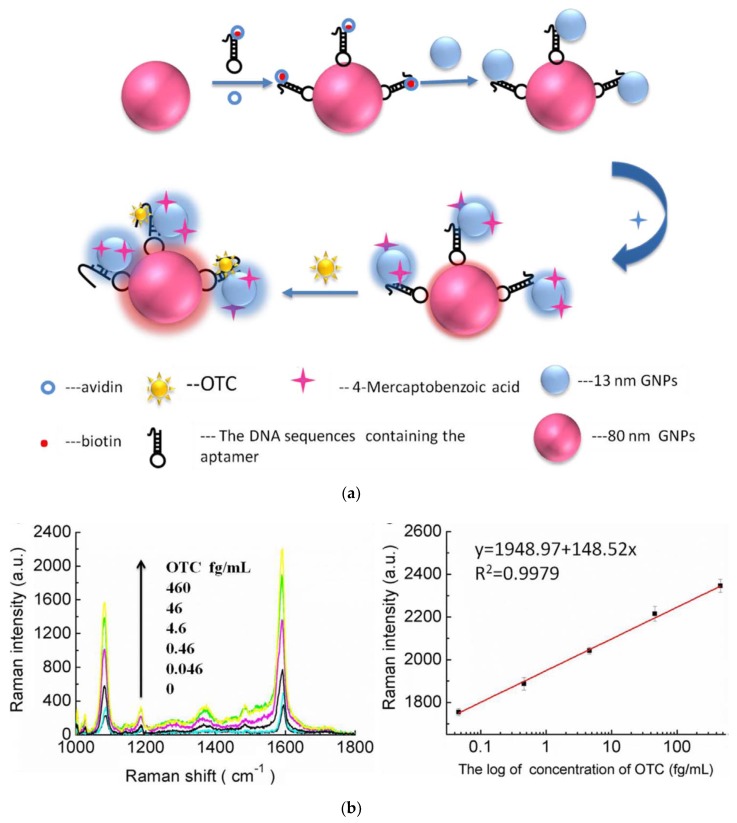
The presence of antimicrobial residues in food-producing animals can lead to harmful effects on the consumer (e.g., allergies, antimicrobial resistance, toxicological effects) and cause issues in food transformation (i.e., cheese, yogurts production). Therefore, to control antimicrobial residues in food products of animal origin, screening methods are of utmost importance. Microbiological and immunological methods (e.g., ELISA, dipsticks) are conventional screening methods. Biosensors are an innovative solution for the development of more performant screening methods. Among the different kinds of biosensing elements (e.g., antibodies, aptamers, molecularly imprinted polymers (MIP), enzymes), aptamers for targeting antimicrobial residues are in continuous development since 2000. Therefore, this review has highlighted recent advances in the development of aptasensors, which present multiple advantages over immunosensors. Most of the aptasensors described in the literature for the detection of antimicrobial residues in animal-derived food products are either optical or electrochemical sensors. In this review, I have focused on optical aptasensors and showed how nanotechnologies (nanomaterials, micro/nanofluidics, and signal amplification techniques) largely contribute to the improvement of their performance (sensitivity, specificity, miniaturization, portability). Finally, I have explored different techniques to develop multiplex screening methods. Multiplex screening methods are necessary for the wide spectrum detection of antimicrobials authorized for animal treatment (i.e., having maximum residue limits).
食品动物中存在抗菌药物残留会对消费者产生有害影响(例如过敏、抗菌药物耐药性、毒理学效应),并在食品加工(例如奶酪、酸奶生产)中引发问题。因此,为了控制动物源食品产品中的抗菌药物残留,筛选方法至关重要。微生物学和免疫学方法(例如 ELISA、试纸条)是常规筛选方法。生物传感器是开发更高效筛选方法的创新解决方案。在不同种类的生物传感元件(例如抗体、适体、分子印迹聚合物(MIP)、酶)中,针对抗菌药物残留的适体自 2000 年以来一直在不断开发。因此,本综述重点介绍了适体传感器的最新进展,与免疫传感器相比,适体传感器具有多项优势。文献中描述的用于检测动物源性食品中抗菌药物残留的大多数适体传感器都是光学或电化学传感器。在本综述中,我专注于光学适体传感器,并展示了纳米技术(纳米材料、微/纳流体和信号放大技术)如何极大地提高了它们的性能(灵敏度、特异性、小型化、便携性)。最后,我探讨了不同的技术来开发多重筛选方法。多重筛选方法对于广泛检测获准用于动物治疗的抗菌药物(即具有最大残留限量)是必要的。