Department of Botany and Plant Pathology, Purdue University, West Lafayette, IN, 47907, USA.
Purdue Center for Plant Biology, Purdue University, West Lafayette, IN, 47907, USA.
Nat Commun. 2020 Mar 5;11(1):1214. doi: 10.1038/s41467-020-14989-4.
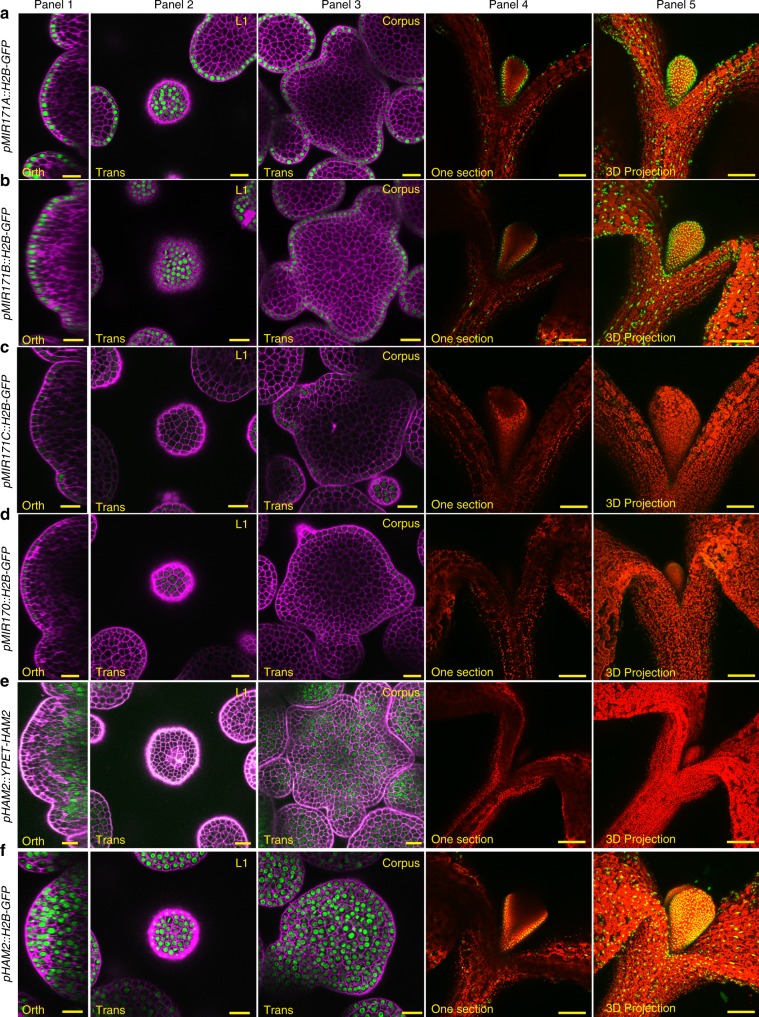
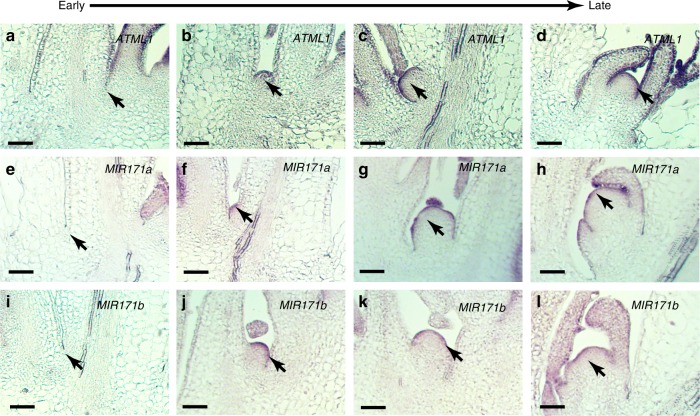
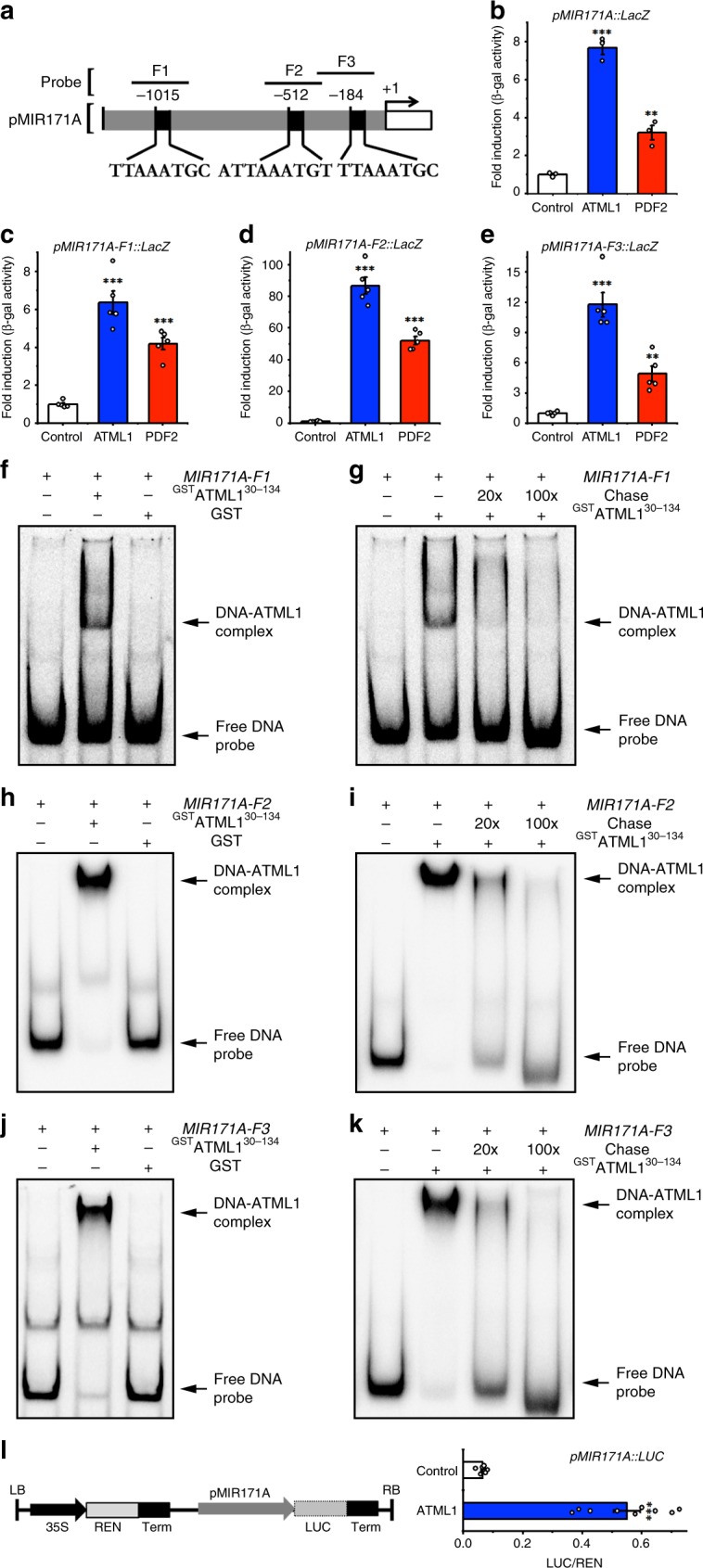
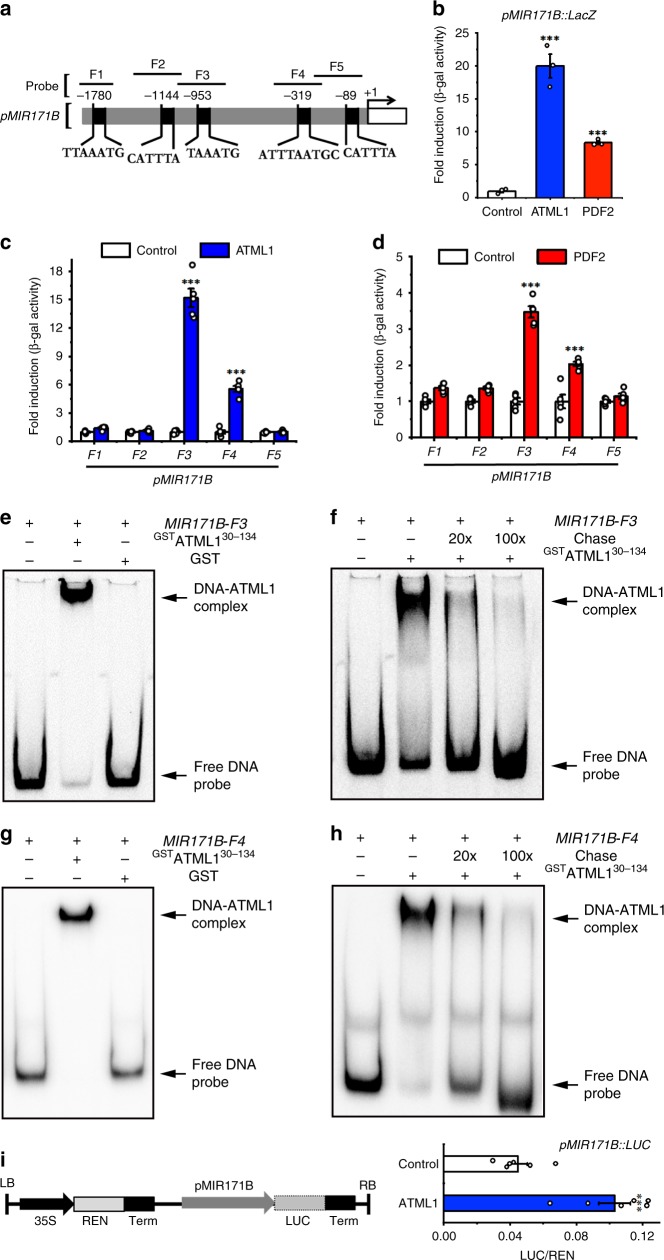
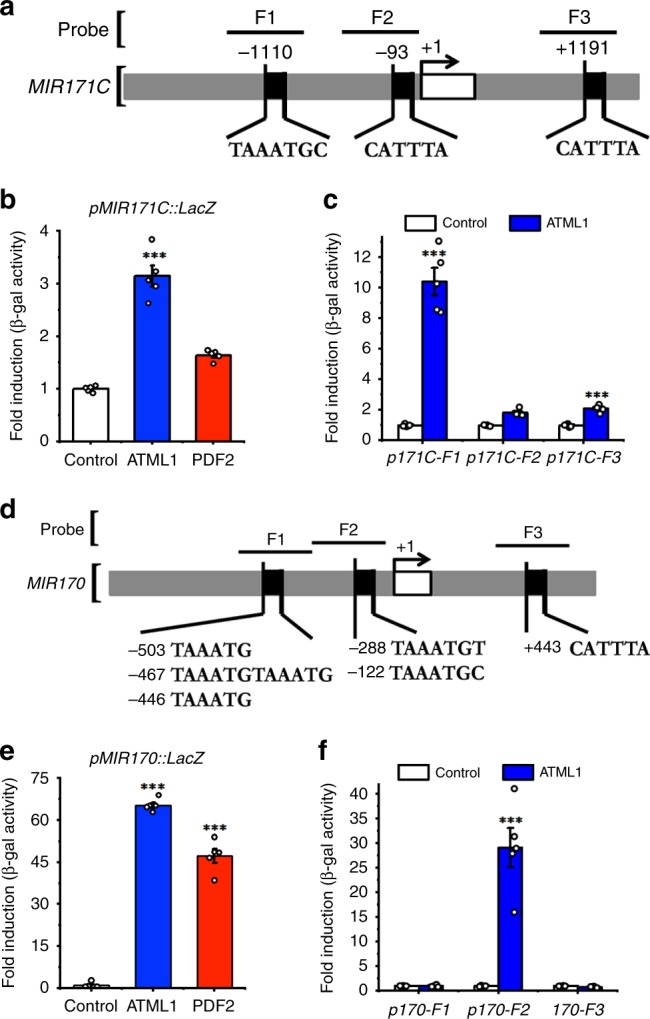
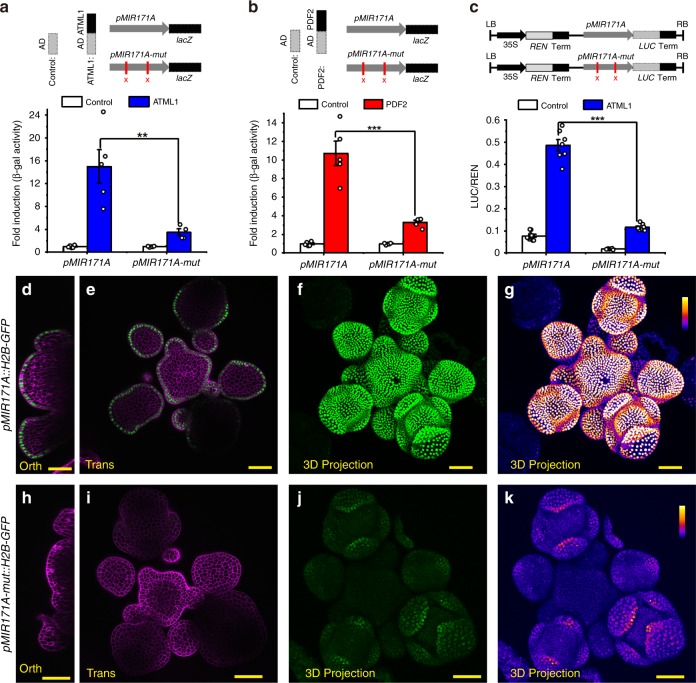
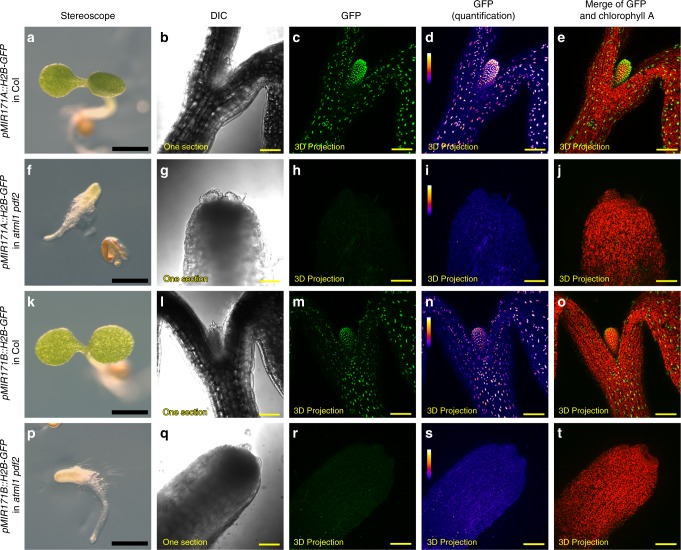
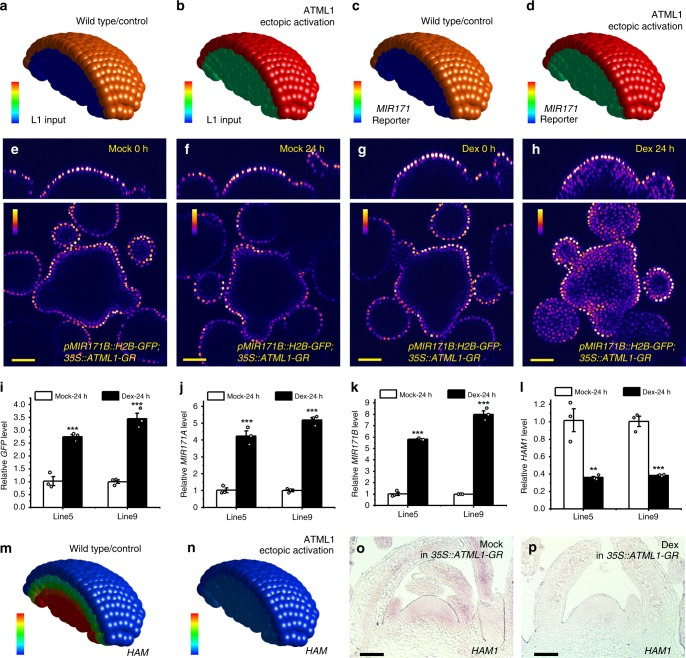
In multicellular organisms, a long-standing question is how spatial patterns of distinct cell types are initiated and maintained during continuous cell division and proliferation. Along the vertical axis of plant shoot apical meristems (SAMs), stem cells are located at the top while cells specifying the stem cells are located more basally, forming a robust apical-basal pattern. We previously found that in Arabidopsis SAMs, the HAIRY MERISTEM (HAM) family transcription factors form a concentration gradient from the epidermis to the interior cell layers, and this gradient is essential for the stem cell specification and the apical-basal patterning of the SAMs. Here, we uncover that epidermis specific transcription factors, ARABIDOPSIS THALIANA MERISTEM LAYER 1 (ATML1) and its close homolog, define the concentration gradient of HAM in the SAM through activating a group of microRNAs. This study provides a molecular framework linking the epidermis-derived signal to the stem cell homeostasis in plants.
在多细胞生物中,一个长期存在的问题是如何在连续的细胞分裂和增殖过程中启动和维持不同细胞类型的空间模式。在植物茎尖分生组织(SAM)的垂直轴上,干细胞位于顶部,而指定干细胞的细胞位于更底部,形成一个强大的顶端-基底模式。我们之前发现,在拟南芥 SAM 中,HAIRY MERISTEM(HAM)家族转录因子从表皮到内部细胞层形成浓度梯度,该梯度对于干细胞的特化和 SAM 的顶端-基底模式至关重要。在这里,我们揭示了表皮特异性转录因子拟南芥分生组织层 1(ATML1)及其密切同源物通过激活一组 microRNAs 来定义 SAM 中 HAM 的浓度梯度。这项研究提供了一个分子框架,将表皮衍生的信号与植物中的干细胞动态平衡联系起来。