Kheirkhah Mina, Brodoehl Stefan, Leistritz Lutz, Götz Theresa, Baumbach Philipp, Huonker Ralph, Witte Otto W, Volk Gerd Fabian, Guntinas-Lichius Orlando, Klingner Carsten M
Biomagnetic Center, Jena University Hospital, 07747 Jena, Germany.
Hans Berger Department of Neurology, Jena University Hospital, 07747 Jena, Germany.
Brain Sci. 2020 Mar 4;10(3):147. doi: 10.3390/brainsci10030147.
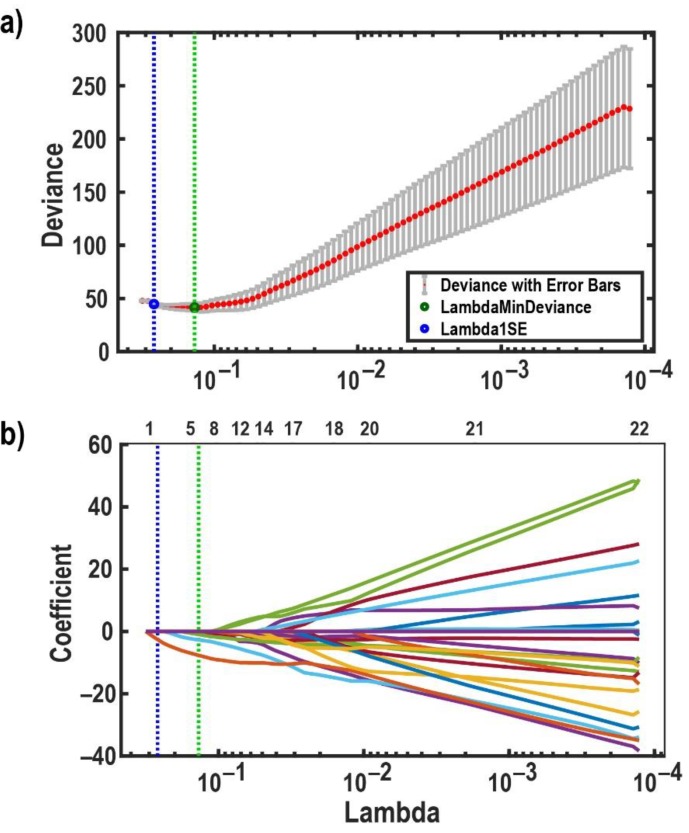
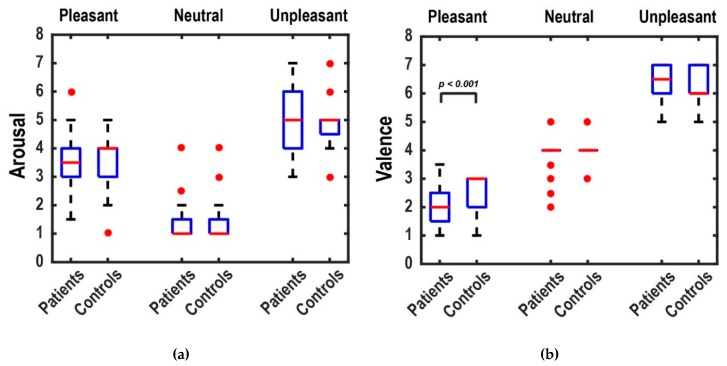
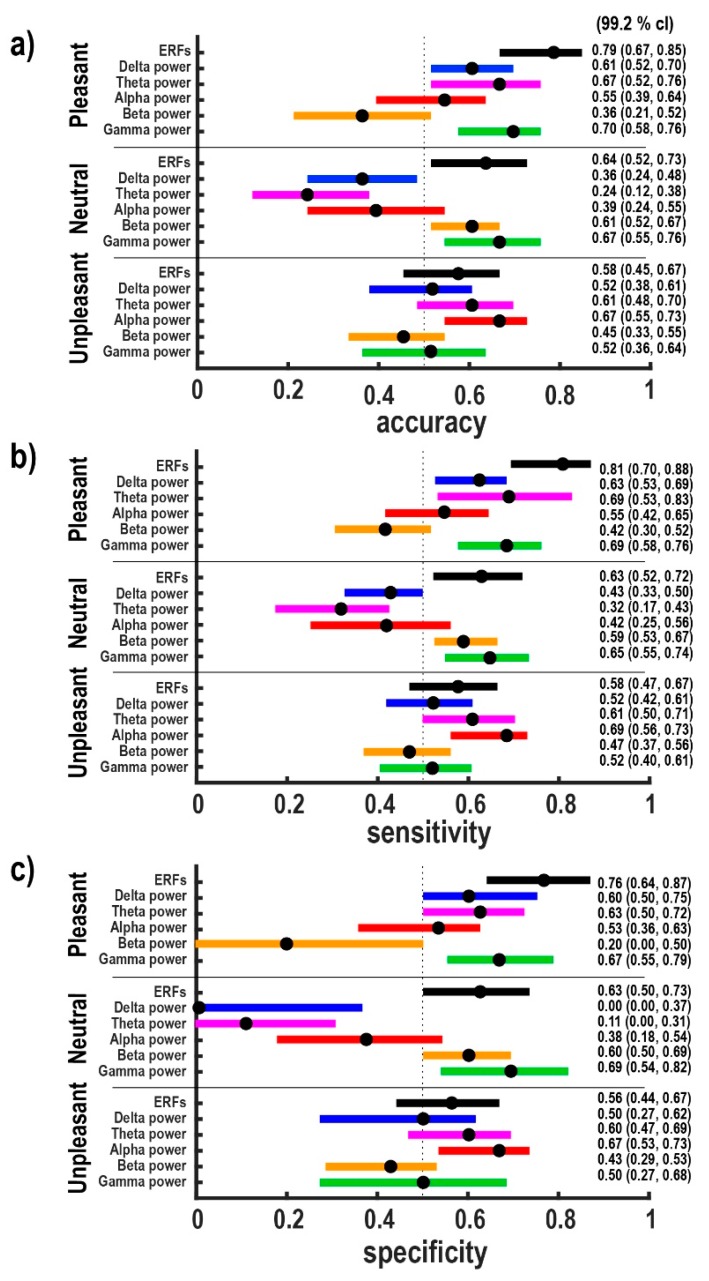
Abnormal emotional reactions of the brain in patients with facial nerve paralysis have not yet been reported. This study aims to investigate this issue by applying a machine-learning algorithm that discriminates brain emotional activities that belong either to patients with facial nerve paralysis or to healthy controls. Beyond this, we assess an emotion rating task to determine whether there are differences in their experience of emotions. MEG signals of 17 healthy controls and 16 patients with facial nerve paralysis were recorded in response to picture stimuli in three different emotional categories (pleasant, unpleasant, and neutral). The selected machine learning technique in this study was the logistic regression with LASSO regularization. We demonstrated significant classification performances in all three emotional categories. The best classification performance was achieved considering features based on event-related fields in response to the pleasant category, with an accuracy of 0.79 (95% CI (0.70, 0.82)). We also found that patients with facial nerve paralysis rated pleasant stimuli significantly more positively than healthy controls. Our results indicate that the inability to express facial expressions due to peripheral motor paralysis of the face might cause abnormal brain emotional processing and experience of particular emotions.
面神经麻痹患者大脑的异常情绪反应尚未见报道。本研究旨在通过应用一种机器学习算法来调查这一问题,该算法可区分属于面神经麻痹患者或健康对照者的大脑情绪活动。除此之外,我们评估一项情绪评分任务,以确定他们在情绪体验上是否存在差异。记录了17名健康对照者和16名面神经麻痹患者在对三种不同情绪类别(愉悦、不悦和中性)的图片刺激做出反应时的脑磁图(MEG)信号。本研究中选择的机器学习技术是带有LASSO正则化的逻辑回归。我们在所有三种情绪类别中都展示出了显著的分类性能。考虑基于对愉悦类别做出反应的事件相关场的特征时,分类性能最佳,准确率为0.79(95%置信区间(0.70, 0.82))。我们还发现,面神经麻痹患者对愉悦刺激的评分明显比健康对照者更积极。我们的结果表明,由于面部周围运动麻痹导致无法表达面部表情,可能会引起大脑异常的情绪处理和特定情绪的体验。