Centre of Microbial and Plant Genetics, KU Leuven, 3001 Leuven, Belgium; VIB Center for Plant Systems Biology, 9052 Ghent, Belgium.
Centre of Microbial and Plant Genetics, KU Leuven, 3001 Leuven, Belgium.
Biochim Biophys Acta Biomembr. 2020 Aug 1;1862(8):183255. doi: 10.1016/j.bbamem.2020.183255. Epub 2020 Mar 5.
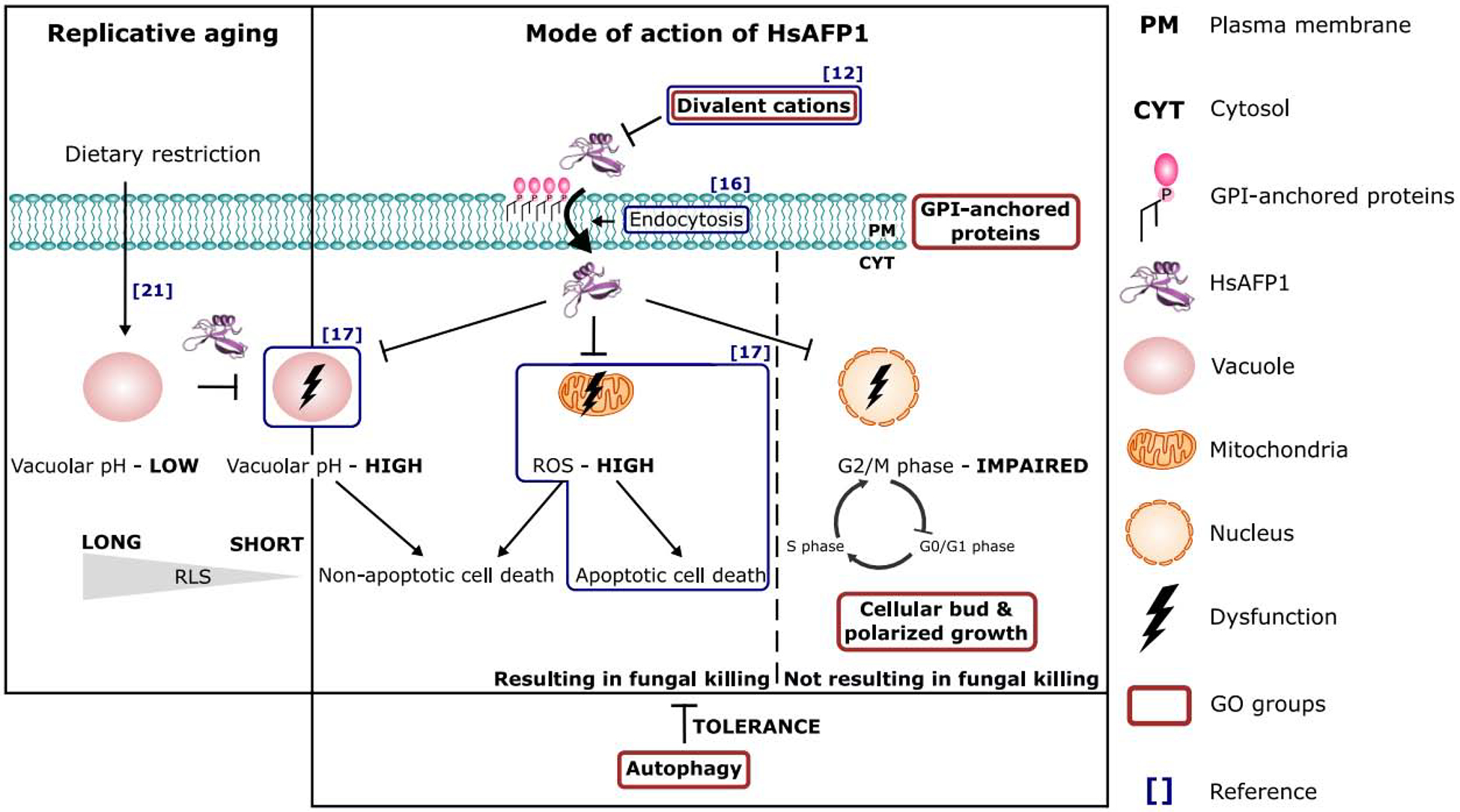
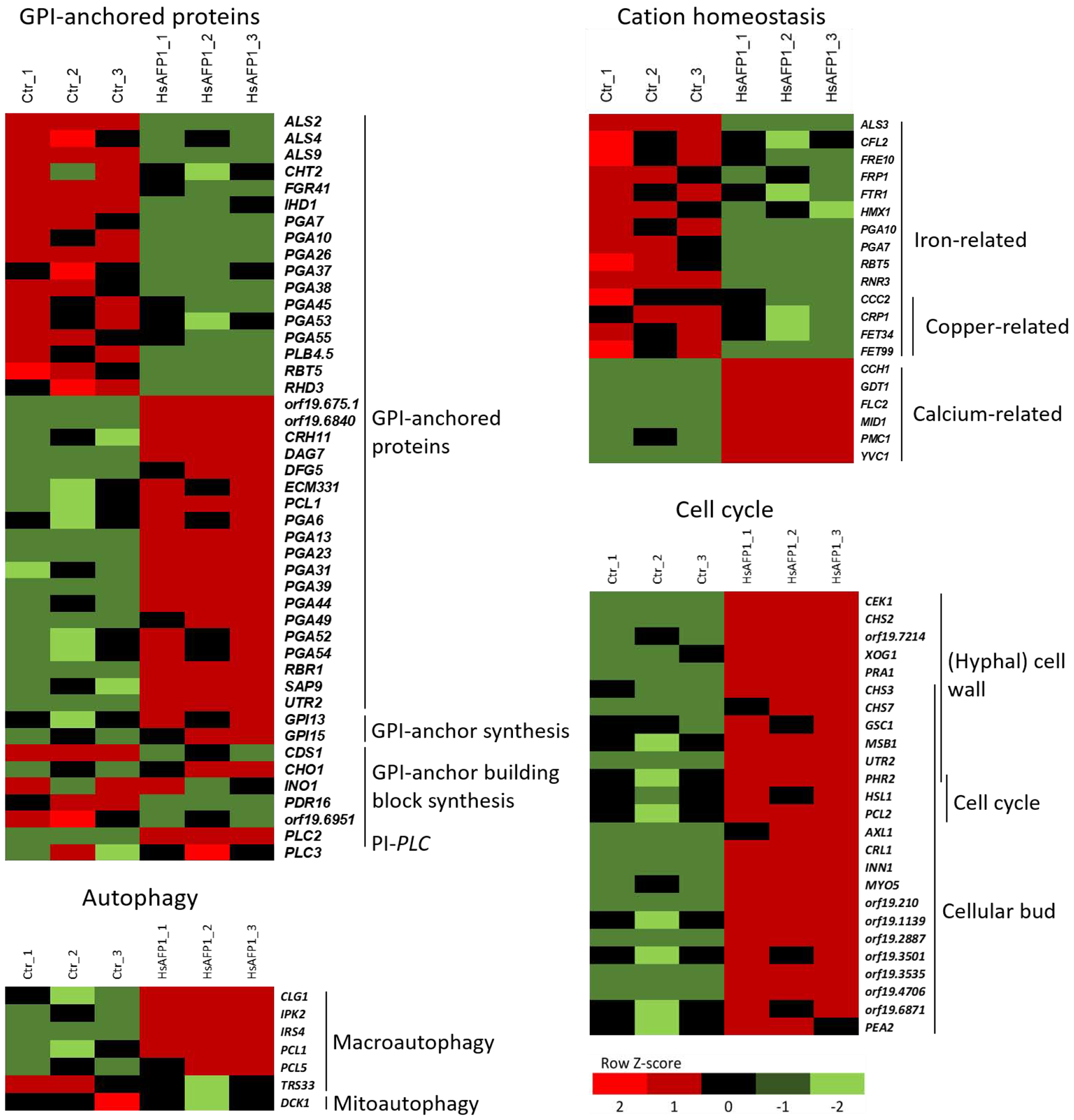
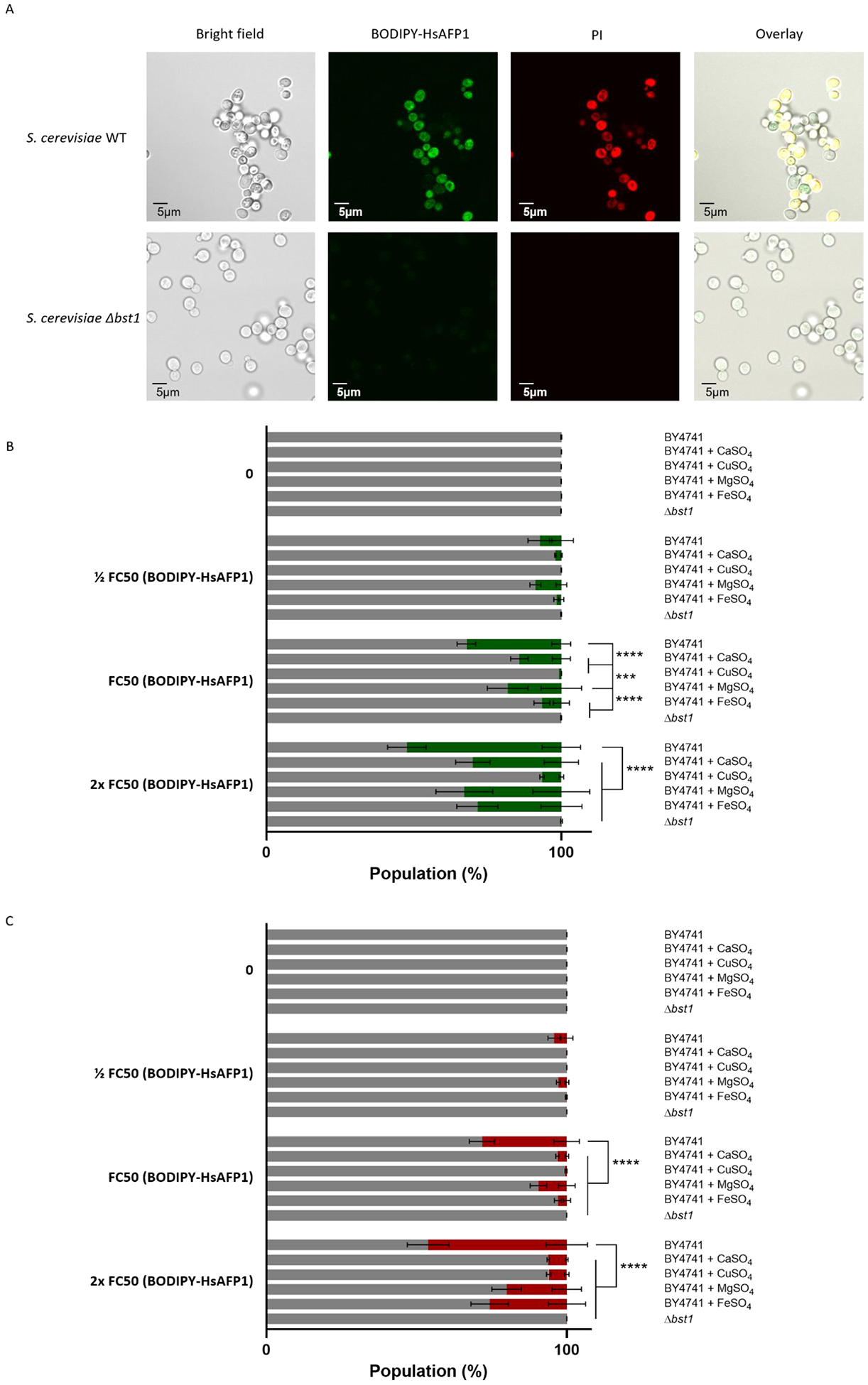
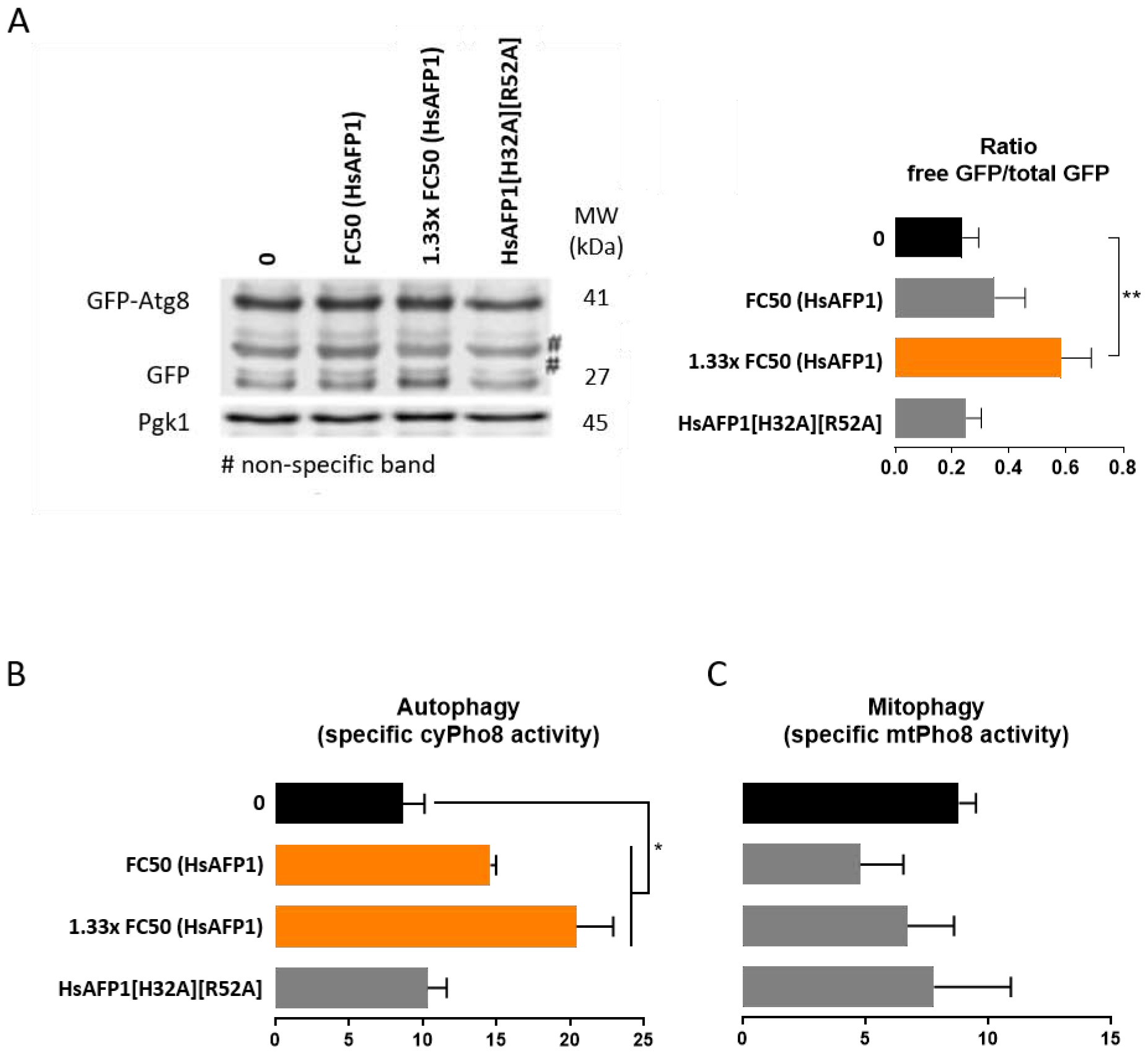
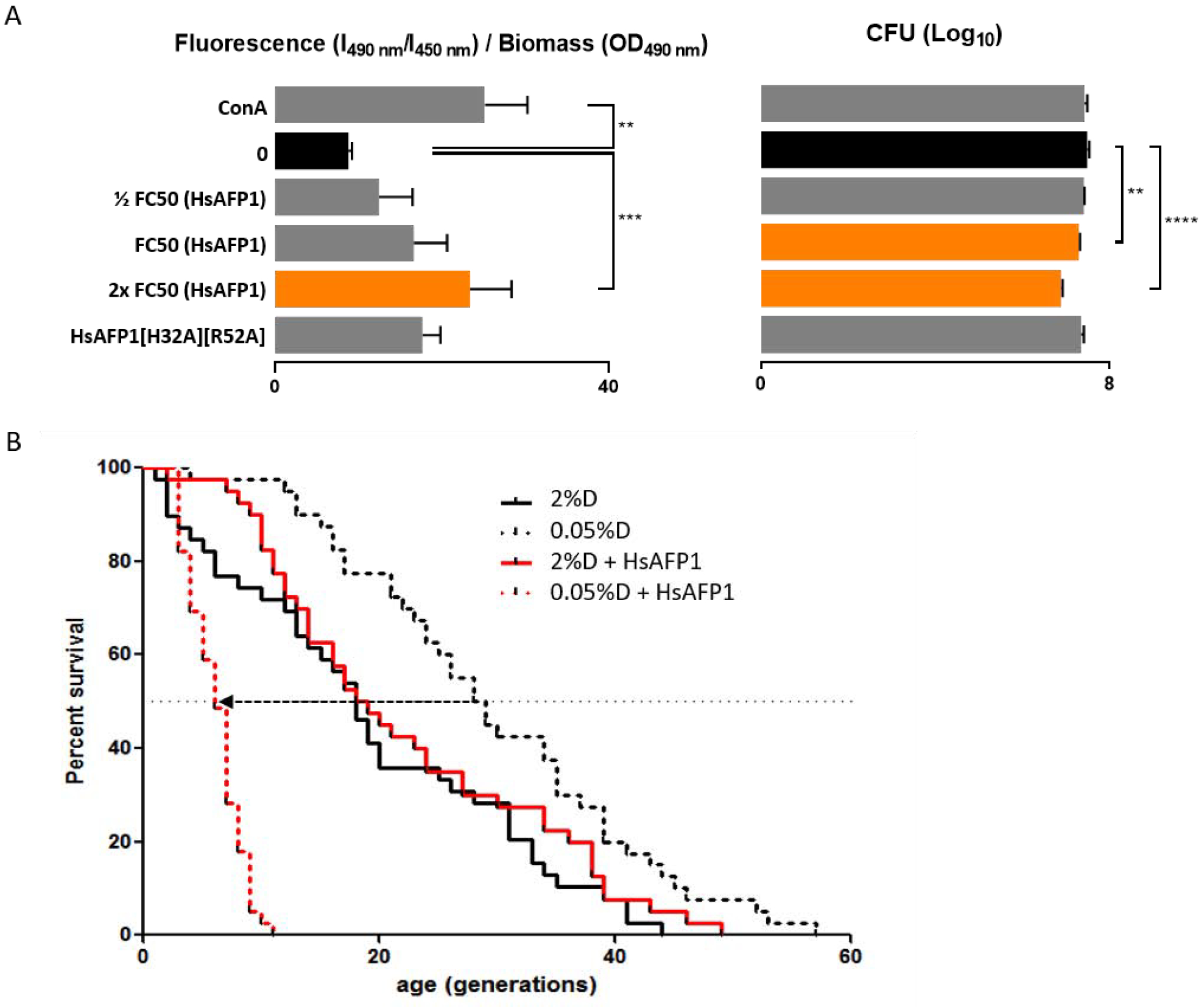
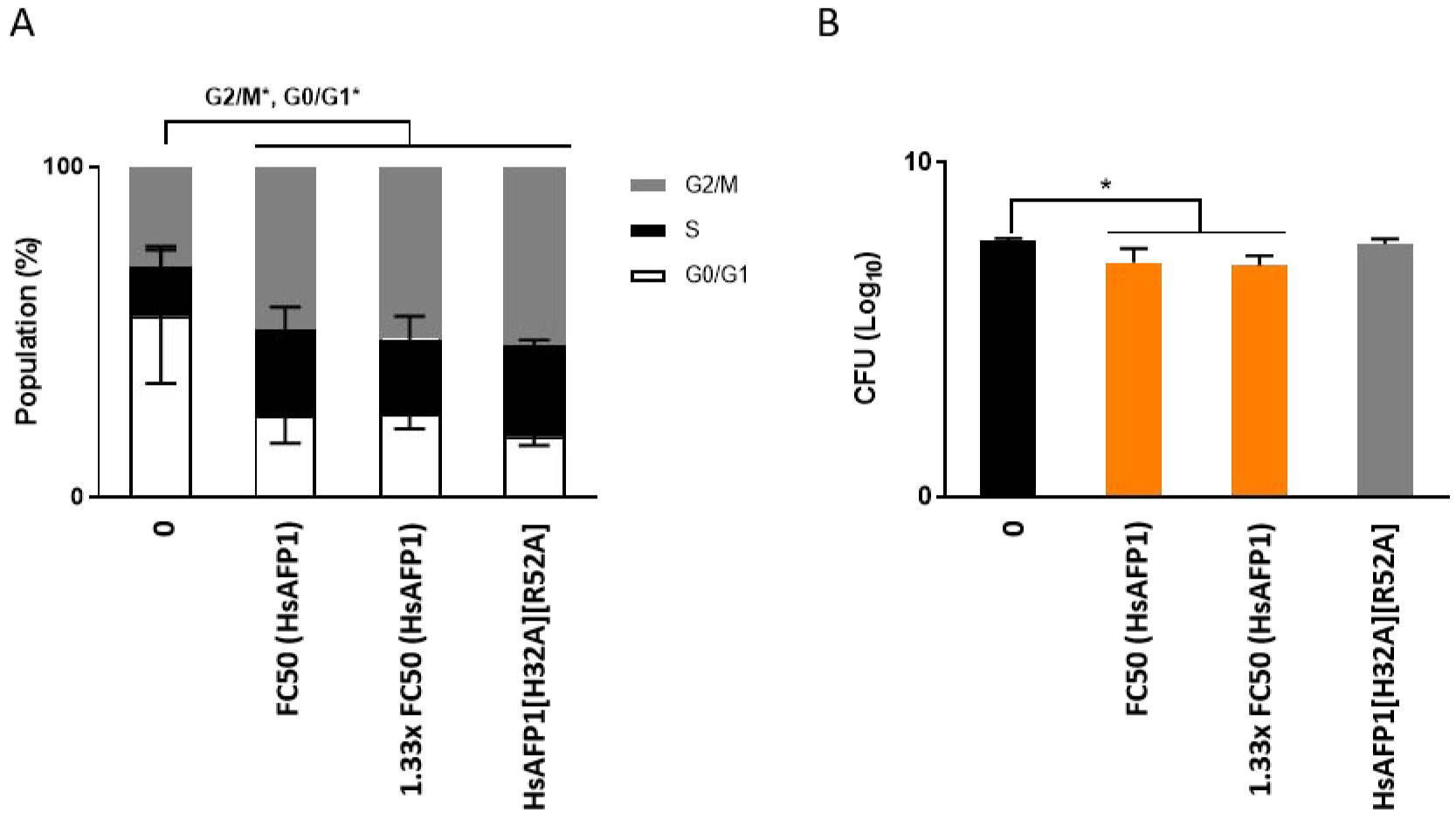
The plant defensin HsAFP1 is characterized by broad-spectrum antifungal activity and induces apoptosis in Candida albicans. In this study, we performed a transcriptome analysis on C. albicans cultures treated with HsAFP1 to gain further insight in the antifungal mode of action of HsAFP1. Various genes coding for cell surface proteins, like glycosylphosphatidylinositol (GPI)-anchored proteins, and proteins involved in cation homeostasis, autophagy and in cell cycle were differentially expressed upon HsAFP1 treatment. The biological validation of these findings was performed in the model yeast Saccharomyces cerevisiae. To discriminate between events linked to HsAFP1's antifungal activity and those that are not, we additionally used an inactive HsAFP1 mutant. We demonstrated that (i) HsAFP1-resistent S. cerevisiae mutants that are characterized by a defect in processing GPI-anchors are unable to internalize HsAFP1, and (ii) moderate doses (FC50, fungicidal concentration resulting in 50% killing) of HsAFP1 induce autophagy in S. cerevisiae, while high HsAFP1 doses result in vacuolar dysfunction. Vacuolar function is an important determinant of replicative lifespan (RLS) under dietary restriction (DR). In line, HsAFP1 specifically reduces RLS under DR. Lastly, (iii) HsAFP1 affects S. cerevisiae cell cycle in the G2/M phase. However, the latter HsAFP1-induced event is not linked to its antifungal activity, as the inactive HsAFP1 mutant also impairs the G2/M phase. In conclusion, we demonstrated that GPI-anchored proteins are involved in HsAFP1's internalization, and that HsAFP1 induces autophagy, vacuolar dysfunction and impairment of the cell cycle. Collectively, all these data provide novel insights in the mode of action of HsAFP1 as well as in S. cerevisiae tolerance mechanisms against this peptide.
植物防御素 HsAFP1 具有广谱抗真菌活性,并诱导白色念珠菌细胞凋亡。在这项研究中,我们对用 HsAFP1 处理的白色念珠菌培养物进行了转录组分析,以进一步了解 HsAFP1 的抗真菌作用模式。在 HsAFP1 处理后,各种编码细胞表面蛋白(如糖基磷脂酰肌醇(GPI)锚定蛋白)和参与阳离子稳态、自噬和细胞周期的蛋白的基因表达水平存在差异。这些发现的生物学验证在模式酵母酿酒酵母中进行。为了区分与 HsAFP1 的抗真菌活性相关的事件和不相关的事件,我们还使用了无活性的 HsAFP1 突变体。我们证明了(i)具有 GPI 锚定蛋白加工缺陷的 HsAFP1 抗性酿酒酵母突变体无法内化 HsAFP1,并且(ii)中等剂量(FC50,导致 50%杀伤的杀菌浓度)的 HsAFP1 在酿酒酵母中诱导自噬,而高 HsAFP1 剂量导致液泡功能障碍。液泡功能是在营养限制(DR)下复制寿命(RLS)的重要决定因素。相应地,HsAFP1 特异性地降低 DR 下的 RLS。最后,(iii)HsAFP1 影响酿酒酵母细胞周期的 G2/M 期。然而,后者 HsAFP1 诱导的事件与其抗真菌活性无关,因为无活性的 HsAFP1 突变体也会影响 G2/M 期。总之,我们证明 GPI 锚定蛋白参与了 HsAFP1 的内化,并且 HsAFP1 诱导自噬、液泡功能障碍和细胞周期受损。总的来说,所有这些数据为 HsAFP1 的作用模式以及酿酒酵母对这种肽的耐受机制提供了新的见解。