Liver Research Center, Rhode Island Hospital, Warren Alpert Medical School of Brown University, Providence, RI, 02903, USA.
Department of Internal Medicine, College of Medicine, The University of Oklahoma Health Sciences Center, Oklahoma City, OK, 73104, USA.
Cancer Lett. 2020 Jul 1;481:63-75. doi: 10.1016/j.canlet.2020.02.039. Epub 2020 Mar 4.
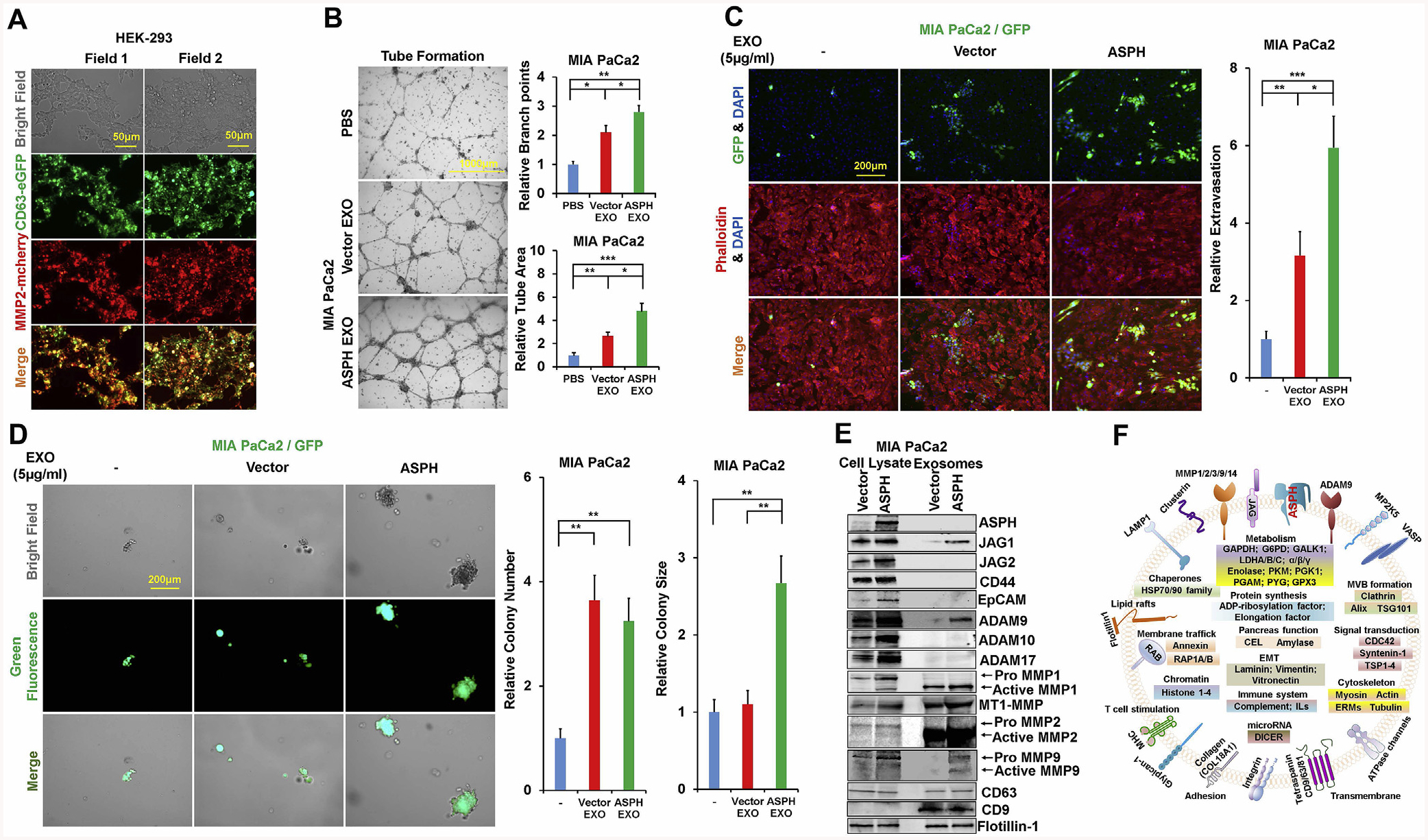
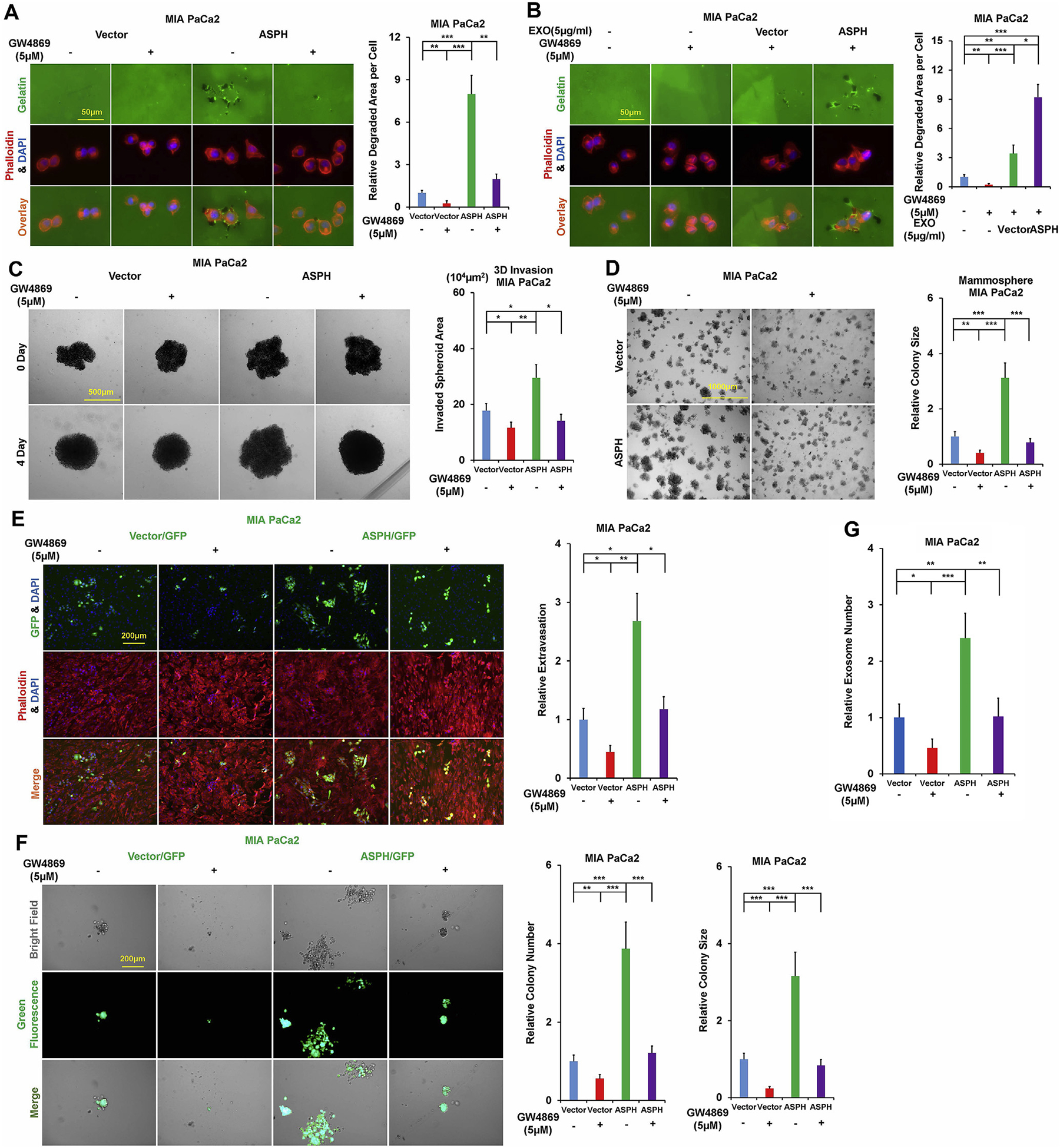
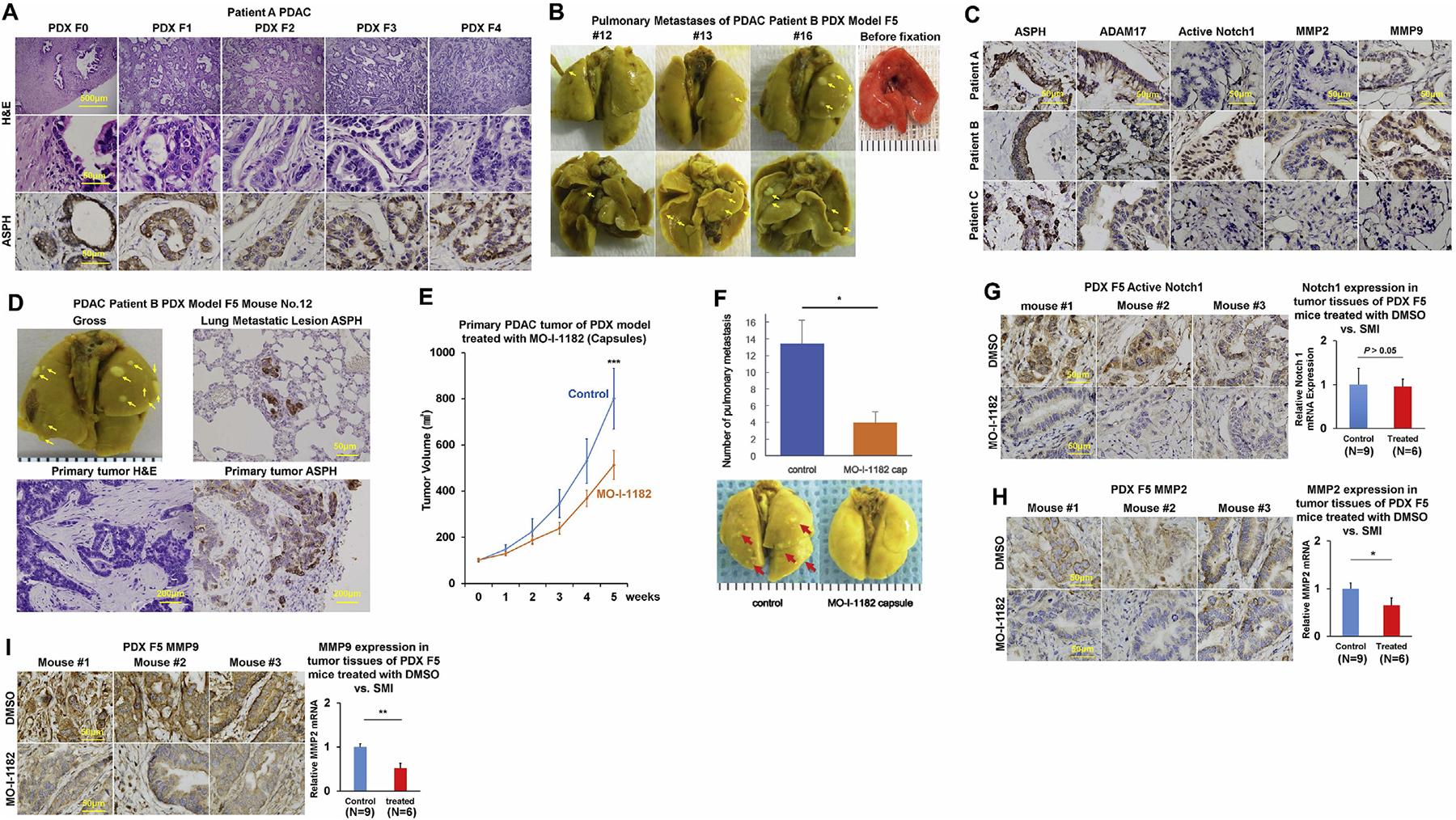
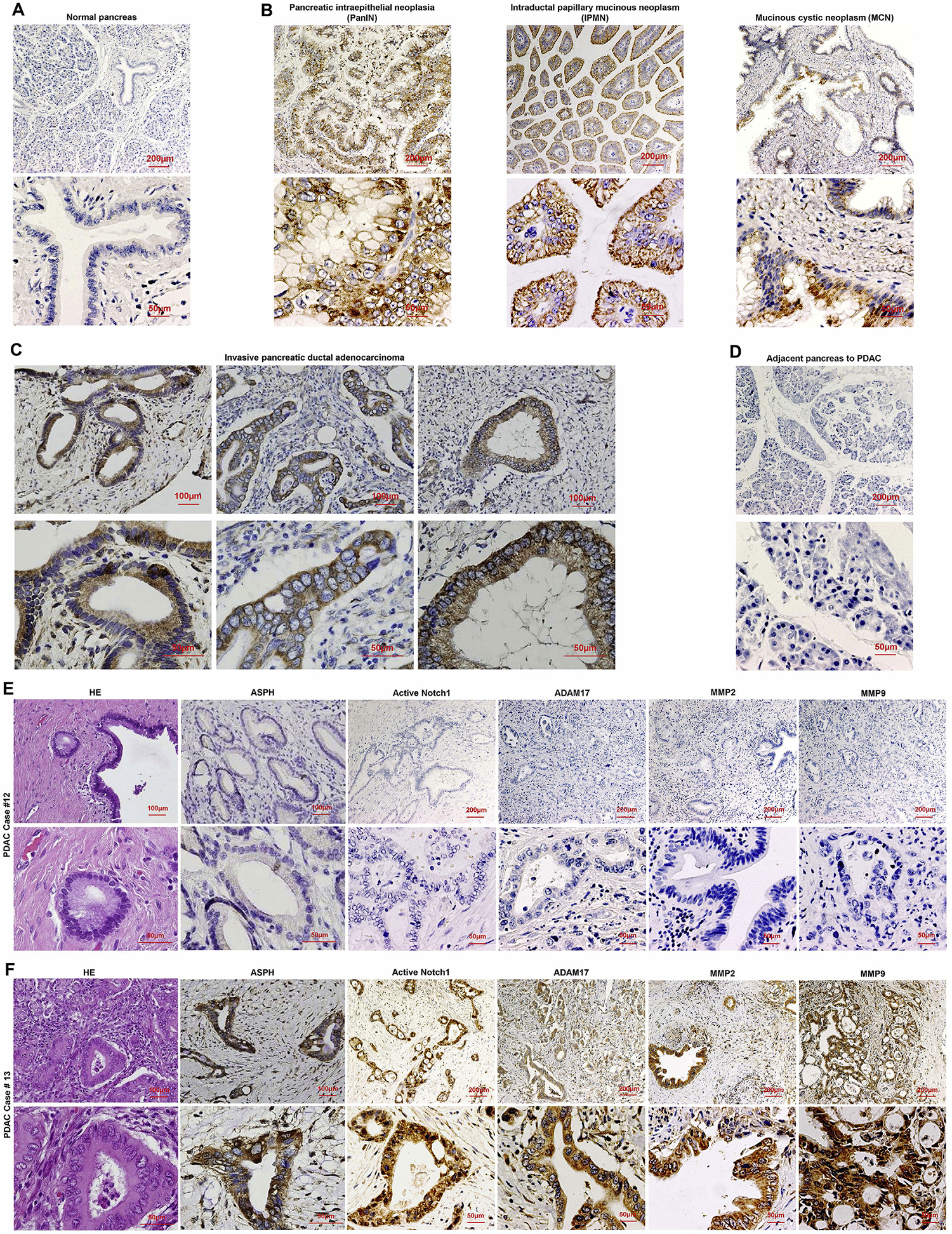
To demonstrate multifaceted contribution of aspartate β-hydroxylase (ASPH) to pancreatic ductal adenocarcinoma (PDAC) pathogenesis, in vitro metastasis assay and patient derived xenograft (PDX) murine models were established. ASPH propagates aggressive phenotypes characterized by enhanced epithelial-mesenchymal transition (EMT), 2-D/3-D invasion, extracellular matrix (ECM) degradation/remodeling, angiogenesis, stemness, transendothelial migration and metastatic colonization/outgrowth at distant sites. Mechanistically, ASPH activates Notch cascade through direct physical interactions with Notch1/JAGs and ADAMs. The ASPH-Notch axis enables prometastatic secretome trafficking via exosomes, subsequently initiates MMPs mediated ECM degradation/remodeling as an effector for invasiveness. Consequently, ASPH fosters primary tumor development and pulmonary metastasis in PDX models, which was blocked by a newly developed small molecule inhibitor (SMI) specifically against ASPH's β-hydroxylase activity. Clinically, ASPH is silenced in normal pancreas, progressively upregulated from pre-malignant lesions to invasive/advanced stage PDAC. Relatively high levels of ASPH-Notch network components independently/jointly predict curtailed overall survival (OS) in PDAC patients (log-rank test, Ps < 0.001; Cox proportional hazards regression, P < 0.001). Therefore, ASPH-Notch axis is essential for propagating multiple-steps of metastasis and predicts prognosis of PDAC patients. A specific SMI targeting ASPH offers a novel therapeutic approach to substantially retard PDAC development/progression.
为了证明天冬氨酸β-羟化酶 (ASPH) 在胰腺导管腺癌 (PDAC) 发病机制中的多方面贡献,建立了体外转移测定和患者来源的异种移植 (PDX) 小鼠模型。ASPH 传播具有侵袭性表型的特征,表现为增强的上皮-间充质转化 (EMT)、2-D/3-D 侵袭、细胞外基质 (ECM) 降解/重塑、血管生成、干性、跨内皮迁移和远处部位的转移性定植/生长。从机制上讲,ASPH 通过与 Notch1/JAGs 和 ADAMs 的直接物理相互作用激活 Notch 级联。ASPH-Notch 轴通过外泌体允许促进转移的分泌体运输,随后通过 MMPs 介导的 ECM 降解/重塑作为侵袭性的效应物。因此,ASPH 在 PDX 模型中促进原发性肿瘤发展和肺转移,这可被一种新开发的针对 ASPH 的β-羟化酶活性的小分子抑制剂 (SMI) 阻断。临床上,ASPH 在正常胰腺中被沉默,从癌前病变到侵袭性/晚期 PDAC 逐渐上调。ASPH-Notch 网络成分的相对高水平独立/共同预测 PDAC 患者的总生存期 (OS) 缩短 (对数秩检验,P < 0.001;Cox 比例风险回归,P < 0.001)。因此,ASPH-Notch 轴对于传播转移的多个步骤是必不可少的,并预测 PDAC 患者的预后。针对 ASPH 的特异性 SMI 提供了一种新的治疗方法,可显著延缓 PDAC 的发展/进展。