Jankowiak Barbara, Kowalewska Beata, Krajewska-Kułak Elżbieta, Khvorik Dzmitry F
Department of Integrated Medical Care, Medical University of Białystok, Białystok, Poland.
Department of Dermatovenerology, Medical University of Grodno, Grodno, Belarus.
Dermatol Ther (Heidelb). 2020 Apr;10(2):285-296. doi: 10.1007/s13555-020-00363-1. Epub 2020 Mar 7.
Each dermatological condition associated with the presence of visible skin lesions can evoke the following psychological response of the patient: shame, anxiety, anger, or even depression. Psoriasis may additionally be a cause of social rejection, which significantly impairs a patient's private life and social functioning, and may contribute to stigmatization, alienation, and deterioration of their quality of life. The aim of the study was to determine the level of stigmatization and the quality of life of persons with psoriasis in relation to sociodemographic characteristics.
The study, which included 166 patients with plaque psoriasis, was carried out with the 33-item Feelings of Stigmatization Questionnaire, Dermatology Life Quality Index (DLQI), and a dedicated sociodemographic survey.
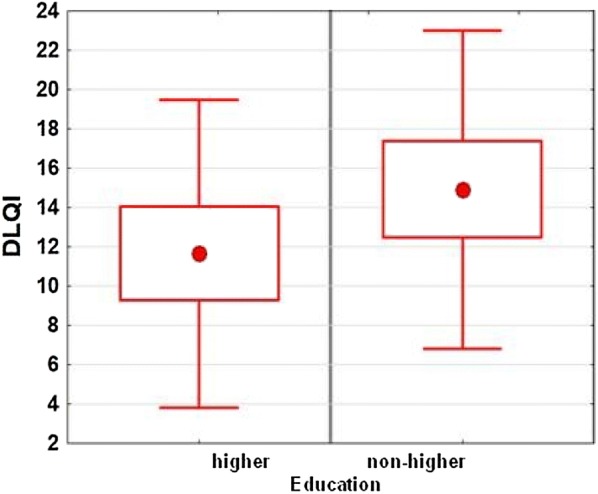
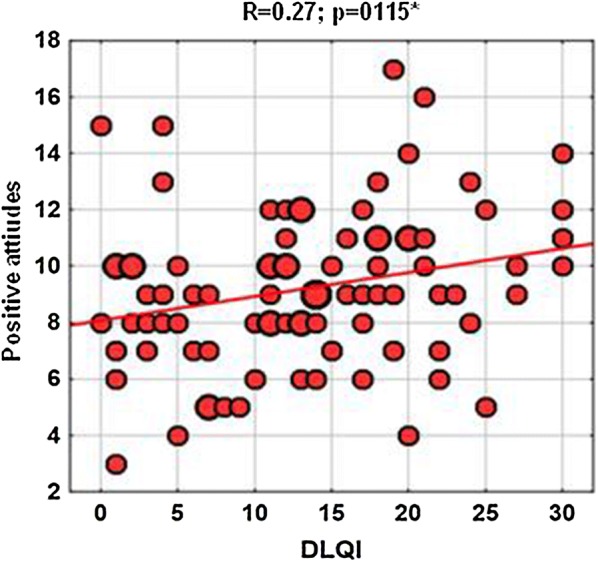
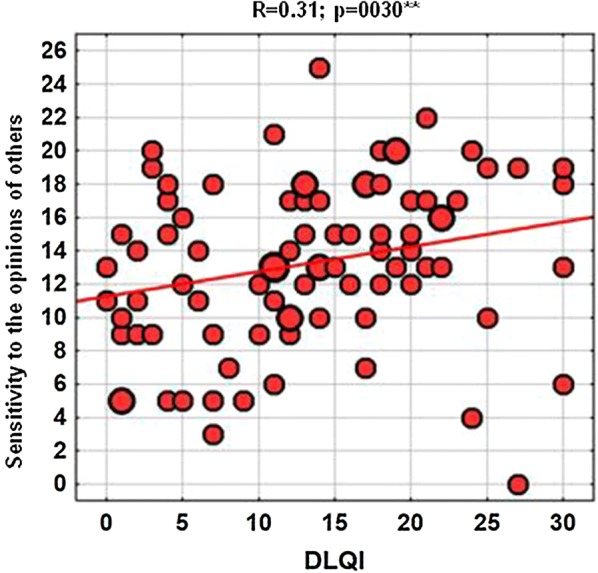
Compared with women, men had higher stigmatization scores in the "Feeling of being flawed" domain (p = 0.0362), and patients up to 30 years of age scored higher on the "Guilt and shame" domain ([Formula: see text] = 17.1 points) than those older than 30 years ([Formula: see text] = 14.6 points). Also, persons with visible skin lesions presented with higher stigmatization levels in the "Guilt and shame" domain than those without (p = 0.0028). Quality of life in persons with psoriasis did not depend on sociodemographic parameters but correlated significantly with two stigmatization domains, "Sensitivity to the opinions of others" (R = 0.31; p = 0.0030) and "Positive attitudes" (R = 0.27; p = 0.0115).
As stigmatization is a social problem, only greater social awareness of psoriasis may contribute to better understanding and broader acceptance of patients with this dermatosis. To help them to cope with the stigmatization and hence to improve their quality of life, persons with psoriasis should be provided with psychological counselling.
每一种伴有可见皮肤损害的皮肤病状况都可能引发患者以下心理反应:羞耻、焦虑、愤怒,甚至抑郁。银屑病还可能是社会排斥的一个原因,这会严重损害患者的私人生活和社会功能,并可能导致污名化、疏离感以及生活质量下降。本研究的目的是确定银屑病患者的污名化程度及其生活质量与社会人口学特征之间的关系。
该研究纳入了166例斑块状银屑病患者,采用33项污名化感受问卷、皮肤病生活质量指数(DLQI)以及一份专门的社会人口学调查问卷进行。
与女性相比,男性在“感觉有缺陷”领域的污名化得分更高(p = 0.0362),30岁及以下患者在“内疚与羞耻”领域的得分([公式:见原文] = 17.1分)高于30岁以上患者([公式:见原文] = 14.6分)。此外,有可见皮肤损害的患者在“内疚与羞耻”领域的污名化程度高于无可见皮肤损害的患者(p = 0.0028)。银屑病患者的生活质量并不取决于社会人口学参数,但与两个污名化领域显著相关,即“对他人意见的敏感度”(R = 0.31;p = 0.0030)和“积极态度”(R = 0.27;p = 0.0115)。
由于污名化是一个社会问题,只有提高社会对银屑病的认识,才可能有助于更好地理解和更广泛地接纳这种皮肤病患者。为帮助他们应对污名化并从而改善生活质量,应为银屑病患者提供心理咨询。