Department of Pathology and Laboratory Medicine, Abramson Family Cancer Research Institute, Perelman School of Medicine, University of Pennsylvania, Philadelphia, PA.
Department of Systems Pharmacology and Translational Therapeutics, Perelman School of Medicine, University of Pennsylvania, Philadelphia, PA.
J Exp Med. 2020 May 4;217(5). doi: 10.1084/jem.20190888.
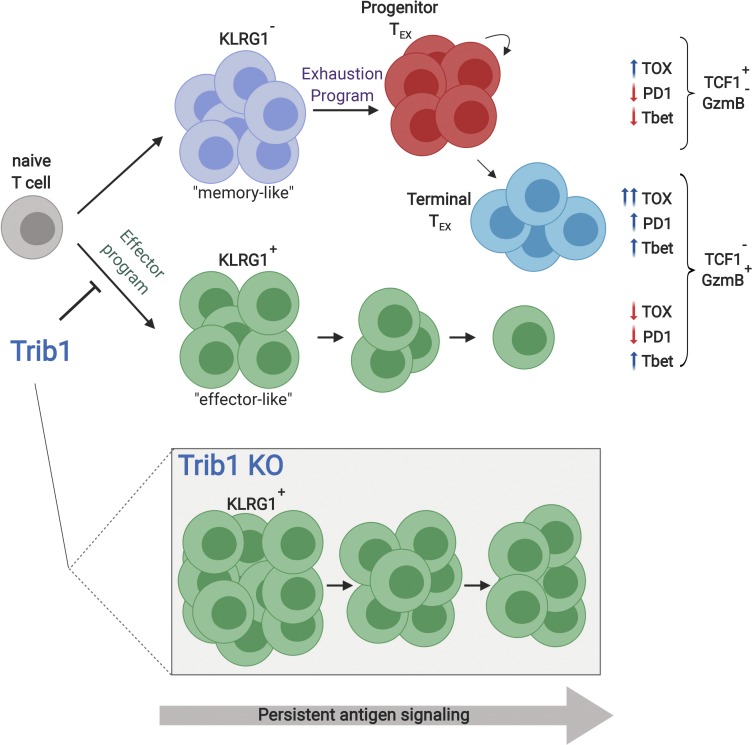
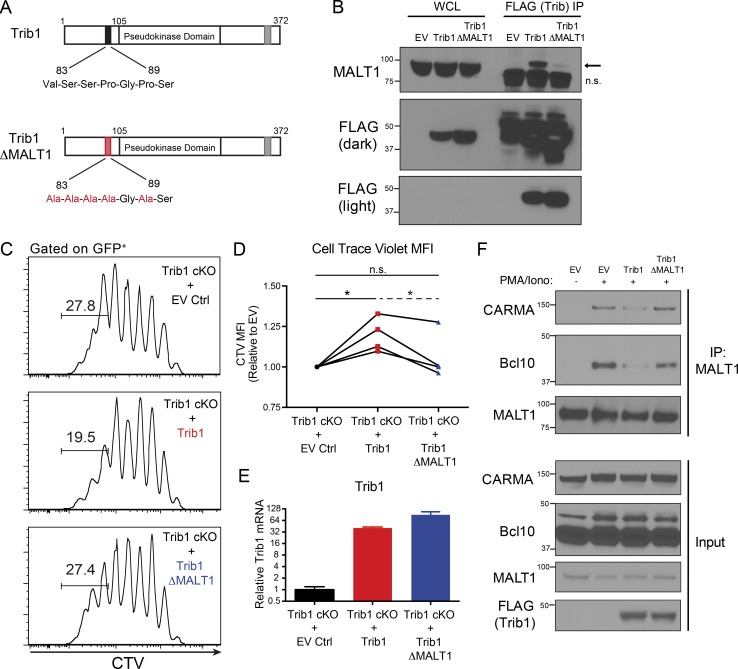
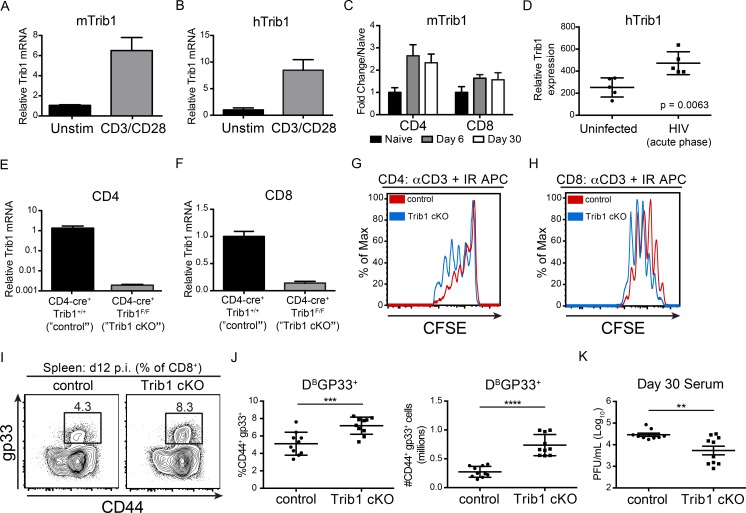
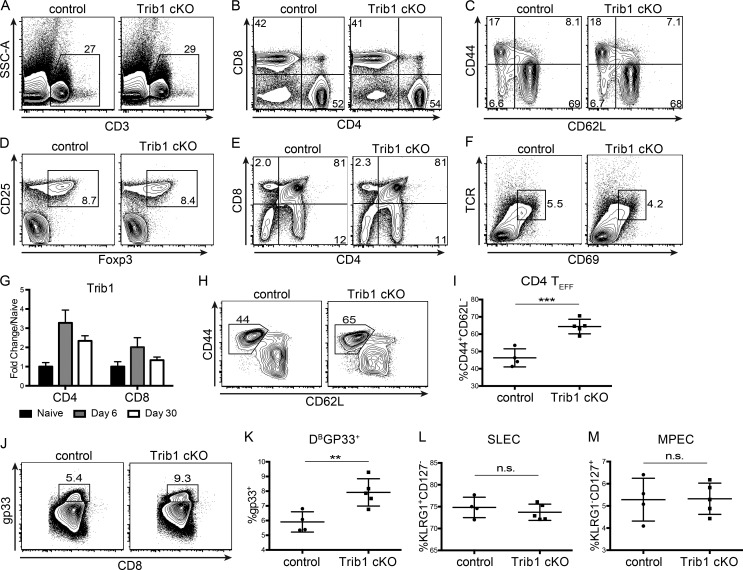
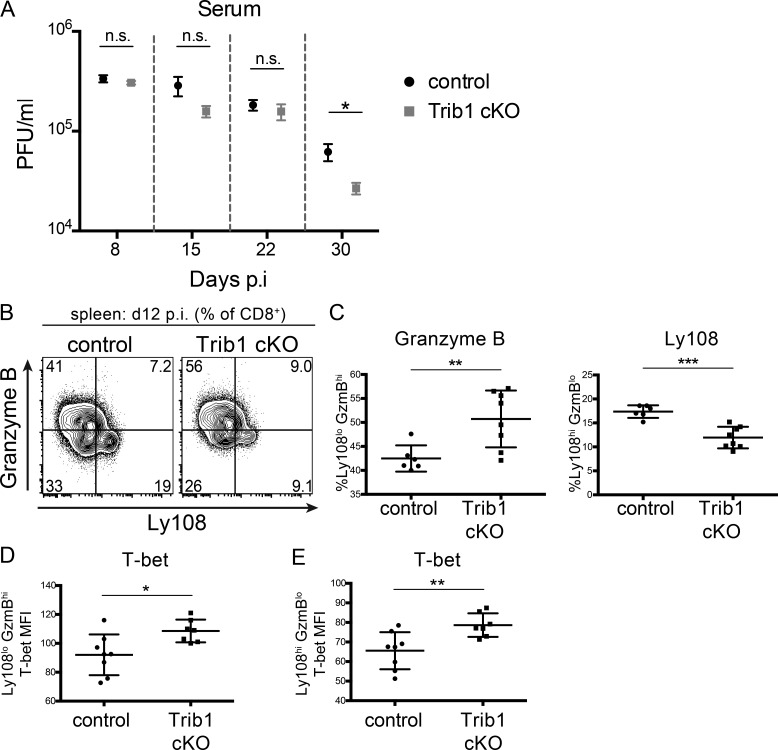
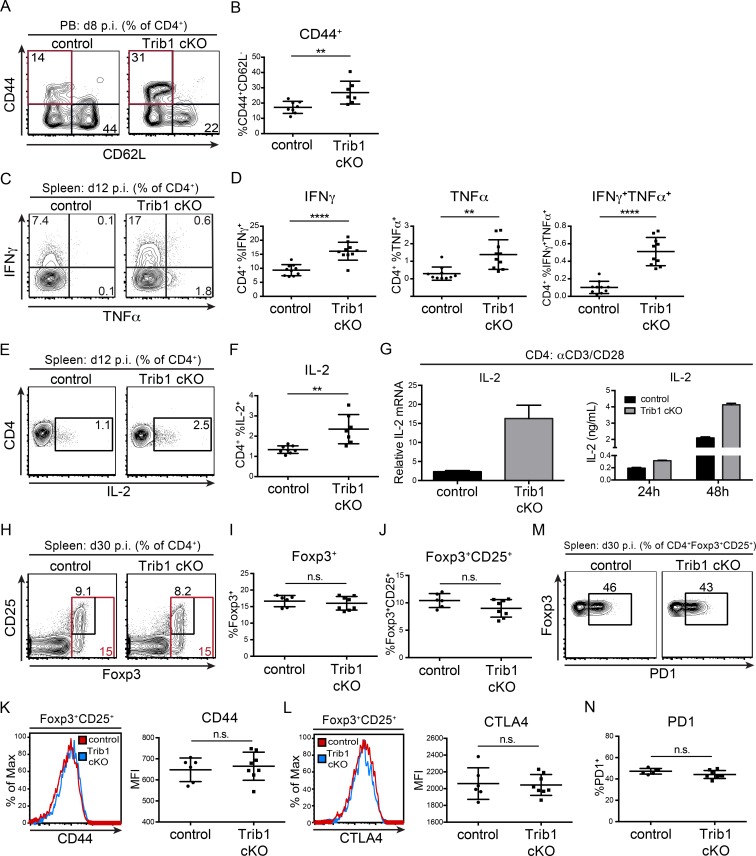
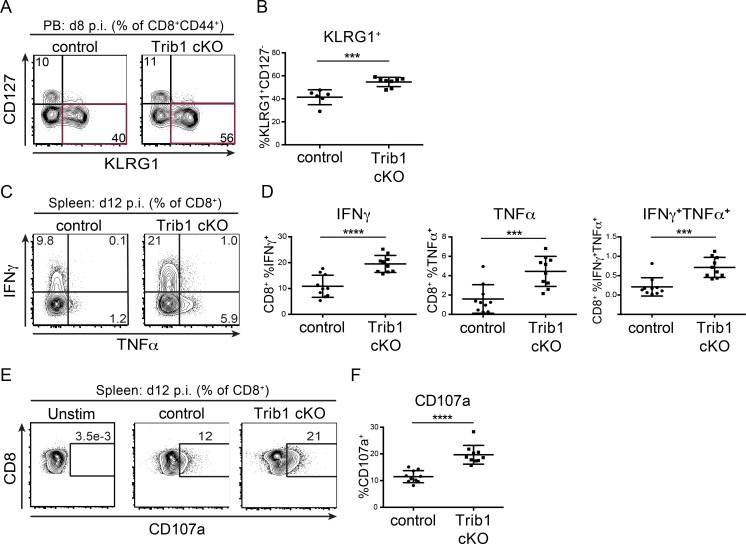
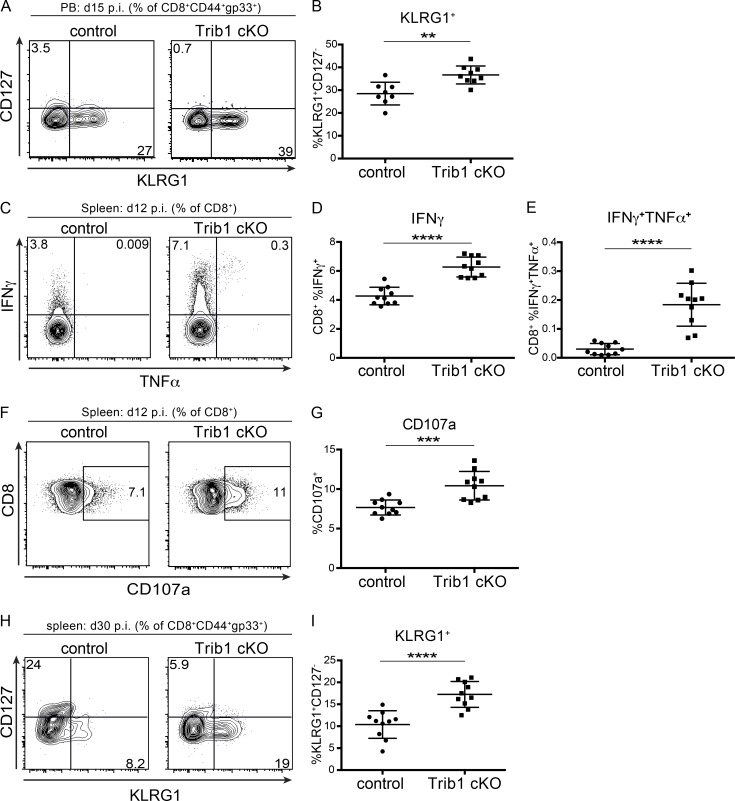
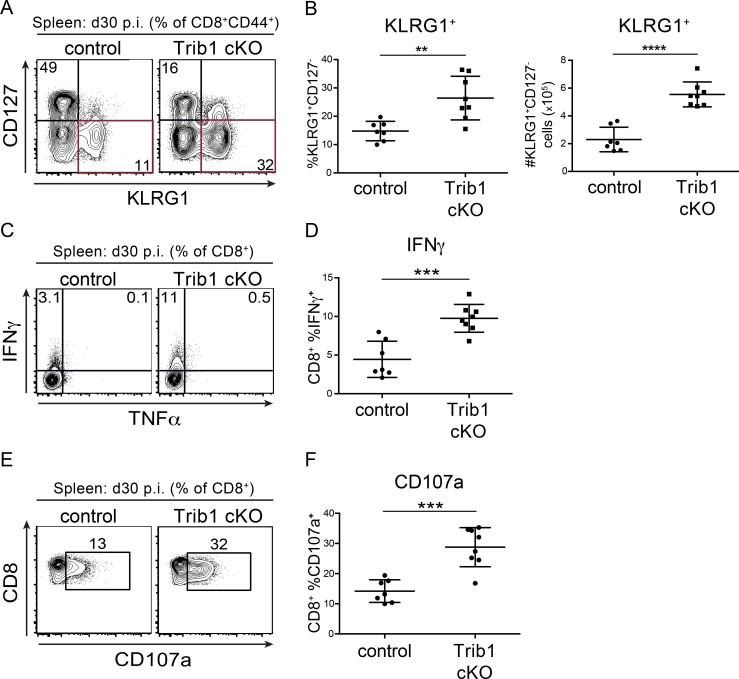
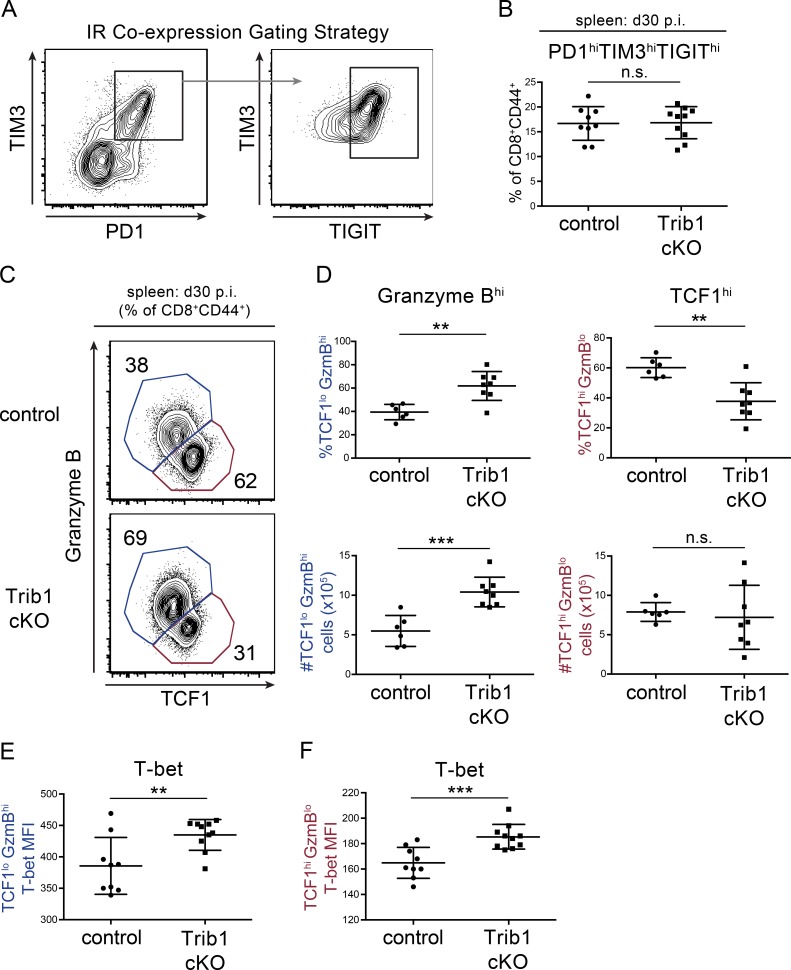
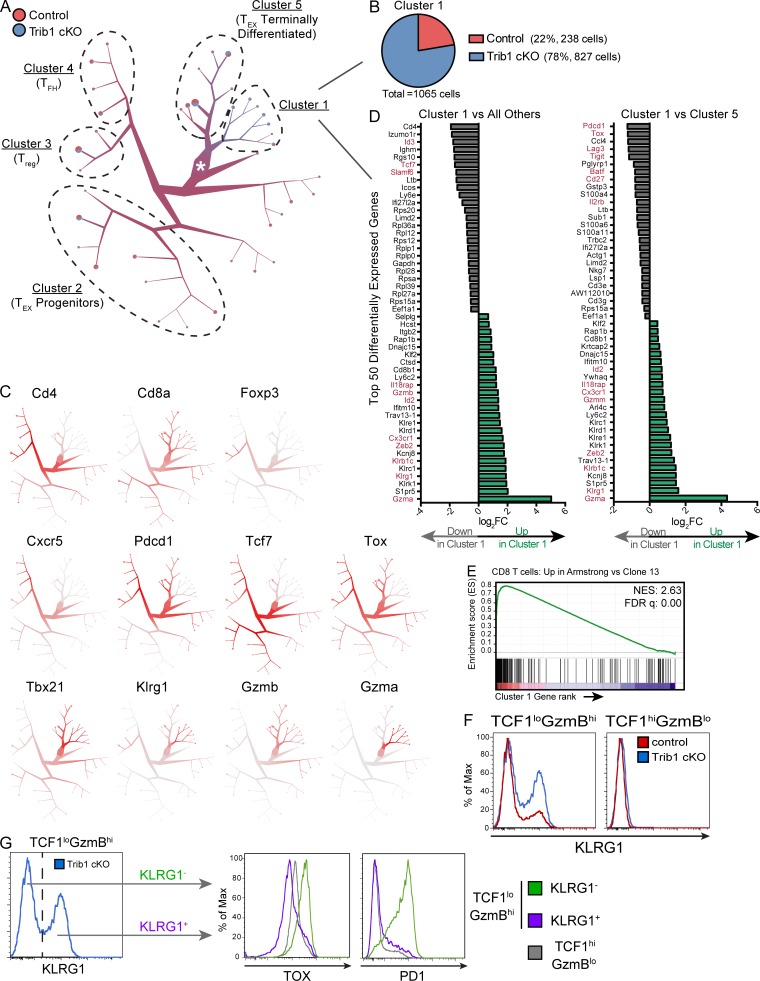
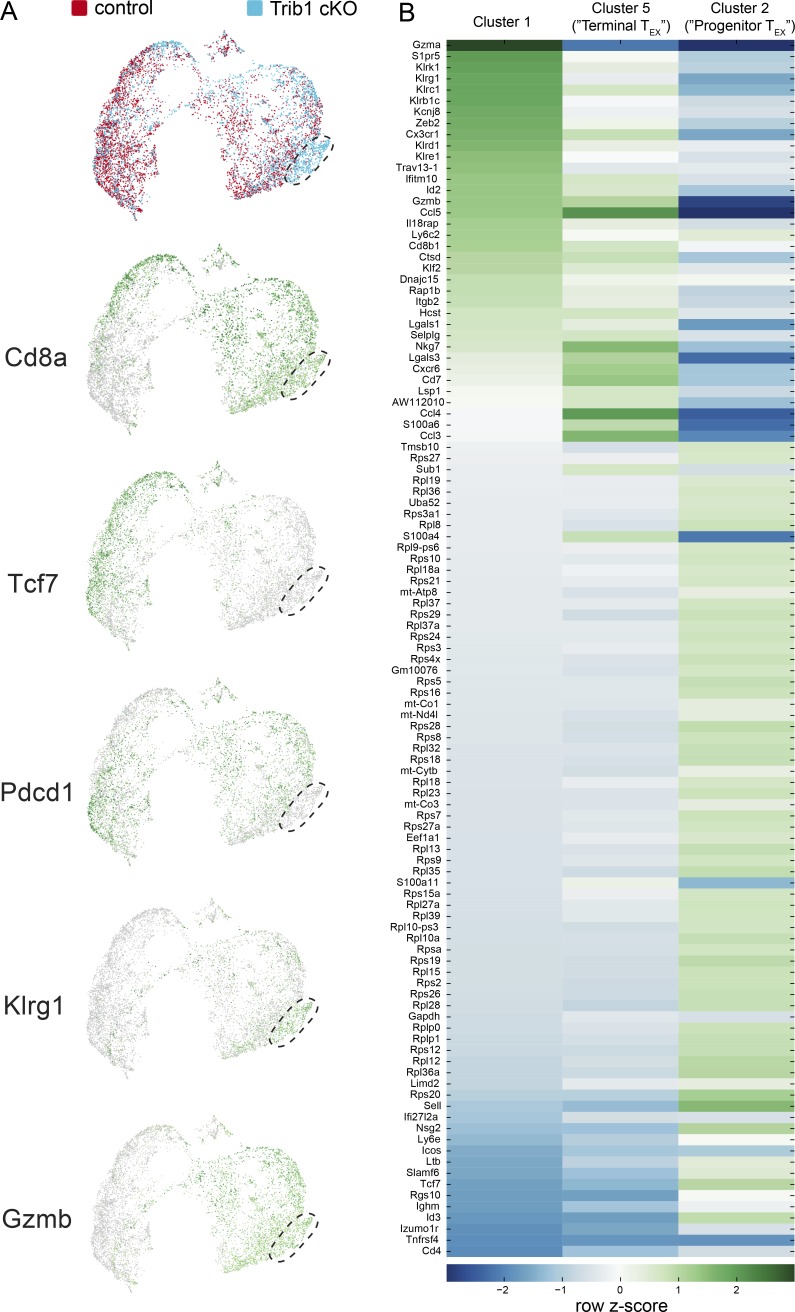
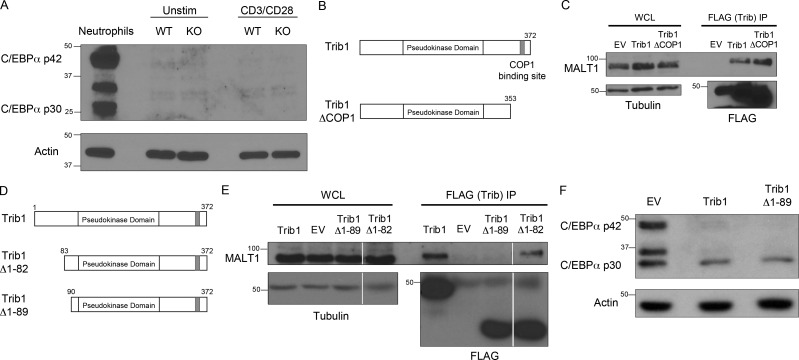
In chronic infections, the immune response fails to control virus, leading to persistent antigen stimulation and the progressive development of T cell exhaustion. T cell effector differentiation is poorly understood in the context of exhaustion, but targeting effector programs may provide new strategies for reinvigorating T cell function. We identified Tribbles pseudokinase 1 (Trib1) as a central regulator of antiviral T cell immunity, where loss of Trib1 led to a sustained enrichment of effector-like KLRG1+ T cells, enhanced function, and improved viral control. Single-cell profiling revealed that Trib1 restrains a population of KLRG1+ effector CD8 T cells that is transcriptionally distinct from exhausted cells. Mechanistically, we identified an interaction between Trib1 and the T cell receptor (TCR) signaling activator, MALT1, which disrupted MALT1 signaling complexes. These data identify Trib1 as a negative regulator of TCR signaling and downstream function, and reveal a link between Trib1 and effector versus exhausted T cell differentiation that can be targeted to improve antiviral immunity.
在慢性感染中,免疫反应未能控制病毒,导致持续的抗原刺激和 T 细胞耗竭的进行性发展。在耗竭的情况下,T 细胞效应分化的理解很差,但靶向效应程序可能为重新激活 T 细胞功能提供新的策略。我们发现 Tribbles 假激酶 1(Trib1)是抗病毒 T 细胞免疫的中央调节剂,Trib1 的缺失导致持续富集具有效应样特征的 KLRG1+T 细胞,增强功能,并改善病毒控制。单细胞分析显示,Trib1 抑制了一群转录上不同于耗竭细胞的 KLRG1+效应 CD8 T 细胞。从机制上讲,我们发现 Trib1 与 T 细胞受体(TCR)信号激活剂 MALT1 之间存在相互作用,该相互作用破坏了 MALT1 信号复合物。这些数据将 Trib1 鉴定为 TCR 信号和下游功能的负调节剂,并揭示了 Trib1 与效应与耗竭 T 细胞分化之间的联系,可靶向该联系以改善抗病毒免疫。