Department of Cardiology, the First Affiliated Hospital of Wenzhou Medical University, Wenzhou, Zhejiang, China; Chemical Biology Research Center, School of Pharmaceutical Sciences, Wenzhou Medical University, Wenzhou, Zhejiang, China.
Department of Cardiology, the First Affiliated Hospital of Wenzhou Medical University, Wenzhou, Zhejiang, China.
EBioMedicine. 2020 Mar;53:102706. doi: 10.1016/j.ebiom.2020.102706. Epub 2020 Mar 6.
Atherosclerosis is a chronic inflammatory disease. Although Toll-like receptor 4 (TLR4) has been involved in inflammatory atherosclerosis, the exact mechanisms by which oxidized-low-density lipoproteins (ox-LDL) activates TLR4 and elicits inflammatory genesis are not fully known. Myeloid differentiation factor 2 (MD2) is an extracellular molecule indispensable for lipopolysaccharide recognition of TLR4.
ApoeMd2 mice and pharmacological inhibitor of MD2 were used in this study. We also reconstituted Apoe mice with either Apoe or ApoeMd2 marrow-derived cells. Mechanistic studies were performed in primary macrophages, HEK-293T cells, and cell-free system.
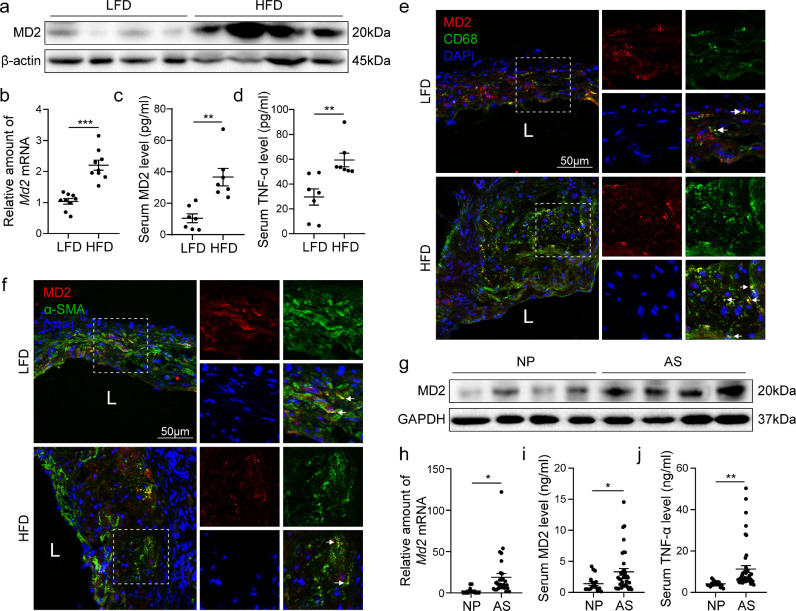
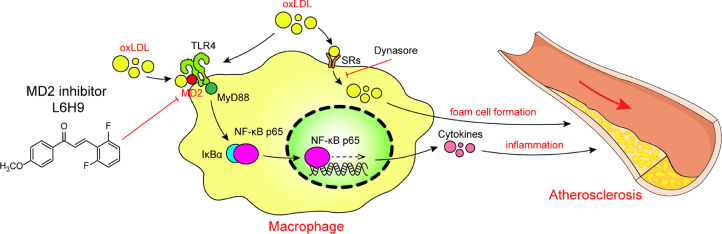
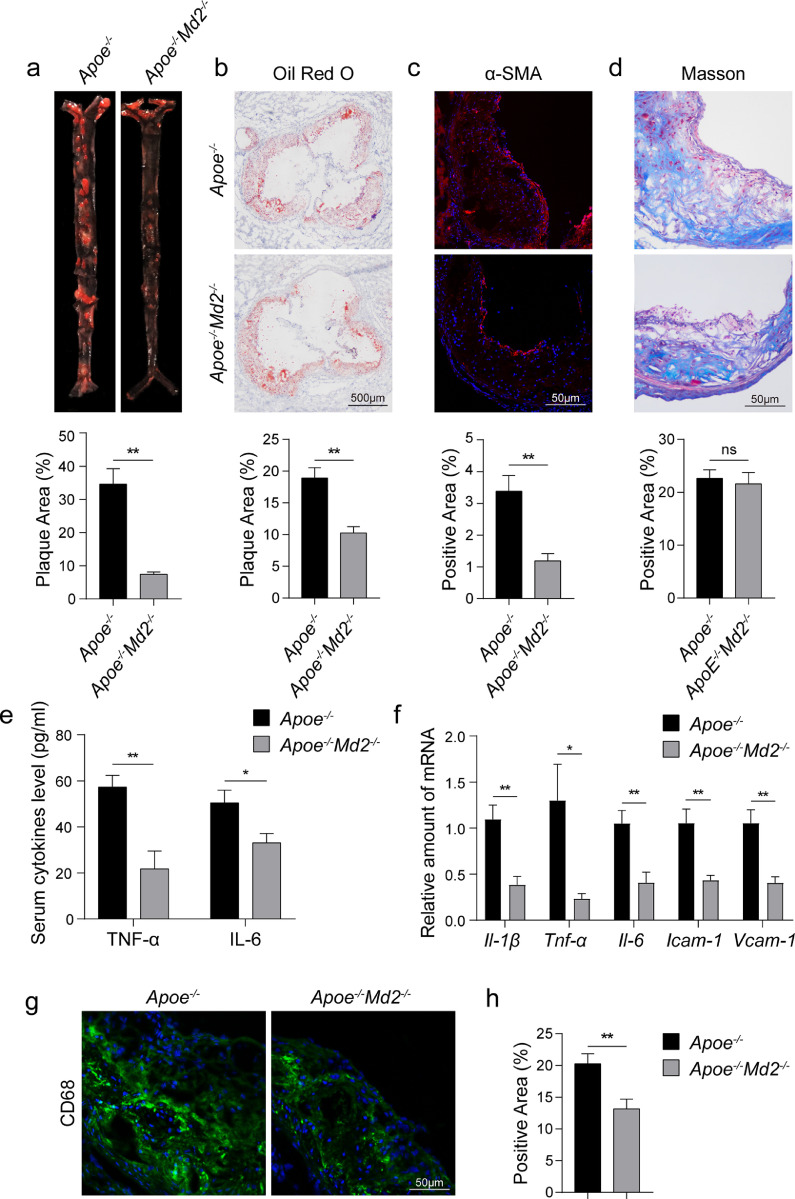
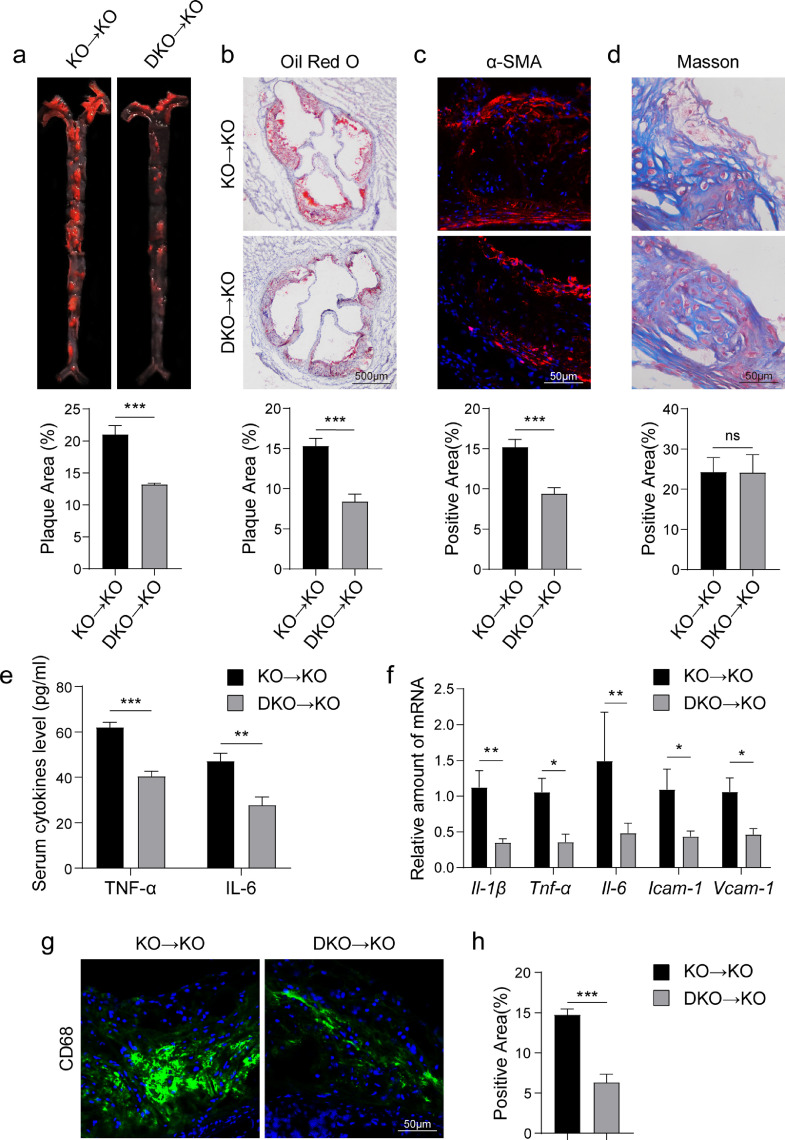
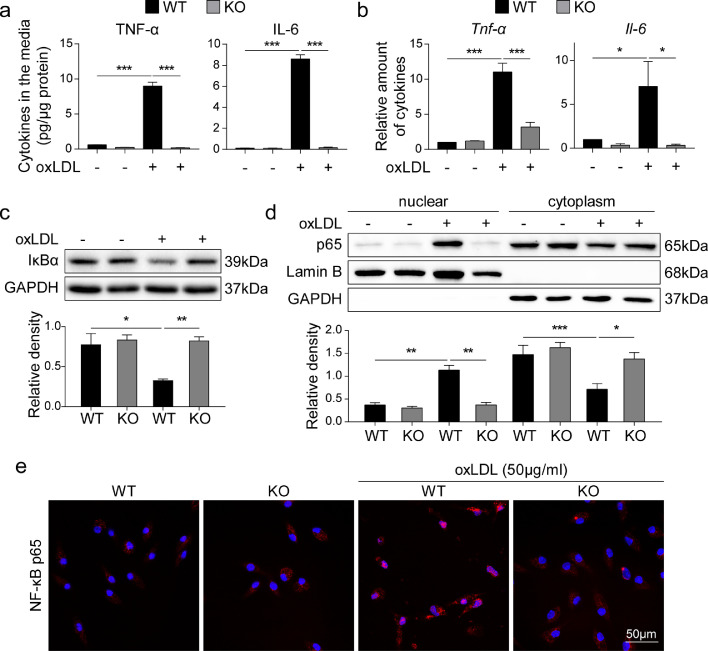
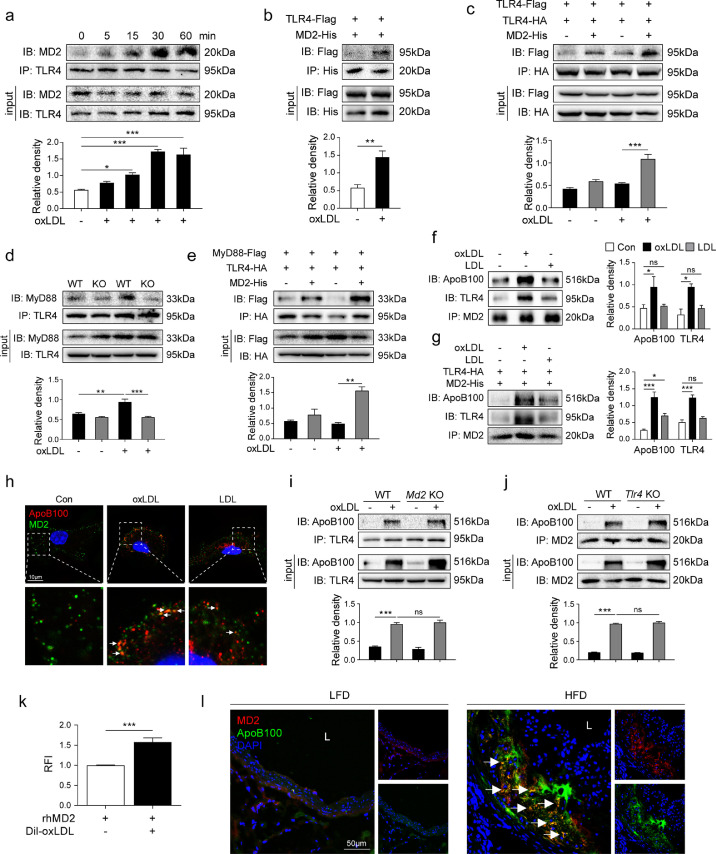
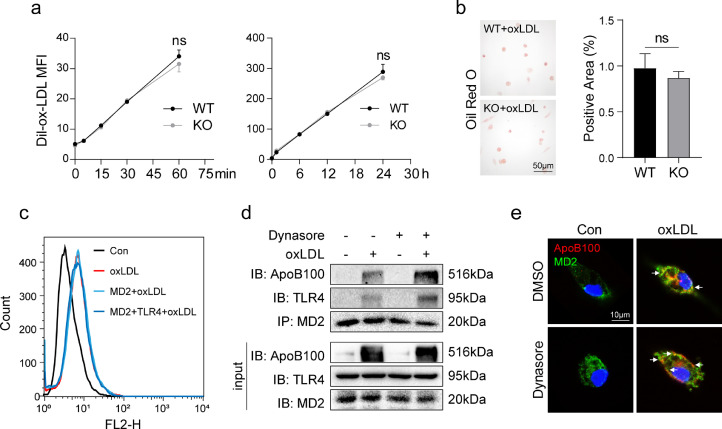
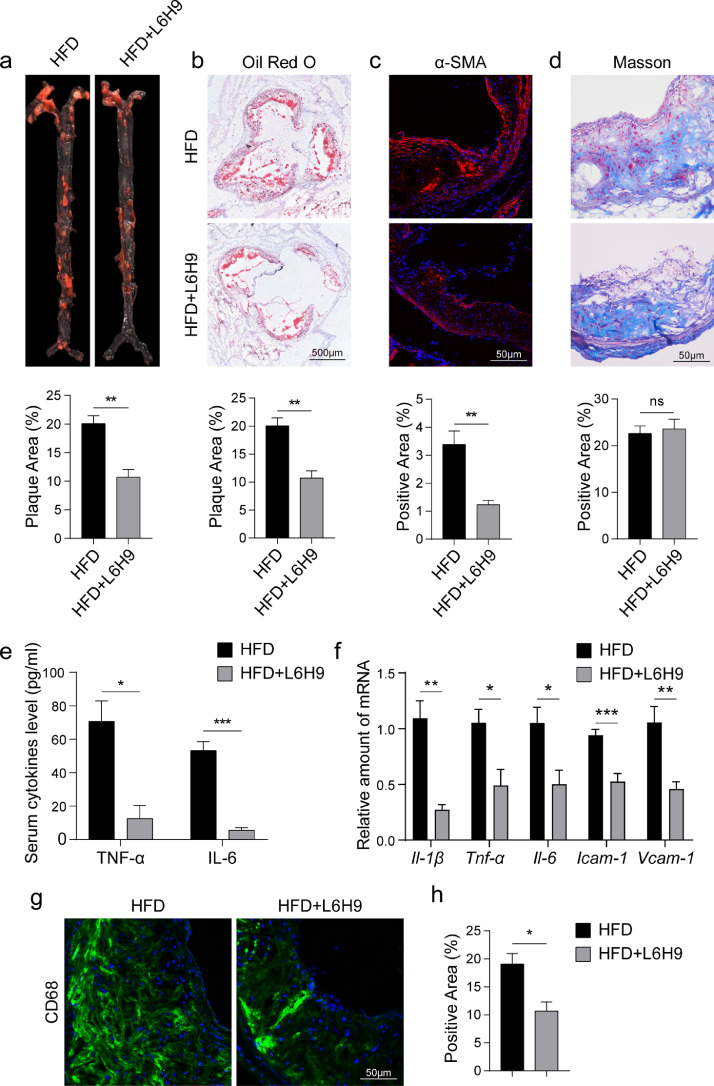
MD2 levels are elevated in atherosclerotic lesion macrophages, and MD2 deficiency or pharmacological inhibition in mice reduces the inflammation and stunts the development of atherosclerotic lesions in Apoe mice fed with high-fat diet. Transfer of marrow-derived cells from Apoe-Md2 double knockout mice to Apoe knockout mice confirmed the critical role of bone marrow-derived MD2 in inflammatory factor induction and atherosclerosis development. Mechanistically, we show that MD2 does not alter ox-LDL uptake by macrophages but is required for TLR4 activation and inflammation via directly binding to ox-LDL, which triggers MD2/TLR4 complex formation and TLR4-MyD88-NFκB pro-inflammatory cascade.
We provide a mechanistic basis of ox-LDL-induced macrophage inflammation, illustrate the role of macrophage-derived MD2 in atherosclerosis, and support the therapeutic potential of MD2 targeting in atherosclerosis-driven cardiovascular diseases.
This work was supported by the National Key Research Project of China (2017YFA0506000), National Natural Science Foundation of China (21961142009, 81930108, 81670244, and 81700402), and Natural Science Foundation of Zhejiang Province (LY19H020004).
动脉粥样硬化是一种慢性炎症性疾病。虽然 Toll 样受体 4(TLR4)参与了炎症性动脉粥样硬化,但氧化低密度脂蛋白(ox-LDL)激活 TLR4 并引发炎症发生的确切机制尚不完全清楚。髓样分化因子 2(MD2)是 TLR4 识别脂多糖所必需的细胞外分子。
在本研究中使用了 ApoeMd2 小鼠和 MD2 的药理学抑制剂。我们还将 Apoe 小鼠用 Apoe 或 ApoeMd2 骨髓来源的细胞进行了重建。在原代巨噬细胞、HEK-293T 细胞和无细胞系统中进行了机制研究。
在动脉粥样硬化病变的巨噬细胞中,MD2 水平升高,而在高脂肪饮食喂养的 Apoe 小鼠中,MD2 缺乏或药理学抑制可减少炎症并阻碍动脉粥样硬化病变的发展。从 Apoe-Md2 双敲除小鼠向 Apoe 敲除小鼠转移骨髓来源的细胞证实了骨髓来源的 MD2 在诱导炎症因子和动脉粥样硬化发展中的关键作用。从机制上讲,我们表明 MD2 不会改变巨噬细胞对 ox-LDL 的摄取,但通过直接与 ox-LDL 结合,MD2 是 TLR4 激活和炎症所必需的,这触发了 MD2/TLR4 复合物的形成和 TLR4-MyD88-NFκB 促炎级联反应。
我们提供了 ox-LDL 诱导的巨噬细胞炎症的机制基础,说明了巨噬细胞衍生的 MD2 在动脉粥样硬化中的作用,并支持了靶向 MD2 在动脉粥样硬化驱动的心血管疾病中的治疗潜力。
这项工作得到了中国国家重点研发计划(2017YFA0506000)、国家自然科学基金(21961142009、81930108、81670244 和 81700402)以及浙江省自然科学基金(LY19H020004)的支持。