Liu Yi-Hui, Huang Wen-Hsin
Department of Senior Citizen Service Management, National Taichung University of Science and Technology, Taichung, Taiwan.
Department of Accounting Information, National Taichung University of Science and Technology, Taichung, Taiwan.
Front Public Health. 2020 Feb 21;8:32. doi: 10.3389/fpubh.2020.00032. eCollection 2020.
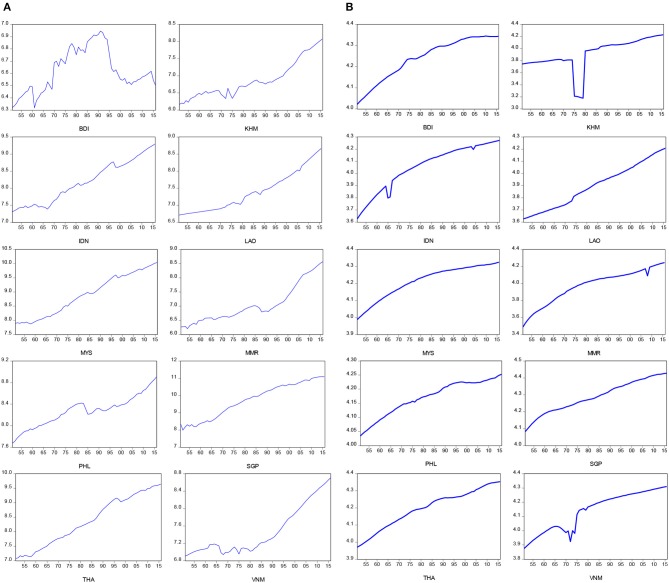
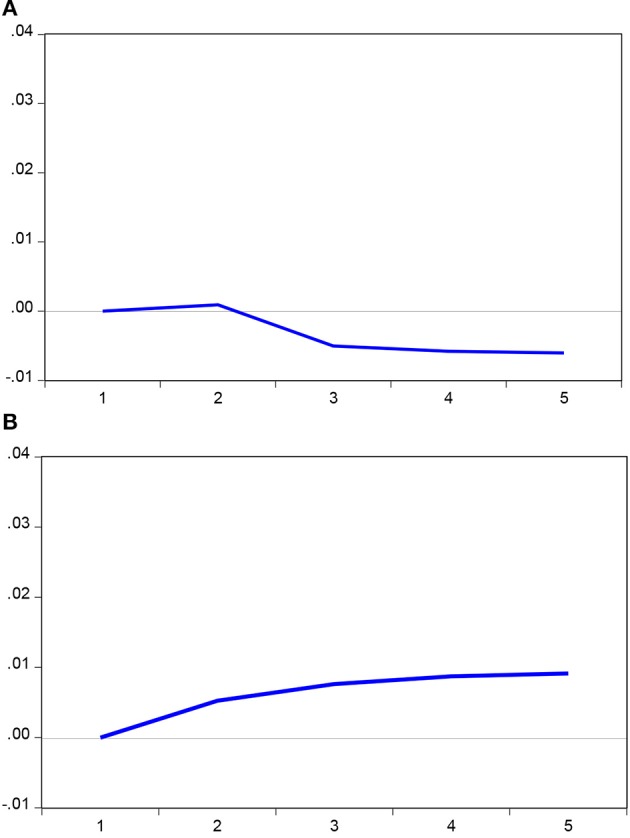
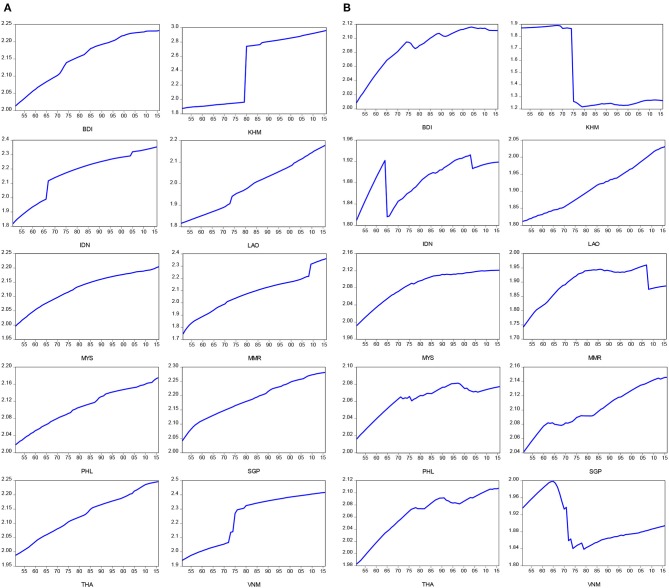
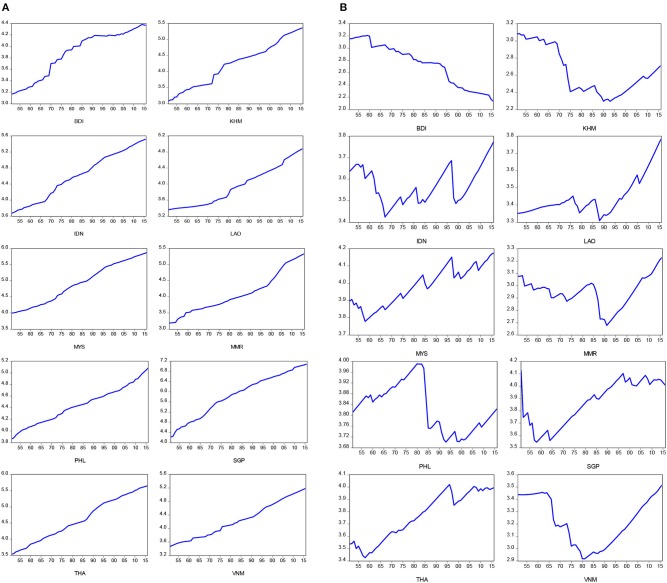
This study investigates the asymmetric effects of business cycles (measured by real GDP per capita) on population health (measured by life expectancy at birth) from the ASEAN countries, namely, Brunei, Cambodia, Indonesia, Laos, Malaysia, Myanmar, Philippines, Singapore, Thailand, and Vietnam. The panel vector error correction model, together with various panel unit root tests and cointegration tests, suggested a hidden cointegrated relationship between life expectancy at birth and the positive and negative components of real GDP per capita, and the asymmetric effects of business cycles on population health were identified in both in the short run and in the long run. Policymakers should focus on the harmful effects of business cycles on population health, and government interventions should be more forceful in times of economic expansion than during periods of economic recession.
本研究调查了东盟国家(即文莱、柬埔寨、印度尼西亚、老挝、马来西亚、缅甸、菲律宾、新加坡、泰国和越南)商业周期(以人均实际国内生产总值衡量)对人口健康(以出生时预期寿命衡量)的非对称影响。面板向量误差修正模型,连同各种面板单位根检验和协整检验,表明出生时预期寿命与人均实际国内生产总值的正负成分之间存在隐藏的协整关系,并且在短期和长期内都确定了商业周期对人口健康的非对称影响。政策制定者应关注商业周期对人口健康的有害影响,并且政府干预在经济扩张时期应比经济衰退时期更有力。