Yahaya Abdulrazaq, Babatunde Damilola, Olaniyan Lamidi W B, Agboola Oluranti
Department of Chemistry, Kogi State University, Anyigba, Kogi State, Nigeria.
Department of Environmental, Water and Earth Science, Faculty of Science, Arcadia Campus, Tshwane University of Technology, Pretoria, South Africa.
Heliyon. 2020 Mar 3;6(3):e03447. doi: 10.1016/j.heliyon.2020.e03447. eCollection 2020 Mar.
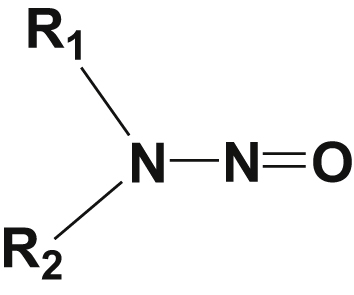
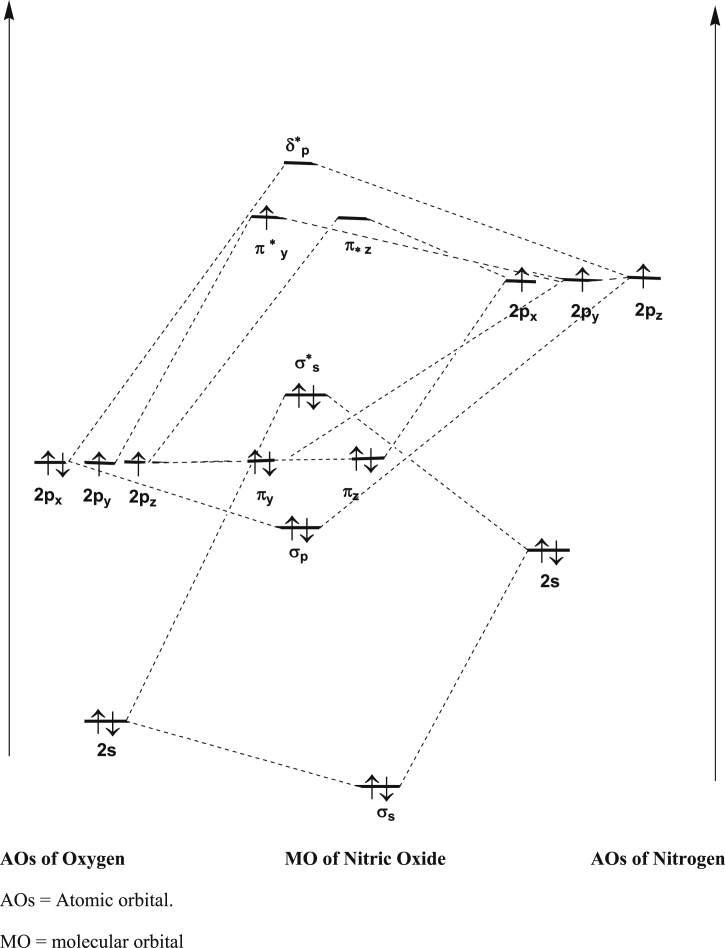
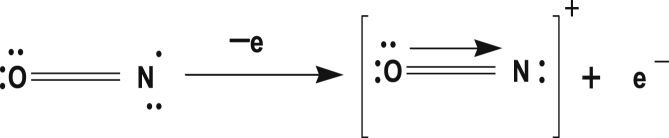
The use of ozone, chloramine and chlorine dioxide for water treatment results in the formation N-nitrosamines in the treated water. These groups of chemicals and other nitrogen-containing compounds have been described as disinfection by-products (DBPs) which are known for their toxicity. Nitrosamines are a potential source of nitric oxide (NO) which can bind with metals present in the sample matrix leading to formation of metal - nitrosyl complexes and dissolved metals have the potential to increase the total nitrosamines in water. This phenomenon has not received the desired attention and determination of metal-nitrosyl complexes lack standard analytical technique. Chromatography linked to various detectors is the commonest of the techniques for nitrosamine analysis but it is beset with reduced sensitivity as a result of inappropriate choice of the column. Incidentally, chromatographic techniques have not been really adapted for the analysis of metal-nitrosyl complexes. Therefore, there is need for the survey of existing techniques vis-à-vis metal-nitrosamine analysis and to suggest possible areas for method optimization.
使用臭氧、氯胺和二氧化氯进行水处理会导致在处理后的水中形成N-亚硝胺。这些化学物质组和其他含氮化合物被描述为消毒副产物(DBPs),它们以毒性著称。亚硝胺是一氧化氮(NO)的潜在来源,一氧化氮可与样品基质中存在的金属结合,导致形成金属-亚硝酰配合物,而溶解的金属有可能增加水中亚硝胺的总量。这一现象尚未得到应有的关注,且金属-亚硝酰配合物的测定缺乏标准分析技术。与各种检测器联用的色谱法是亚硝胺分析最常用的技术,但由于柱的选择不当,其灵敏度会降低。顺便说一句,色谱技术尚未真正适用于金属-亚硝酰配合物的分析。因此,有必要对现有的金属-亚硝胺分析技术进行调查,并提出方法优化的可能领域。