Burr Stephanie D, Harmon Mallory B, Jr James A Stewart
Department of BioMolecular Sciences, School of Pharmacy, The University of Mississippi, Oxford, MS, United States.
Front Cell Dev Biol. 2020 Feb 25;8:112. doi: 10.3389/fcell.2020.00112. eCollection 2020.
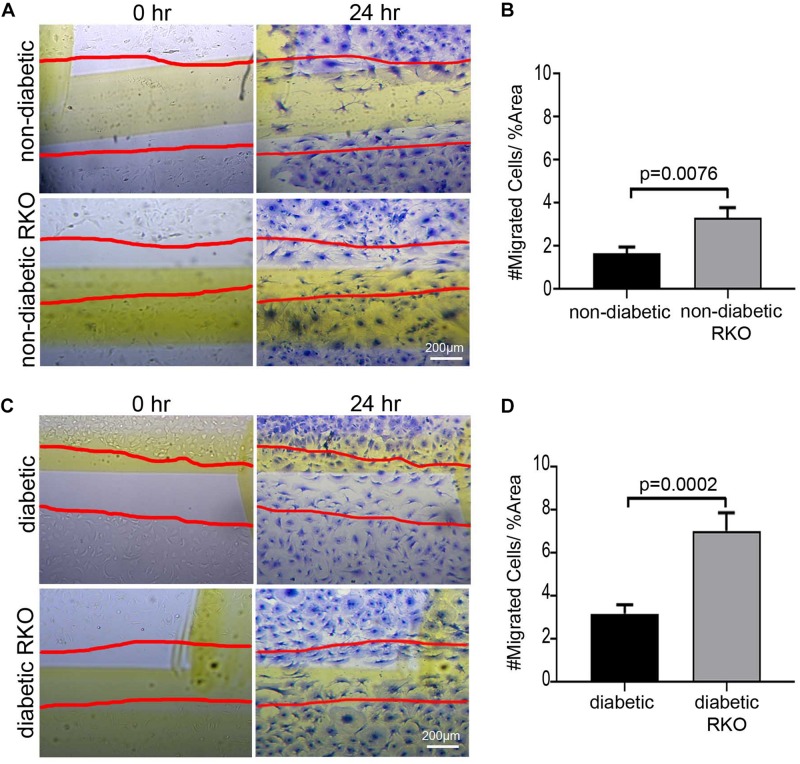
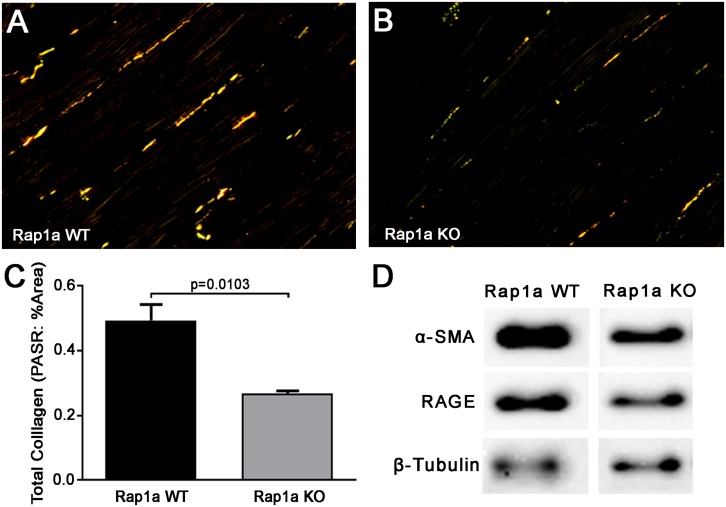
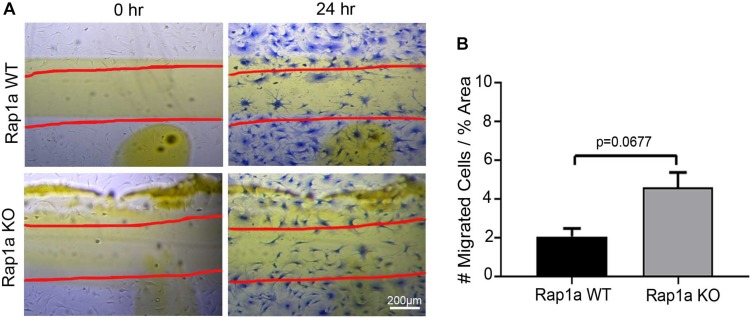
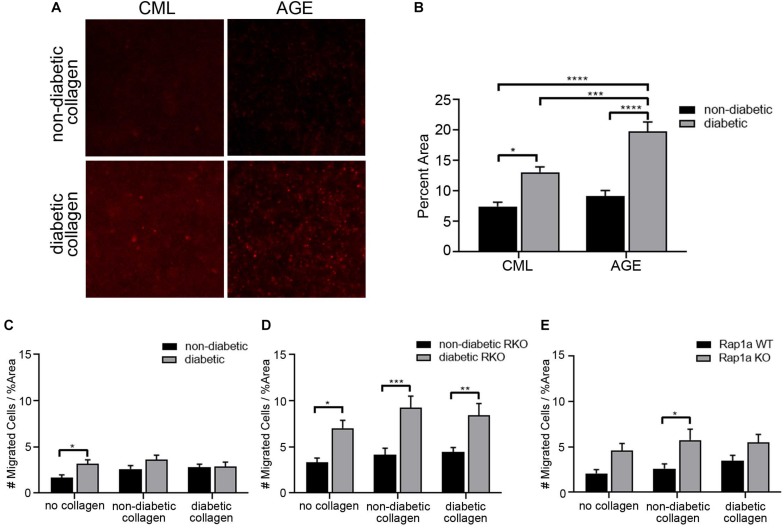
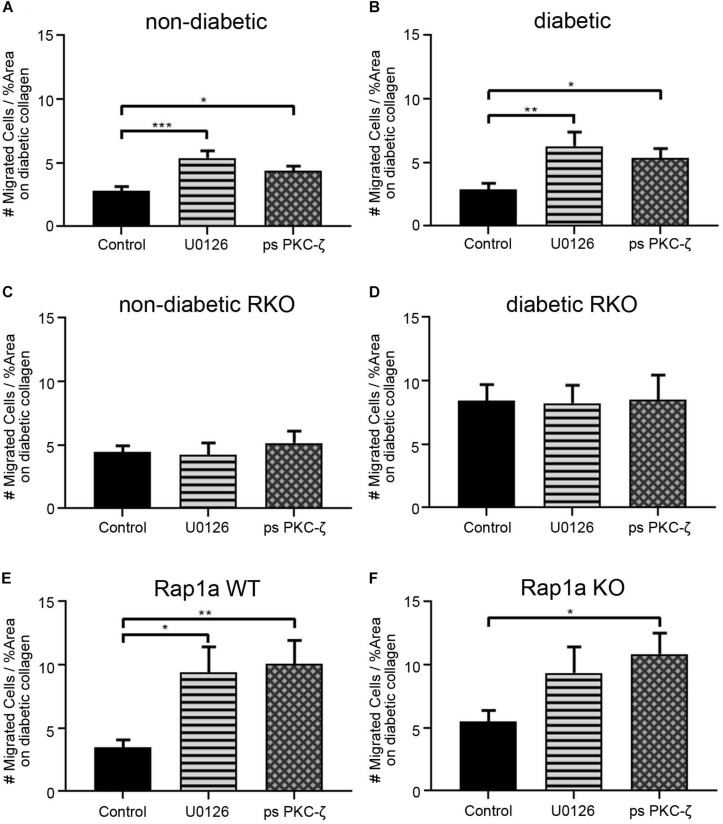
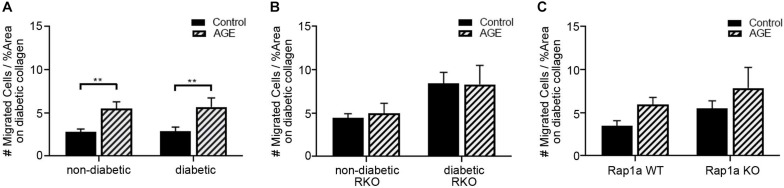
Diabetic individuals have an increased risk for developing cardiovascular disease due to stiffening of the left ventricle (LV), which is thought to occur, in part, by increased AGE/RAGE signaling inducing fibroblast differentiation. Advanced glycated end-products (AGEs) accumulate within the body over time, and under hyperglycemic conditions, the formation and accumulation of AGEs is accelerated. AGEs exert their effect by binding to their receptor (RAGE) and can induce myofibroblast differentiation, leading to increased cell migration. Previous studies have focused on fibroblast migration during wound healing, in which diabetics have impaired fibroblast migration compared to healthy individuals. However, the impact of diabetic conditions as well as AGE/RAGE signaling has not been extensively studied in cardiac fibroblasts. Therefore, the goal of this study was to determine how the AGE/RAGE signaling pathway impacts cell migration in non-diabetic and diabetic cardiac fibroblasts. Cardiac fibroblasts were isolated from non-diabetic and diabetic mice with and without functional RAGE and used to perform a migration assay. Cardiac fibroblasts were plated on plastic, non-diabetic, or diabetic collagen, and when confluency was reached, a line of migration was generated by scratching the plate and followed by treatment with pharmacological agents that modify AGE/RAGE signaling. Modification of the AGE/RAGE signaling cascade was done with ERK1/2 and PKC-ζ inhibitors as well as treatment with exogenous AGEs. Diabetic fibroblasts displayed an increase in migration compared to non-diabetic fibroblasts whereas inhibiting the AGE/RAGE signaling pathway resulted in a significant increase in migration. The results indicate that the AGE/RAGE signaling cascade causes a decrease in cardiac fibroblast migration and altering the pathway will produce alterations in cardiac fibroblast migration.
糖尿病个体因左心室(LV)僵硬而患心血管疾病的风险增加,这种僵硬被认为部分是由于AGE/RAGE信号增加诱导成纤维细胞分化所致。晚期糖基化终产物(AGEs)会随着时间在体内积累,在高血糖条件下,AGEs的形成和积累会加速。AGEs通过与其受体(RAGE)结合发挥作用,并可诱导肌成纤维细胞分化,导致细胞迁移增加。先前的研究集中在伤口愈合过程中的成纤维细胞迁移,与健康个体相比,糖尿病患者的成纤维细胞迁移受损。然而,糖尿病状态以及AGE/RAGE信号的影响在心脏成纤维细胞中尚未得到广泛研究。因此,本研究的目的是确定AGE/RAGE信号通路如何影响非糖尿病和糖尿病心脏成纤维细胞的细胞迁移。从具有和不具有功能性RAGE的非糖尿病和糖尿病小鼠中分离出心脏成纤维细胞,并用于进行迁移试验。将心脏成纤维细胞接种在塑料、非糖尿病或糖尿病胶原蛋白上,当达到汇合时,通过刮擦平板产生一条迁移线,然后用改变AGE/RAGE信号的药物进行处理。使用ERK1/2和PKC-ζ抑制剂以及外源性AGEs处理来改变AGE/RAGE信号级联。与非糖尿病成纤维细胞相比,糖尿病成纤维细胞的迁移增加,而抑制AGE/RAGE信号通路导致迁移显著增加。结果表明,AGE/RAGE信号级联导致心脏成纤维细胞迁移减少,改变该通路将导致心脏成纤维细胞迁移发生改变。