Department of BioMolecular Sciences, University of Mississippi School of Pharmacy, University, MS 38677, USA.
Cells. 2021 May 22;10(6):1286. doi: 10.3390/cells10061286.
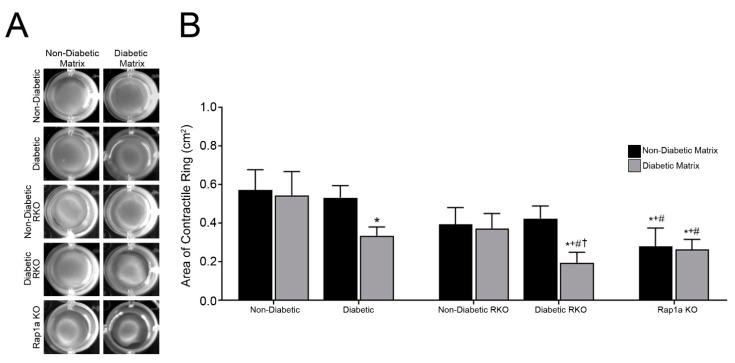
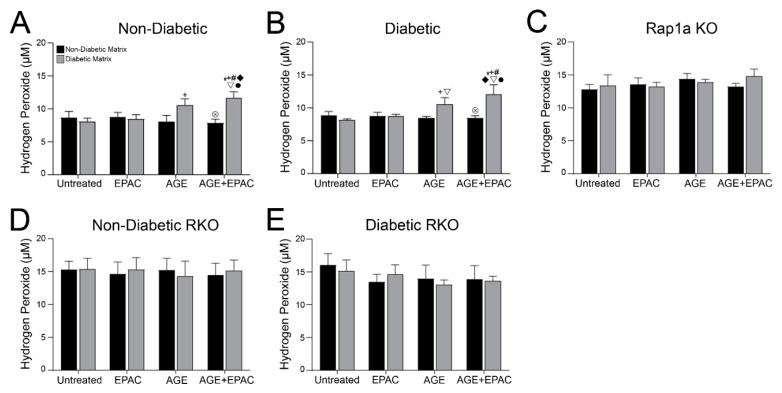
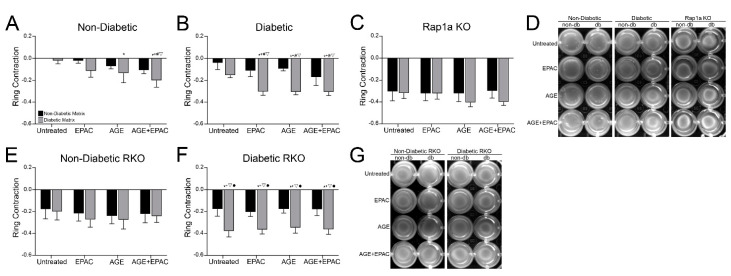
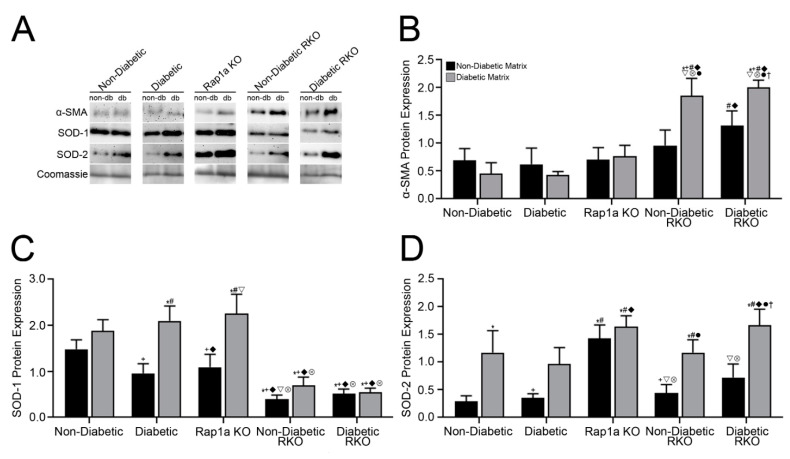
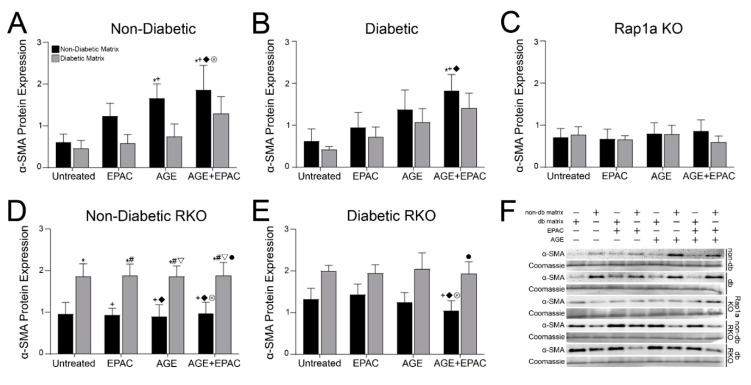
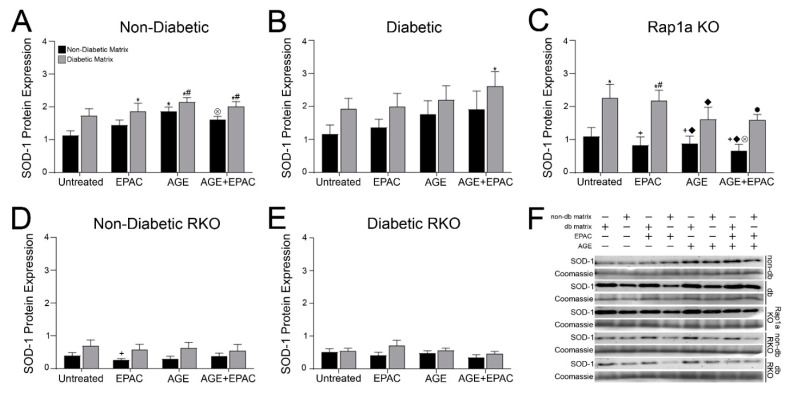
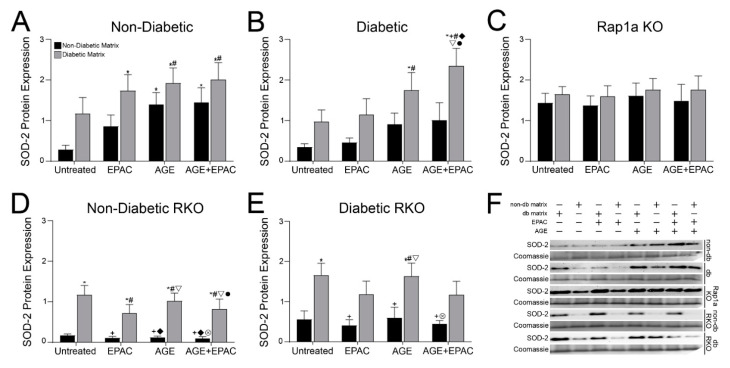
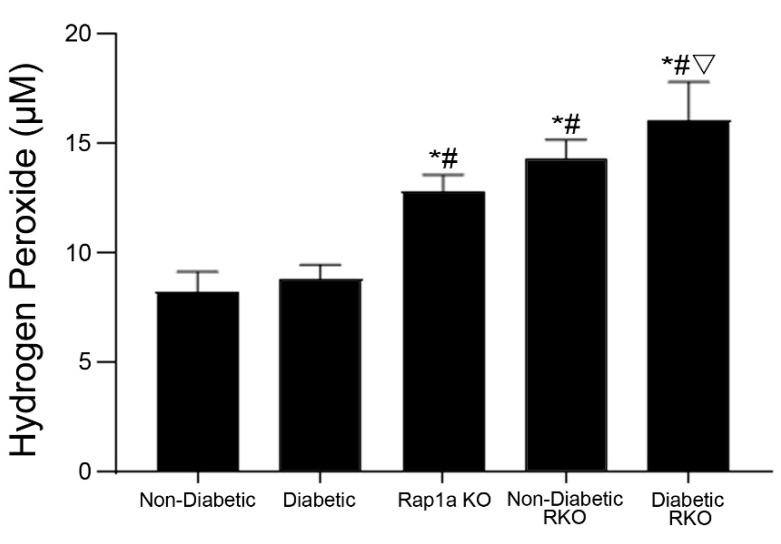
Cardiovascular disease is a common diabetic complication that can arise when cardiac fibroblasts transition into myofibroblasts. Myofibroblast transition can be induced by advanced glycated end products (AGEs) present in the extracellular matrix (ECM) activating RAGE (receptor for advanced glycated end products) to elicit intracellular signaling. The levels of AGEs are higher under diabetic conditions due to the hyperglycemic conditions present in diabetics. AGE/RAGE signaling has been shown to alter protein expression and ROS production in cardiac fibroblasts, resulting in changes in cellular function, such as migration and contraction. Recently, a small GTPase, Rap1a, has been identified to overlap the AGE/RAGE signaling cascade and mediate changes in protein expression. While Rap1a has been shown to impact AGE/RAGE-induced protein expression, there are currently no data examining the impact Rap1a has on AGE/RAGE-induced cardiac fibroblast function. Therefore, we aimed to determine the impact of Rap1a on AGE/RAGE-mediated cardiac fibroblast contraction, as well as the influence isolated diabetic ECM has on facilitating these effects. In order to address this idea, genetically different cardiac fibroblasts were embedded in 3D collagen matrices consisting of collagen isolated from either non-diabetic of diabetic mice. Fibroblasts were treated with EPAC and/or exogenous AGEs, which was followed by assessment of matrix contraction, protein expression (α-SMA, SOD-1, and SOD-2), and hydrogen peroxide production. The results showed Rap1a overlaps the AGE/RAGE cascade to increase the myofibroblast population and generation of ROS production. The increase in myofibroblasts and oxidative stress appeared to contribute to increased matrix contraction, which was further exacerbated by diabetic conditions. Based off these results, we determined that Rap1a was essential in mediating the response of cardiac fibroblasts to AGEs within diabetic collagen.
心血管疾病是一种常见的糖尿病并发症,当心肌成纤维细胞转化为肌成纤维细胞时就会发生这种并发症。肌成纤维细胞的转化可以被细胞外基质(ECM)中存在的晚期糖基化终产物(AGEs)诱导,AGEs 激活 RAGE(晚期糖基化终产物受体)以引发细胞内信号转导。由于糖尿病患者存在高血糖,因此 ECM 中的 AGE 水平更高。AGE/RAGE 信号转导已被证明会改变心肌成纤维细胞中的蛋白质表达和 ROS 产生,导致细胞功能发生变化,如迁移和收缩。最近,一种小 GTPase,Rap1a,已被确定与 AGE/RAGE 信号级联重叠,并介导蛋白质表达的变化。虽然 Rap1a 已被证明会影响 AGE/RAGE 诱导的蛋白质表达,但目前尚无数据研究 Rap1a 对 AGE/RAGE 诱导的心肌成纤维细胞功能的影响。因此,我们旨在确定 Rap1a 对 AGE/RAGE 介导的心肌成纤维细胞收缩的影响,以及分离的糖尿病 ECM 对促进这些效应的影响。为了实现这一目标,我们将遗传上不同的心肌成纤维细胞嵌入由非糖尿病或糖尿病小鼠分离的胶原蛋白组成的 3D 胶原基质中。用 EPAC 和/或外源性 AGEs 处理成纤维细胞,然后评估基质收缩、蛋白质表达(α-SMA、SOD-1 和 SOD-2)和过氧化氢产生。结果表明,Rap1a 与 AGE/RAGE 级联重叠,以增加肌成纤维细胞的数量并增加 ROS 的产生。肌成纤维细胞的增加和氧化应激似乎导致基质收缩增加,而糖尿病条件进一步加剧了这种情况。基于这些结果,我们确定 Rap1a 对于介导心肌成纤维细胞对糖尿病胶原中 AGEs 的反应至关重要。