Department of Genetics and Development, Columbia University Irving Medical Center, New York, NY 10032, USA; Herbert Irving Comprehensive Cancer Center, Columbia University Irving Medical Center, New York, NY 10032, USA.
Sandra and Edward Meyer Cancer Center, Department of Medicine, Weill Cornell Medicine, New York, NY 10065, USA.
Cell Rep. 2020 Mar 10;30(10):3280-3295.e6. doi: 10.1016/j.celrep.2020.02.068.
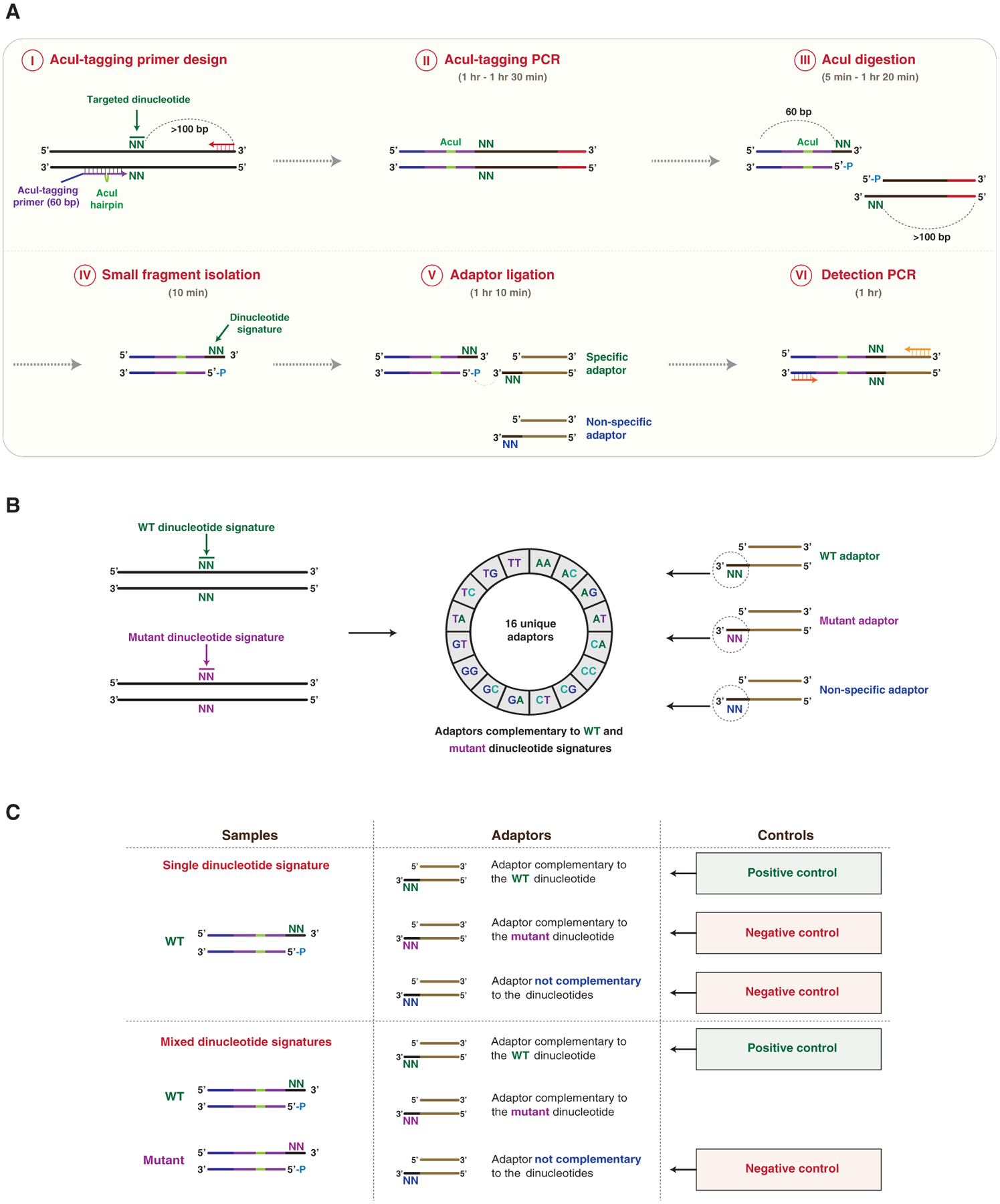
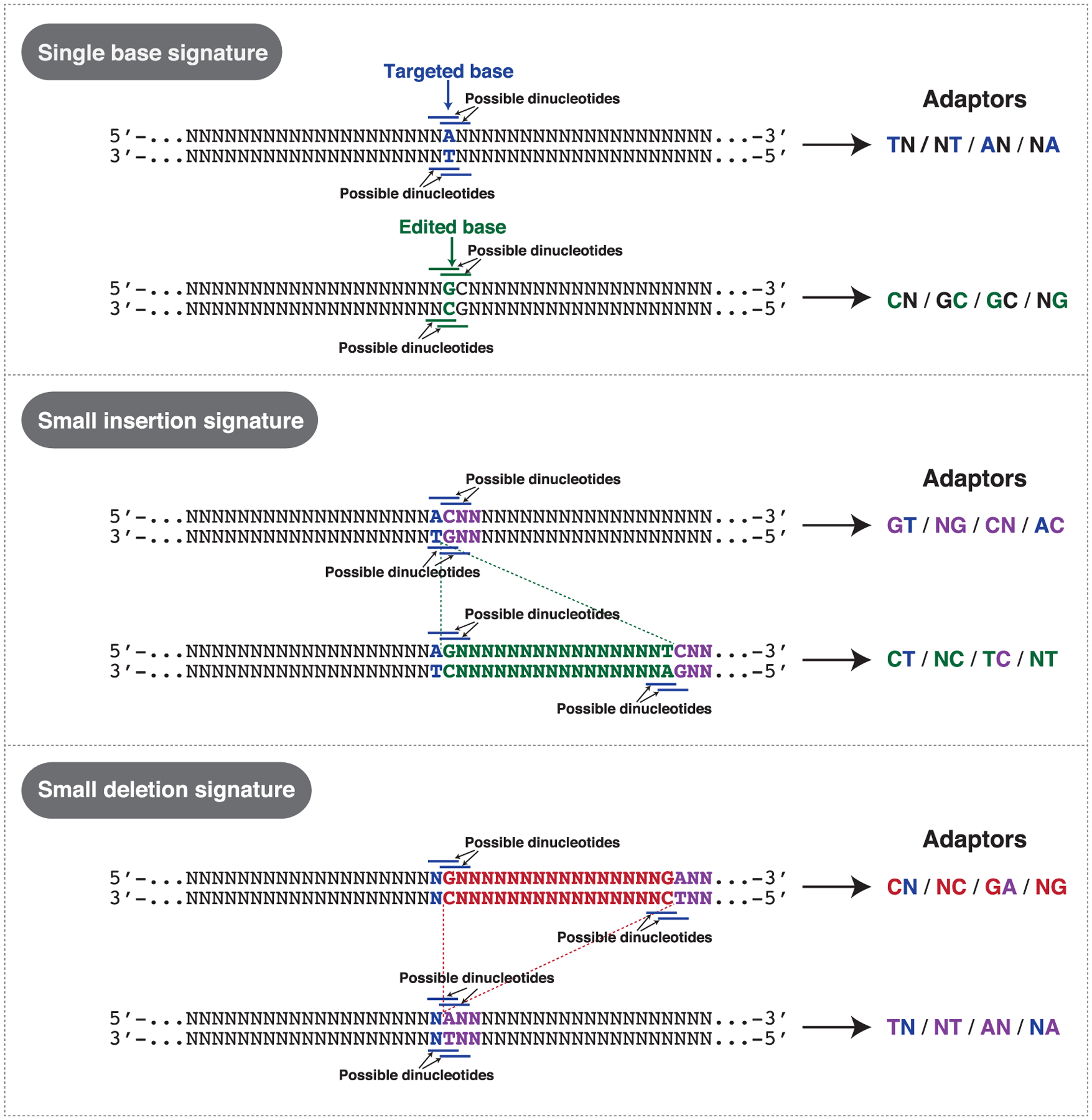
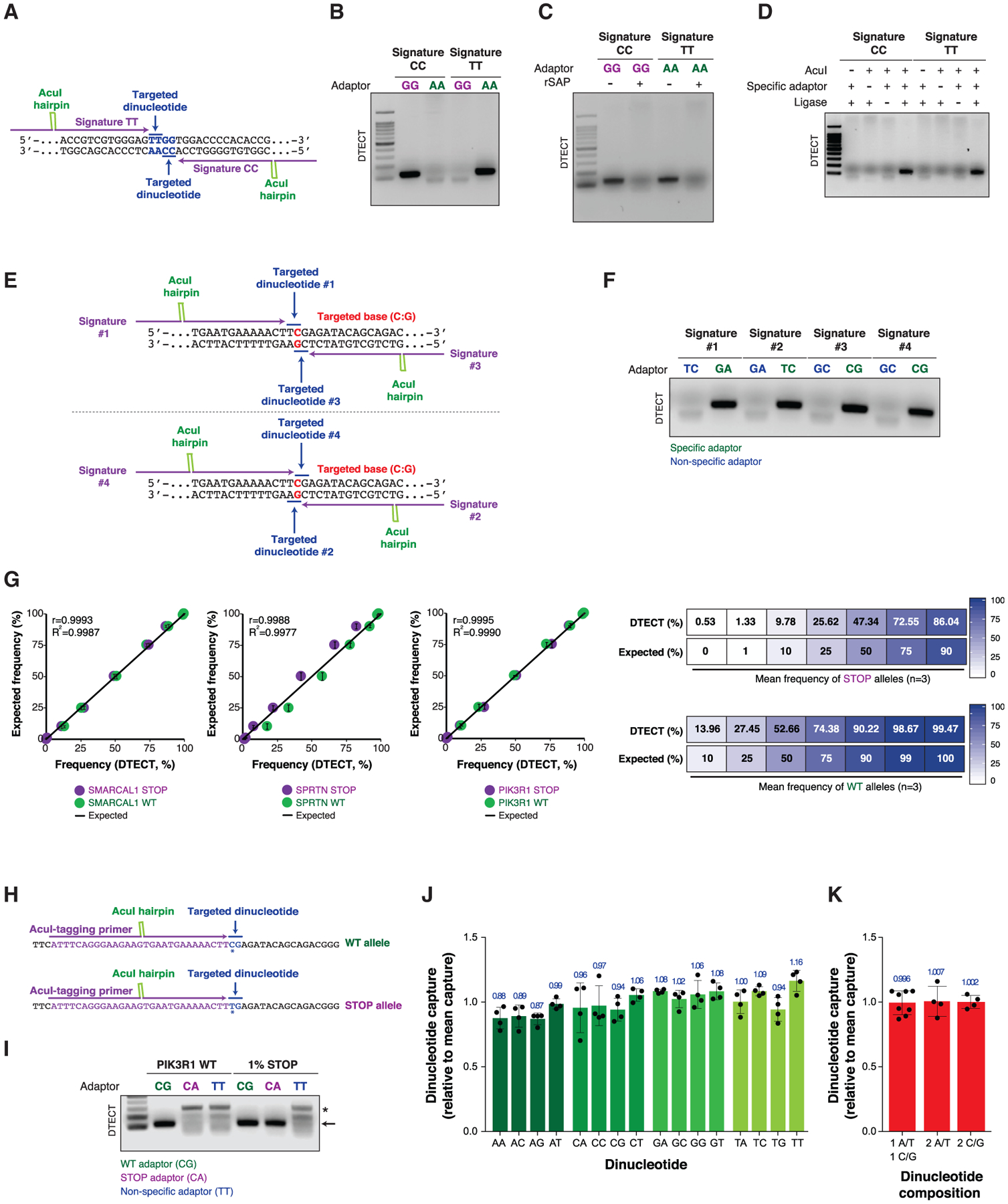
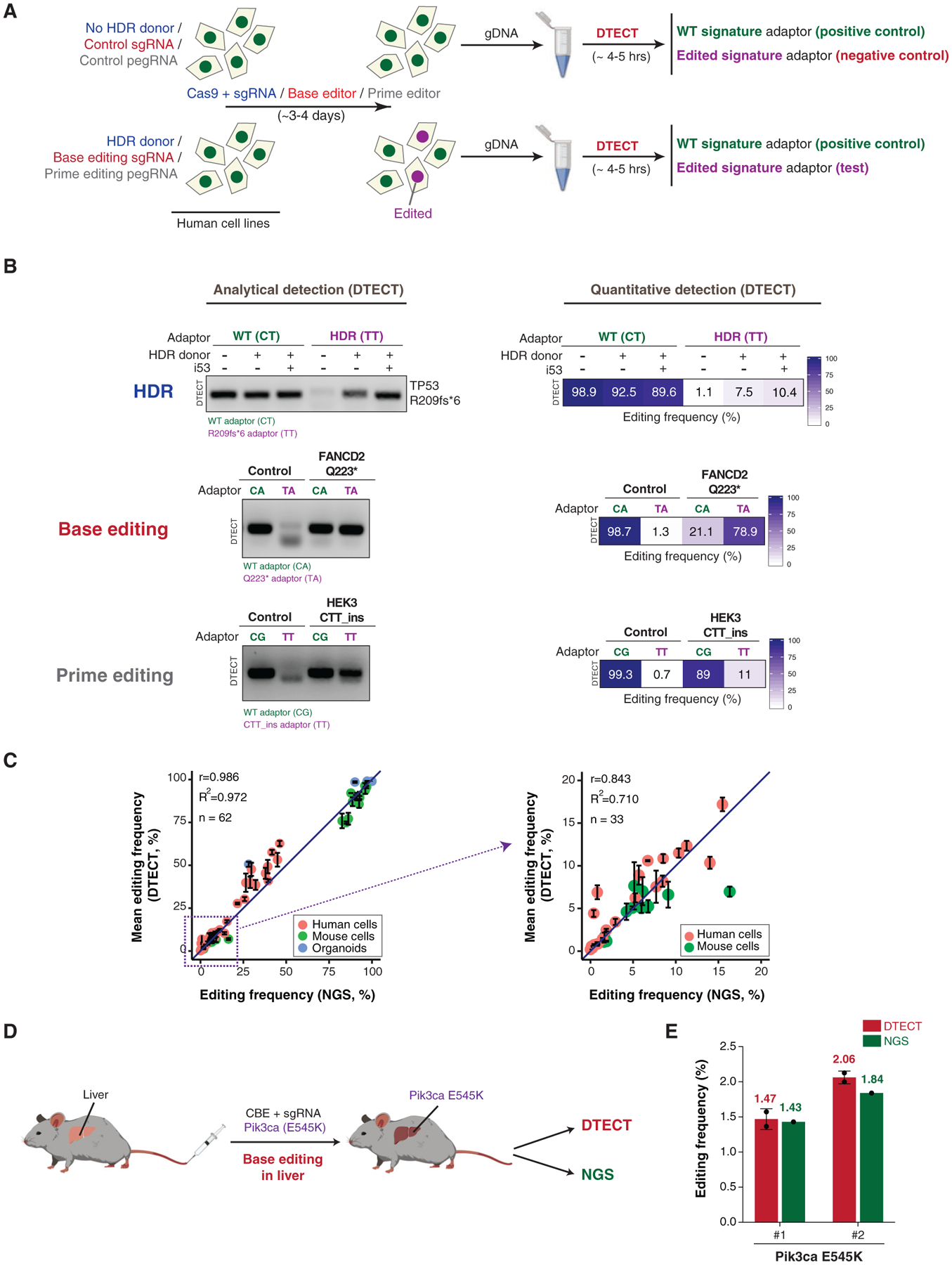
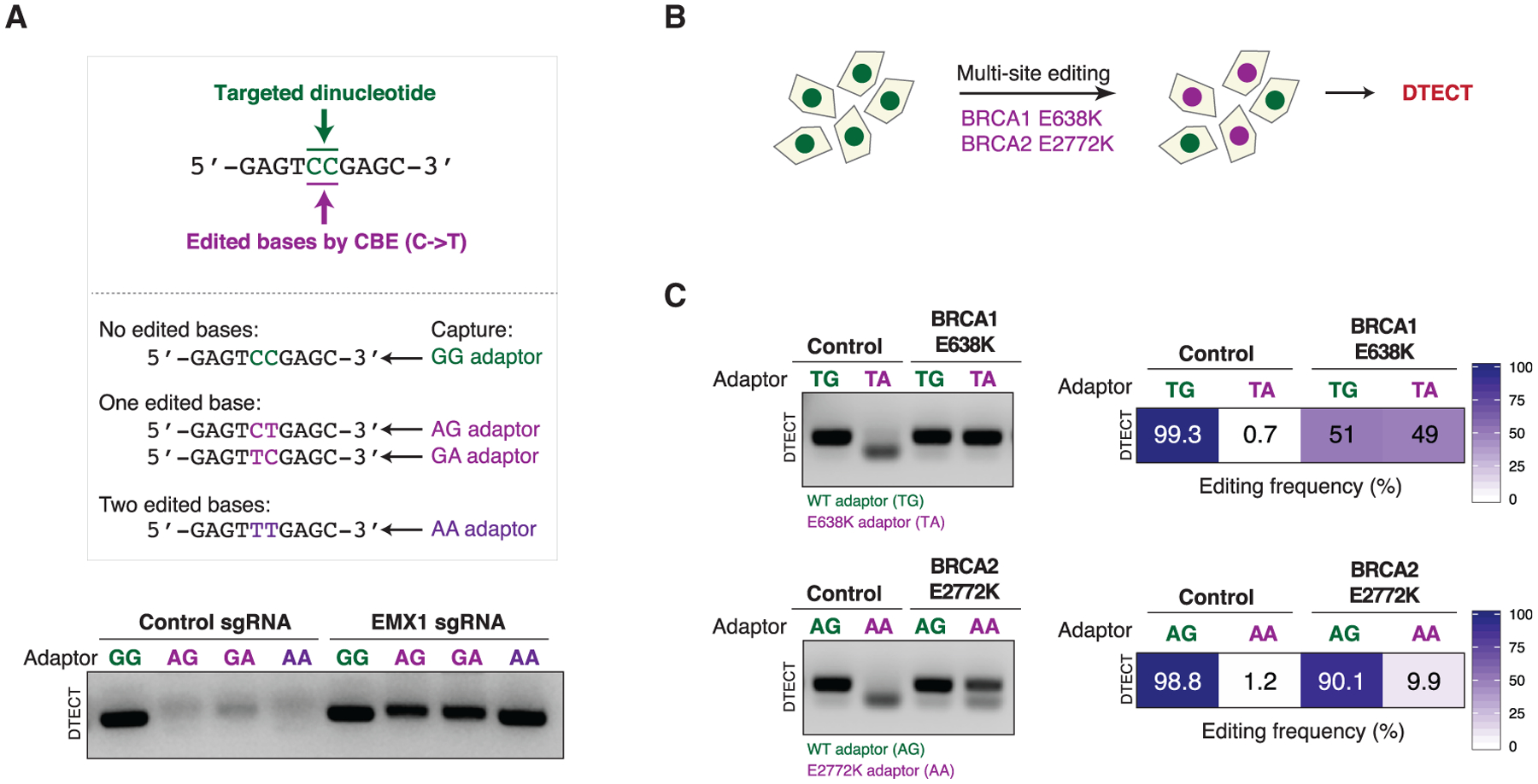
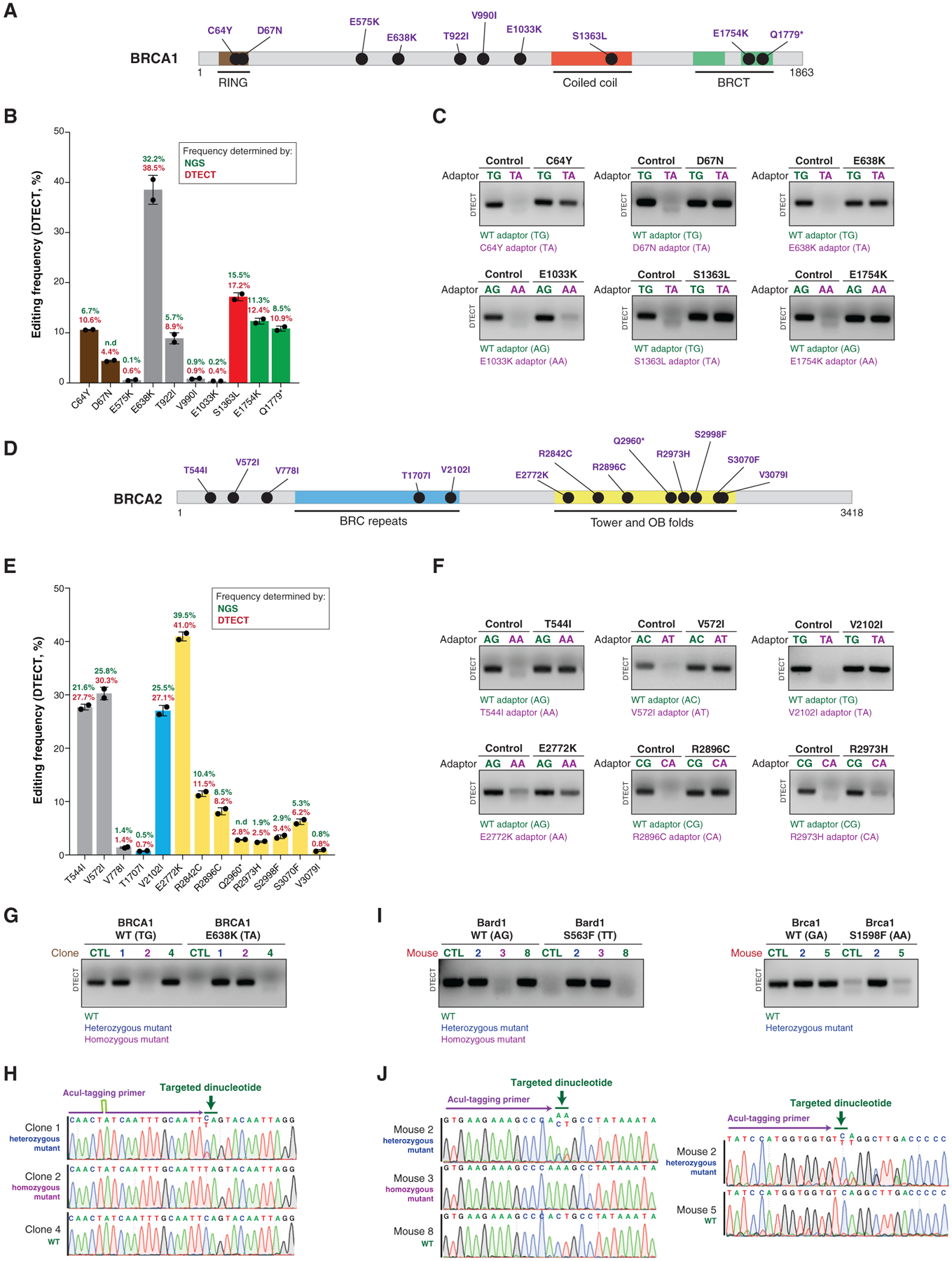
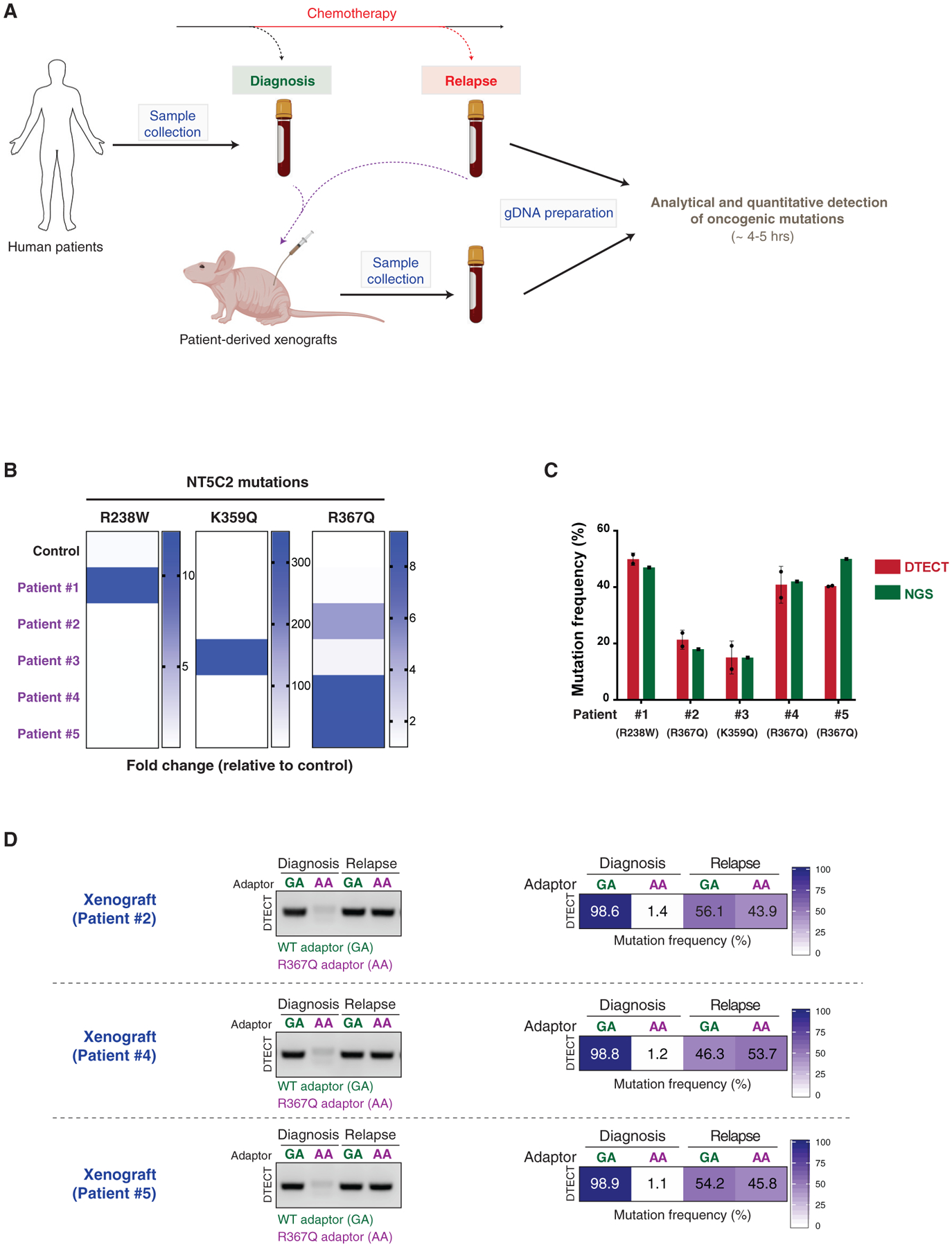
Genome editing technologies have transformed our ability to engineer desired genomic changes within living systems. However, detecting precise genomic modifications often requires sophisticated, expensive, and time-consuming experimental approaches. Here, we describe DTECT (Dinucleotide signaTurE CapTure), a rapid and versatile detection method that relies on the capture of targeted dinucleotide signatures resulting from the digestion of genomic DNA amplicons by the type IIS restriction enzyme AcuI. DTECT enables the accurate quantification of marker-free precision genome editing events introduced by CRISPR-dependent homology-directed repair, base editing, or prime editing in various biological systems, such as mammalian cell lines, organoids, and tissues. Furthermore, DTECT allows the identification of oncogenic mutations in cancer mouse models, patient-derived xenografts, and human cancer patient samples. The ease, speed, and cost efficiency by which DTECT identifies genomic signatures should facilitate the generation of marker-free cellular and animal models of human disease and expedite the detection of human pathogenic variants.
基因组编辑技术改变了我们在活系统中设计所需基因组变化的能力。然而,检测精确的基因组修饰通常需要复杂、昂贵和耗时的实验方法。在这里,我们描述了 DTECT(二核苷酸信号捕获),这是一种快速且多功能的检测方法,它依赖于通过类型 IIS 限制酶 AcuI 消化基因组 DNA 扩增子产生的靶向二核苷酸标记的捕获。DTECT 能够准确定量 CRISPR 依赖性同源定向修复、碱基编辑或 Prime 编辑引入的无标记精确基因组编辑事件,这些事件发生在各种生物系统中,如哺乳动物细胞系、类器官和组织。此外,DTECT 还允许鉴定癌症小鼠模型、患者来源的异种移植物和人类癌症患者样本中的致癌突变。DTECT 识别基因组特征的简便性、速度和成本效益应有助于生成无标记的人类疾病细胞和动物模型,并加速人类致病变体的检测。