Salehi Bahare, Del Prado-Audelo María L, Cortés Hernán, Leyva-Gómez Gerardo, Stojanović-Radić Zorica, Singh Yengkhom Disco, Patra Jayanta Kumar, Das Gitishree, Martins Natália, Martorell Miquel, Sharifi-Rad Marzieh, Cho William C, Sharifi-Rad Javad
Student Research Committee, School of Medicine, Bam University of Medical Sciences, Bam 44340847, Iran.
Departamento de Farmacia, Facultad de Química, Universidad Nacional Autónoma de México, Ciudad Universitaria, Circuito Exterior S/N, Del. Coyoacán, Mexico City 04510, Mexico.
J Clin Med. 2020 Mar 10;9(3):746. doi: 10.3390/jcm9030746.
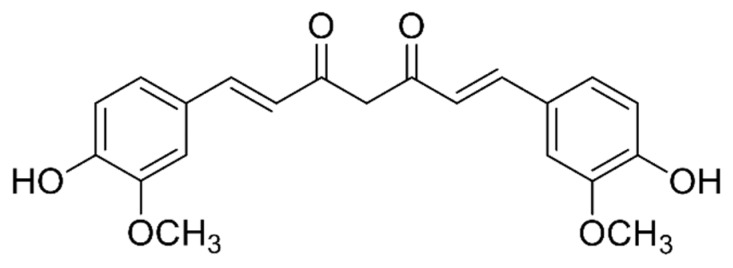
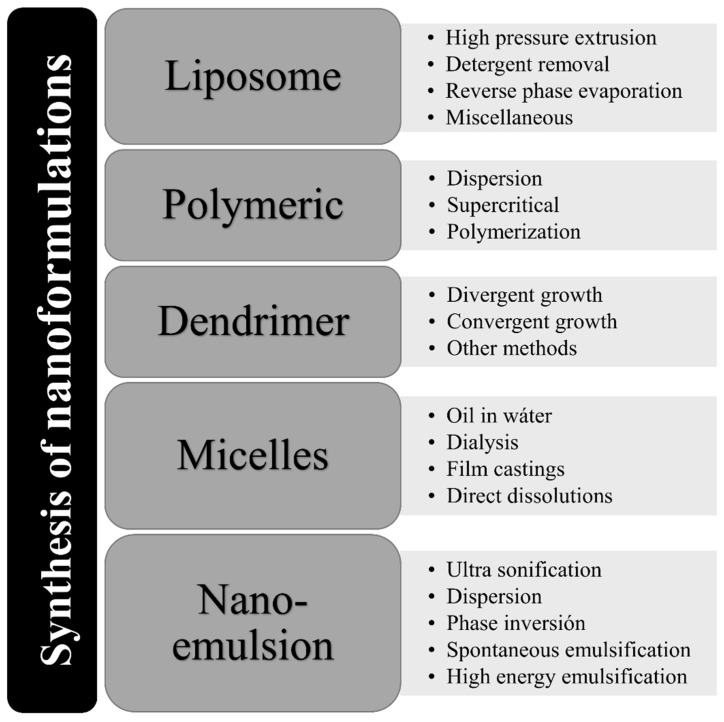
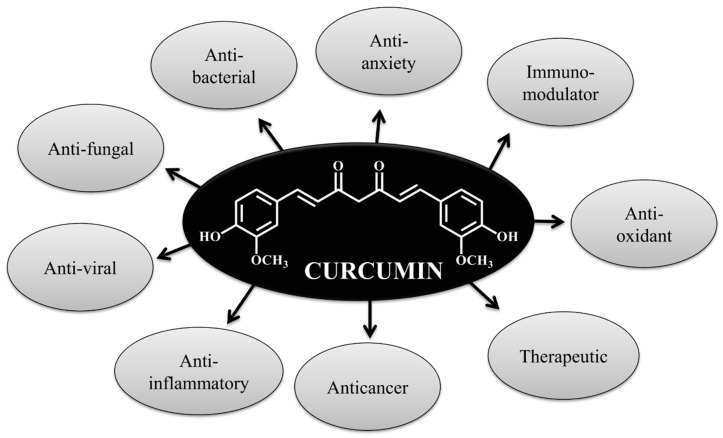
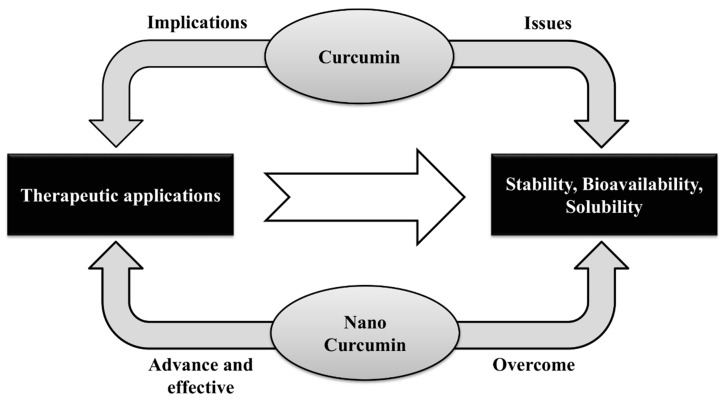
Cardiovascular diseases (CVD) compromises a group of heart and blood vessels disorders with high impact on human health and wellbeing. Curcumin (CUR) have demonstrated beneficial effects on these group of diseases that represent a global burden with a prevalence that continues increasing progressively. Pre- and clinical studies have demonstrated the CUR effects in CVD through its anti-hypercholesterolemic and anti-atherosclerotic effects and its protective properties against cardiac ischemia and reperfusion. However, the CUR therapeutic limitation is its bioavailability. New CUR nanomedicine formulations are developed to solve this problem. The present article aims to discuss different studies and approaches looking into the promising role of nanotechnology-based drug delivery systems to deliver CUR and its derivatives in CVD treatment, with an emphasis on their formulation properties, experimental evidence, bioactivity, as well as challenges and opportunities in developing these systems.
心血管疾病(CVD)是一组对人类健康和福祉有重大影响的心脏和血管疾病。姜黄素(CUR)已被证明对这些疾病具有有益作用,这些疾病是一种全球负担,其患病率持续逐步上升。临床前和临床研究已经证明CUR通过其抗高胆固醇血症和抗动脉粥样硬化作用以及对心脏缺血和再灌注的保护特性对心血管疾病有影响。然而,CUR的治疗局限性在于其生物利用度。为了解决这个问题,人们开发了新的CUR纳米药物制剂。本文旨在讨论不同的研究和方法,探讨基于纳米技术的药物递送系统在心血管疾病治疗中递送CUR及其衍生物的潜在作用,重点关注其制剂特性、实验证据、生物活性以及开发这些系统的挑战和机遇。