Teggert Andrew, Datta Harish, Ali Zulfiqur
Department of Clinical Biochemistry, James Cook University Hospital, Middlesbrough TS4 3BW, UK.
Institute of Cellular Medicine, The Medical School, Newcastle University, Newcastle-upon-Tyne NE2 4HH, UK.
Micromachines (Basel). 2020 Mar 10;11(3):286. doi: 10.3390/mi11030286.
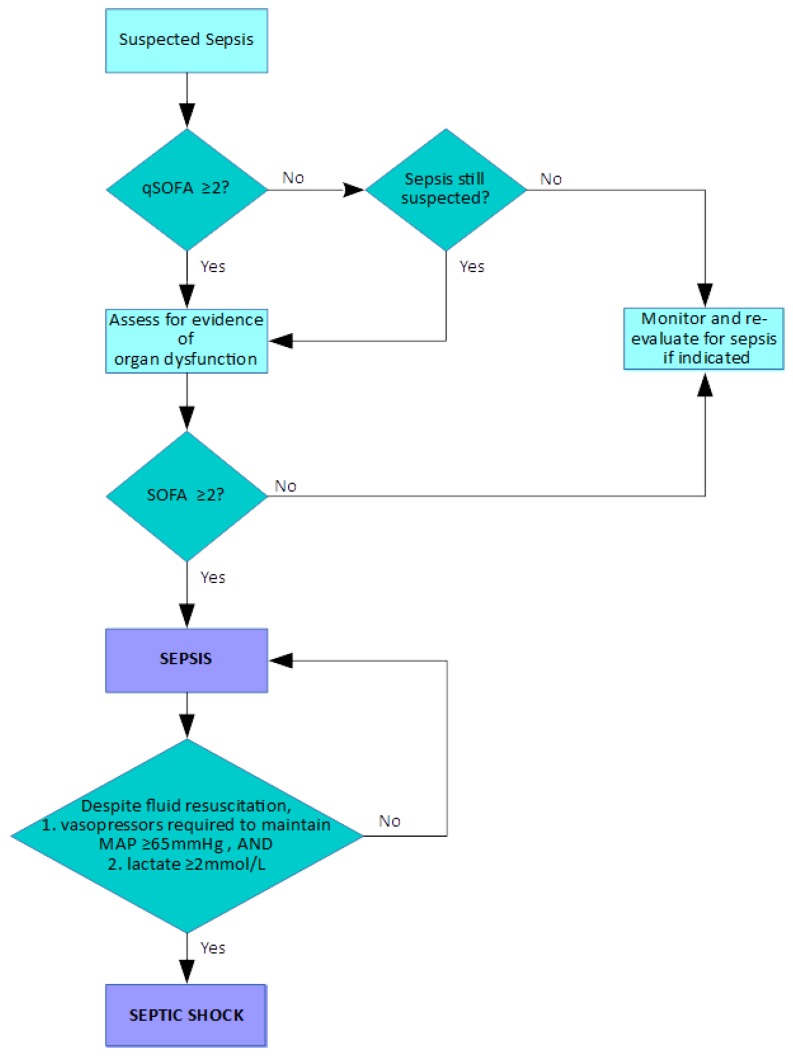
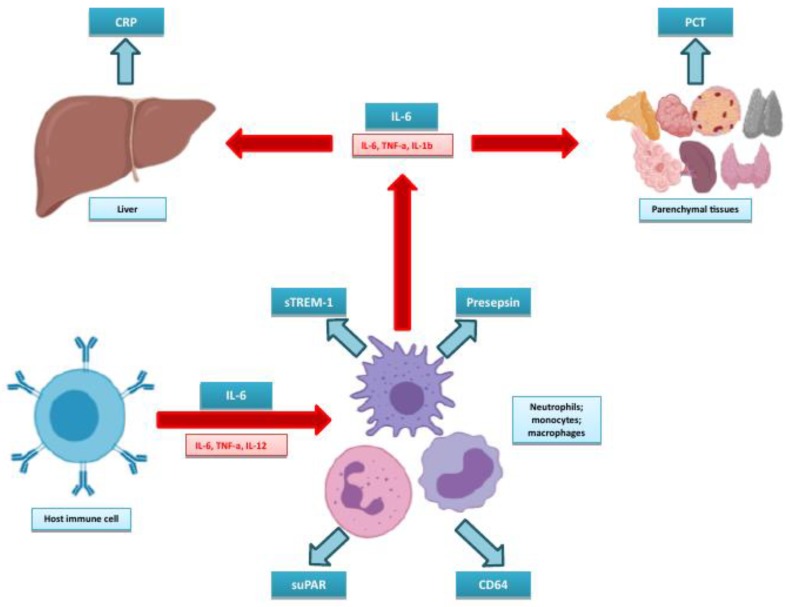
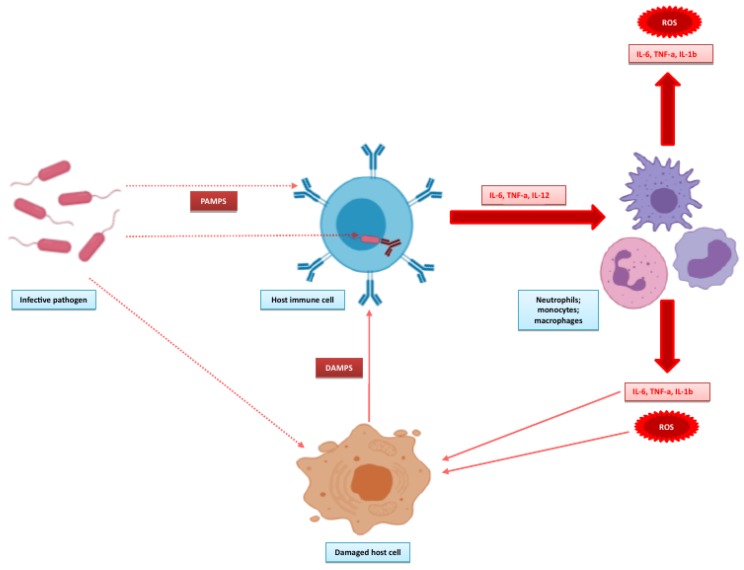
Sepsis is defined as a life-threatening organ dysfunction caused by a dysregulated host response to infection. In 2017, almost 50 million cases of sepsis were recorded worldwide and 11 million sepsis-related deaths were reported. Therefore, sepsis is the focus of intense research to better understand the complexities of sepsis response, particularly the twin underlying concepts of an initial hyper-immune response and a counter-immunological state of immunosuppression triggered by an invading pathogen. Diagnosis of sepsis remains a significant challenge. Prompt diagnosis is essential so that treatment can be instigated as early as possible to ensure the best outcome, as delay in treatment is associated with higher mortality. In order to address this diagnostic problem, use of a panel of biomarkers has been proposed as, due to the complexity of the sepsis response, no single marker is sufficient. This review provides background on the current understanding of sepsis in terms of its epidemiology, the evolution of the definition of sepsis, pathobiology and diagnosis and management. Candidate biomarkers of interest and how current and developing point-of-care testing approaches could be used to measure such biomarkers is discussed.
脓毒症被定义为宿主对感染的反应失调所导致的危及生命的器官功能障碍。2017年,全球记录了近5000万例脓毒症病例,报告了1100万例与脓毒症相关的死亡。因此,脓毒症是深入研究的焦点,以更好地理解脓毒症反应的复杂性,特别是由入侵病原体引发的初始超免疫反应和免疫抑制的反免疫状态这两个潜在概念。脓毒症的诊断仍然是一项重大挑战。及时诊断至关重要,以便尽早开始治疗以确保最佳结果,因为治疗延迟与更高的死亡率相关。为了解决这一诊断问题,由于脓毒症反应的复杂性,单一标志物不足以诊断,因此有人提出使用一组生物标志物。本综述提供了关于脓毒症目前在流行病学、脓毒症定义的演变、病理生物学以及诊断和管理方面的理解背景。讨论了感兴趣的候选生物标志物,以及当前和正在开发的即时检测方法如何用于测量此类生物标志物。