Limmatvapirat Chutima, Nateesathittarn Chutipa, Dechasathian Kamol, Moohummad Tharit, Chinajitphan Pana, Limmatvapirat Sontaya
Department of Pharmaceutical Chemistry, Faculty of Pharmacy, Silpakorn University, Nakhon Pathom, 73000, Thailand.
Department of Pharmaceutical Chemistry, Faculty of Pharmacy, Silpakorn University, Nakhon Pathom, 73000, Thailand.
J Ayurveda Integr Med. 2020 Jul-Sep;11(3):344-351. doi: 10.1016/j.jaim.2019.10.005. Epub 2020 Mar 10.
Baby corn silk extract can be used as an antioxidant dietary supplement. However, insufficient data exists for this extract to guarantee its quality, efficacy and safety.
To determine phytochemical constituents, contents of phenolics and flavonoids, antioxidant activities, heavy metal concentrations, and microbial contamination of baby corn silk extracts.
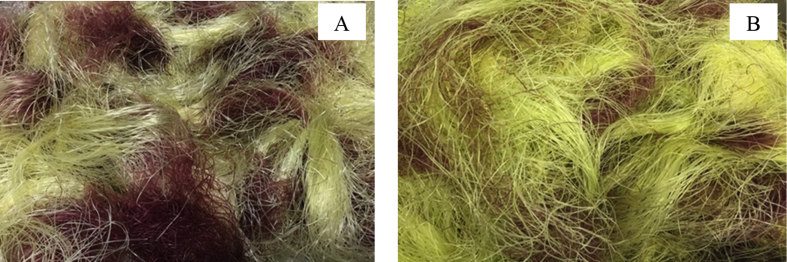
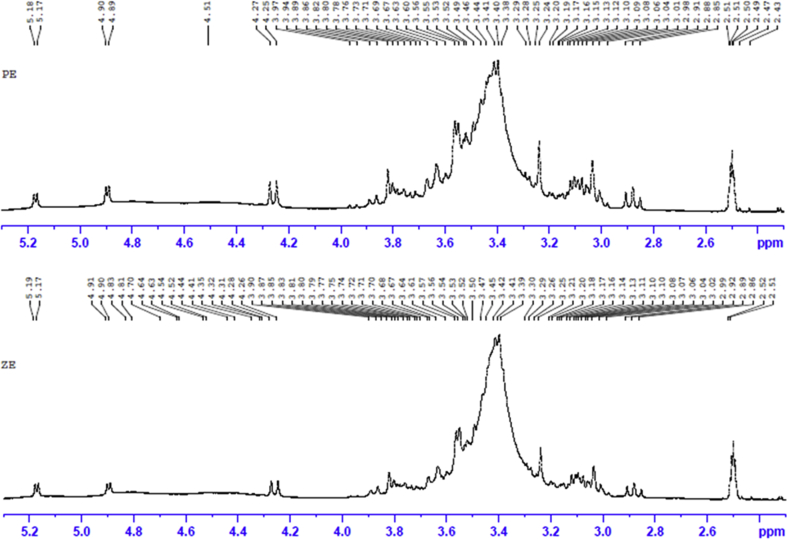
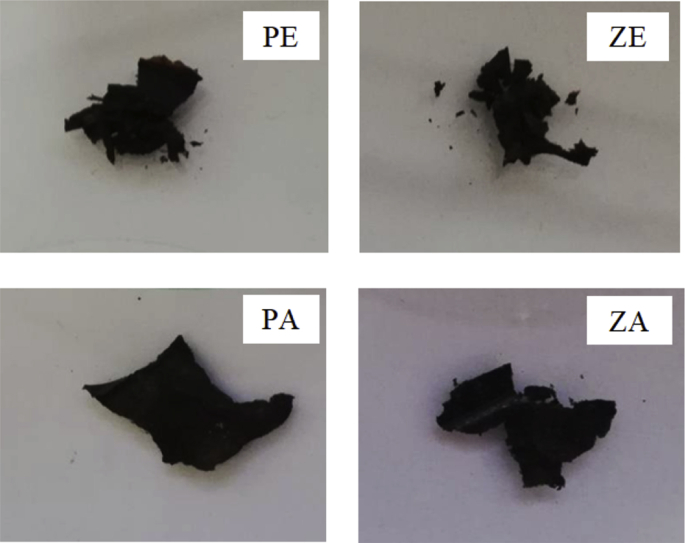
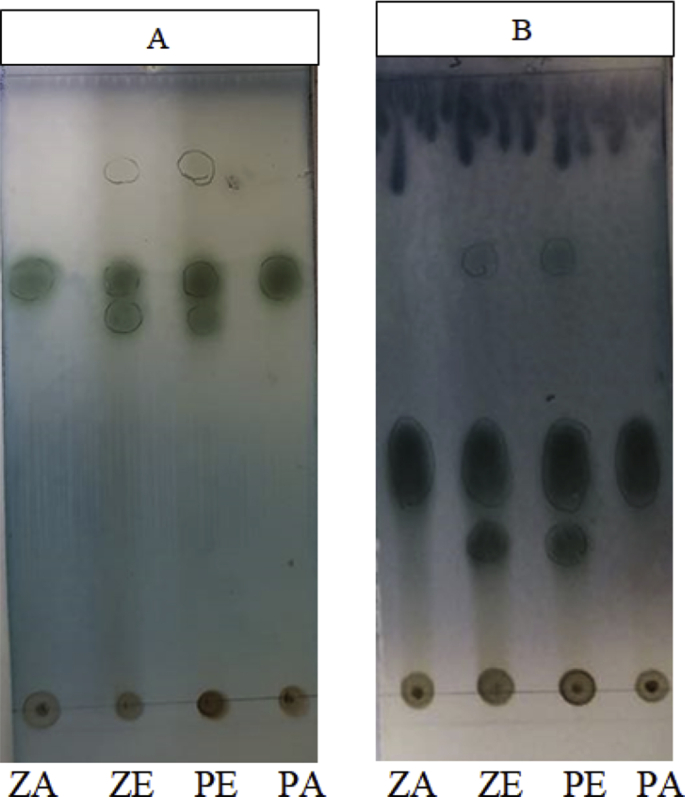
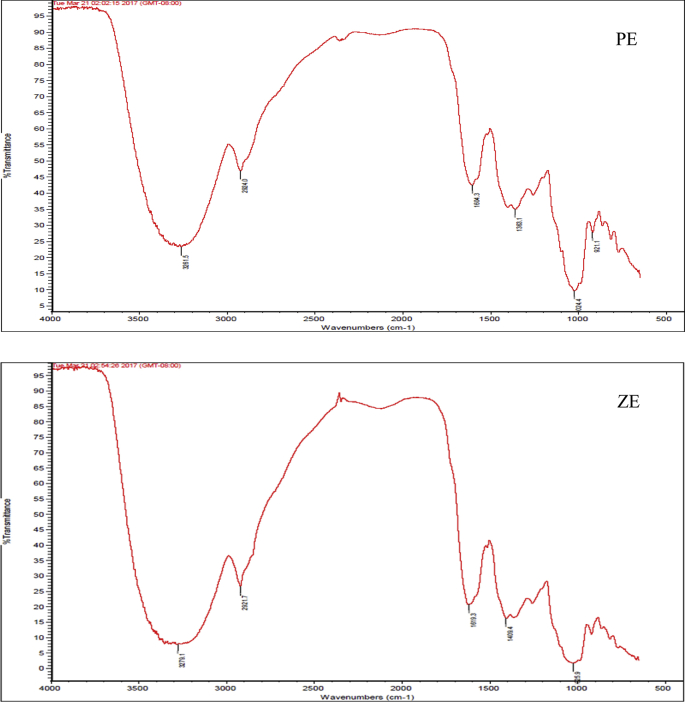
Baby corn silks including Pacific 271 and Zeba SG 17 hybrids were individually extracted with 40% v/v ethanol and distilled water to obtain Pacific 271 ethanol extract (PE), Zeba SG 17 ethanol extract (ZE), Pacific 271 aqueous extract (PA), and Zeba SG 17 aqueous extract (ZA). The analysis of phytochemical constituents was carried out using phytochemical tests, TLC screening, UV-visible, FTIR, and H NMR experiments. The contents of phenolics and flavonoids were determined using the modified Folin-Ciocalteu and aluminium chloride colorimetric procedures, respectively. Antioxidant activities were investigated using DPPH and FRAP assays. The concentrations of heavy metals were analyzed by ICP-MS. Microbial enumeration tests were carried out according to the United States Pharmacopeia (USP) 41.
PE and ZE were composed of flavonoids, tannins, terpenoids, and steroids while PA and ZA contained flavonoids and tannins. PE and ZE exhibited higher total phenolic and flavonoid contents and significantly stronger antioxidant activities than PA and ZA. All extracts conformed to the microbiological and heavy metal requirements according to Association of South East Asian Nations (ASEAN) guidelines.
PE and ZE were considered appropriate to use as natural extracts of phenolics and flavonoids with antioxidant activities and safety.
嫩玉米须提取物可作为抗氧化膳食补充剂。然而,关于该提取物的质量、功效和安全性的数据不足。
测定嫩玉米须提取物的植物化学成分、酚类和黄酮类含量、抗氧化活性、重金属浓度及微生物污染情况。
将包括太平洋271和泽巴SG 17杂交种在内的嫩玉米须分别用40%(v/v)乙醇和蒸馏水提取,得到太平洋271乙醇提取物(PE)、泽巴SG 17乙醇提取物(ZE)、太平洋271水提取物(PA)和泽巴SG 17水提取物(ZA)。采用植物化学试验、薄层色谱筛选、紫外可见光谱、傅里叶变换红外光谱和核磁共振氢谱实验对植物化学成分进行分析。分别采用改良的福林-酚法和氯化铝比色法测定酚类和黄酮类含量。采用二苯基苦味酰基自由基(DPPH)和铁离子还原抗氧化能力(FRAP)测定法研究抗氧化活性。采用电感耦合等离子体质谱(ICP-MS)分析重金属浓度。根据美国药典(USP)41进行微生物计数试验。
PE和ZE含有黄酮类、单宁、萜类和甾体类化合物,而PA和ZA含有黄酮类和单宁。PE和ZE的总酚和黄酮含量较高,抗氧化活性明显强于PA和ZA。根据东南亚国家联盟(ASEAN)指南,所有提取物均符合微生物和重金属要求。
PE和ZE被认为适合作为具有抗氧化活性且安全的酚类和黄酮类天然提取物使用。