Xie Yixuan, Yang Yanfang, He Yu, Wang Xixi, Zhang Peng, Li Haocheng, Liang Shufang
State Key Laboratory of Biotherapy and Cancer Center, West China Hospital, Sichuan University, and Collaborative Innovation Center for Biotherapy, Chengdu, China.
Department of Urinary Surgery, West China Hospital, West China Medical School, Sichuan University, Chengdu, China.
Front Pharmacol. 2020 Feb 26;11:119. doi: 10.3389/fphar.2020.00119. eCollection 2020.
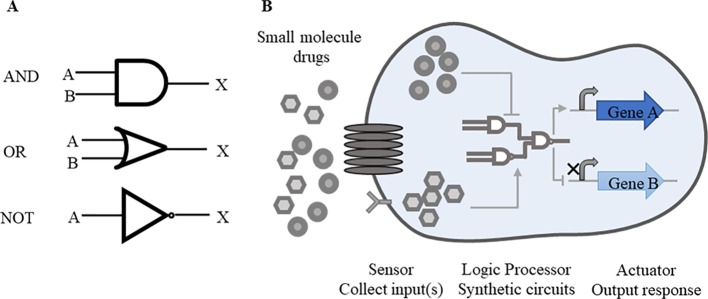
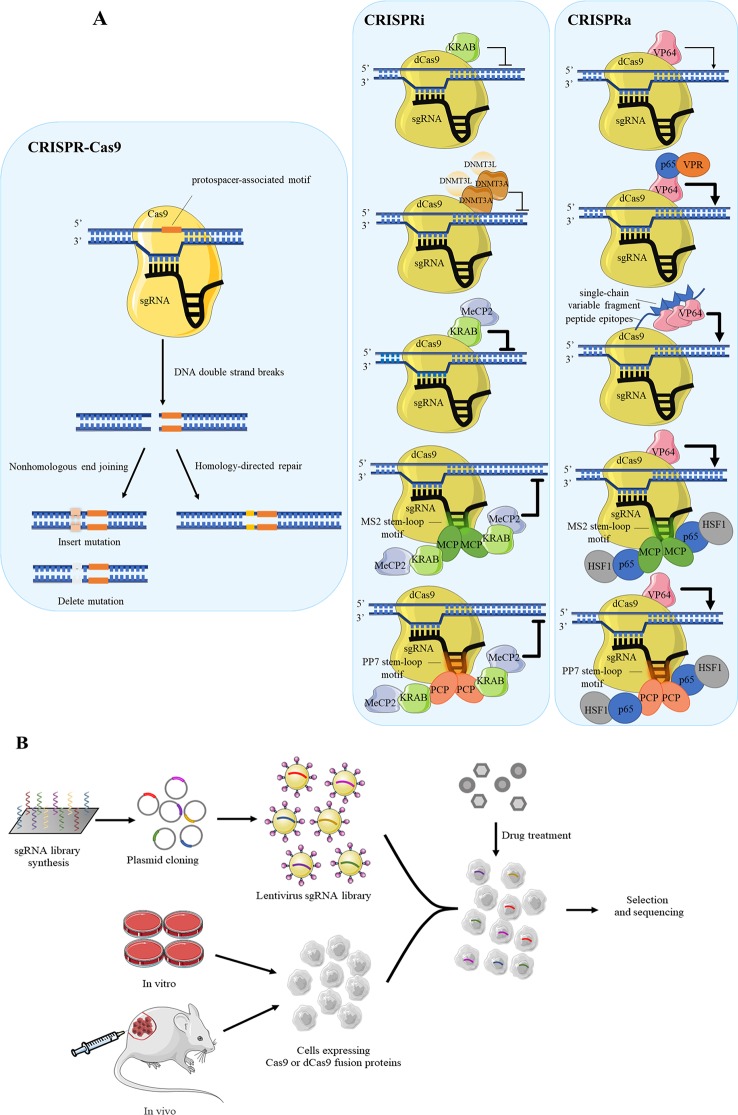
As a rising emerging field, synthetic biology intends to realize precise regulations of cellular network by constructing artificial synthetic circuits, and it brings great opportunities to treat diseases and discover novel drug targets. Depending on the combination mode of different logic gates, various synthetic circuits are created to carry out multilevel regulations. In given synthetic circuits, drugs often act as inputs to drive circuits operation. It is becoming available to construct drug-responsive gene circuits for experimentally treating various disease models, including metabolic disease, immunity disease, cancer and bacterial infection. Synthetic biology works well in association with the CRISPR system for drug target functional screening. Remarkably, more and more well-designed circuits are developed to discover novel drug targets and precisely regulate drug therapy for diseases.
作为一个新兴的前沿领域,合成生物学旨在通过构建人工合成电路来实现对细胞网络的精确调控,为疾病治疗和发现新的药物靶点带来了巨大机遇。根据不同逻辑门的组合方式,构建了各种合成电路以进行多层次调控。在特定的合成电路中,药物常作为输入来驱动电路运行。构建药物响应基因电路用于实验性治疗各种疾病模型,包括代谢性疾病、免疫性疾病、癌症和细菌感染,这已成为可能。合成生物学与CRISPR系统联合用于药物靶点功能筛选效果良好。值得注意的是,越来越多精心设计的电路被开发出来,用于发现新的药物靶点并精确调控疾病的药物治疗。