Gai Wen-Xian, Ma Xiao, Qiao Yi-Ming, Shi Bu-Hang, Ul Haq Saeed, Li Quan-Hui, Wei Ai-Min, Liu Ke-Ke, Gong Zhen-Hui
College of Horticulture, Northwest A&F University, Yangling, Shannxi, China.
Qinghai Academy of Agricultural and Forestry Sciences, Xining, Qinghai, China.
Front Plant Sci. 2020 Feb 26;11:139. doi: 10.3389/fpls.2020.00139. eCollection 2020.
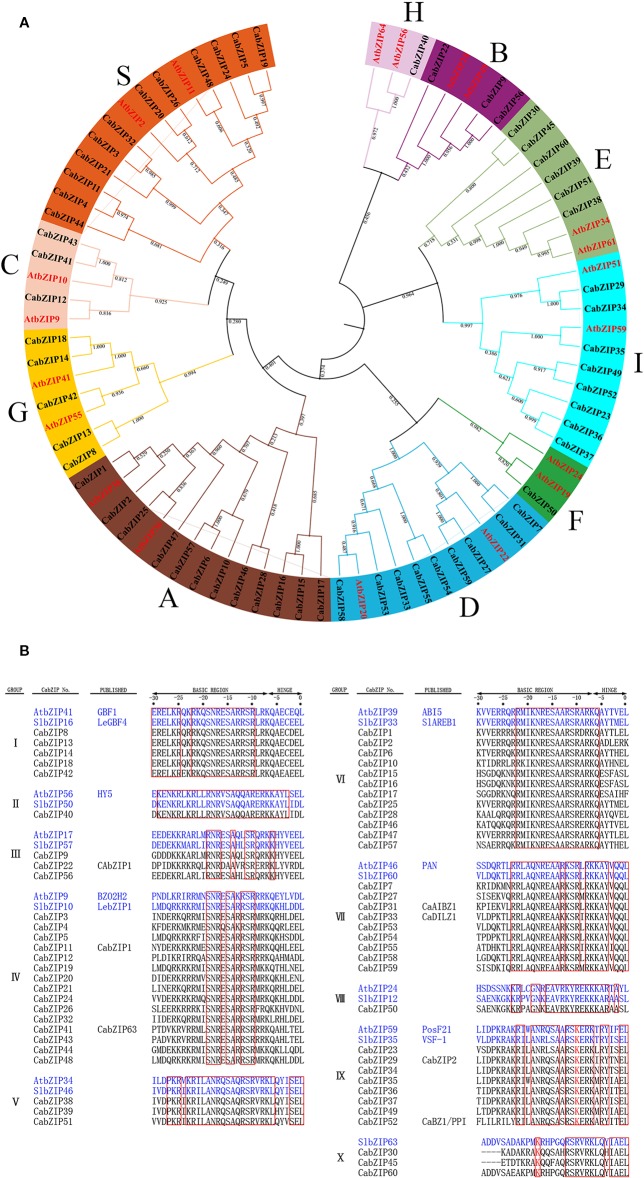
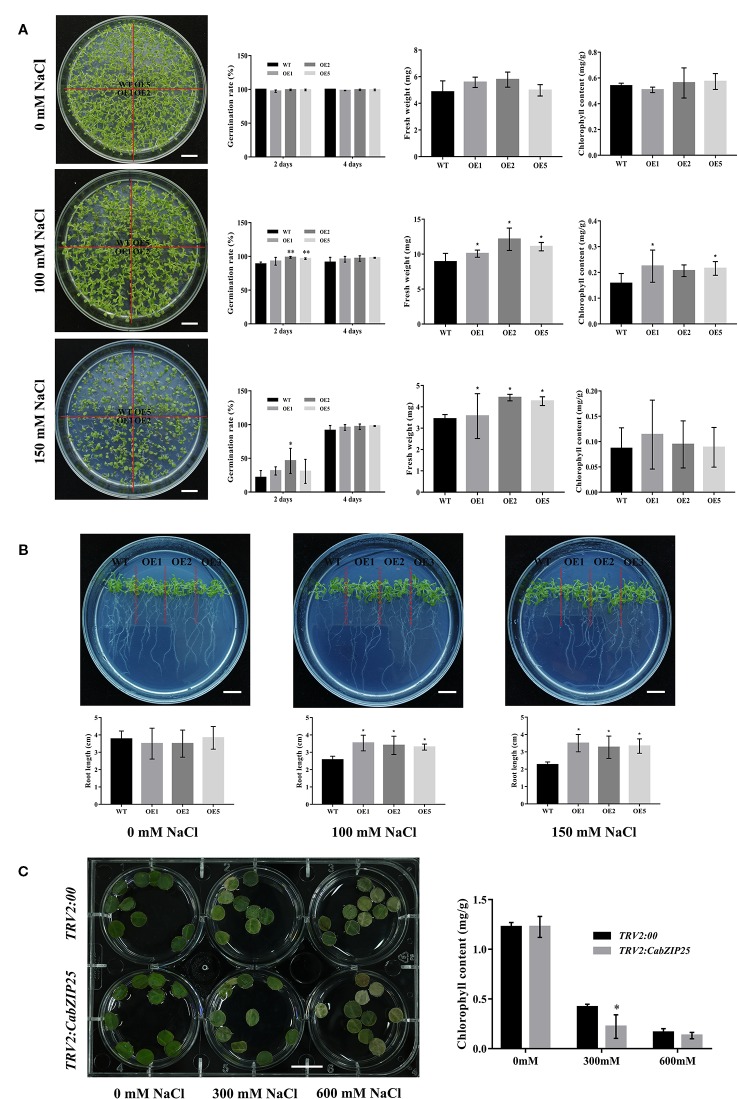
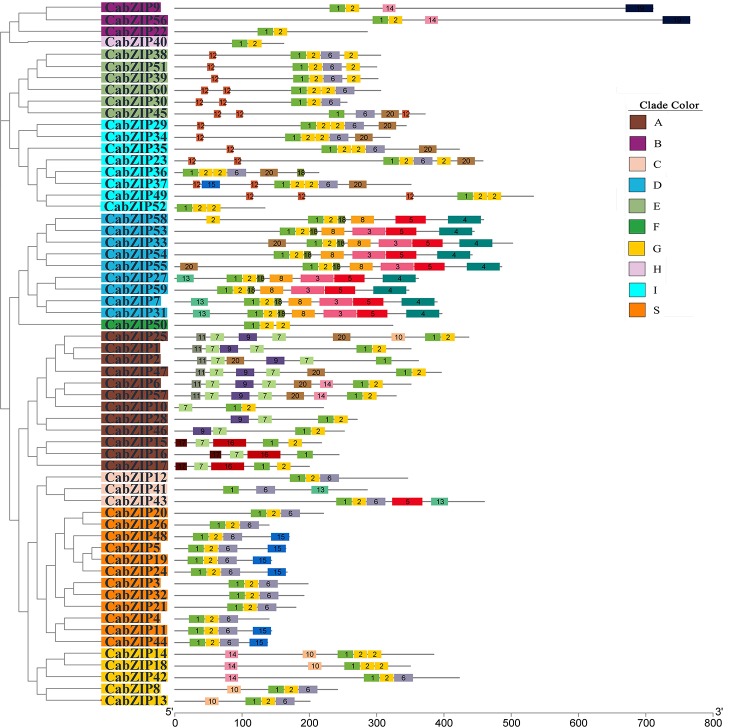
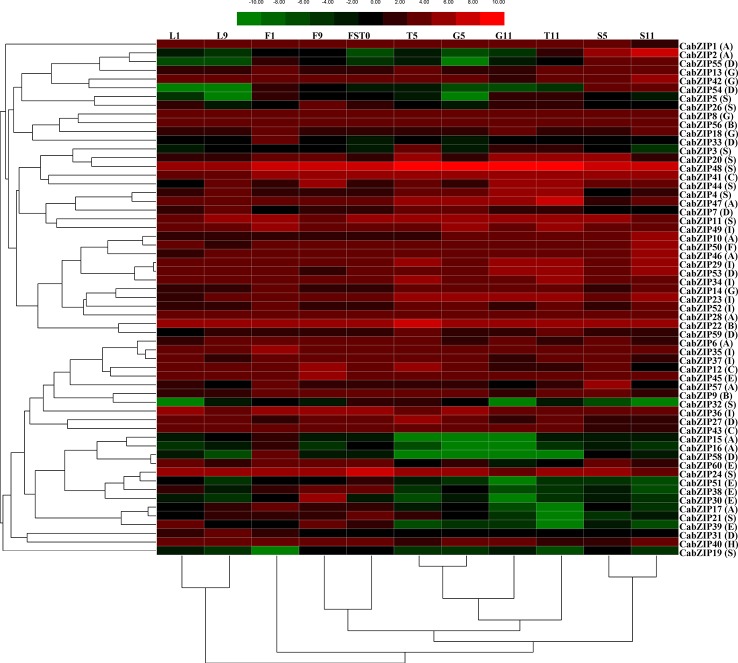
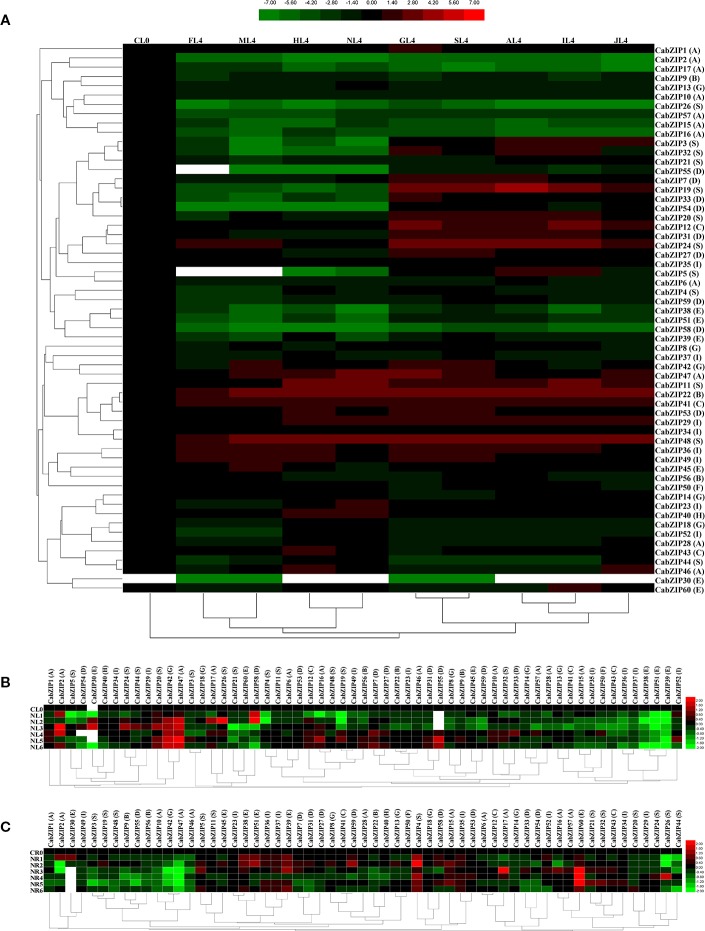
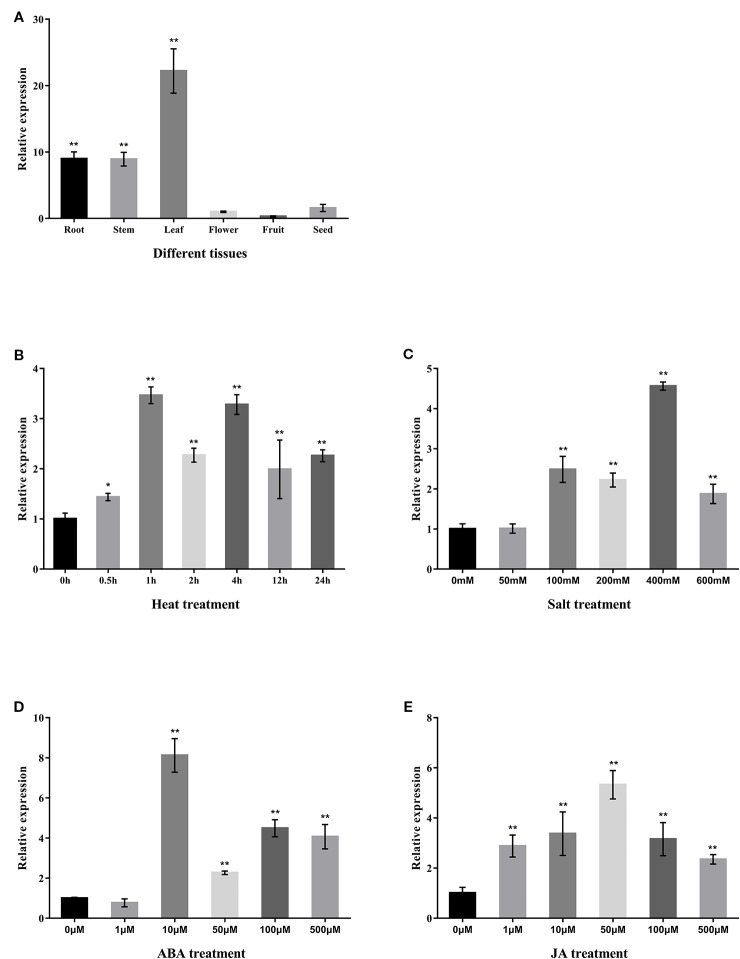
The basic leucine zipper (bZIP) proteins compose a family of transcription factors (TFs), which play a crucial role in plant growth, development, and abiotic and biotic stress responses. However, no comprehensive analysis of bZIP family has been reported in pepper ( L.). In this study, we identified and characterized 60 bZIP TF-encoding genes from two pepper genomes. These genes were divided into 10 groups based on their phylogenetic relationships with genes from . Six introns/exons structural patterns within the basic and hinge regions and the conserved motifs were identified among all the pepper bZIP proteins, on the basis of which, we classify them into different subfamilies. Based on the transcriptomic data of Zunla-1 genome, expression analyses of 59 pepper genes (not including of CM334 genome), indicated that the pepper genes were differentially expressed in the pepper tissues and developmental stages, and many of the pepper genes might be involved in responses to various abiotic stresses and phytohormones. Further, gene expression analysis, using quantitative real-time PCR (qRT-PCR), showed that the gene was expressed at relatively higher levels in vegetative tissues, and was strongly induced by abiotic stresses and phytohormones. In comparing with wild type , germination rate, fresh weight, chlorophyll content, and root lengths increased in the overexpressing under salt stress. Additionally, silenced pepper showed lower chlorophyll content than the control plants under salt stress. These results suggested that improved salt tolerance in plants. Taken together, our results provide new opportunities for the functional characterization of bZIP TFs in pepper.
碱性亮氨酸拉链(bZIP)蛋白构成了一个转录因子(TFs)家族,它们在植物生长、发育以及非生物和生物胁迫响应中发挥着关键作用。然而,尚未见有关辣椒(L.)bZIP家族的全面分析报道。在本研究中,我们从两个辣椒基因组中鉴定并表征了60个编码bZIP TF的基因。根据它们与来自的基因的系统发育关系,这些基因被分为10组。在所有辣椒bZIP蛋白中鉴定出了碱性和铰链区域内的六种内含子/外显子结构模式以及保守基序,据此我们将它们分为不同的亚家族。基于Zunla-1基因组的转录组数据,对59个辣椒基因(不包括CM334基因组的)进行表达分析,结果表明辣椒基因在辣椒组织和发育阶段存在差异表达,并且许多辣椒基因可能参与对各种非生物胁迫和植物激素的响应。此外,使用定量实时PCR(qRT-PCR)进行的基因表达分析表明,该基因在营养组织中表达水平相对较高,并受到非生物胁迫和植物激素的强烈诱导。与野生型相比,在盐胁迫下过表达的种子发芽率、鲜重、叶绿素含量和根长均有所增加。此外,在盐胁迫下,沉默的辣椒叶绿素含量低于对照植株。这些结果表明,改善了植物的耐盐性。综上所述,我们的结果为辣椒中bZIP TFs的功能表征提供了新的契机。