El Boukhari Mohammed El Mehdi, Barakate Mustapha, Bouhia Youness, Lyamlouli Karim
AgroBioSciences Program, Mohammed 6 Polytechnic University UM6P, Benguerir 43150, Morocco.
Faculty of Sciences Semlalia, Laboratory of Microbial Biotechnology, AgroSciences and Environment, Cadi Ayyad University, Marrakesh 40000, Morocco.
Plants (Basel). 2020 Mar 12;9(3):359. doi: 10.3390/plants9030359.
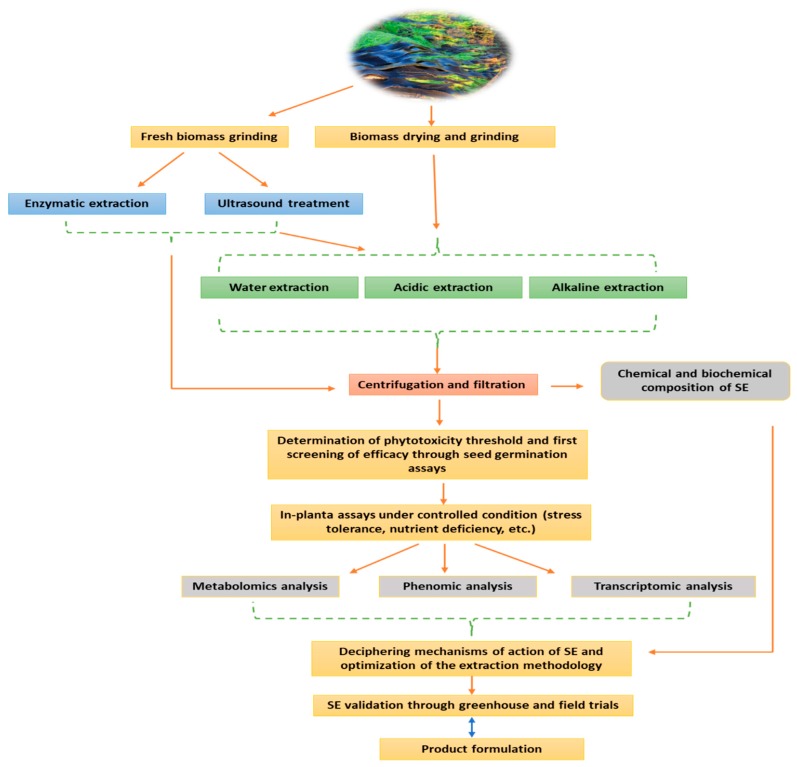
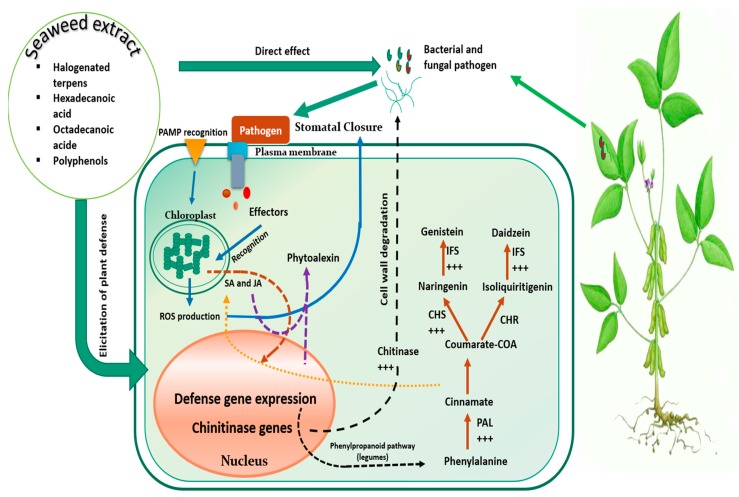
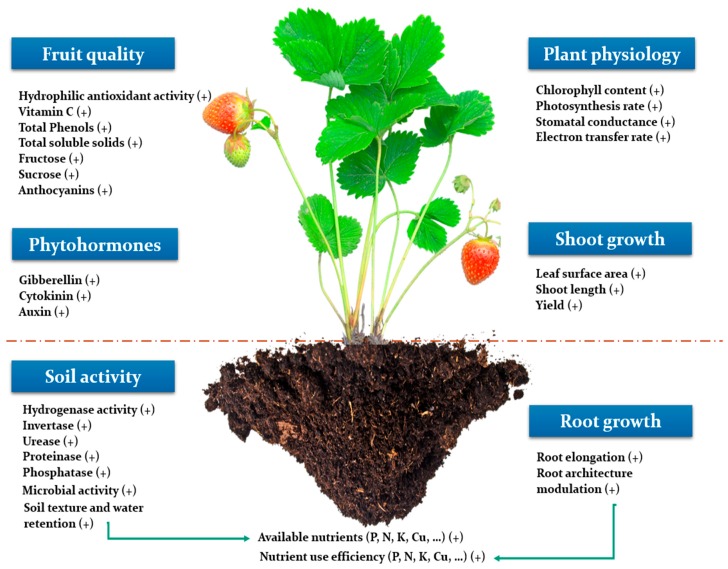
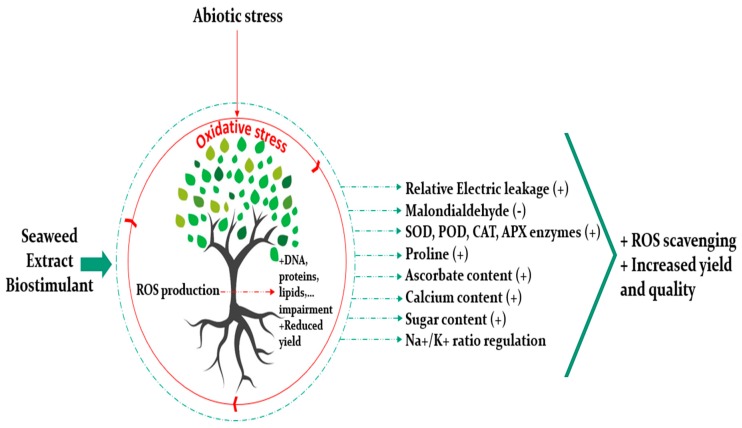
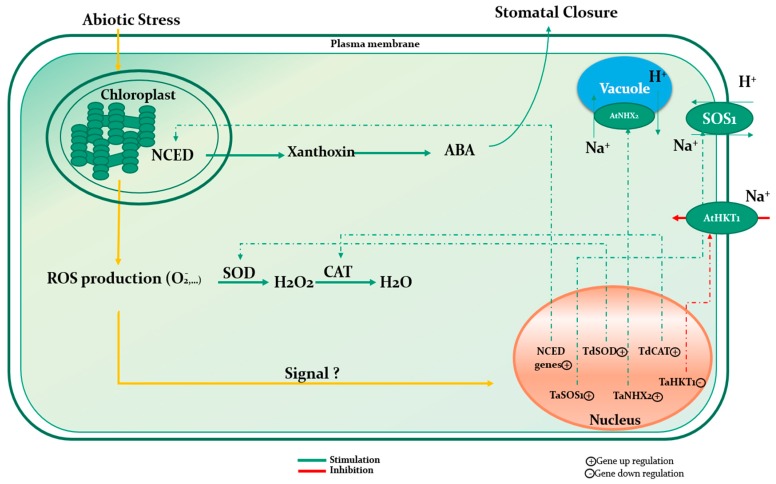
The time when plant biostimulants were considered as "snake oil" is erstwhile and the skepticism regarding their agricultural benefits has significantly faded, as solid scientific evidences of their positive effects are continuously provided. Currently plant biostimulants are considered as a full-fledged class of agri-inputs and highly attractive business opportunity for major actors of the agroindustry. As the dominant category of the biostimulant segment, seaweed extracts were key in this growing renown. They are widely known as substances with the function of mitigating abiotic stress and enhancing plant productivity. Seaweed extracts are derived from the extraction of several macroalgae species, which depending on the extraction methodology lead to the production of complex mixtures of biologically active compounds. Consequently, plant responses are often inconsistent, and precisely deciphering the involved mechanism of action remains highly intricate. Recently, scientists all over the world have been interested to exploring hidden mechanism of action of these resources through the employment of multidisciplinary and high-throughput approaches, combining plant physiology, molecular biology, agronomy, and multi-omics techniques. The aim of this review is to provide fresh insights into the concept of seaweed extract (SE), through addressing the subject in newfangled standpoints based on current scientific knowledge, and taking into consideration both academic and industrial claims in concomitance with market's requirements. The crucial extraction process as well as the effect of such products on nutrient uptake and their role in abiotic and biotic stress tolerance are scrutinized with emphasizing the involved mechanisms at the metabolic and genetic level. Additionally, some often overlooked and indirect effects of seaweed extracts, such as their influence on plant microbiome are discussed. Finally, the plausible impact of the recently approved plant biostimulant regulation on seaweed extract industry is addressed.
植物生物刺激素被视为“万灵药”的时代已经过去,随着其积极作用的可靠科学证据不断涌现,人们对其农业效益的怀疑已大幅消退。目前,植物生物刺激素被视为一类成熟的农业投入品,对农业产业的主要参与者来说是极具吸引力的商业机会。作为生物刺激素领域的主导类别,海藻提取物在这一日益增长的声誉中起到了关键作用。它们作为具有缓解非生物胁迫和提高植物生产力功能的物质而广为人知。海藻提取物源自多种大型藻类的提取,根据提取方法的不同,会产生具有生物活性化合物的复杂混合物。因此,植物的反应往往不一致,精确解读其中涉及的作用机制仍然非常复杂。最近,世界各地的科学家们一直热衷于通过采用多学科和高通量方法,结合植物生理学、分子生物学、农学和多组学技术,探索这些资源隐藏的作用机制。本综述的目的是通过基于当前科学知识从全新的角度探讨这一主题,并兼顾学术和产业主张以及市场需求,为海藻提取物(SE)的概念提供新的见解。对关键的提取过程以及此类产品对养分吸收的影响及其在非生物和生物胁迫耐受性中的作用进行了详细审查,强调了代谢和遗传水平上涉及的机制。此外,还讨论了海藻提取物一些常被忽视的间接影响,例如它们对植物微生物组的影响。最后,探讨了最近批准的植物生物刺激素法规对海藻提取物行业可能产生的影响。