State Key Laboratory of Proteomics, Institute of Basic Medical Sciences, National Center of Biomedical Analysis, Beijing, China.
China Military Institute of Chinese Materia, the Fifth Medical Center, Chinese PLA General Hospital, Beijing, China.
J Exp Med. 2020 May 4;217(5). doi: 10.1084/jem.20191340.
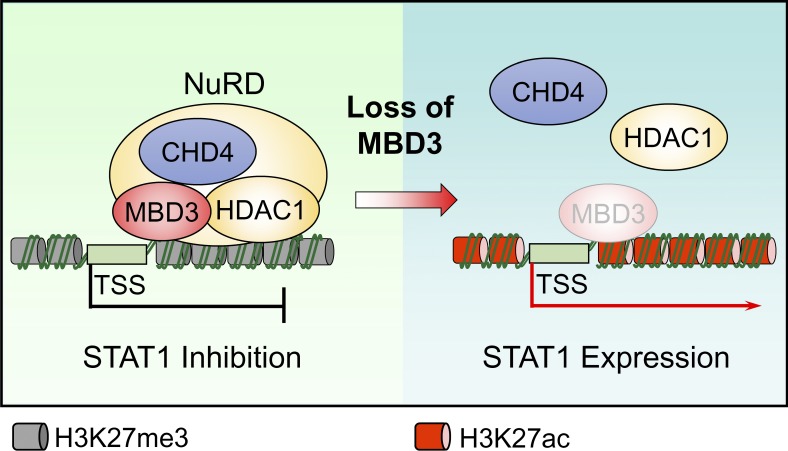
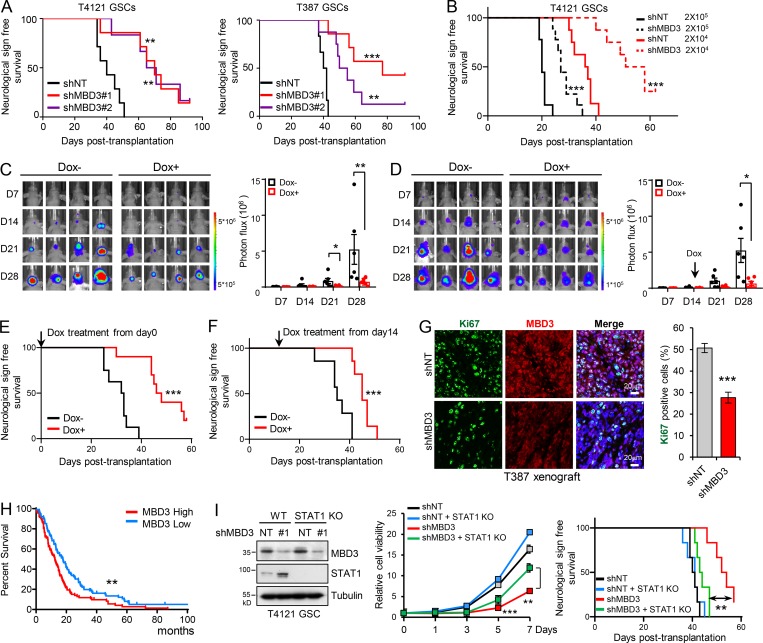
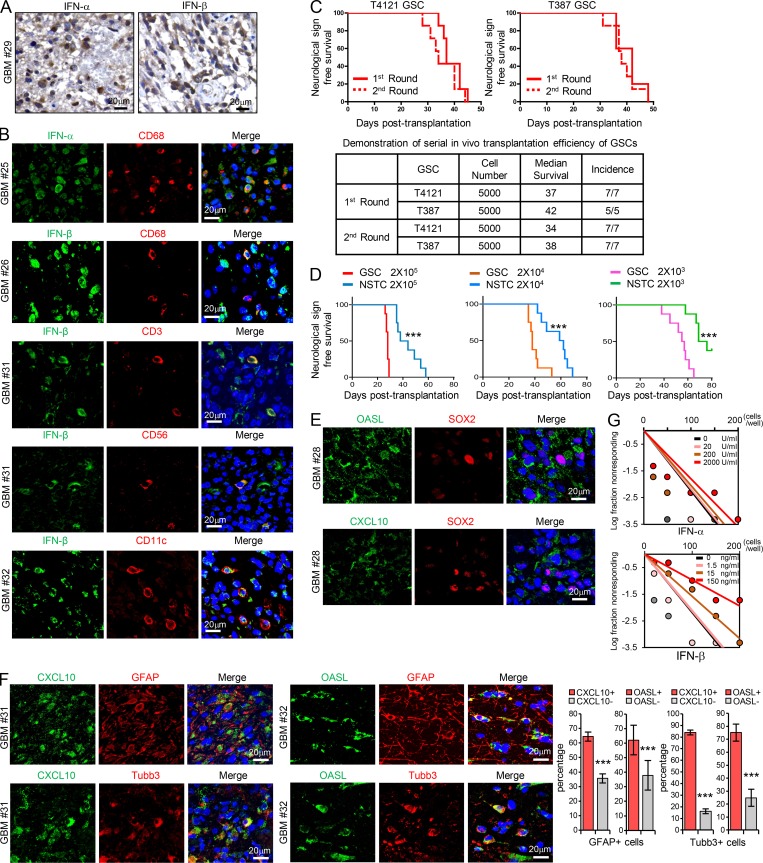
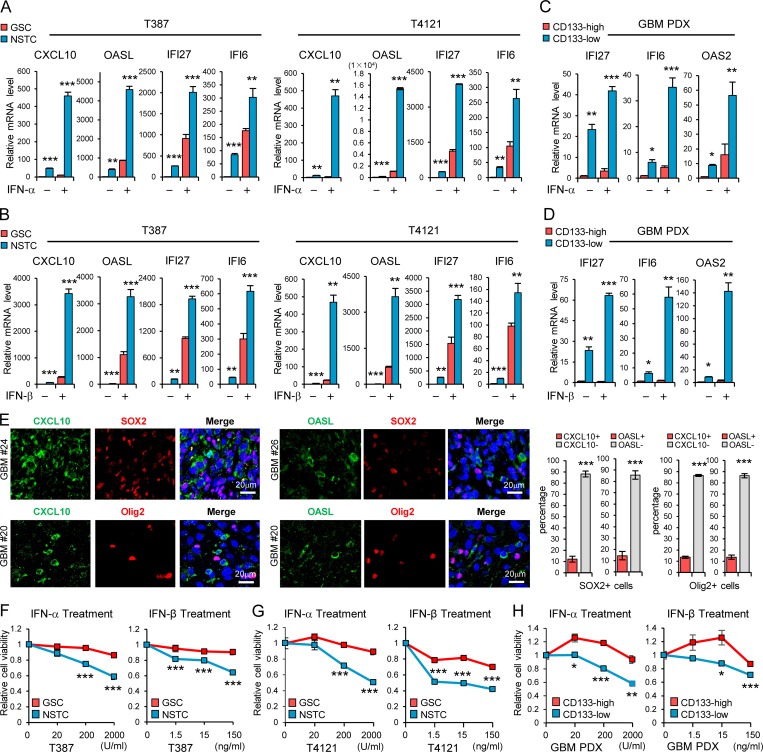
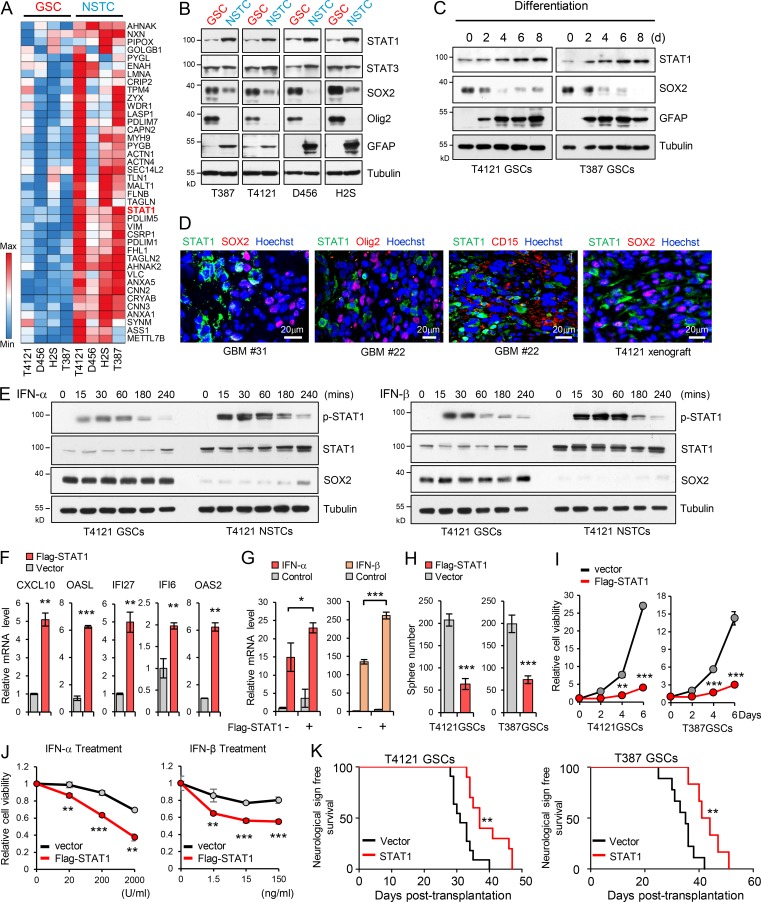
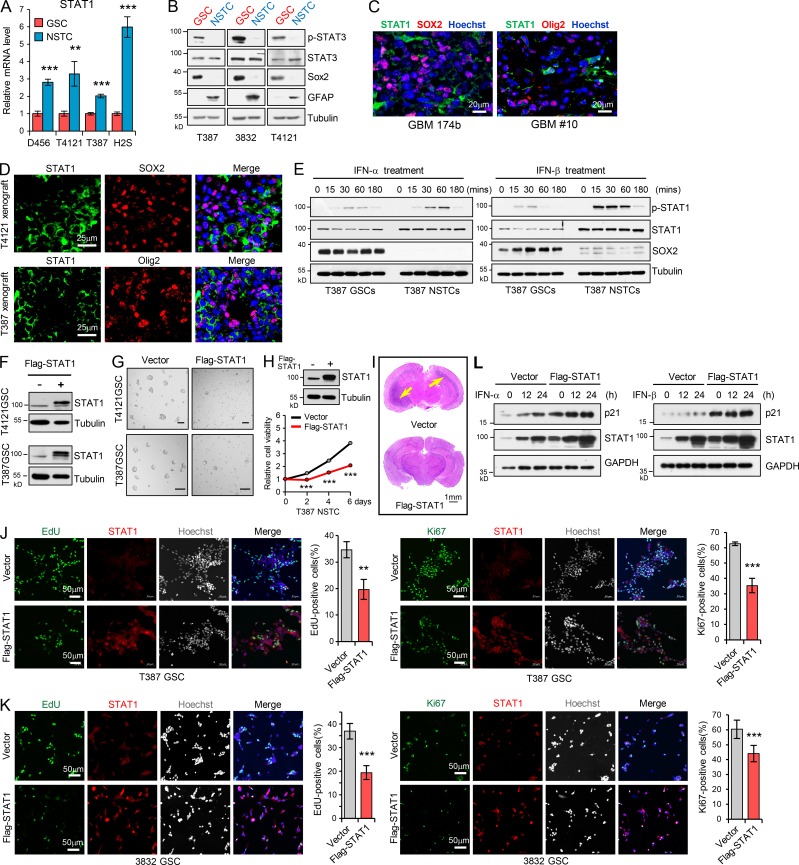
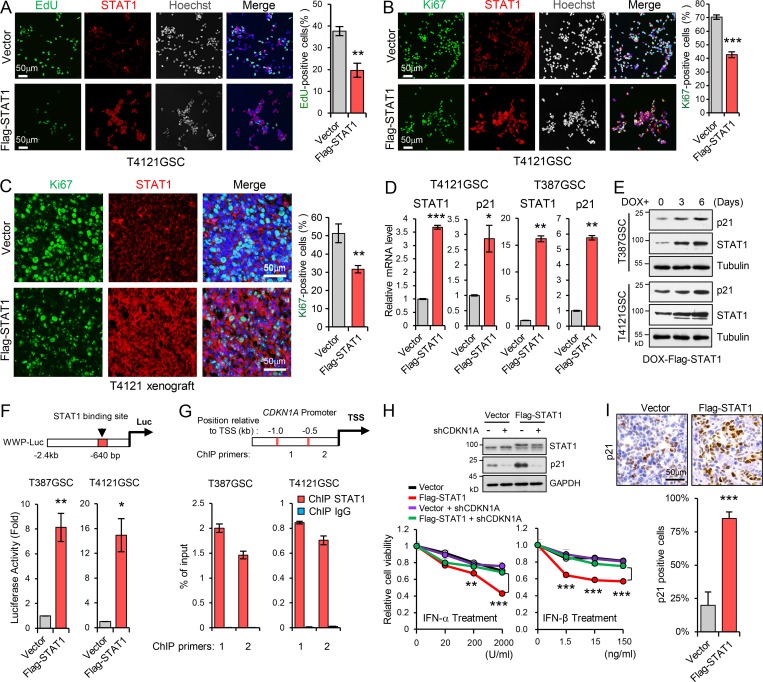
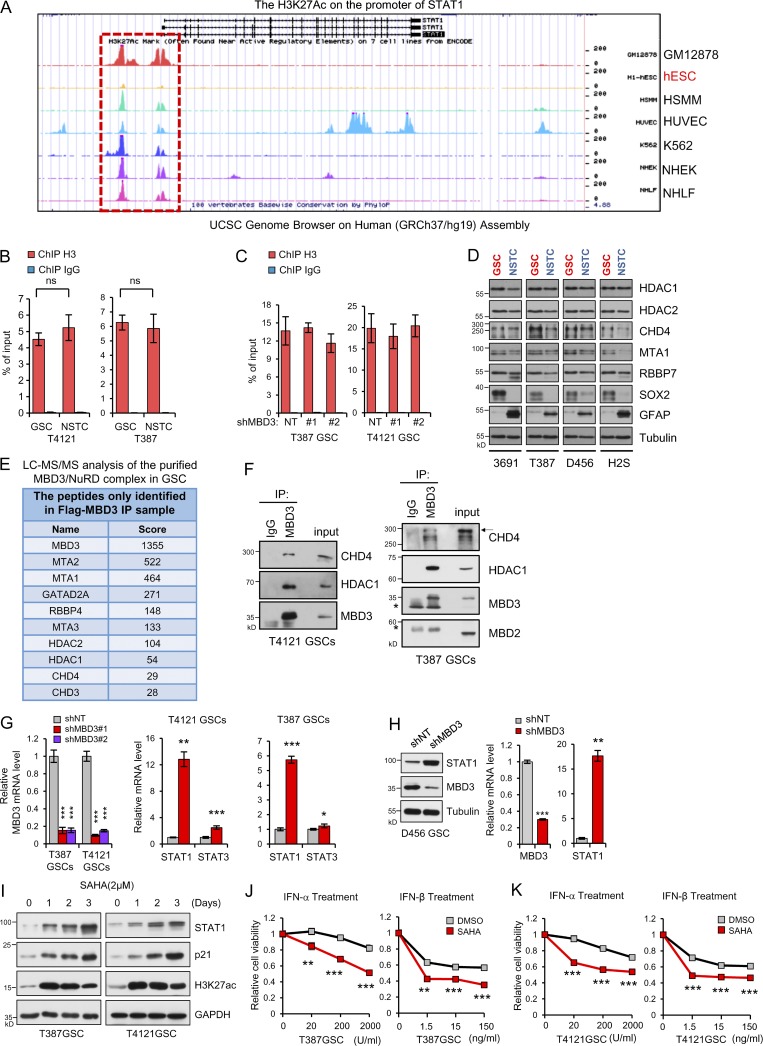
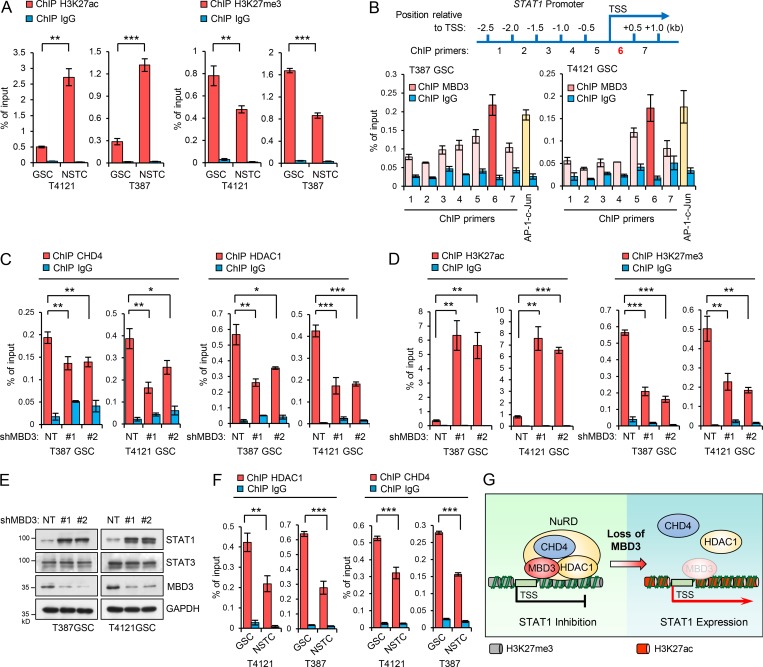
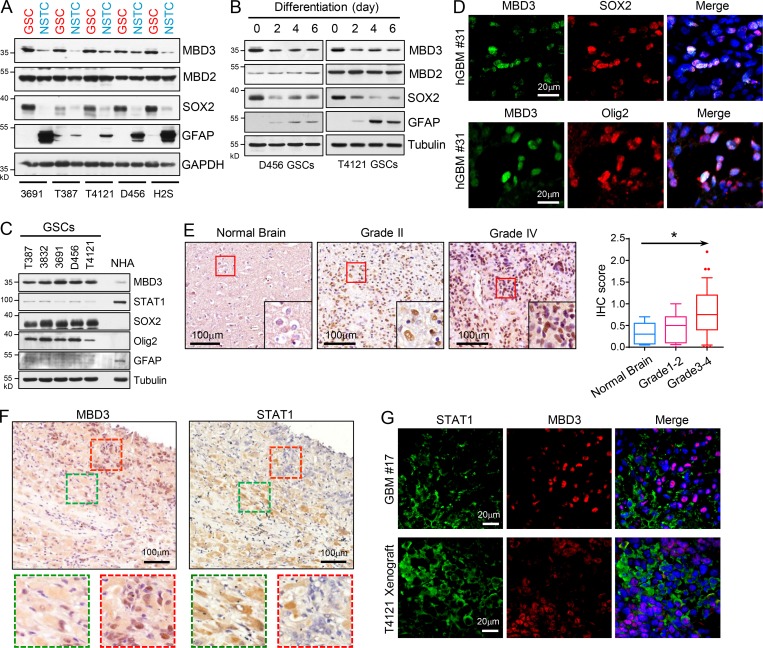
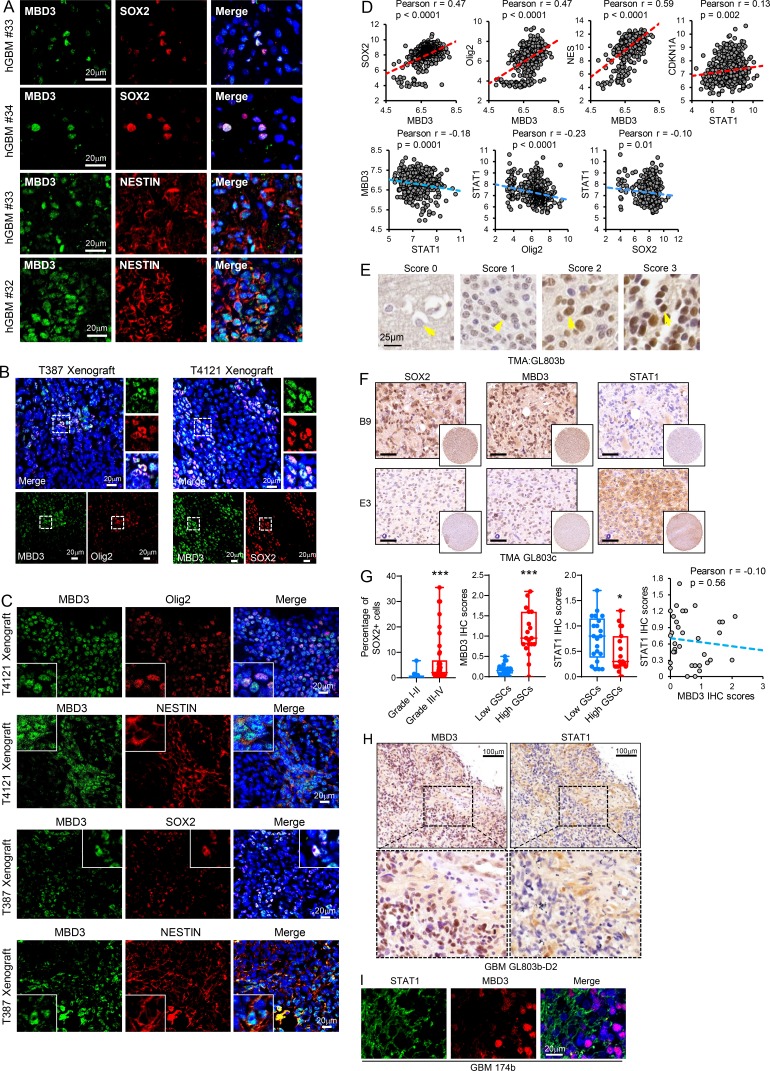
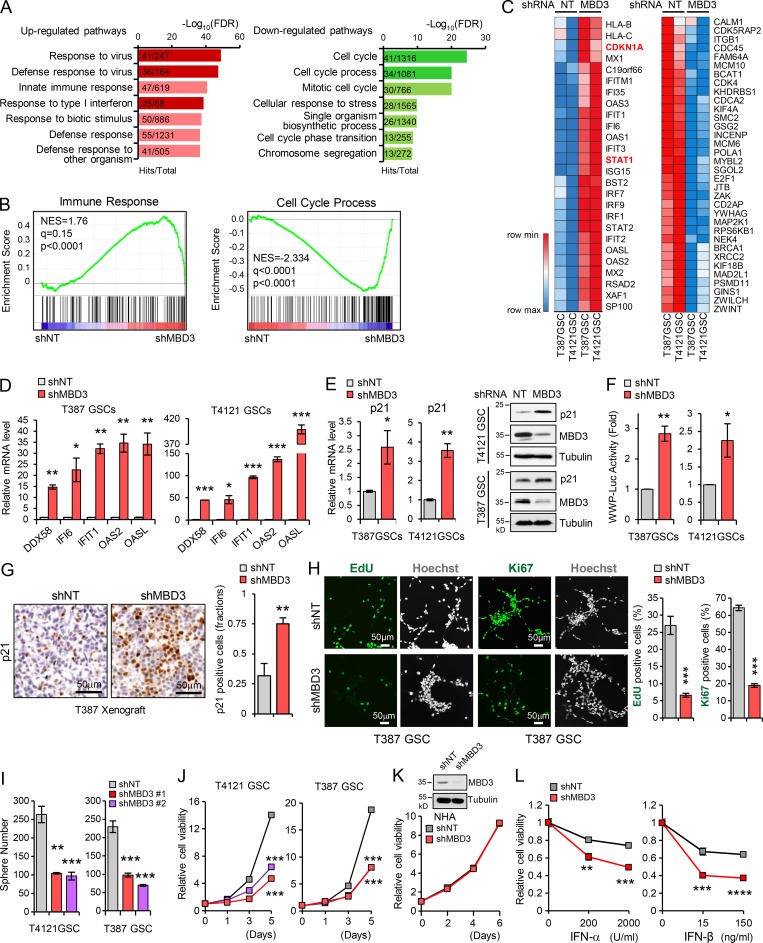
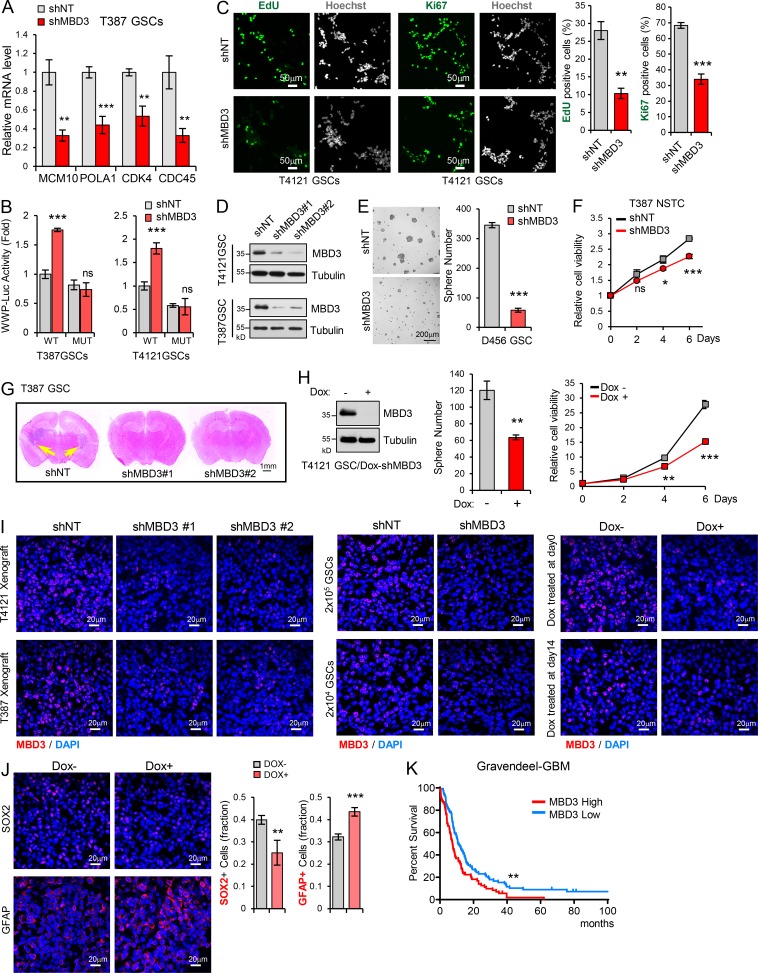
Type I interferons (IFNs) are known to mediate antineoplastic effects during tumor progression. Type I IFNs can be produced by multiple cell types in the tumor microenvironment; however, the molecular mechanisms by which tumor cells evade the inhibition of immune microenvironment remain unknown. Here we demonstrate that glioma stem-like cells (GSCs) evade type I IFN suppression through downregulation of STAT1 to initiate tumor growth under inhospitable conditions. The downregulation of STAT1 is mediated by MBD3, an epigenetic regulator. MBD3 is preferentially expressed in GSCs and recruits NuRD complex to STAT1 promoter to suppress STAT1 expression by histone deacetylation. Importantly, STAT1 overexpression or MBD3 depletion induces p21 transcription, resensitizes GSCs to IFN suppression, attenuates GSC tumor growth, and prolongs animal survival. Our findings demonstrate that inactivation of STAT1 signaling by MBD3/NuRD provides GSCs with a survival advantage to escape type I IFN suppression, suggesting that targeting MBD3 may represent a promising therapeutic opportunity to compromise GSC tumorigenic potential.
I 型干扰素(IFNs)已知在肿瘤进展过程中发挥抗肿瘤作用。I 型 IFNs 可由肿瘤微环境中的多种细胞类型产生;然而,肿瘤细胞逃避免疫微环境抑制的分子机制尚不清楚。在这里,我们证明神经胶质瘤干细胞(GSCs)通过下调 STAT1 来逃避 I 型 IFN 的抑制,从而在不利条件下启动肿瘤生长。STAT1 的下调是由表观遗传调节剂 MBD3 介导的。MBD3 在 GSCs 中优先表达,并募集 NuRD 复合物到 STAT1 启动子,通过组蛋白去乙酰化抑制 STAT1 表达。重要的是,STAT1 的过表达或 MBD3 的耗竭诱导 p21 转录,使 GSCs 重新对 IFN 抑制敏感,减弱 GSC 肿瘤生长,延长动物存活。我们的研究结果表明,MBD3/NuRD 对 STAT1 信号的失活为 GSCs 提供了逃避 I 型 IFN 抑制的生存优势,表明靶向 MBD3 可能代表了一种有前途的治疗机会,以损害 GSC 的致瘤潜力。